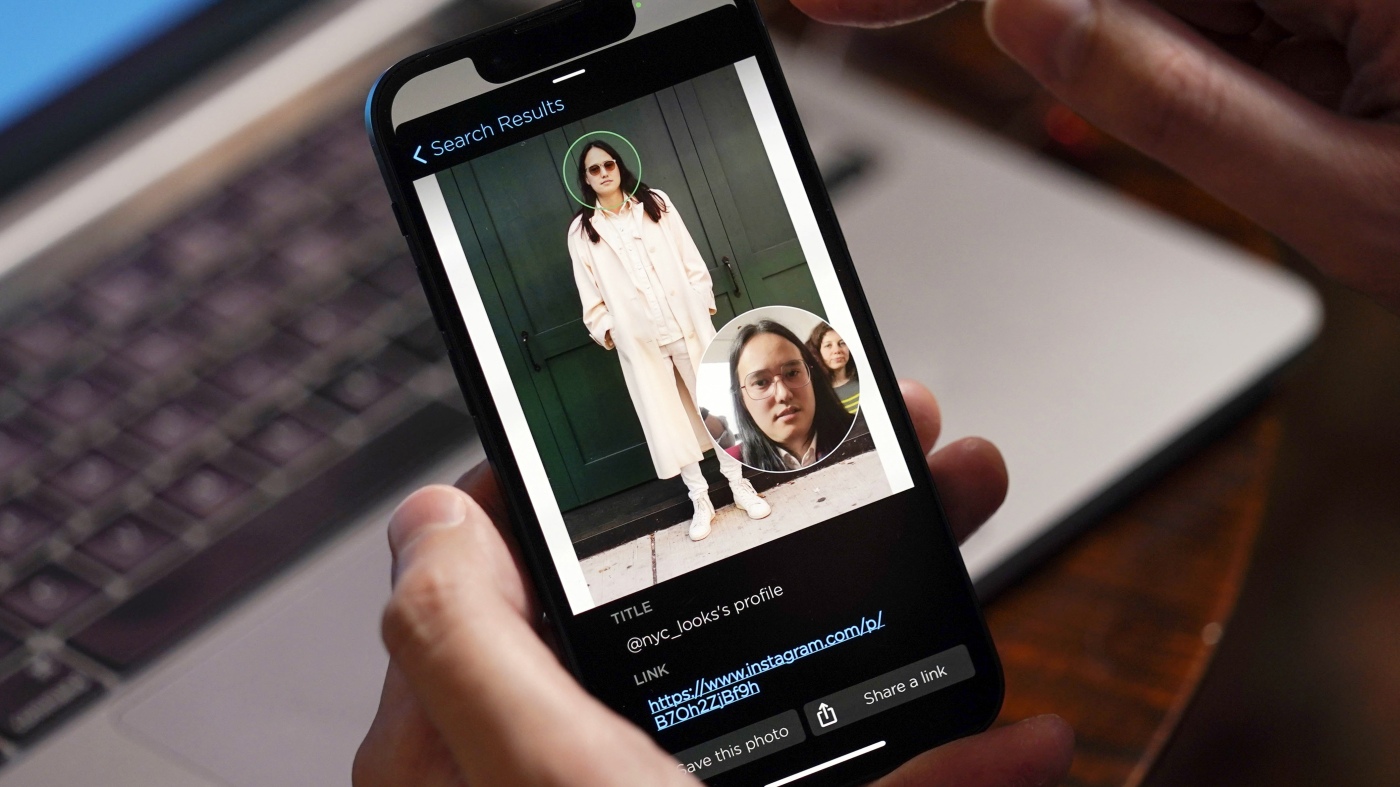
States are increasingly enacting laws to regulate biometric data collection amid a lack of federal regulation, with some cases leading to large settlements with tech companies. However, enforcement is challenging, especially against overseas companies like PimEyes, which operate beyond U.S. jurisdiction. Public concern about privacy and facial recognition technology is growing, but federal legislation remains stalled due to industry lobbying.
The article discusses the emerging use of AI to create digital replicas of deceased loved ones, the legal and ethical challenges involved, and the potential for including 'no AI resurrection' clauses in wills. Experts suggest that current laws are insufficient to prevent unauthorized AI recreations, and propose rights to data deletion as a possible solution. The trend raises questions about privacy, consent, and the emotional impact on the living, with future legal and societal norms likely to evolve.
Originally Published 7 months ago — by TribLIVE.com
The notice informs Virginia residents about their privacy rights under state law, offering options to opt out of data sale and full site features, with instructions to manage preferences or update location for non-residents.
An Illinois woman has filed a class action lawsuit against Target, alleging that the company collected and stored her biometric data, including face and fingerprint scans, without her consent, in violation of the state's Biometric Information Privacy Act (BIPA). The lawsuit claims that Target's surveillance systems in Illinois stores surreptitiously collect biometric data on customers without their knowledge or consent, and seeks statutory damages for the alleged violations. Similar class action lawsuits have been filed against other companies, including Facebook, Google, Snapchat, and TikTok, for alleged violations of BIPA.
The House of Representatives voted to renew the FISA Section 702 surveillance program after a Republican revolt earlier in the week. The bipartisan vote followed a deal with conservative rebels to shorten the reauthorization period to two years and include amendments requiring warrants for certain surveillance activities. The bill is expected to go to the Senate next week, and discussions on FISA are anticipated during a meeting between Speaker Mike Johnson and former President Donald Trump.
A Texas judge has temporarily blocked the state's attorney general from obtaining information about transgender children receiving gender-affirming medical care, citing potential harm to the LGBTQ+ advocacy group PFLAG and its members, including violations of free speech, association, and privacy rights. The attorney general's office had sought the information as part of an investigation into potential insurance fraud related to the state's ban on gender-affirming care for minors. The legal battle is ongoing, with a hearing scheduled for March 25.
Attorneys for alleged clients of a Greater Boston brothel network are arguing against public access to their initial hearings, stating that it would subject the accused to humiliation and potential career and personal repercussions. They assert that the accused are entitled to privacy at this early stage in the proceedings and that public hearings should remain the exception rather than the rule. The Supreme Judicial Court has delayed the initial hearings and requested the clerk-magistrate to justify her decision to open the hearings to the public.
A Chinese tourist group visiting London's St. Pancras station demanded a musician delete his livestream as they appeared in the video, claiming a right to privacy in a public place. The musician, Brendan Kavanagh, refused, citing his right to film in a public space. The situation escalated when a member of the group accused him of touching a woman, leading to police intervention. The incident highlights cultural differences and the lack of privacy rights in China compared to the UK.
Police in Quebec have cautioned residents against posting surveillance footage from home security cameras on social media, even if it captures alleged criminals like "porch pirates." The warning comes amid a surge in thefts, particularly during the holiday season, in Montreal West. Authorities emphasize the presumption of innocence and the right to privacy in Canada, urging people to report evidence to the police for investigation rather than sharing it publicly. The complex issue of privacy rights for alleged criminals has also been a topic of concern in other Canadian regions, with potential legal consequences for those who violate privacy laws.
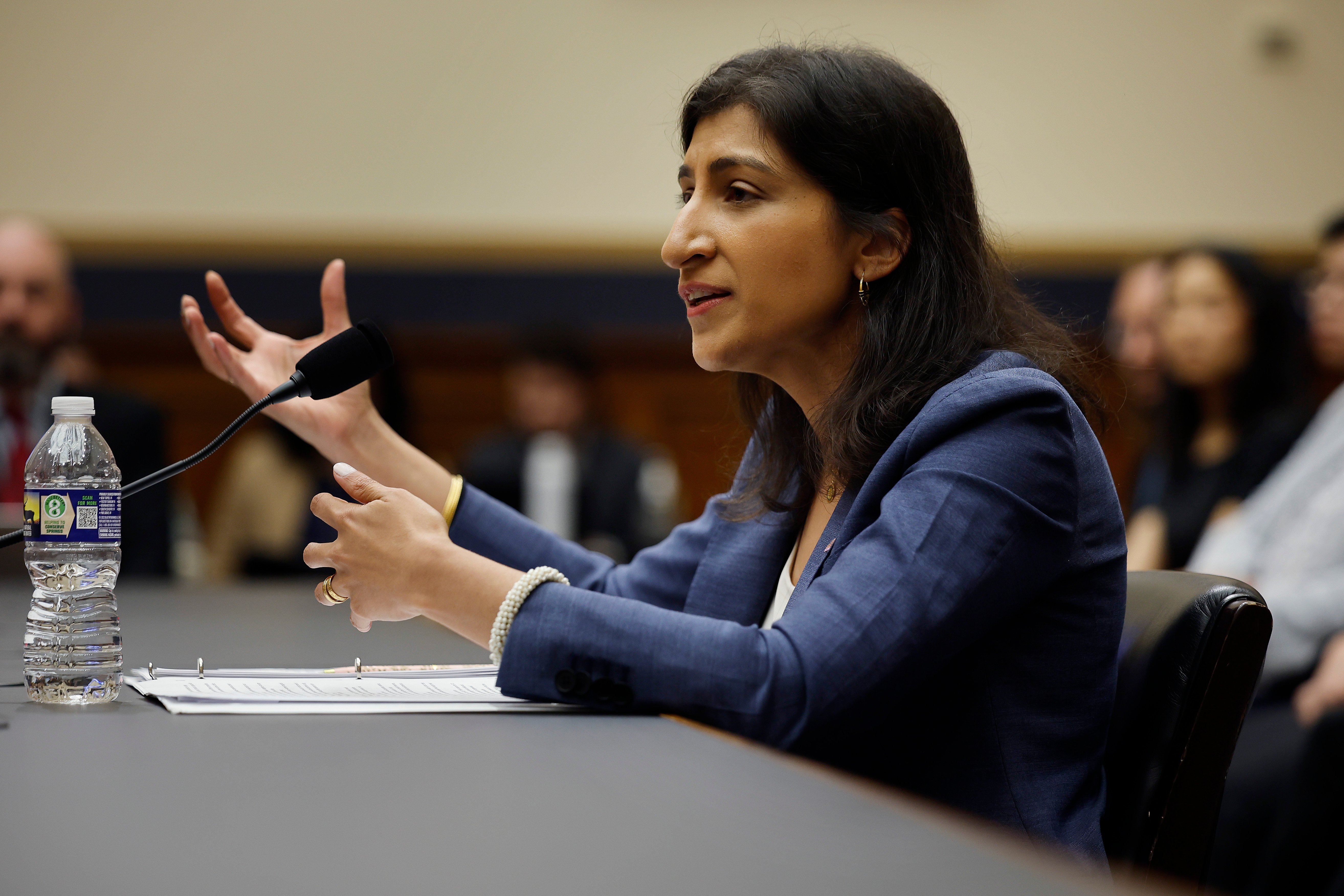
The Biden administration reached its first settlement on a privacy issue by stopping a company, Outlogic (formerly X-Mode Social), from selling data on people's medical visits, particularly visits to abortion providers. The Federal Trade Commission (FTC) found that Outlogic collected location data on people's visits to medical facilities and then shared it with a clinical research company for marketing and advertising, leading to a significant privacy violation. The settlement requires Outlogic to delete all previously collected data without consent and provide an opt-out option for its location data collection. Privacy advocates are concerned about the potential misuse of location data, including targeting individuals seeking abortion and prosecuting them.
The DeFi Education Fund has filed an amicus brief in support of an appeal against the IRS, arguing for the protection of cryptocurrency users' privacy rights under the Fourth Amendment. The brief highlights the unique aspects of blockchain technology and the need to revise the Fourth Amendment to balance law enforcement's investigative powers with individuals' right to financial privacy in the digital age. The case involves a court order in 2017 that forced Coinbase to hand over data from over 14,000 users, sparking a fight for stronger digital privacy rights. The decision in this case is expected to set a precedent for digital privacy rights and law enforcement measures in the United States.
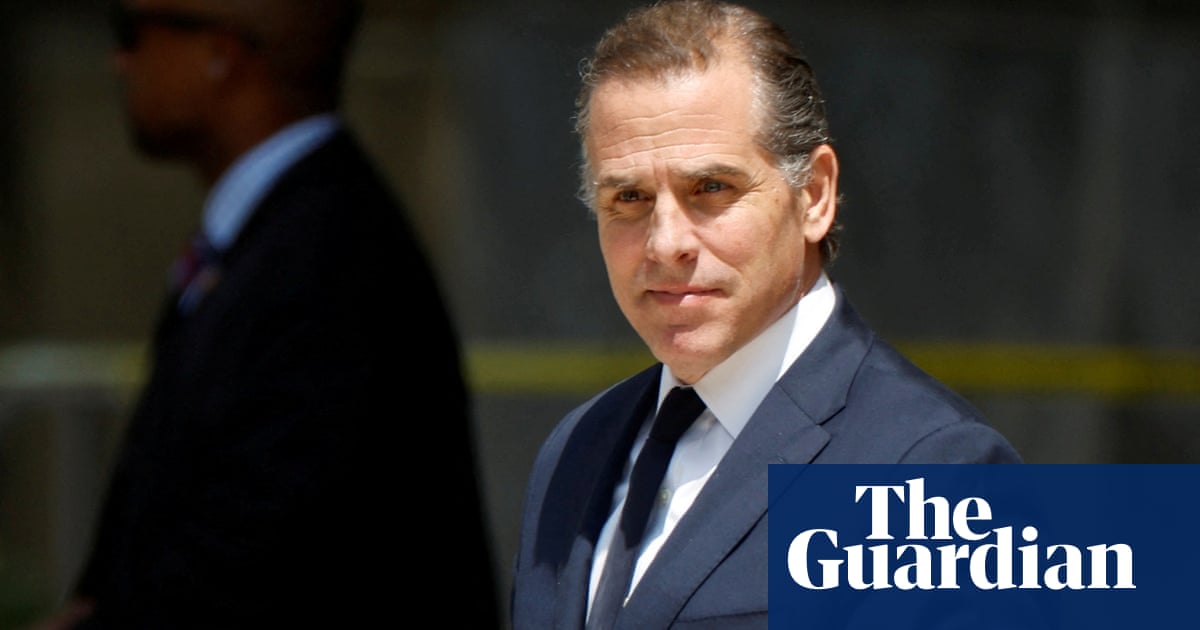
Hunter Biden, the son of US President Joe Biden, has filed a lawsuit against the Internal Revenue Service (IRS), accusing the agency of breaching his privacy rights during its investigation into his tax affairs. Biden alleges that "whistleblower" agents disclosed confidential information about his tax matters to the media, violating his rights as a private citizen. He is seeking damages for each unauthorized disclosure of his tax return information. The lawsuit comes as Hunter Biden faces criminal charges related to his tax affairs and a gun purchase. The IRS declined to comment on the pending litigation.
The Israeli cabinet has approved the formation of a committee to investigate the use of spyware technology by law enforcement, despite opposition from the attorney general. The committee will examine the procurement, surveillance, and data collection practices of the police and State Attorney's Office. The inquiry is a response to the recent spyware scandal that revealed the police's use of cellphone hacking technology to access citizens' devices. The committee's findings will help establish regulations for the use of such tools and restore public trust. The attorney general expressed concerns about interference with ongoing cases, including Prime Minister Benjamin Netanyahu's trial.
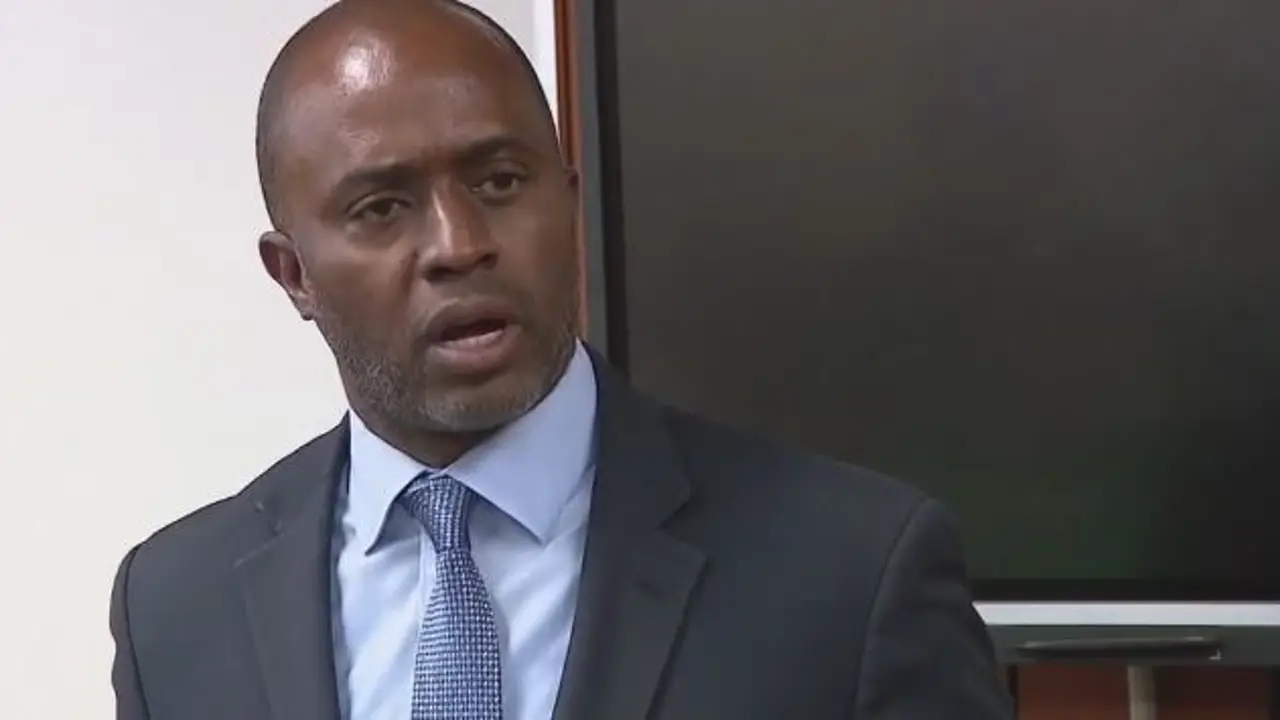
California State Superintendent of Schools, Tony Thurmond, was asked to leave a Chino Valley Unified School District meeting in Southern California after exceeding his allotted speaking time while expressing opposition to a policy requiring administrators to inform parents if their child identifies as transgender. Despite Thurmond's objections, the board ultimately approved the policy, which mandates parental notification for transgender students. Thurmond criticized the policy for violating students' privacy rights. School Board President Sonja Shaw accused Thurmond of being a danger to students and promoting division. State Attorney General Rob Bonta warned that the policy potentially infringes on students' privacy rights and educational opportunities. In a separate incident, Governor Gavin Newsom fined the Temecula Valley Unified School District $1.5 million for rejecting state-endorsed textbooks mentioning gay rights activist Harvey Milk.
Senior US government officials have warned of serious national security risks if the Section 702 statute of the Foreign Intelligence Surveillance Act (FISA) is not renewed. The statute allows US agencies to conduct warrantless searches of information of non-Americans living outside the US, which includes communications carried out via US telecom or email providers. The officials declined to share specifics of cases in which the program had been useful, but said that the database is critical to countering threats against the US. Critics, including rights groups and some members of Congress, are calling for substantial reforms and requiring a warrant for searches of Americans' information on the database.