California has launched the Drop platform, a government tool allowing residents to request the deletion of their personal data from 500 data brokers, aiming to give Californians more control over their information and reduce unwanted communications, as part of the state's new privacy law, the Delete Act.
Disney agreed to pay a $10 million fine for collecting children's data on YouTube without proper designation of videos as 'Made for Kids,' violating federal privacy laws. The company will improve its video classification practices and adopt age verification technology to comply with the Children's Online Privacy Protection Act.
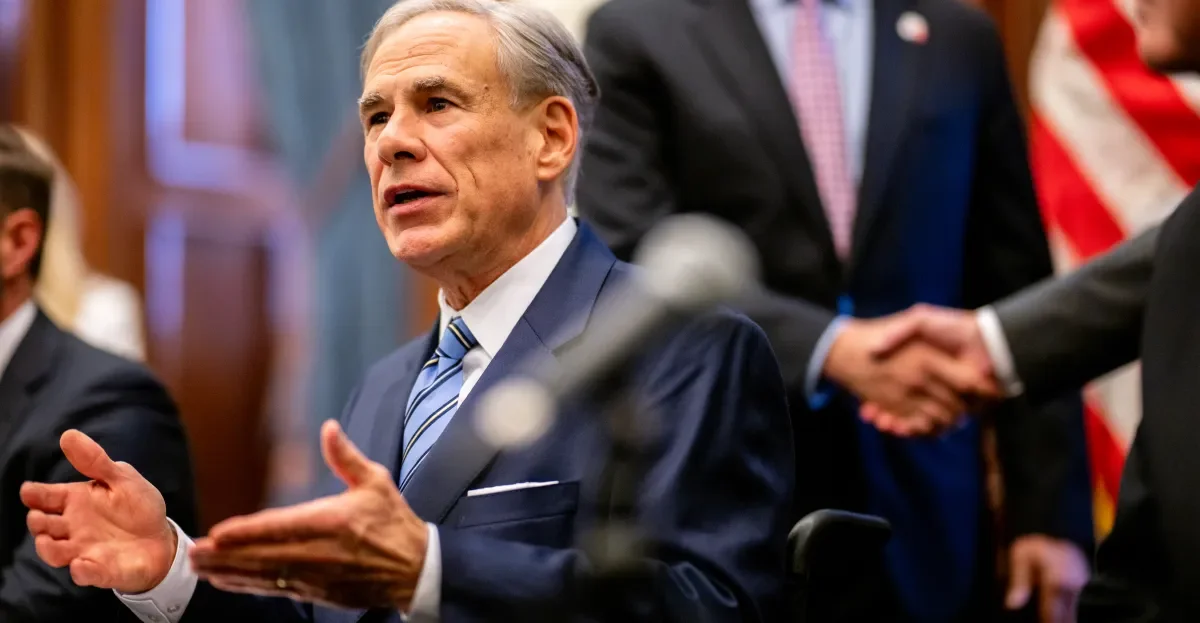
Texas Governor Greg Abbott is withholding emails with Elon Musk and his companies, citing privacy laws that protect 'intimate or embarrassing' information, amid investigations into Musk's influence in Texas politics and business.
Originally Published 7 months ago — by TribLIVE.com
The notice informs Virginia residents about their privacy rights under state law, offering options to opt out of data sale and full site features, with instructions to manage preferences or update location for non-residents.
eFinancialCareers has temporarily blocked access from mainland China to comply with the new Personal Information Protection Law (PIPL) that came into effect on November 1st. The company is assessing the law's implications on its business and is committed to adhering to privacy regulations in its operating regions. For inquiries, users are encouraged to contact eFinancialCareers support.
eFinancialCareers has temporarily blocked access to its services from mainland China following the implementation of China's Personal Information Protection Law (PIPL) on November 1st. This measure is part of the company's efforts to comply with the new privacy regulations while assessing their impact on its operations. Users with questions are encouraged to contact eFinancialCareers support.
Maryland is set to enact one of the toughest comprehensive privacy laws among U.S. states, with broad data minimization standards, a ban on sensitive data sales, universal opt-out mechanisms, and protections for children's data. The bill's unique aspects include a limited 60-day right to cure that sunsets in 2027 and attorney general discretion over its application. The legislation represents a significant departure from other state privacy laws and is expected to have a substantial impact on businesses and consumers.
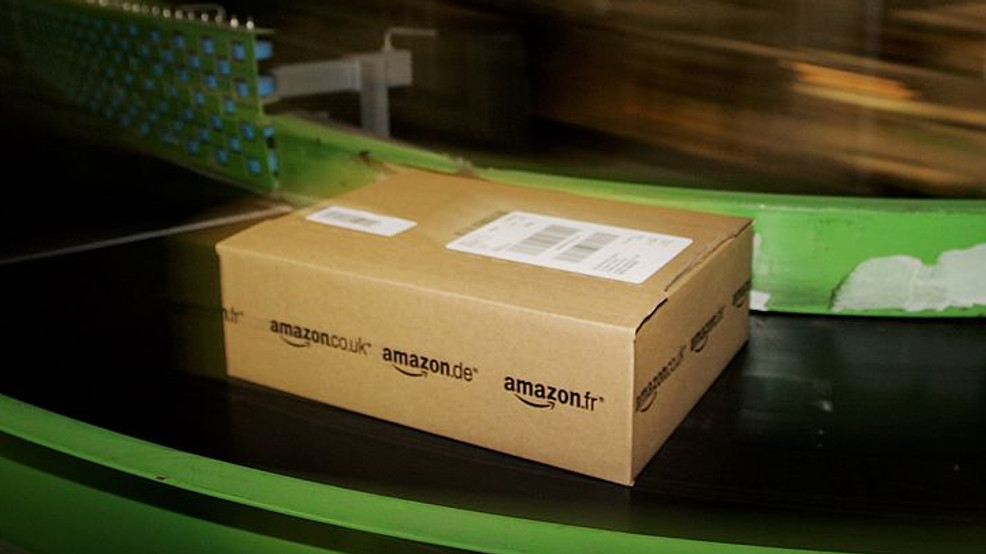
Police in Quebec warned residents about violating alleged thieves' privacy by posting porch pirate videos online, citing Canadian laws on the "violation of private life." The reminder came after a community reported an increase in stolen packages. Lt. Benoit Richard emphasized that sharing such footage could lead to legal issues, including defamation, and recommended turning video evidence over to the police for investigation.
Court documents reveal that the police chief who led the raid on a Kansas newspaper alleged that a reporter either impersonated someone or lied about her intentions when obtaining the driving records of a local business owner. However, the reporter, Phyllis Zorn, along with the newspaper's editor and attorney, maintain that no laws were broken. The raid, which garnered international attention, resulted in the seizure of computers and personal cellphones, but all items were returned after the county prosecutor determined there was insufficient evidence. The investigation into whether the newspaper violated state laws is ongoing, led by the Kansas Bureau of Investigation, while legal experts argue that the raid may have violated federal privacy laws protecting journalists.
Court records reveal that the police chief who led the raid on a Kansas newspaper alleged that a reporter either impersonated someone or lied about her intentions when obtaining the driving records of a local business owner. However, the newspaper and its attorney argue that no laws were broken, as the reporter accessed a public state website for information. The raid, which seized computers and personal cellphones, drew international attention and sparked a debate over press freedoms. The items were later released, and the county prosecutor concluded that there was insufficient evidence to justify the raid. The investigation into whether the newspaper broke state laws is ongoing.
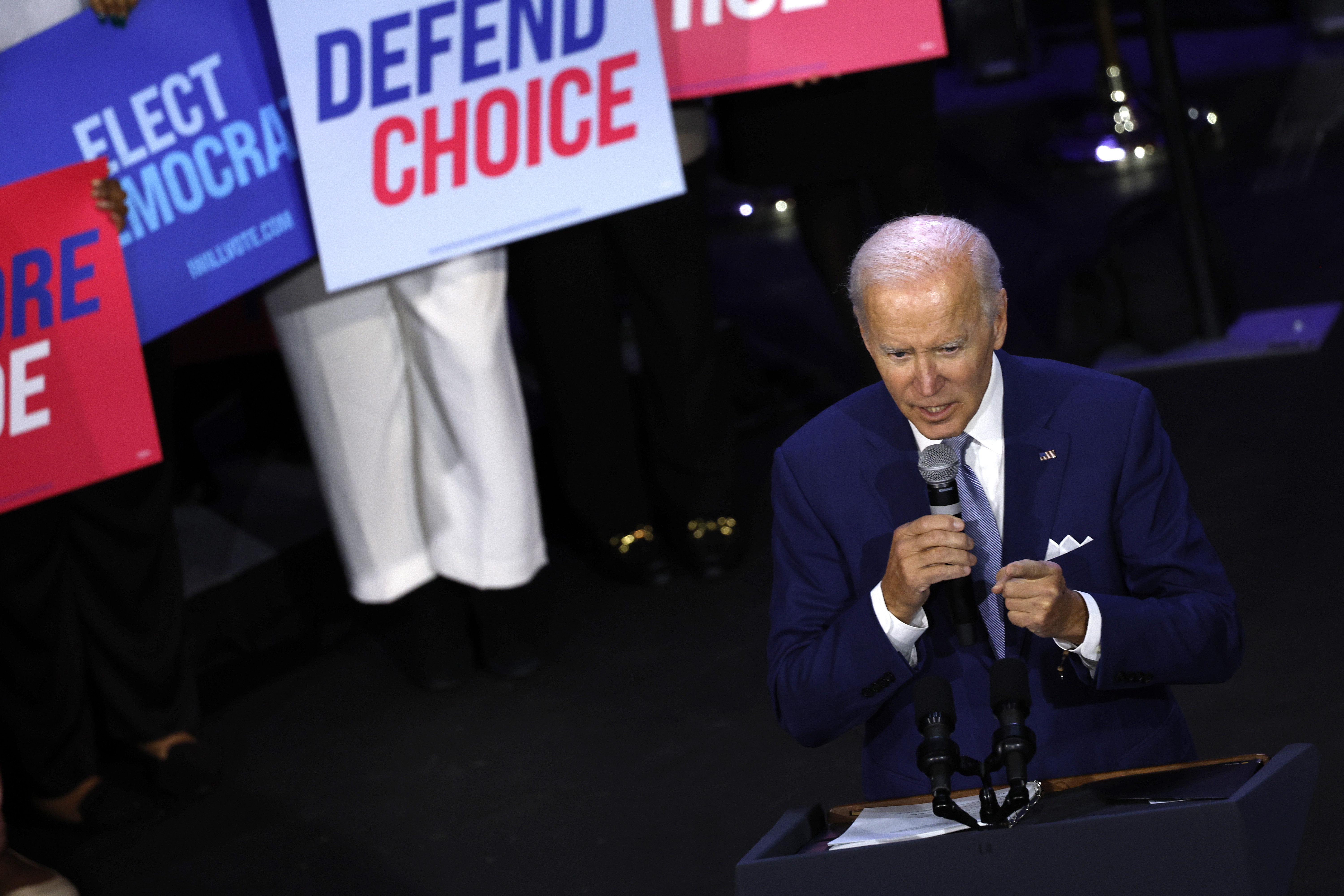
The Biden administration is proposing an update to the Health Insurance Portability and Accountability Act (HIPAA) to provide stronger legal protections for people who obtain abortions and their doctors. The new rule would prevent healthcare providers and insurers from sharing information with state officials for the purpose of investigating or prosecuting someone for seeking or providing a legal abortion. The move comes in response to concerns from abortion-rights advocates and Democratic lawmakers, and follows a recent Texas court ruling threatening access to the abortion pill. The proposed rule will be open for public comment for 60 days before a final rule is issued.
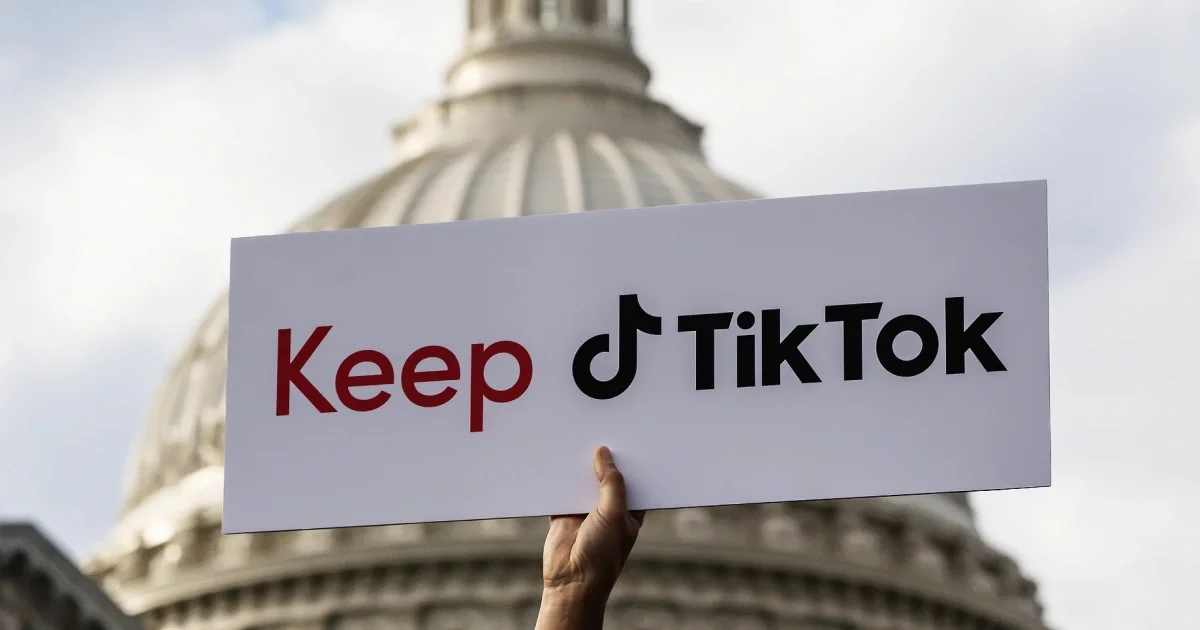
The future of TikTok in the US is uncertain as the Biden administration considers a ban due to security concerns with its Chinese owners. Congress could give the president the power to regulate or ban technology from China, or the administration could try to restrict or ban TikTok using its current legal authority. Alternatively, negotiations between the administration and TikTok could result in a written agreement that satisfies Biden, or a privacy law could be passed that would take some of the heat off TikTok. Finally, TikTok's US business could be sold or the courts could protect it.