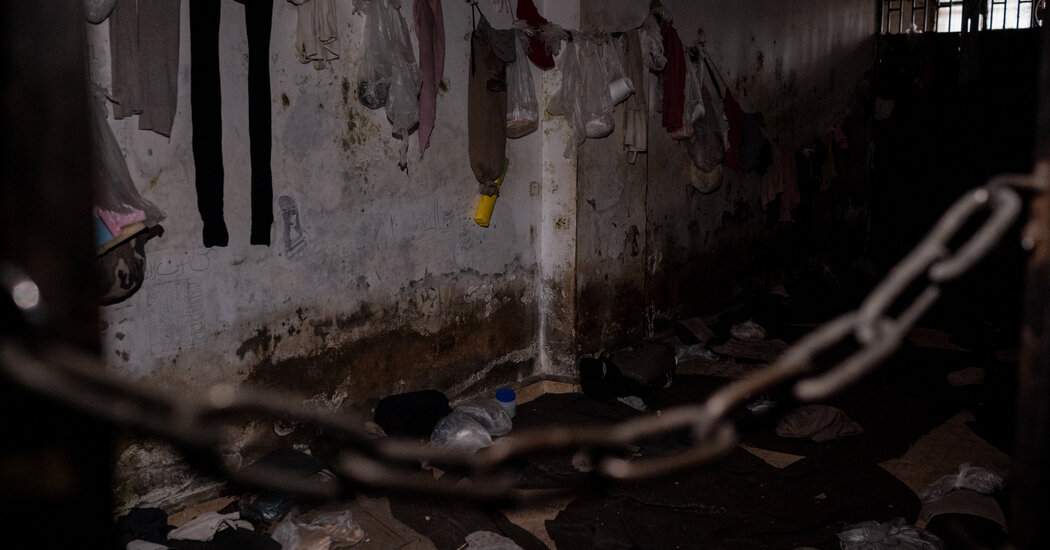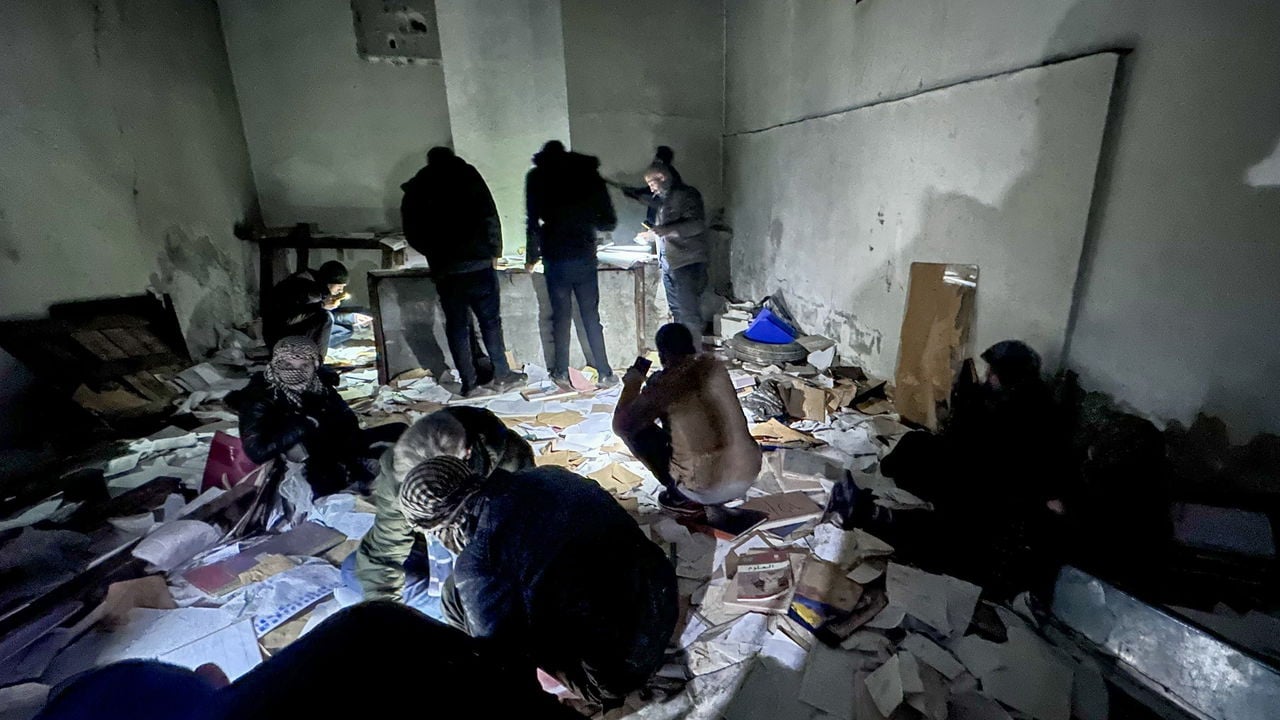
Following the departure of Bashar al-Assad, Syrians are actively searching prisons for any information about their missing loved ones, highlighting the ongoing human rights issues and the plight of families seeking closure after years of conflict.
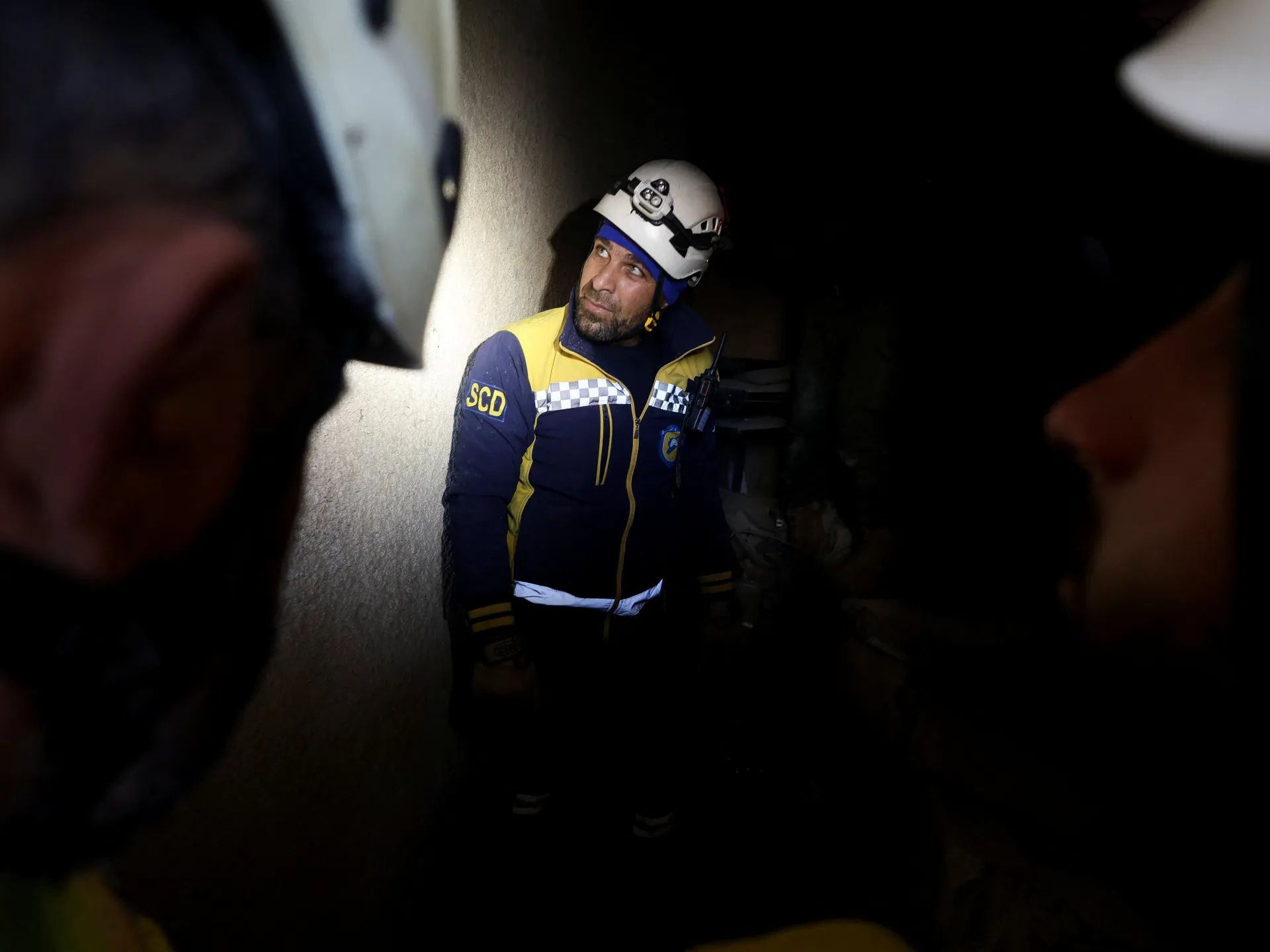
Thousands of prisoners remain unaccounted for in Syria's notorious prisons as families endure an emotional search for their loved ones, following President Bashar al-Assad's departure to Russia. This episode of The Take podcast explores the emotional toll on families and the ongoing struggle for answers, featuring insights from Syrian activist Wafa Ali Mustafa, journalist Justin Salhani, and White Helmets volunteer Ammar Alselmo.
Following the collapse of Bashar al-Assad's regime and his subsequent flight, Syrians are celebrating in the streets while desperately searching for loved ones lost in the dictator's prisons. The swift downfall was orchestrated by Abu Muhammad al-Jolani, an Islamist leader, whose offensive led to Assad's rapid overthrow.
Following Donald Trump's presidential election victory, financial markets experienced a significant rally, with Tesla, cryptocurrency, banks, and private prison operators emerging as major beneficiaries. Tesla's stock surged over 40% amid expectations of eased regulatory scrutiny, while Bitcoin hit new highs as Trump promised to support the crypto sector. Major banks saw double-digit gains due to anticipated deregulation, and private prison firms' shares soared over 70% on Trump's immigration policies. The dollar also strengthened, reflecting investor expectations of sustained higher interest rates.
Thousands of Ukrainian civilians abducted by Moscow are trapped in Russian-controlled prisons with no legal means to secure their release, enduring harsh conditions and torture.
A national study reveals that incarcerated people died almost three and a half times more frequently than the free population at the peak of the Covid-19 pandemic in 2020, with over 6,000 deaths reported. Despite a reduction in prison admissions, few releases were made, and older prisoners were particularly vulnerable. While some states took aggressive measures to mitigate the virus, others were less proactive. The federal government has not publicly released official statistics on deaths in correctional facilities, raising concerns about accountability and preparedness for future crises.
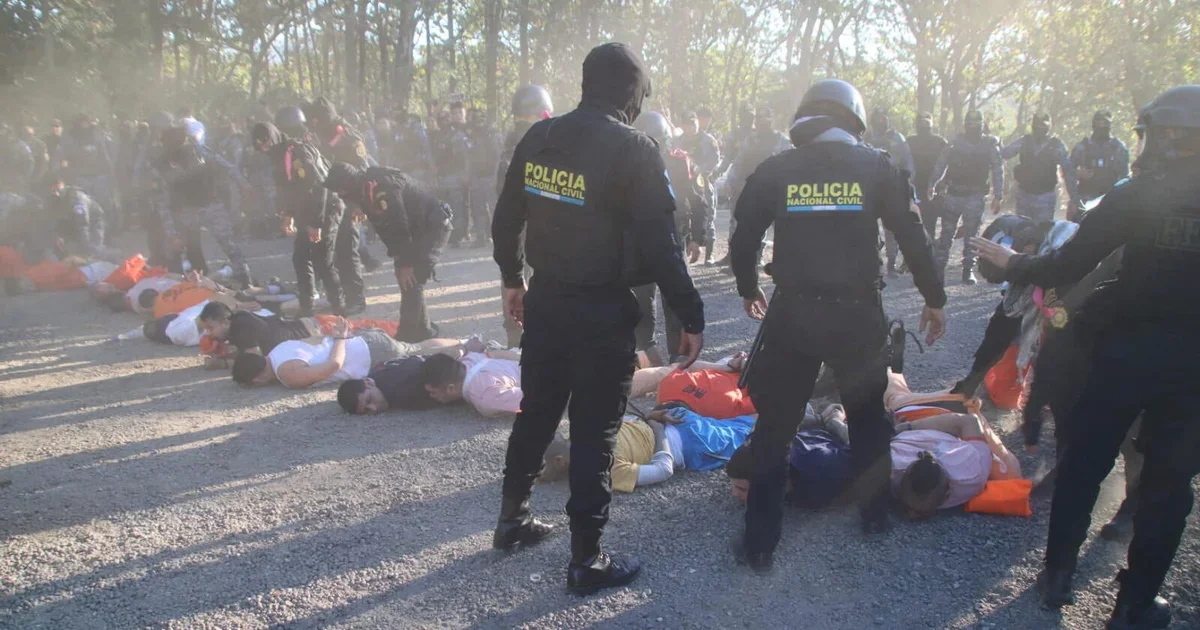
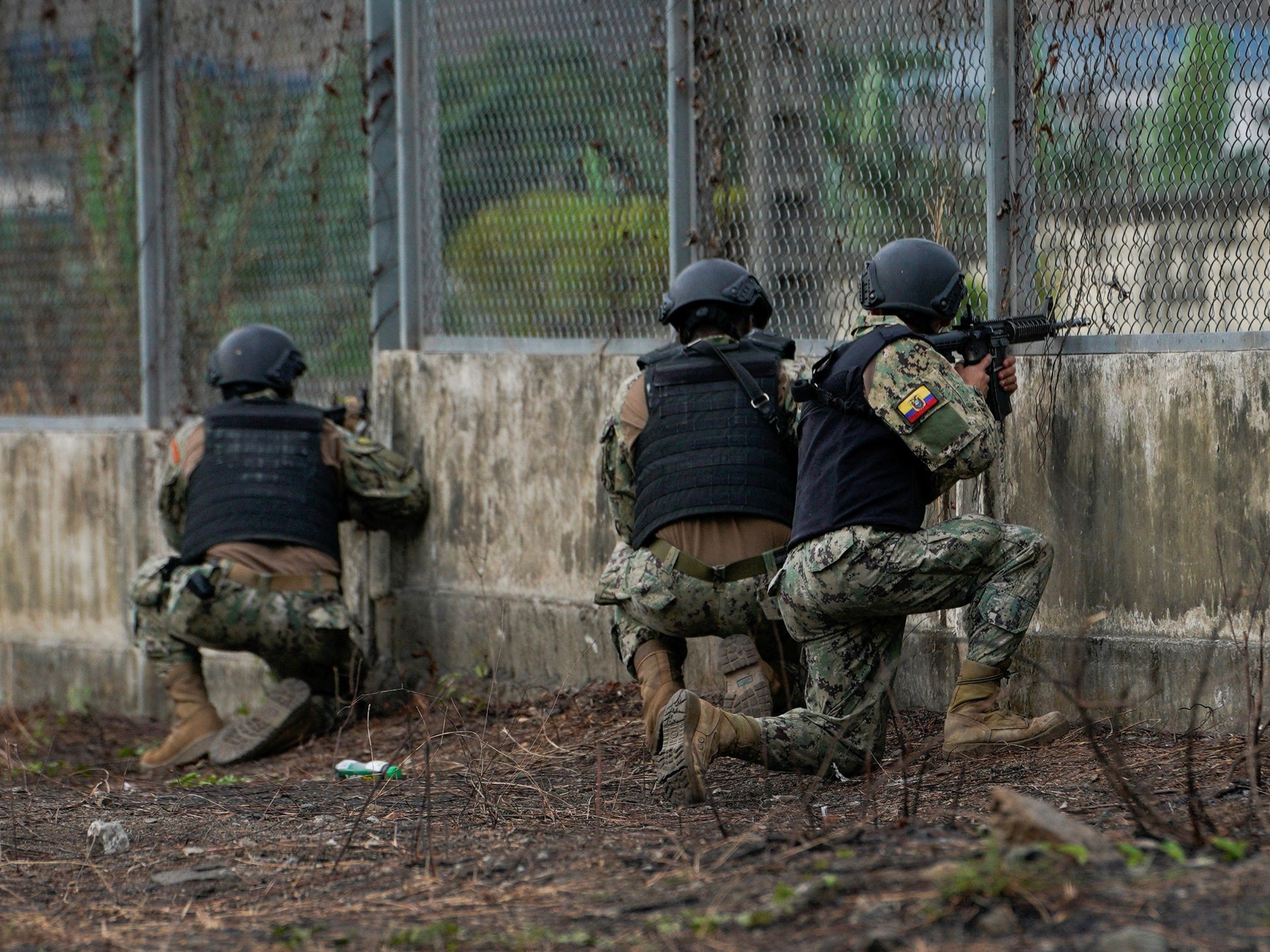
Ecuador experienced a series of car bombings in Quito and a province bordering Peru, as well as the hostage-taking of over 50 law enforcement officers in various prisons. These incidents come after the recent assassination of a presidential candidate. The explosions and hostage-taking are believed to be the response of criminal groups to measures taken by the country's corrections system, which has struggled to control large prisons. The violence is linked to power struggles between gangs involved in drug trafficking and territorial control. Ecuador has seen a significant increase in violence in recent years, with a record number of violent deaths reported in 2022.
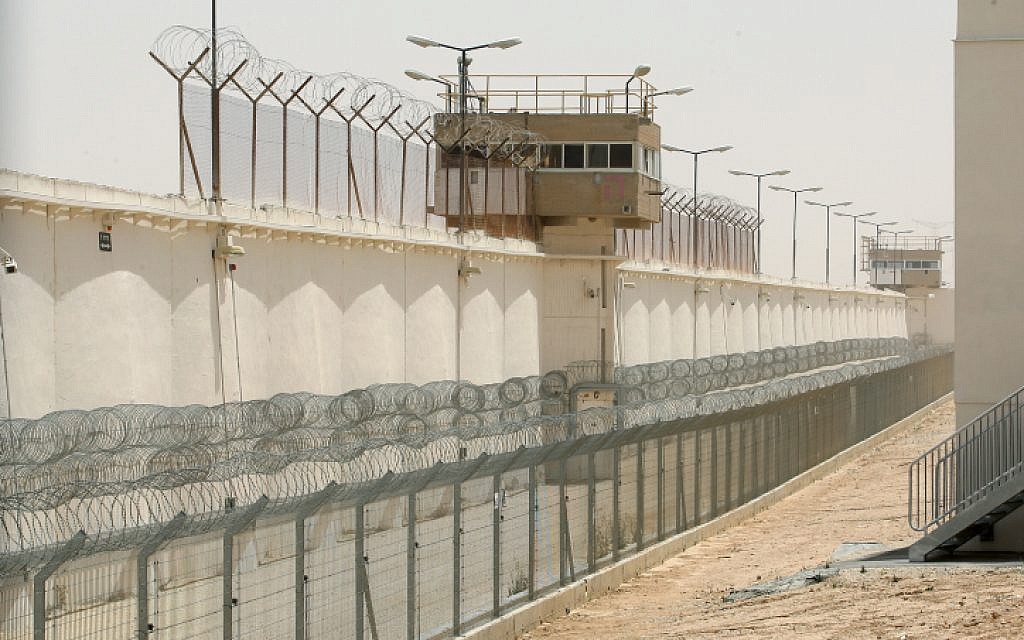
Riots broke out at Rimonim and Eshel prisons in Israel allegedly due to the isolation of Arab crime bosses. The Israel Prison Service intervened, sequestering suspected rioters and quelling the uprisings. At least three prisoners and several guards were injured. The riots were triggered by the refusal of a request by crime boss Qutaiyer Odeh to be released from restrictive incarceration. Nasser Hariri, another gangster, also joined the riots. Public Security Minister Itamar Ben Gvir supports the crackdown and is considering further sanctions against prisoners from crime families. The riots occurred amidst a violent turf war between crime syndicates in Arab cities, resulting in a high number of deaths.
Ecuador has declared a state of emergency in its prison system after a recent surge in violence and deadly clashes between rival groups. President Guillermo Lasso has ordered the military and police to take control of the prisons for 60 days. The state of emergency comes after a mayor was shot and killed, and clashes between gangs in the largest prison left at least 18 dead. In other prisons, inmates have taken guards hostage and launched hunger strikes to demand better conditions. Ecuador's prison system has long been a concern for human rights groups.
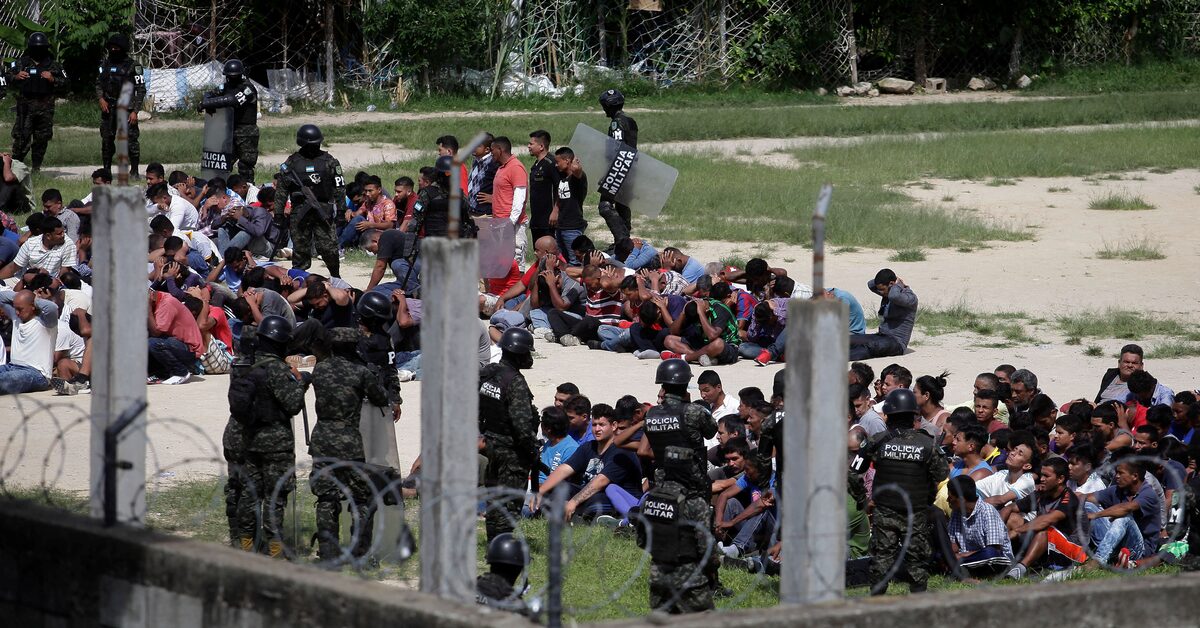
Honduras' military has taken control of the country's prisons following a gang dispute that left 46 inmates dead at a women's detention center last week. President Xiomara Castro announced she would hand the military police control of the prison system as her administration seeks to stop organized crime activity inside prisons. Some 20,000 inmates coexist in 26 overcrowded prisons, with a United Nations report saying that the country's prisons are 34.2% over capacity. Military police seized pistols, machine guns, ammunition, magazines and grenades from an area of the Tamara prison occupied by the Barrio 18 gang.
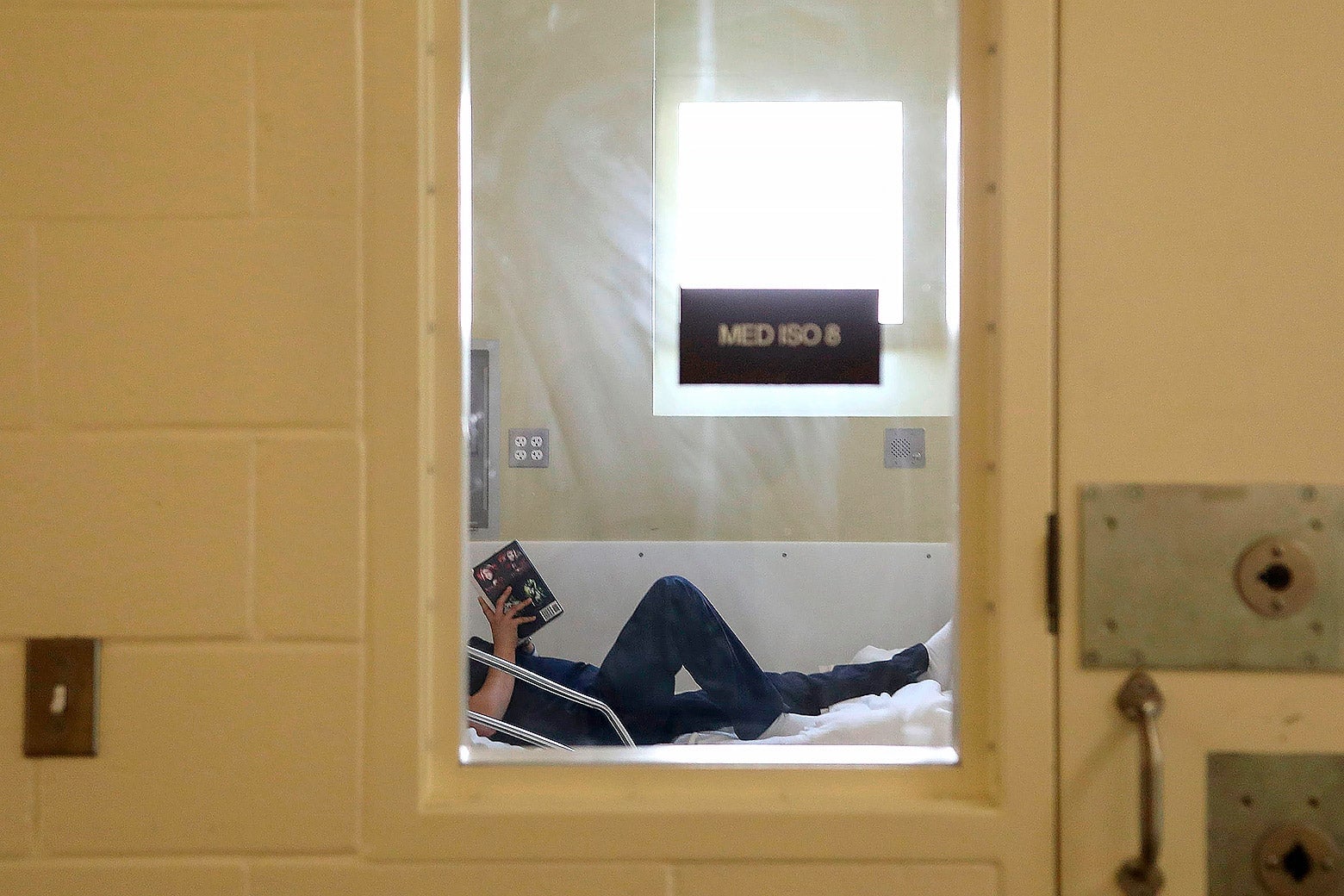
Prison officials treat COVID-19 like contraband, searching for it and punishing those found with it, leading prisoners to hide their symptoms and exacerbating the spread of the virus. COVID-19 is not treated as a medical condition in prisons, but rather as a disciplinary issue. Medical isolation, where COVID-positive prisoners are placed, is no different from punitive solitary confinement. Prisoners have pleaded for more humane conditions during medical isolation, but their requests have been ignored. It is time for prisons to adopt more compassionate COVID-19 responses.
The Biden administration is urging states to use Medicaid funds to cover opioid addiction treatment in correctional facilities, where many people suffer intense cravings and withdrawal. Under new guidance from the Centers for Medicare and Medicaid Services, states can ask the federal government to allow Medicaid to cover addiction treatment for up to 90 days ahead of someone’s release. Correctional facilities, where inmates disproportionately have opioid use disorder and often cannot find treatment during and after their incarceration, have claimed a spot on the forefront of the nation’s devastating overdose epidemic, which now kills more than 100,000 Americans each year.
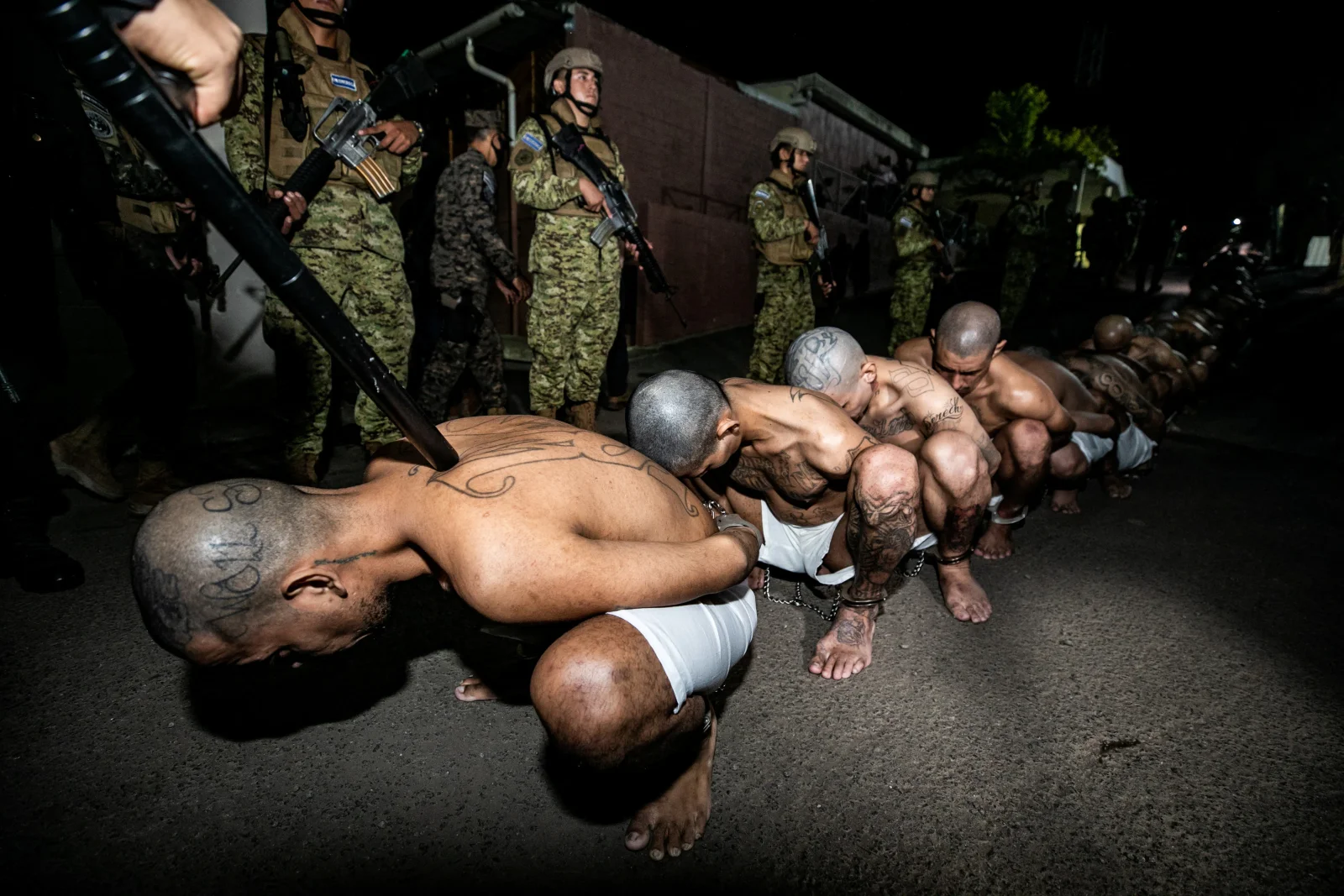
El Salvador has completed one year of its emergency anti-gang measure, which has led to the arrest of over 66,400 people, with 4,300 of them released. The crackdown has resulted in a drop in gang-related violence, but human rights groups have flagged over 5,800 suspected cases of rights violations and 111 deaths of those incarcerated. The government has suspended some rights, and police no longer need to inform the suspect why they are being arrested or to inform them of their rights. The conditions of Salvadorian prisons are notoriously poor, and a new mega-prison has been rolled out to hold up to 40,000 gang members.