Tag

Prime Editing

All articles tagged with #prime editing

science-and-technology1 year ago

"Is Prime Editing Ready for Mainstream Use?"

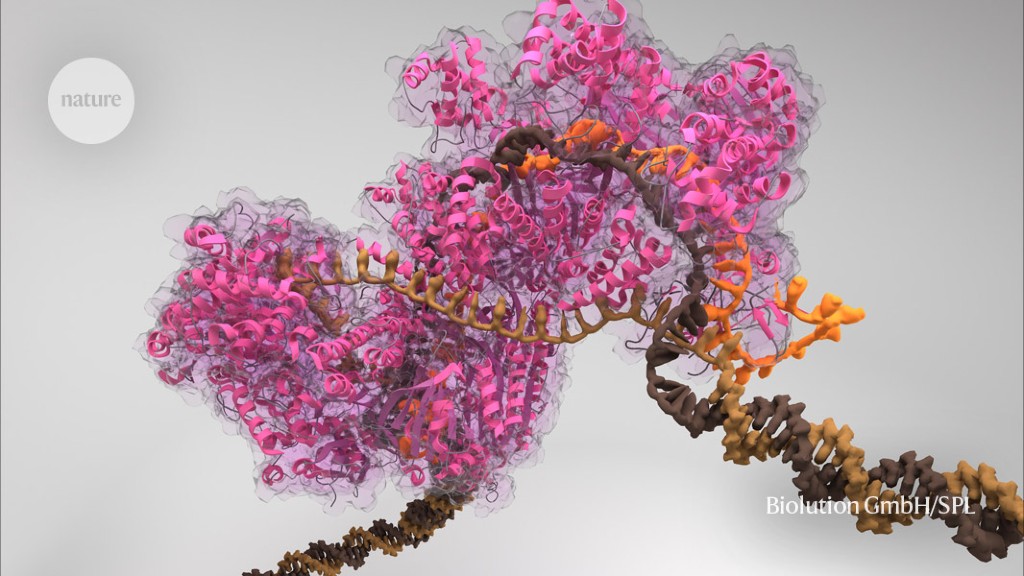
Prime editing, an advanced form of CRISPR/Cas9 technology, has received FDA approval for its first clinical trial by Prime Medicine to treat chronic granulomatous disease (CGD). This technology, which can correct up to 89% of known genetic variants, offers precise and versatile genome editing capabilities. While promising for treating various genetic disorders, challenges remain in terms of design, delivery, safety, and high manufacturing costs.

science-and-technology2 years ago

"Enhanced Gene Editing Restores Vision in Mice Using Virus-Like Particles"

Scientists at MIT and Harvard have developed a more effective method for gene editing using tiny, virus-like particles to carry prime editors into mouse cells, achieving a 170-fold improvement in the editing process. In tests on mice with genetic eye problems, they successfully corrected the mistakes and partially restored their vision, indicating a promising treatment for genetic disorders in living animals without unintended changes in the brain.

science-and-technology2 years ago

"Enhanced Gene Editing: Virus-Like Delivery System Restores Vision in Mice"

Researchers led by gene editing pioneer David Liu have developed virus-like particles (eVLPs) to deliver all the necessary components for prime editing, demonstrating its use in mice to deliver a gene editing therapy that partially restores vision. The study, published in Nature Biotechnology, showcases a non-infectious delivery system for prime editing, offering potential for therapeutic applications.

science-and-technology2 years ago

Advancements in CRISPR Technology Pave the Way for Clinical Trials and Precise Gene Targeting

Researchers are developing a new wave of CRISPR-based gene editing techniques that offer more precision and versatility than the original CRISPR-Cas9 system. These next-generation systems, such as base editing and prime editing, can change individual DNA bases, insert or delete small stretches of DNA, and alter the epigenome to regulate gene activity. Base editing therapies are already in early clinical trials, while prime editing is being enhanced for efficiency. The regulatory approval of classical CRISPR-Cas9 therapies paves the way for these advanced techniques, expanding the possibilities for treating genetic disorders and diseases.

science2 years ago

Prime Editing Successfully Alters Genes in Live Mice.

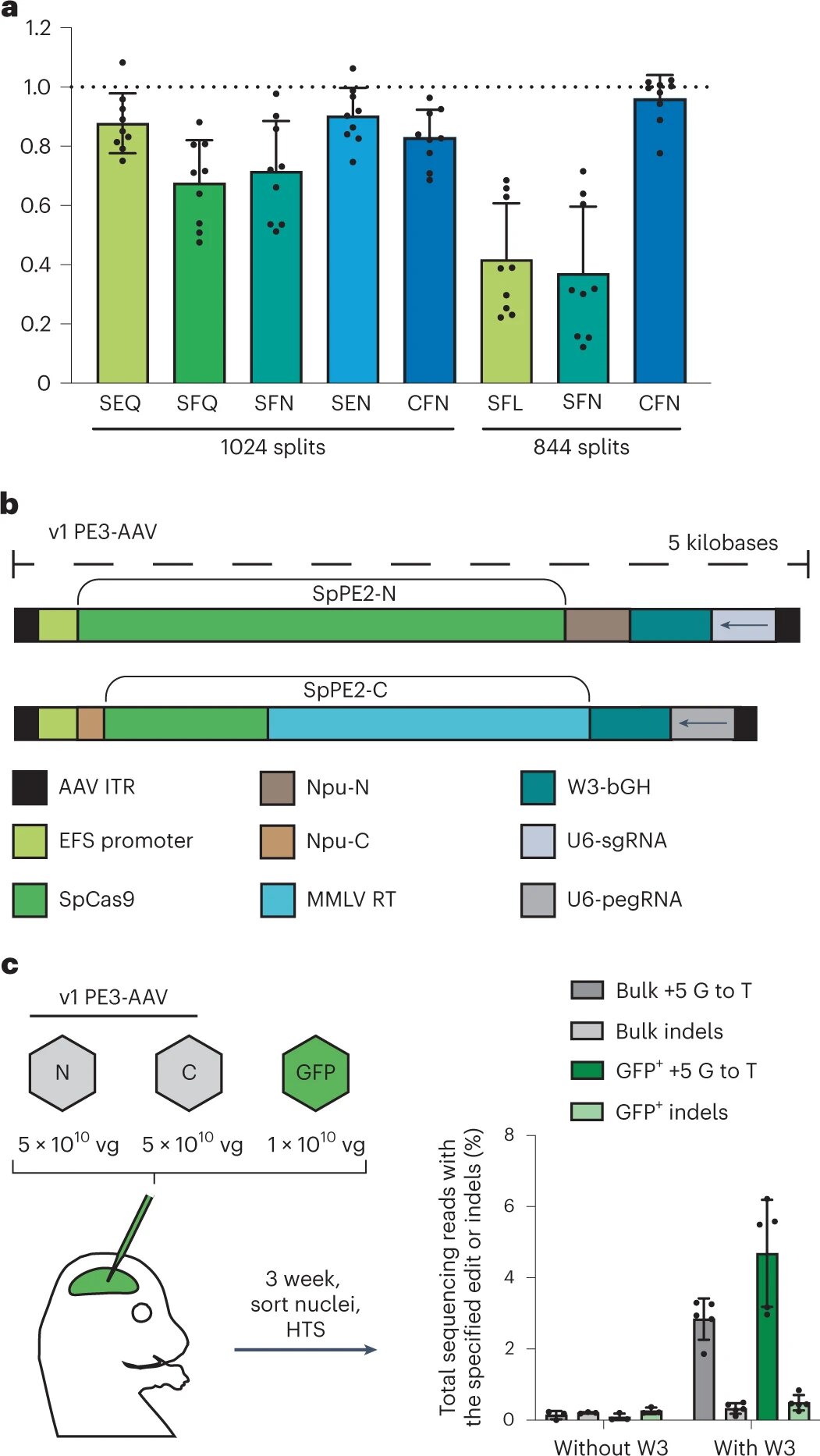
Harvard researchers have developed an optimized prime editing method that can alter genes in living mice, marking a major advance in gene editing for studying and treating genetic disorders. The researchers identified bottlenecks limiting the effectiveness of adeno-associated virus (AAV)-mediated prime editing in vivo and developed vectors with increased prime editing expression, RNA stability, and modulation of DNA repair. The resulting prototype for optimized prime editing, v3em PE-AAVs, achieved therapeutically relevant levels of prime editing in the mouse brain, liver, and heart with no detected off-target editing.

science-and-technology2 years ago

In Vivo Prime Editing Achieved with Dual AAVs.

Researchers have demonstrated high-efficiency, therapeutically-relevant prime editing in vivo in mice with a dual-AAV system, demonstrating prime editing in the mouse brain and liver by installing putative protective mutations in vivo for Alzheimer’s disease in astrocytes and for coronary artery disease in hepatocytes, respectively. The study opens the door to creating a wide variety of prime editing therapies, which will allow a much larger number of diseases and groups of patients to be addressed than has been before with editing technologies.