Tag

Preventative Treatment

All articles tagged with #preventative treatment

health1 year ago

Understanding Preventative Chemotherapy: A Comprehensive Overview

Princess Kate, also known as Catherine, Princess of Wales, revealed that she is undergoing "preventative chemotherapy" after a cancer diagnosis following major abdominal surgery. This type of chemotherapy, also known as adjuvant therapy, is used to prevent cancer from returning after surgical removal of a cancerous mass. While the term "preventative chemotherapy" is not commonly used by doctors, it is a crucial part of cancer treatment. Princess Kate's case highlights the importance of early detection and access to top medical care, serving as a reminder for others to prioritize cancer screening.


health1 year ago

"Revolutionary Breakthrough: Scientists Discover Solution for 'Angelina Jolie' Cancer Genes in Women"

Scientists have discovered a potential breakthrough for women carrying faulty BRCA genes, which significantly increase the risk of breast and ovarian cancer. By revving up the immune system with drugs typically used in late-stage breast cancer, researchers believe they can prevent the need for mastectomies in these high-risk individuals. This discovery offers hope for a preventative treatment option beyond surgery, potentially benefiting thousands of women worldwide. Further research and clinical trials are needed to determine the safety and effectiveness of this approach.

health1 year ago

"New Drug Offers Hope for Breast Cancer Prevention in Women with 'Angelina Jolie Gene'"

A University of Cambridge study suggests that prescribing existing drugs to healthy women with faulty BRCA1 and BRCA2 genes, which increase the risk of developing breast cancer, could prevent the disease by targeting exhausted immune cells. This breakthrough could potentially reduce the need for mastectomies and provide a preventative treatment option. The study's Human Breast Cell Atlas identified these exhausted immune cells, opening up possibilities for using immunotherapy drugs preventatively. Further research and clinical trials are needed to confirm the effectiveness of this approach.

health1 year ago

"Reviving Exhausted Immune Cells: A Breakthrough in Preventing Breast Cancer"

A study suggests that "exhausted" immune cells in the breast tissue of women with faulty BRCA1 or BRCA2 genes could be the key to preventing breast cancer before it develops. Existing drugs, typically used for late-stage disease, may be repurposed for preventative treatment. The study offers hope for using immunotherapy drugs to prevent breast cancer in high-risk individuals, potentially eliminating the need for surgery. This discovery could be a significant step forward in the care and treatment of people at increased risk of developing breast cancer.

health1 year ago

Understanding Preventative Chemotherapy: Mechanisms and Benefits

The Princess of Wales has revealed that she is undergoing chemotherapy for cancer. Chemotherapy can be used as curative, adjuvant, or neoadjuvant treatment to prevent cancer recurrence or improve the success of other interventions like surgery. It works by killing cancer cells and reducing the risk of spread, but can have side effects such as fatigue, nausea, and anaemia. The duration and intensity of chemotherapy depend on the type of cancer and the patient's response.

health-research1 year ago

"UAMS Research Team's Breakthrough: Promising Drug Uncovered to Prevent Alzheimer's"

A research team at the University of Arkansas for Medical Sciences has discovered a drug, CBA2, that could prevent Alzheimer's disease by targeting the ApoE4 protein, a main cause of the disease. The drug, developed after years of research, has the potential to reduce the risk of developing Alzheimer's for those with genetic predisposition. While still in preclinical stages, the team has secured a provisional patent and is working towards further testing and development with the support of a $2.35 million grant from the National Institutes of Health.

health1 year ago

"Raising Awareness: Women Going Red to Fight Heart Disease"

National Wear Red Day supports Go Red For Women, shedding light on the growing issue of heart disease in women, with cardiovascular disease being the leading cause of death among women in the United States. Dr. Indu Poornima emphasizes the importance of proactive measures such as regular health assessments, monitoring blood pressure, sugar, cholesterol, physical activity, diet, sleep, and knowing family history to prevent cardiovascular disease, which is entirely preventable. Men are encouraged to support the women in their lives in getting their cardiovascular health assessed, and it's noted that black women are more susceptible to heart disease, with over 300,000 women across all races succumbing to cardiovascular disease annually.

health2 years ago

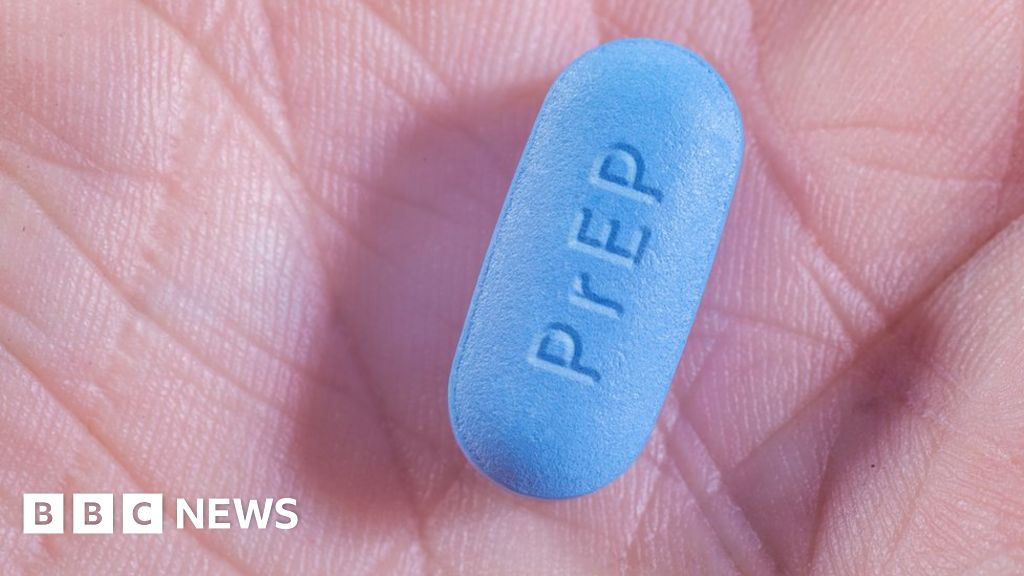
"Study Confirms PrEP as Highly Effective HIV Prevention Drug"

A study of 24,000 people in England has confirmed that PrEP (pre-exposure prophylaxis), a drug that prevents HIV infection, is highly effective as a real-world preventative treatment. The study, conducted at sexual health clinics across England, found that PrEP reduced the chances of getting HIV by 86%. The results have been described as "reassuring" and highlight the need for easier access to the drug, particularly among women and minority groups. The UK Health Security Agency (UKHSA) believes that increasing the uptake of PrEP will help achieve the government's goal of zero HIV transmissions by 2030.

health2 years ago

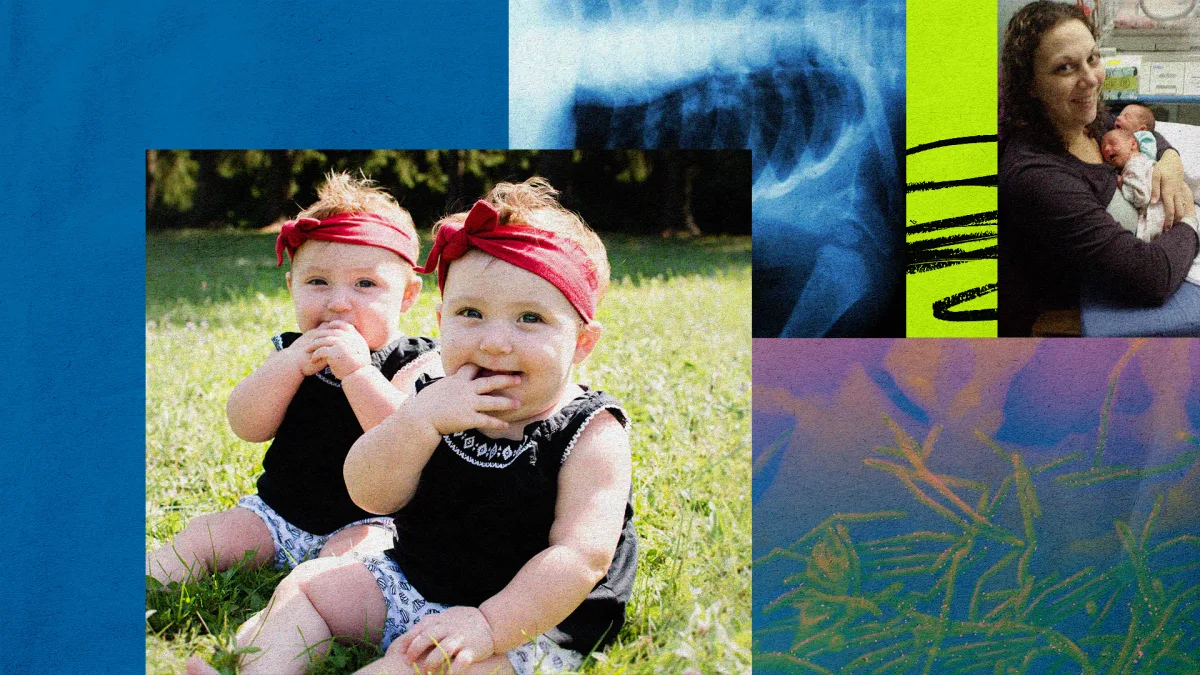
"Mom's Pre-Birth Decision Leads to Twins' Breakthrough in RSV Drug Trial"

Cheryl Meany enrolled her twins in a clinical trial for a new RSV treatment called Beyfortus while they were still in the womb. The drug, which delivers long-acting antibodies, was recently approved by the FDA to help protect young children against respiratory syncytial virus. Meany's decision was influenced by the fact that her twins were likely to be born premature, putting them at risk for severe complications from RSV. The clinical trial was successful, and Meany encourages other parents to consider enrolling their children in clinical trials to help advance medical research and potentially save lives.