Tag

Brca Genes

All articles tagged with #brca genes

health1 year ago

Oncologist's Take: Are At-Home Genetic Tests Worth It?

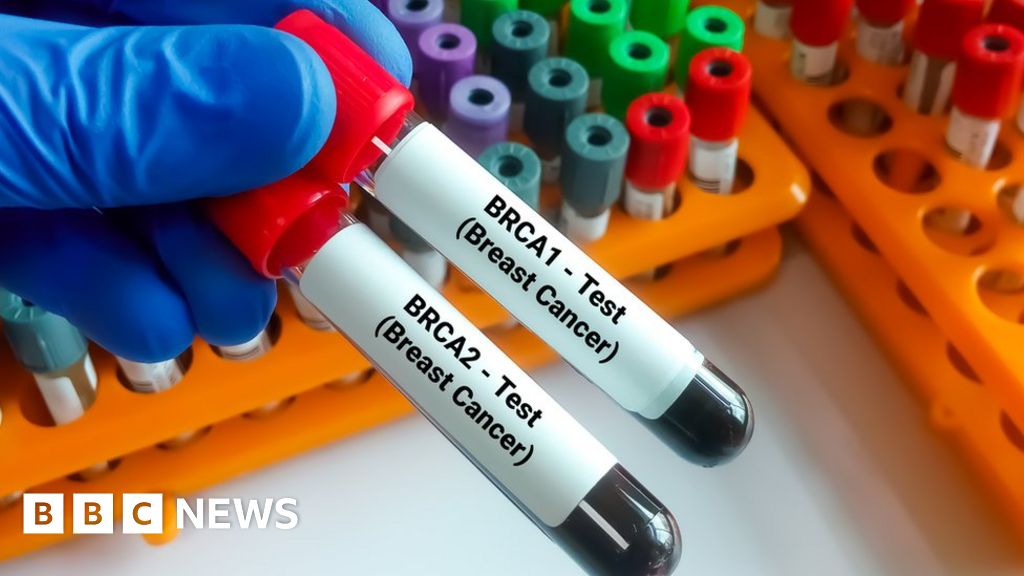
At-home genetic tests for cancer risk can provide insights into inherited genetic mutations linked to certain cancers, but they have limitations. Only 5-10% of cancers are associated with inherited variants, and commercial tests often detect a limited range of mutations. It's advisable to consult a doctor for comprehensive screening if there's a family history of cancer. Consider the emotional and practical implications of test results, as they may not always influence treatment decisions. Additionally, genetic mutations can occur with age, increasing cancer risk, but interventions are available to mitigate this risk.

health1 year ago

New Genes and Tools Enhance Breast Cancer Risk Assessment

A new study has identified 80 gene variants that may increase the risk of breast cancer, with 70 previously unknown. These variants were found in families with a high incidence of breast cancer but no known genetic causes. The study highlights the role of genes involved in fatty acid metabolism, suggesting that breast cancer cells may exploit these pathways for energy. The findings could lead to more inclusive genetic testing and targeted treatments. The research emphasizes the need for further lab experiments to confirm these predictions.

health1 year ago

"Revolutionary Breakthrough: Scientists Discover Solution for 'Angelina Jolie' Cancer Genes in Women"

Scientists have discovered a potential breakthrough for women carrying faulty BRCA genes, which significantly increase the risk of breast and ovarian cancer. By revving up the immune system with drugs typically used in late-stage breast cancer, researchers believe they can prevent the need for mastectomies in these high-risk individuals. This discovery offers hope for a preventative treatment option beyond surgery, potentially benefiting thousands of women worldwide. Further research and clinical trials are needed to determine the safety and effectiveness of this approach.

health1 year ago

"NHS Offers Free BRCA Testing to People of Jewish Descent in England"

Rabbi Yair Hoffman advocates for a tweak to the Kallah teacher curriculum to include recommendations for women to be tested for BRCA mutations upon the first birthday of their first child or by age 25 after marriage, and to opt for bilateral oophorectomy surgery at age 35 if they test positive, based on recent studies showing an 80% lower risk of ovarian cancer and a 77% reduction in all-cause mortality for women with BRCA mutations who undergo the surgery. This recommendation is based on the biblical imperative to safeguard and ensure personal health and safety, and should be brought to rabbinic authorities for investigation and determination.

health1 year ago

"Jewish Community to Receive BRCA Tests for Cancer Risk Detection"

The NHS in England is launching a genetic testing program to offer BRCA gene tests to people with Jewish ancestry, who are at a higher risk of inheriting faulty BRCA genes linked to breast, ovarian, prostate, and pancreatic cancer. Those found to have defective BRCA genes will receive early access to cancer detection services and may be offered preventative surgery or medication. The program aims to test 30,000 people over the next two years and has the potential to save lives by detecting cancer early and providing necessary support.

health2 years ago

"Pioneering Drug Gives Hope to Cancer Patients with Inoperable Tumors"

A new drug called Olaparib has been approved for NHS use in treating breast and prostate cancer caused by inherited faulty BRCA-1 or BRCA-2 genes. The drug was previously available for women with advanced ovarian cancer. Sue Vincent, who joined a clinical trial for Olaparib after being told her ovarian cancer was inoperable, has been taking the drug since 2010 and her recent scans show no evidence of the disease. She credits the drug for giving her a quality of life she could only have dreamed about and is "delighted" it will be available for more patients.