Originally Published 2 months ago — by Hacker News
The article discusses how media coverage of causes of death is biased towards sensational and recent events, often ignoring the fact that most deaths are due to natural aging and chronic illnesses like heart disease and cancer, which are largely preventable. It emphasizes that news tends to highlight unusual, shocking, or 'undeserved' deaths, skewing public perception of risk, and criticizes the focus on sensationalism driven by profit motives rather than informative accuracy.
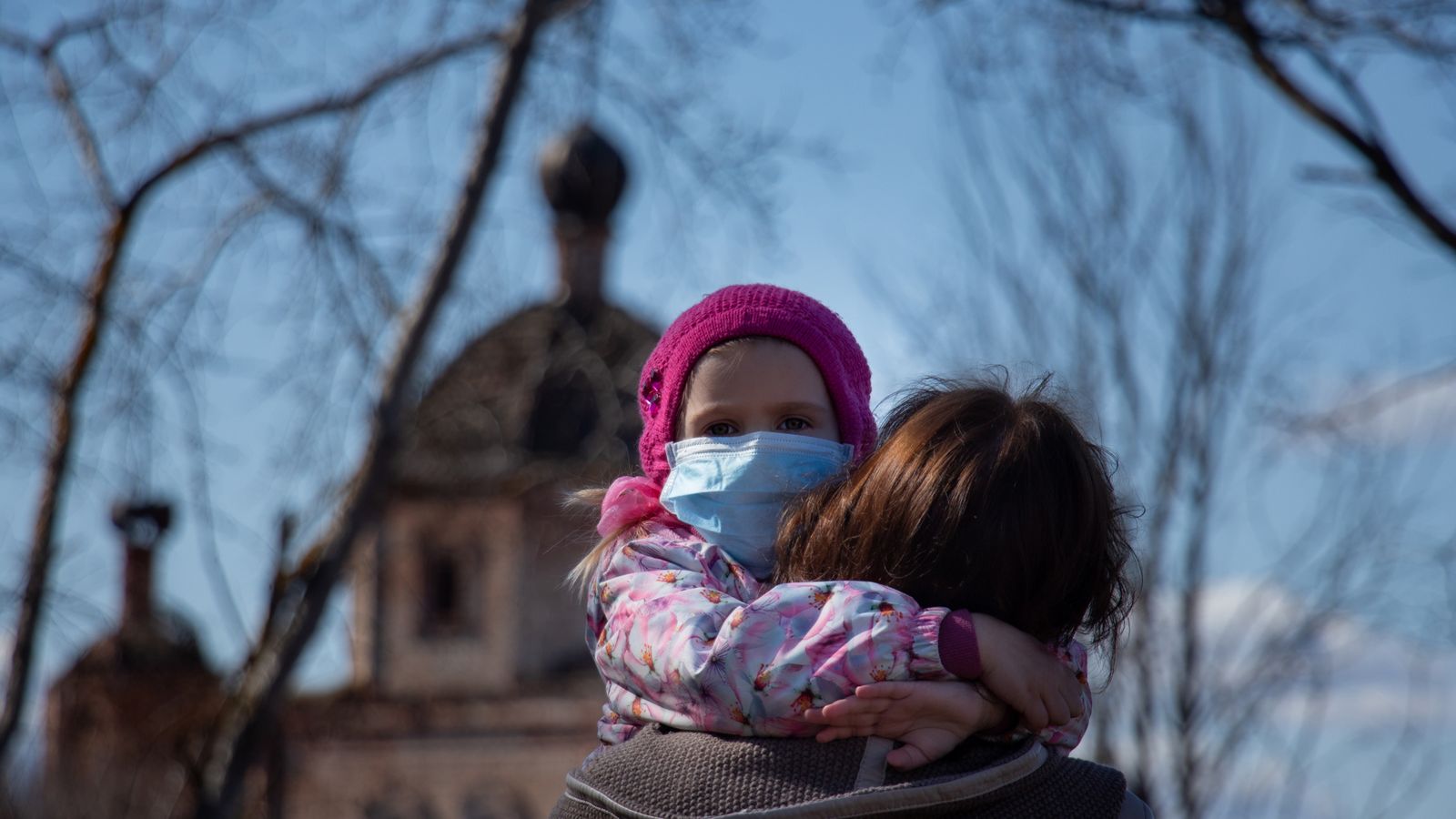
The US child mortality rate has increased by 25% over the past decade, with disparities linked to systemic issues like healthcare access, socioeconomic inequality, and environmental hazards, worsened by the COVID-19 pandemic, highlighting the need for societal restructuring based on social needs rather than profit.
A new study published in JAMA Internal Medicine suggests that pregnancy complications, such as gestational diabetes and preeclampsia, may be linked to an increased risk of early death even decades after giving birth. The study, which analyzed data on over 2 million women in Sweden, found that women who experienced major pregnancy complications had a higher mortality risk for more than 40 years after delivery. The research highlights the importance of identifying high-risk women during pregnancy and providing early interventions to protect their long-term health. The study also emphasizes the need for close follow-up with primary care doctors and lifestyle interventions to lower the risk of pregnancy complications and improve overall health.
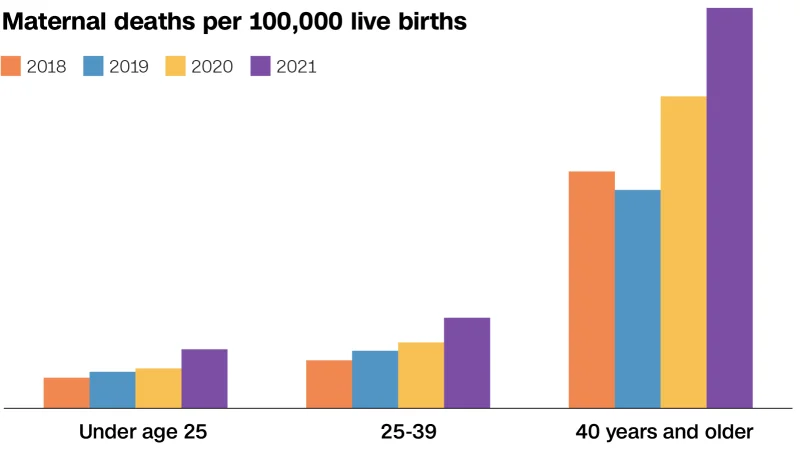
A study published in the American Journal of Preventive Medicine revealed a significant increase in the U.S. maternal mortality rate (MMR) from 2014 to 2021, with a rapid spike after 2019. Changes in age distribution accounted for a portion of the increase, with significant rises in age-specific MMR components for women aged 25 to 34. The authors emphasized the preventable nature of maternal deaths and called for better national infrastructure and surveillance programs to address the root causes of the maternal health crisis.
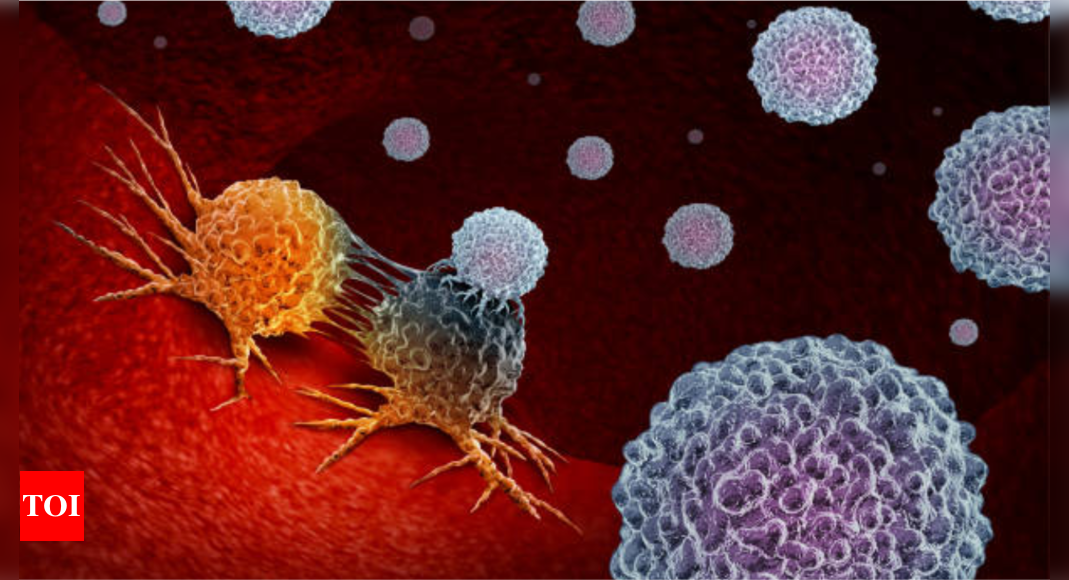
A global study on 36 types of cancer has found that approximately 70% of premature cancer deaths in 2020 were preventable through primary or secondary intervention, while 30% were treatable with curative treatment. The study highlights the under-recognition of cancer burden in women due to risk factors such as tobacco, alcohol, obesity, and infections. It suggests that 1.5 million premature cancer deaths in women could be prevented each year through the elimination of key risk factors or early detection, and an additional 0.8 million lives could be saved if all women had access to optimal cancer care. The study emphasizes the need for greater understanding of cancer risk factors in women and addresses gender inequalities that hinder women's ability to seek timely diagnosis and quality cancer care.
Nearly half of adults with hypertension, or high blood pressure, are unaware they have the condition, according to a report by the World Health Organization (WHO). Hypertension is the leading risk factor for early death, causing an estimated 10 million deaths annually. The number of people with high blood pressure has doubled to 1.3 billion in 2019, and health officials expect this number to rise further. If half of those with hypertension had the condition under control, 76 million deaths could be prevented by 2050. Treatment for hypertension is effective and low-cost, but it remains neglected, resulting in preventable deaths and cardiovascular events.
A presidential panel has released a report emphasizing the need to prioritize patient safety, as preventable medical errors continue to cause thousands of deaths annually. The report outlines recommendations such as establishing federal leadership, implementing evidence-based approaches, partnering with affected communities, and promoting the development of new technologies. The panel aims to address the overlooked issue of patient safety and improve healthcare systems to prevent catastrophic errors. The report also highlights the importance of health equity and involving patients and their families in discussions about patient safety.
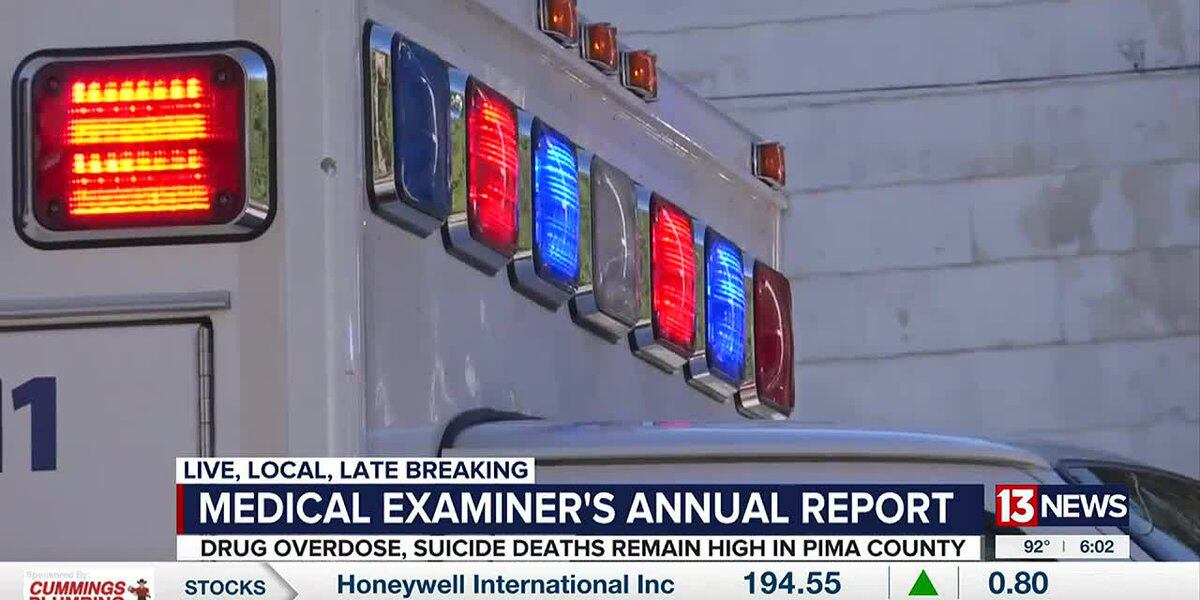
The Pima County Medical Examiner has released the annual death report, which shows that drug overdoses are the biggest category of preventable deaths, with fentanyl being the leading cause. However, there has been progress in preventing overdose deaths among teenagers. Suicides were up significantly in most age groups, especially among those 70 years of age and older, likely linked to the lingering effects of the pandemic. The number of pedestrians killed jumped by nearly 30%, and the number of people who died from heat-related illnesses nearly tripled year to year.
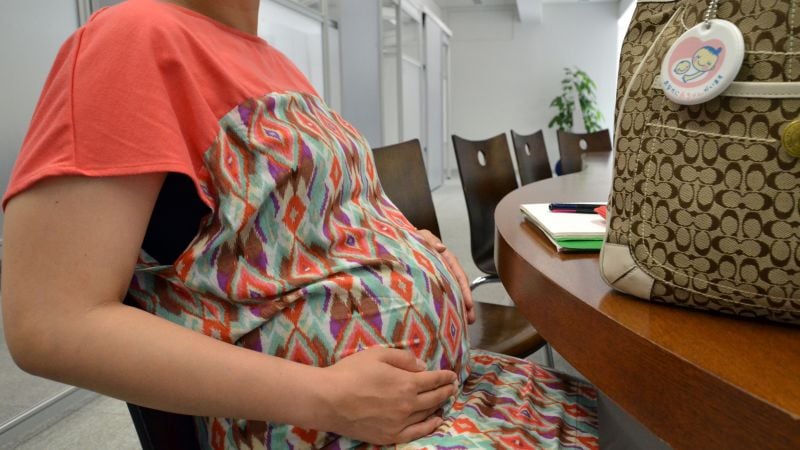
The maternal death rate in the US rose significantly in 2021, with rates among Black women more than twice as high as those of White women, according to new federal data. Experts say the ongoing maternal mortality crisis was compounded by COVID-19, which led to a "dramatic" increase in deaths. The US has the highest maternal death rate of any developed nation, with about 4 out of 5 pregnancy deaths being preventable. Health officials stress that people who are pregnant should get vaccinated against COVID-19 and that doing so offers protection for both the mother and the baby.
Maternal death rates surged by nearly 40% during the second year of the pandemic, with Black women facing alarmingly high, disproportionate rates, according to a new federal analysis. Most maternal deaths are preventable, and the sobering rates continue to reveal deep flaws in health systems, such as structural racism, implicit bias, and communities losing access to care. COVID-19 likely contributed to the increases, but the disappearing maternal health care, coupled with the pandemic, exacerbates the problem for people who are already at high-risk.
The U.S. had one of the worst rates of maternal mortality in 2021, with 1,205 people dying of maternal causes, a 40% increase from the previous year, according to a new report from the Centers for Disease Control and Prevention. The increase in maternal mortality is linked to the COVID-19 pandemic, and 84% of pregnancy-related deaths in the U.S. were preventable. The maternal death rate among Black Americans is much higher than other racial groups, and social factors, not biological ones, fuel the racial gap. Efforts are being made to prevent maternal deaths and reduce racial disparities, but change takes time.