Colombia has expelled Argentinian diplomats after President Milei made denigrating comments about Colombian President Petro, calling him a "terrorist", "murderer", and "communist". This comes after a similar incident in January, when Colombia recalled its ambassador to Argentina over similar remarks. The deteriorating relations stem from Milei's abrasive style of politics and his controversial statements, which have drawn comparisons to former US President Donald Trump.
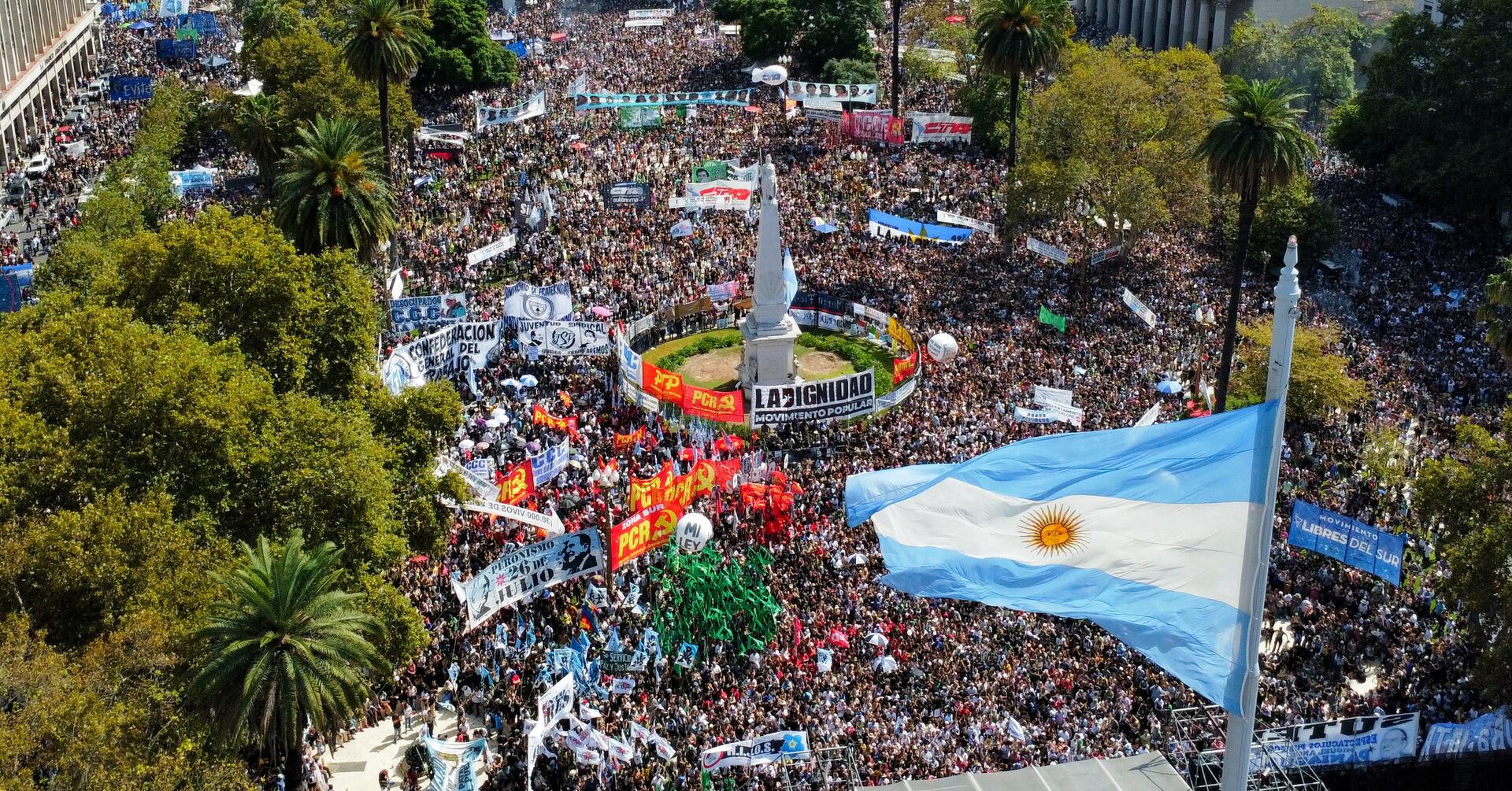
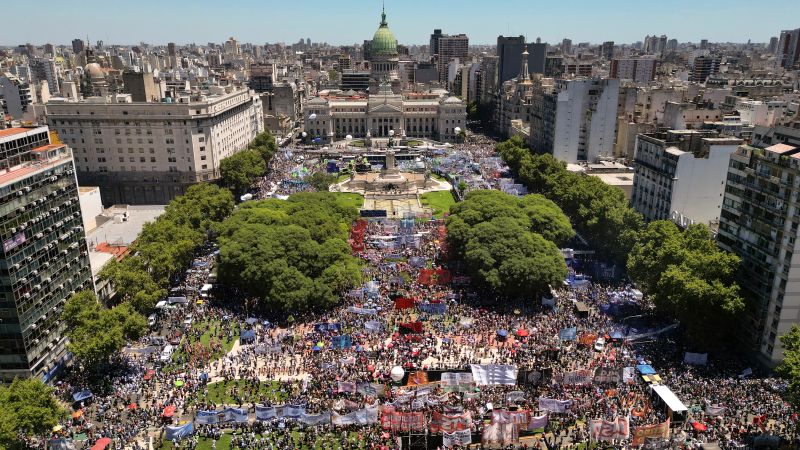
Thousands of Argentines commemorated the 48th anniversary of the 1976 military coup, remembering the widespread repression, torture, and disappearances that occurred during the dictatorship. President Javier Milei, accused of downplaying atrocities, released a video questioning the figure of 30,000 disappeared and focusing on victims of attacks by a communist group prior to the dictatorship. Human rights groups are demanding a law to penalize dictatorship deniers and urging Milei to change his stance on the issue.
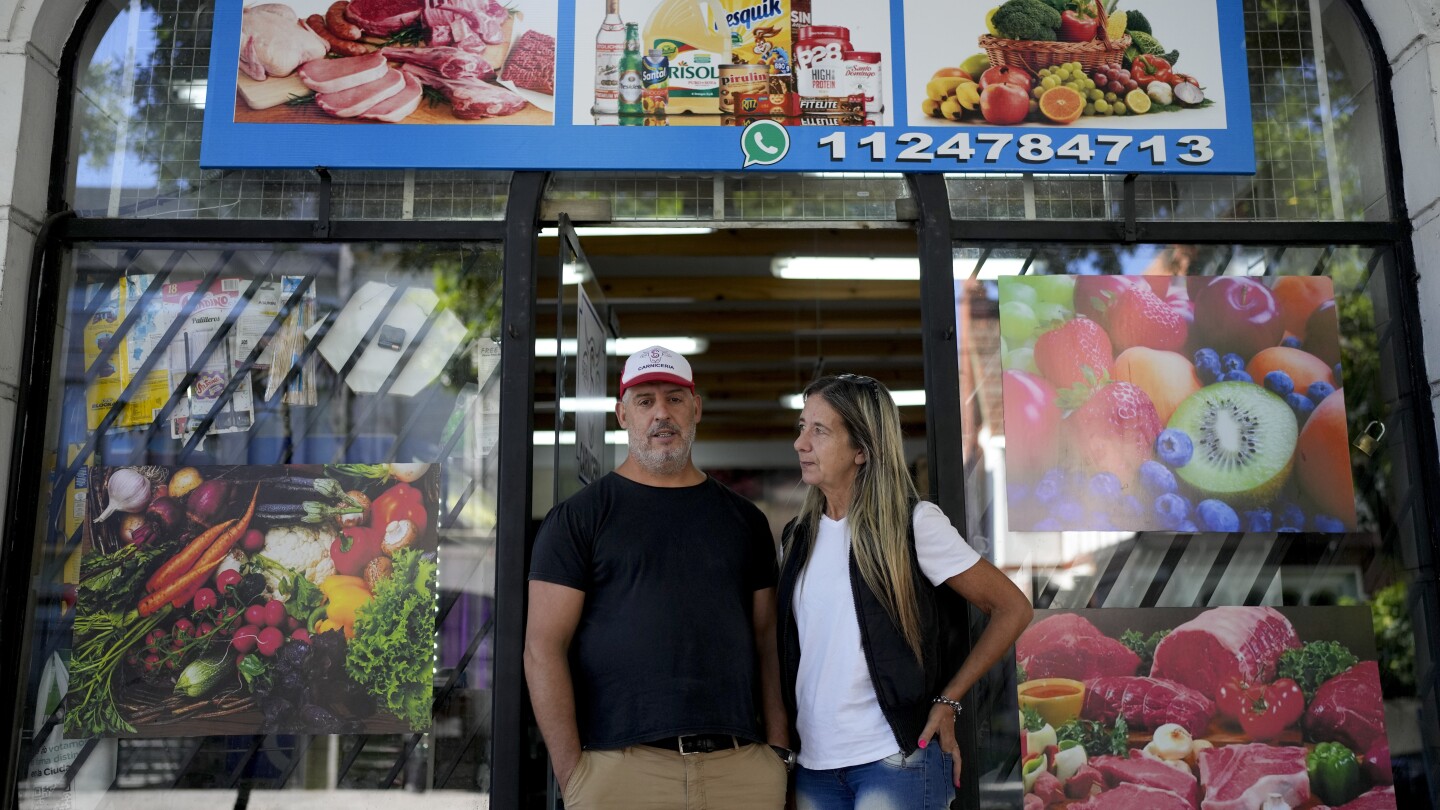
Argentines are feeling the impact of President Milei's austerity and deregulation measures, with many struggling to make ends meet due to soaring inflation and reduced subsidies. Despite widespread economic hardship, support for Milei remains high, with 43% approval overall and 75% among his voters. While some believe his measures will improve the country's economic situation, others, like small business owners and low-income individuals, are facing dire circumstances, with some resorting to drastic measures to survive.
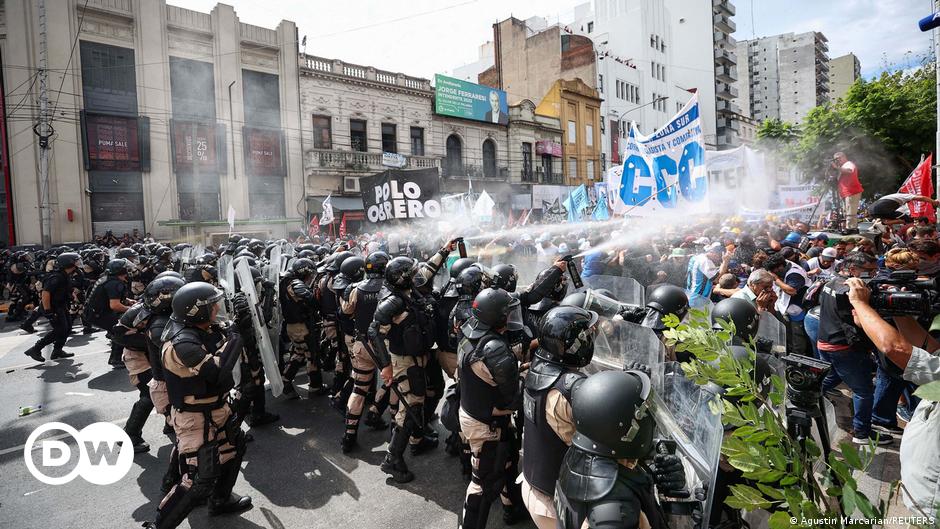
Riot police in Argentina clashed with anti-austerity protesters as they blocked key roads into Buenos Aires, leading to injuries among officers and demonstrators. The protests were called by various social movements in response to severe cuts to social services and subsidies imposed by ultra-libertarian President Javier Milei, who aims to combat the country's acute economic crisis. Milei's measures, including drastic public spending cuts, have sparked resistance and criticism, with concerns about the impact on the population and questions about governance.
Argentina's inflation slowed to 13.2% in February, marking a second consecutive monthly decrease, but remains at a three-decade high on a yearly basis. President Javier Milei's austerity and deregulation measures, including a 50% currency devaluation and subsidy eliminations, aim to combat hyperinflation and revive the struggling economy, despite warnings of initial negative impacts on employment and poverty levels.
Argentine President Javier Milei, who has been critical of Pope Francis in the past, is set to meet with the pontiff during a religious ceremony at the Vatican. Despite their differing views, they are expected to discuss issues such as the unity of Argentines and the impact of reforms on the vulnerable population in Argentina. Milei's visit to Rome also includes meetings with Italian Prime Minister Giorgia Meloni and President Sergio Mattarella, following his recent visit to Israel where he announced plans to shift Argentina's embassy to Jerusalem.
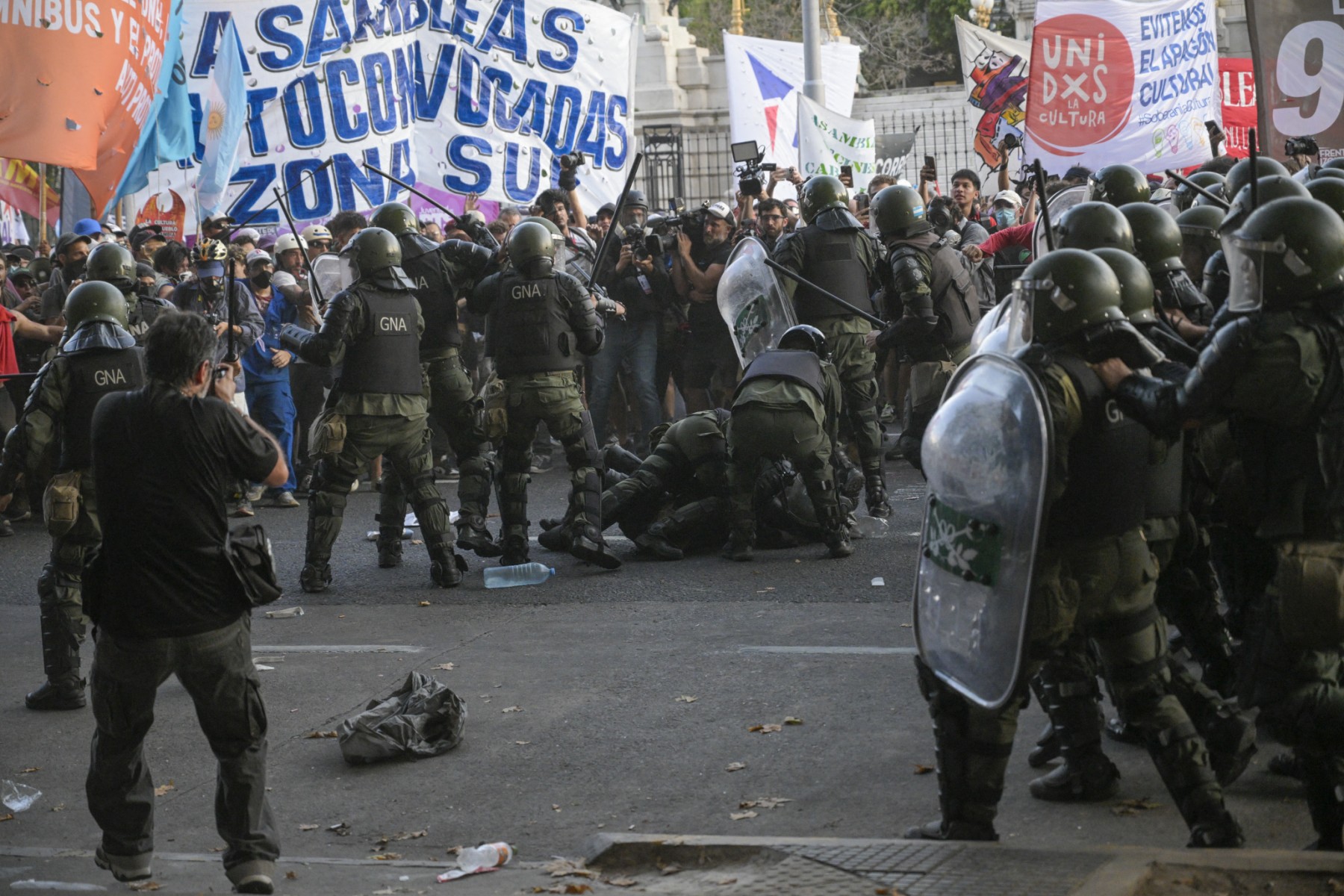
Police in Argentina clashed with protesters outside Congress in Buenos Aires as lawmakers debated President Milei’s omnibus reform bill, leading to injuries, arrests, and clashes with journalists. The bill, part of Milei’s efforts to address the country’s economic crisis, has sparked widespread opposition and protests, reflecting the challenges ahead for the president in implementing his sweeping reforms.
Argentina's new conservative president, Javier Milei, is taking a hard line on returning the country to capitalism, vowing to sell off state companies, change the currency to the U.S. dollar, and close the Central Bank. He emphasized the need for investments to accompany fiscal adjustments and expressed a commitment to privatization as quickly as possible. Milei stated that there is no plan B and that Argentina must do things right without compromise.
Argentine labor unions initiated a nationwide general strike against President Javier Milei's austerity policies and deregulation efforts, leading to transport disruptions and protests in Buenos Aires. The strike opposes Milei's public spending cuts and deregulation program, with the General Confederation of Labor and social movements leading the opposition. Milei, a self-declared "anarcho-capitalist," aims to tackle hyperinflation and overhaul the country's economy, but his measures have sparked widespread discontent and demonstrations.
Argentina's president, Javier Milei, criticized global elites at the World Economic Forum for promoting a socialist agenda that he believes leads to poverty, advocating for free enterprise capitalism as the solution. His outspoken speech garnered praise from conservatives and went viral on social media. Milei, known for his plans to reform Argentina's economy, also met with the IMF chief to discuss the country's economic crisis and its IMF program.
Argentina's new far-right president, Javier Milei, has announced a shock therapy approach to fix the country's economic crisis, including devaluing the peso by over 50% against the US dollar, cutting subsidies, canceling public works tenders, and reducing government ministries. The government plans to double social spending for the poorest to help them cope with the economic shock. While the International Monetary Fund supports the measures, progressive activists criticize the austerity measures, warning of social unrest. Milei argues that harsh austerity is necessary to tackle the fiscal deficit and put Argentina on the path to prosperity, but faces opposition from left-leaning lawmakers and unions.