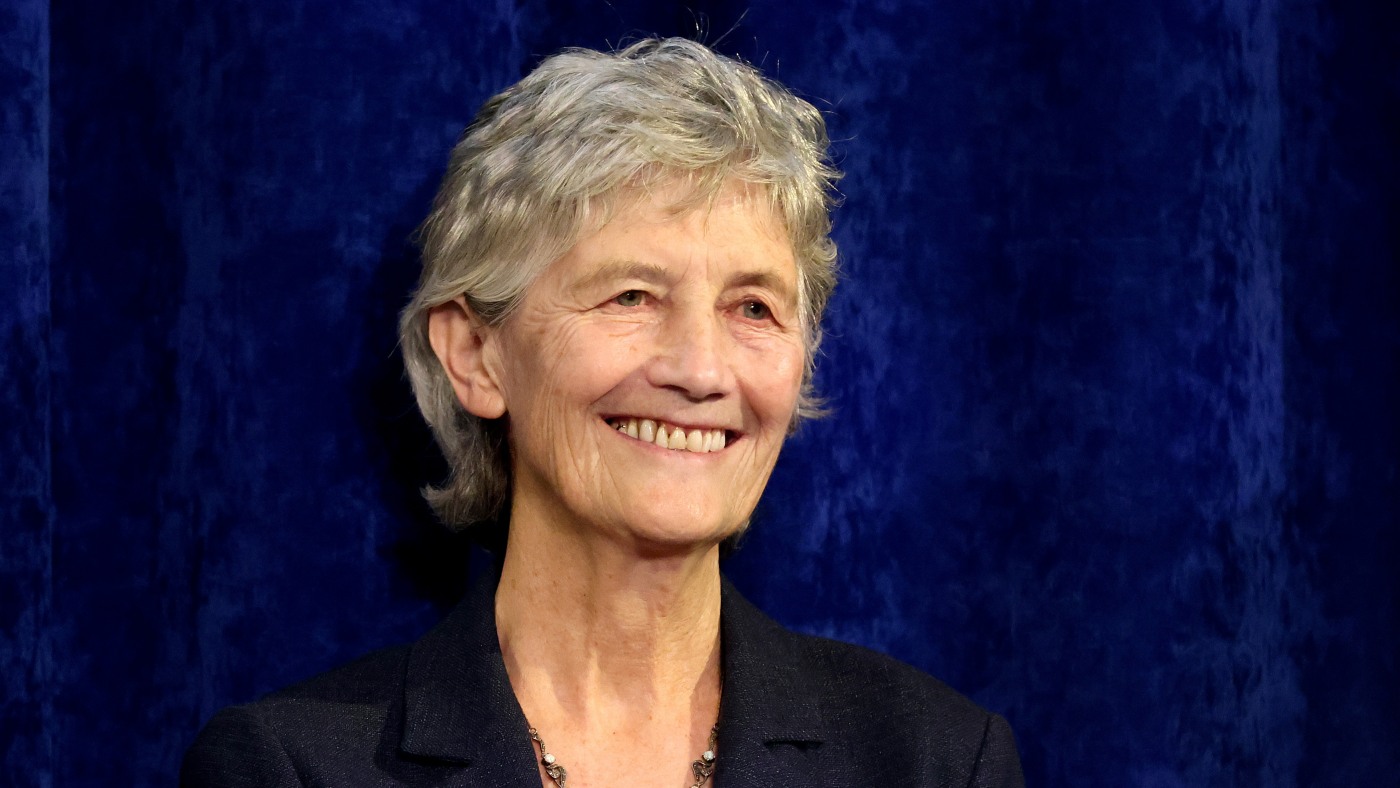
Catherine Connolly, a left-wing, anti-establishment independent lawmaker known for her support of Palestinians and criticism of EU policies, has been elected Ireland's new president, a largely ceremonial role, with a focus on unity, diversity, and peace.
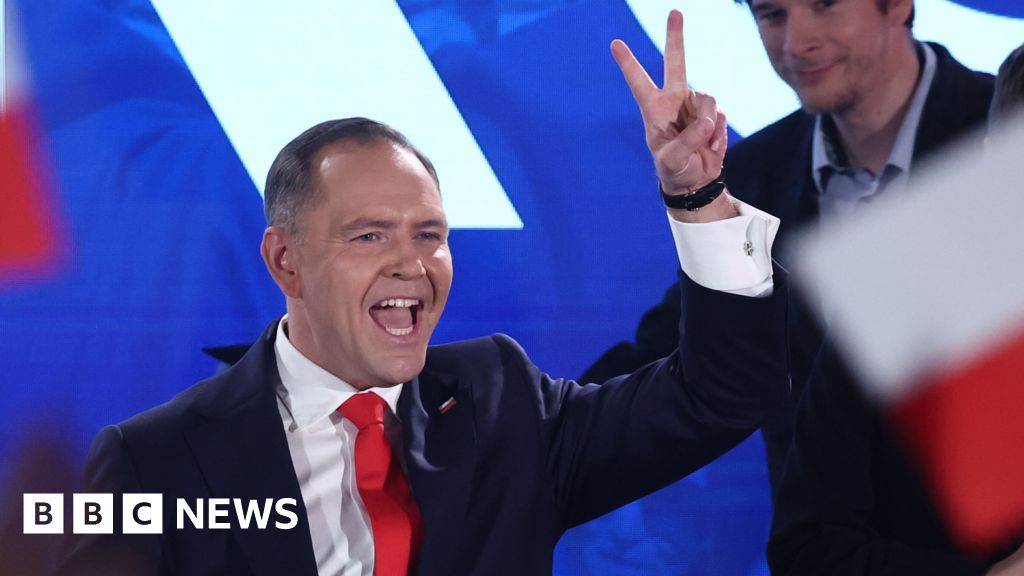
Karol Nawrocki, Poland's conservative president-elect, is expected to be a strong opponent to Prime Minister Tusk, potentially leading to early elections due to legislative vetoes and political deadlock, amid ongoing polarization and debates over Poland's EU relations and domestic policies.
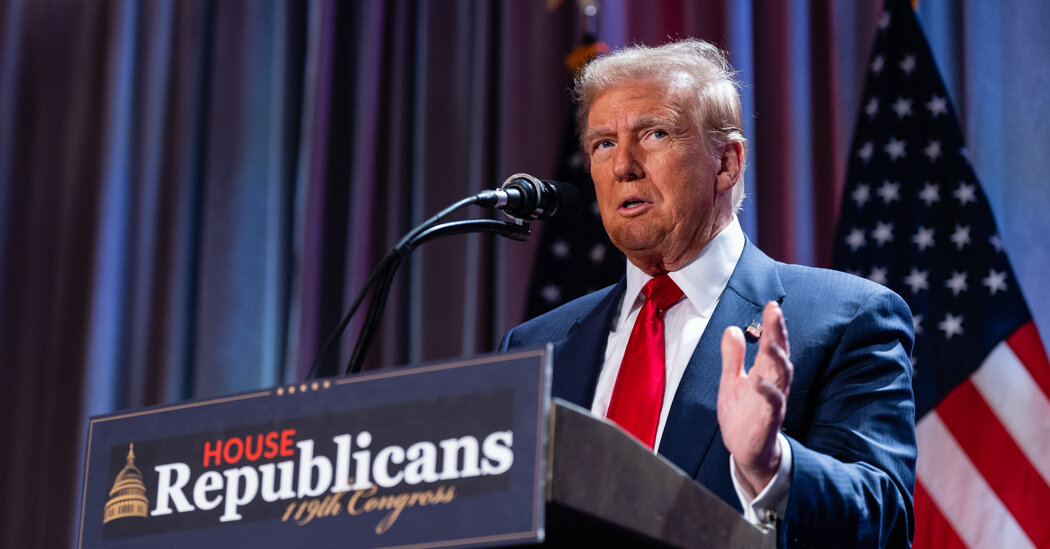
The article provides live updates on President-Elect Donald Trump's transition into office, while also notifying readers about updated terms of sale, service, and privacy policy, encouraging them to review these changes.
The United States congratulates Nayib Bukele on his electoral victory as President of El Salvador and looks forward to working with him and Vice President-elect Felix Ulloa. The U.S. values its strong relationship with El Salvador and will continue to prioritize good governance, economic prosperity, fair trial guarantees, and human rights in the country under its Root Causes Strategy.
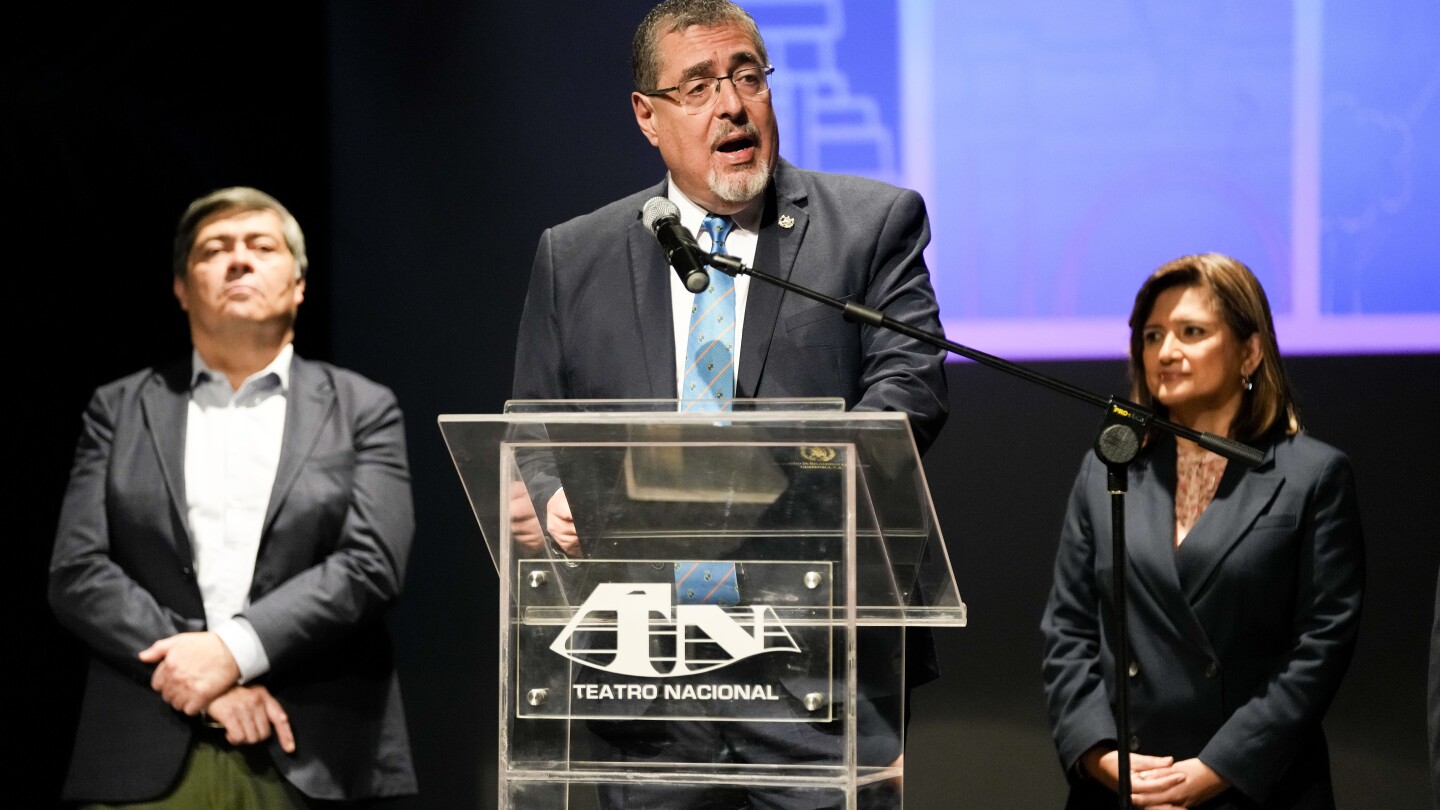
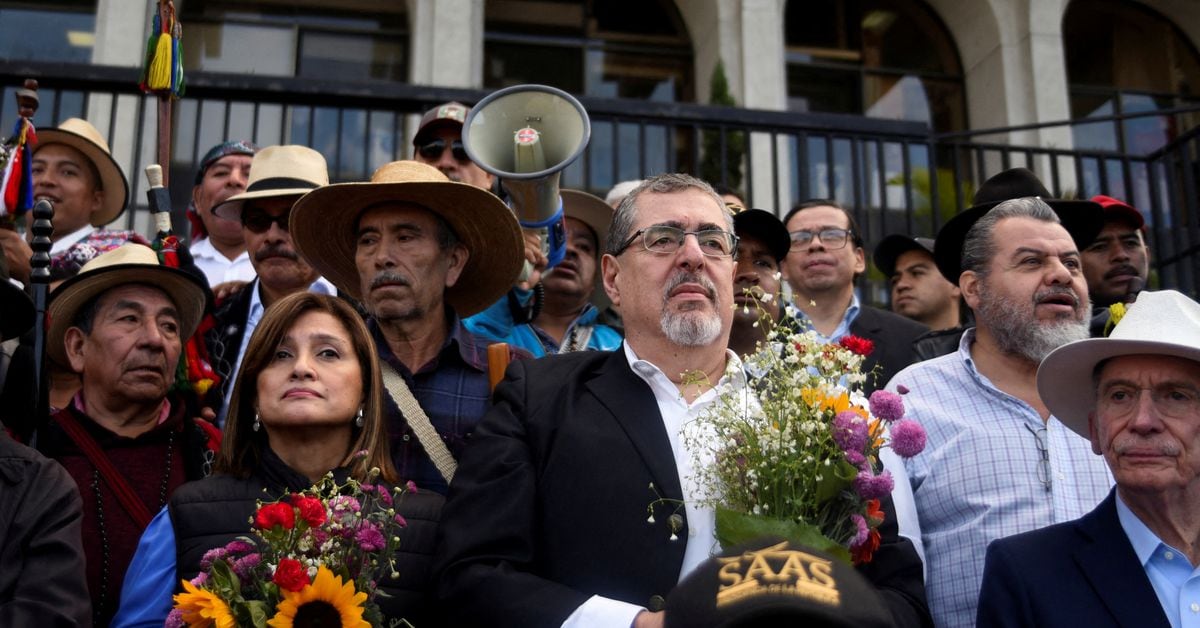
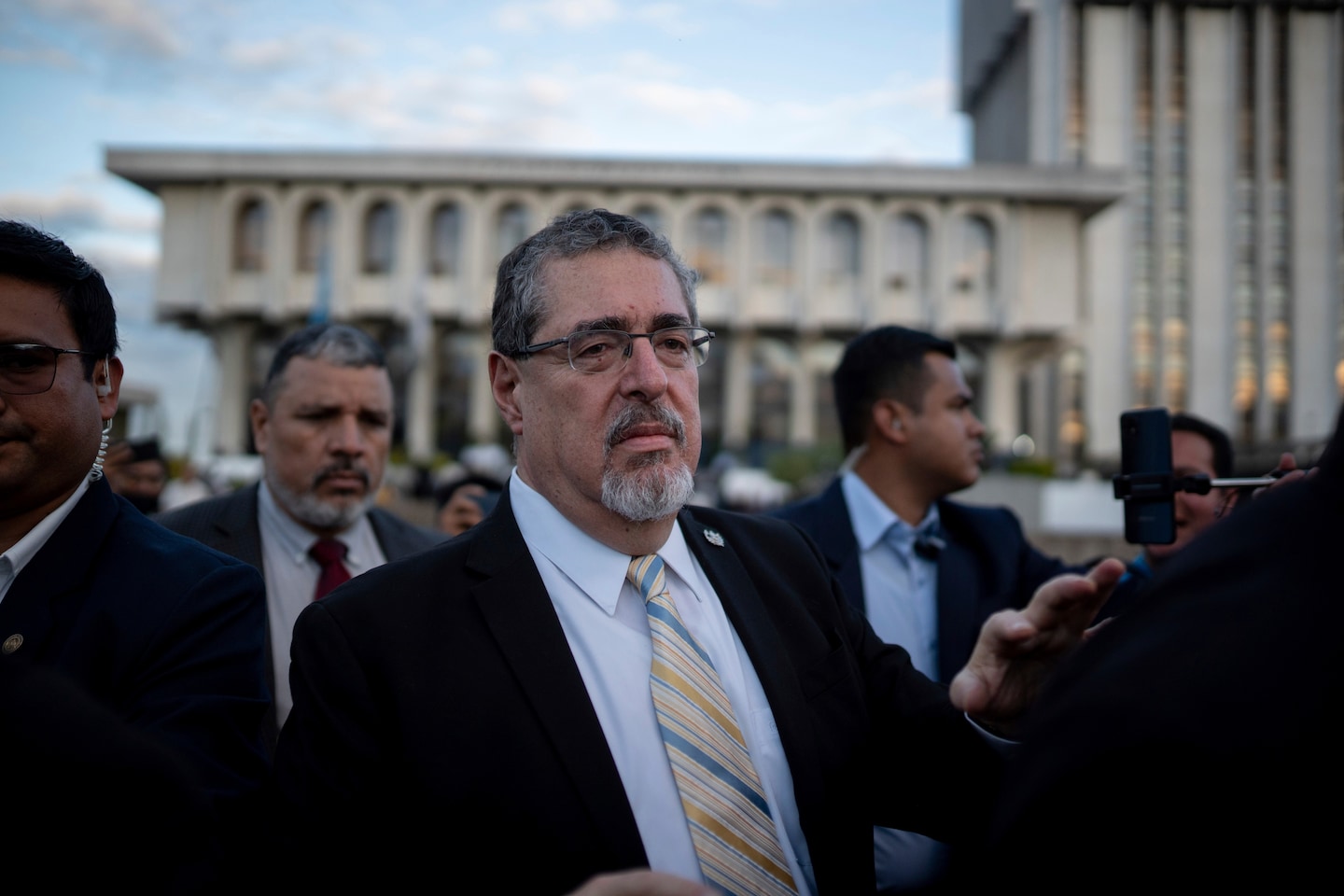
Guatemala's President-elect Bernardo Arévalo announced his Cabinet picks ahead of his upcoming swearing-in, choosing an equal number of female and male members for the first time in the country's history. Despite ongoing investigations of his political party, Arévalo emphasized the integrity of his picks and pledged to establish an autonomous anti-corruption commission. His selections include individuals from outside his Seed Movement party, signaling a move towards consensus and a technical team capable of negotiation.
Guatemala's President-elect Bernardo Arevalo has strongly criticized a legal move by prosecutors to invalidate his election victory, calling it a "perverse" and "attempted coup." Arevalo and his center-left Seed Movement party have faced investigations alleging irregularities in the party's registration. The U.S. and other Western countries have supported Arevalo, accusing the probes of being a coordinated effort to undermine him and democracy in Guatemala. The head of Guatemala's top electoral court has declared that the election results are unalterable and that preventing Arevalo from taking office would constitute a break in the constitutional order. The government of outgoing President Alejandro Giammattei stated that the transition to Arevalo is inevitable. The Organization of American States condemned the move as an "attempted coup d'etat," while the U.S. assistant secretary of state warned of consequences and a strong U.S. response.
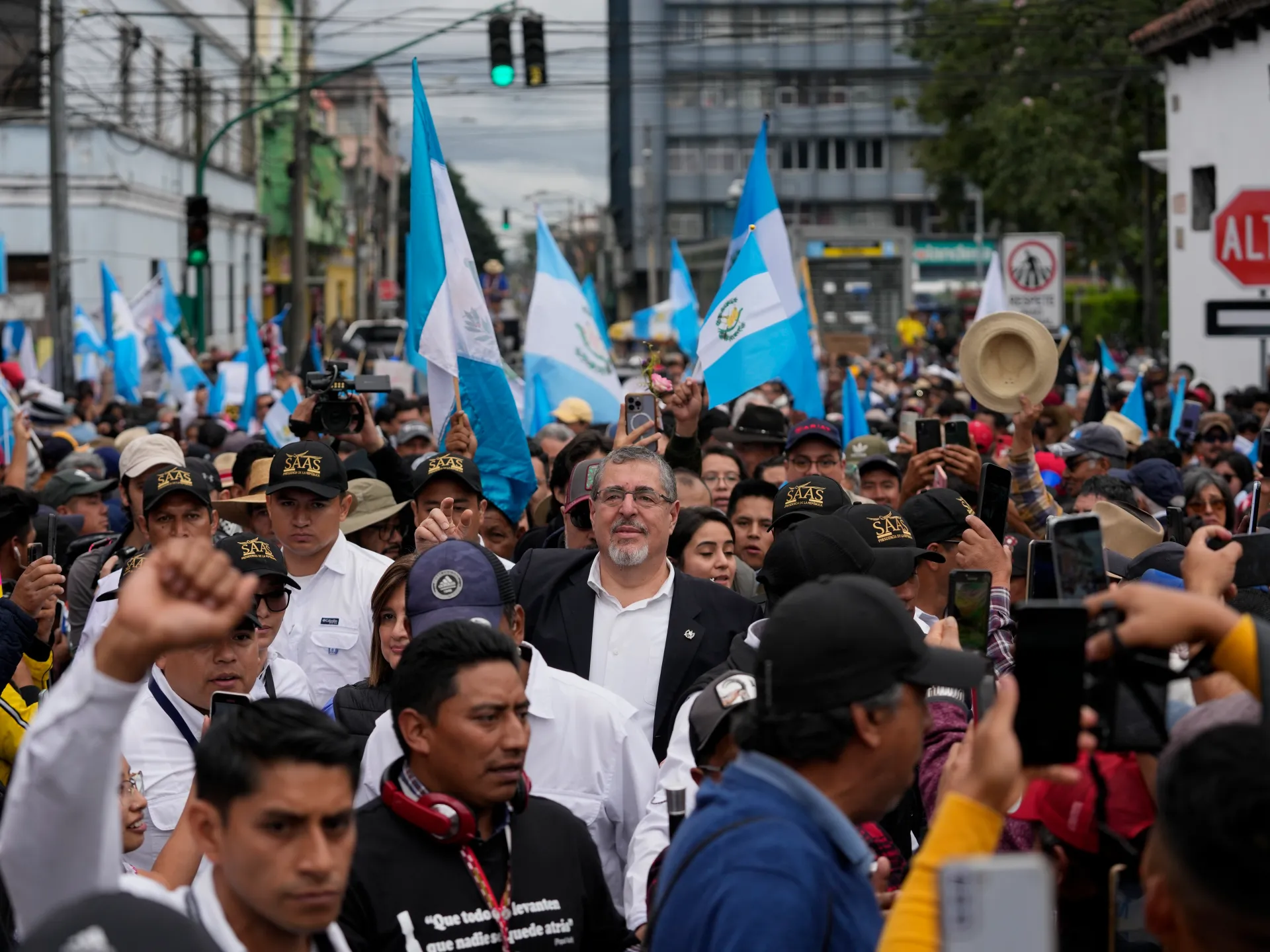
Guatemala's Supreme Electoral Tribunal has declared the results of the presidential race "unalterable" after public prosecutors openly questioned whether to annul the vote, sparking domestic and international condemnation. The prosecutors accused President-elect Bernardo Arevalo of improperly gathering signatures and mishandling political funds, raising the prospect of overturning the election. However, the head of the Supreme Election Tribunal refuted the possibility of a new election and affirmed that Arevalo would take office as planned. Guatemala has a history of struggling with corruption, and this year's election has been marred by questions of integrity, with three prominent candidates disqualified before the first round of voting. Arevalo, running on an anticorruption platform, secured a surprise second-place finish and faced ongoing investigations, leading to protests in support of upholding the election results.
Prosecutors in Guatemala have requested for the third time that President-elect Bernardo Arévalo's immunity be lifted, citing irregularities that could potentially annul the election results. The Organization of American States (OAS) has condemned these actions as part of a "coup attempt." Arévalo is set to take office on January 14, but it remains uncertain if the ongoing targeting by prosecutors could interfere with his inauguration. The OAS has urged the courts and congress not to allow the nullification of this year's general elections, calling it a violation of democracy and a political fraud against the will of the people.
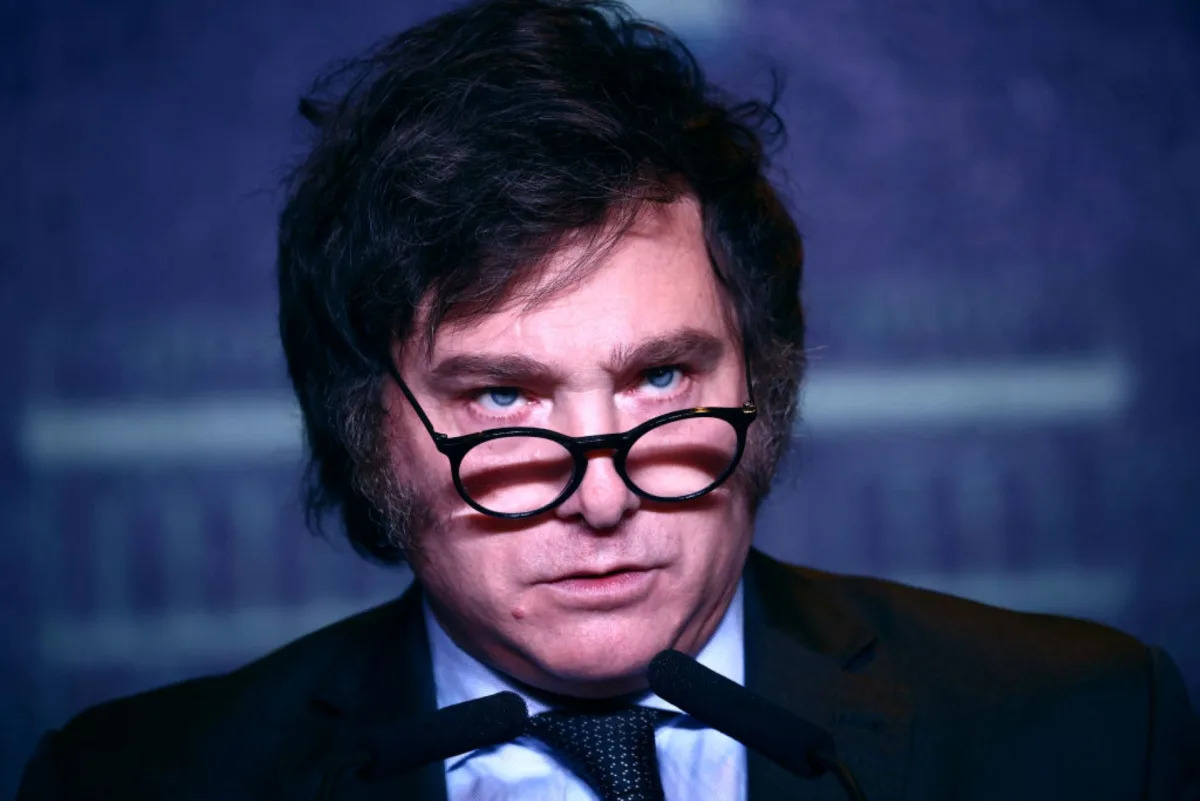
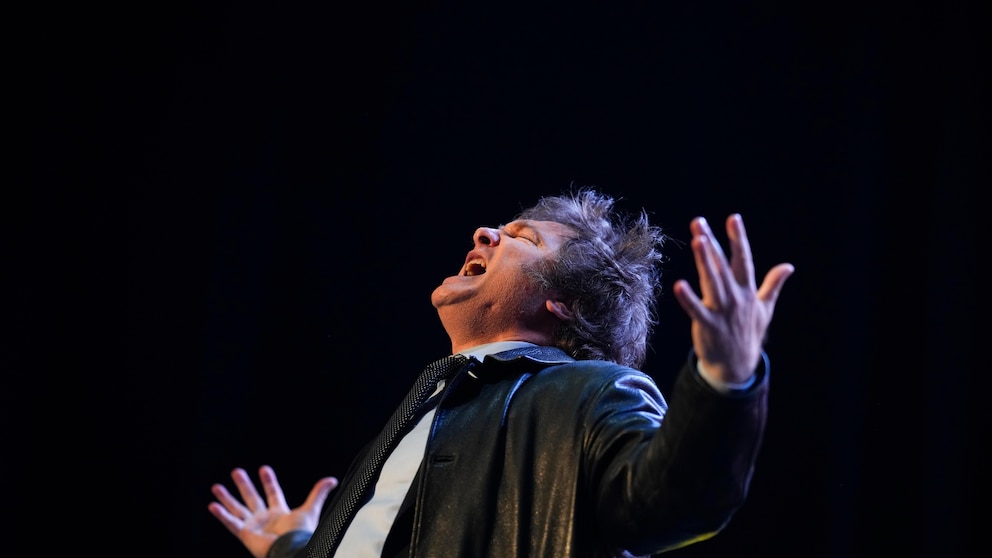
A viral video of Argentina's president-elect, Javier Milei, has raised concerns about his rejection of fact-based climate science and his plans to abolish crucial government departments, including the Ministry of the Environment and Sustainable Development. Milei, known for his far-right views, aims to expand mining and agriculture operations in the country, which could boost the economy but cause significant environmental damage. With Argentina already facing droughts and heat waves, his anti-environmental policies will further strain fragile ecosystems. Mining for minerals like lithium often occurs near Indigenous communities, leading to displacement, water depletion, and conflicts. Milei has also expressed support for companies to freely pollute rivers and has rejected the Paris Agreement on climate change.
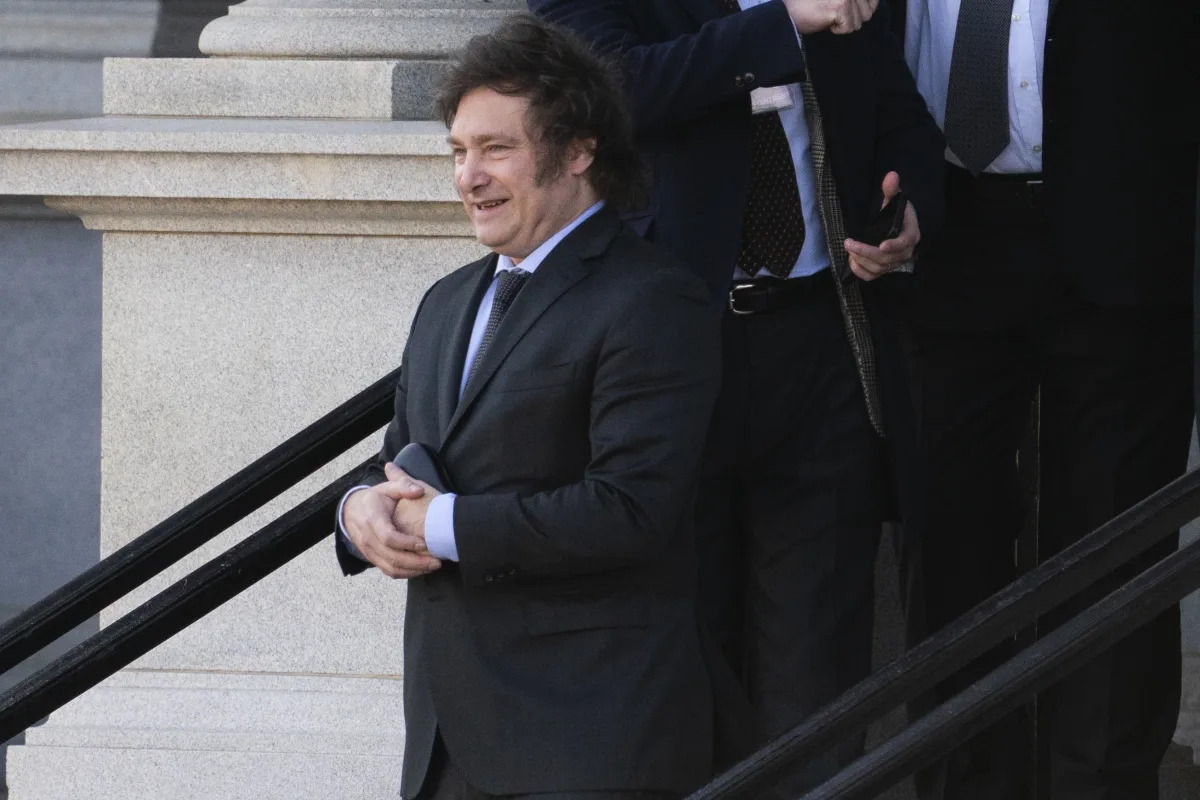
Argentina's President-elect Javier Milei met with senior Biden administration officials at the White House, expressing his commitment to freedom and aligning his views on the international geopolitical agenda with the West. Discussions focused on economic issues, investing in technology and clean energy, advocating for human rights, and supporting democracies worldwide. Milei, a libertarian economist, plans to implement deep spending cuts to combat Argentina's high inflation and replace the national currency with the U.S. dollar. His aides also met with officials from the International Monetary Fund and the U.S. Treasury Department to discuss the country's challenges and plans for stability and sustainable growth.
Labor unions and social organizations in Argentina are preparing for resistance and potential protests against President-elect Javier Milei's plans to slash the size of the state and privatize companies. Milei, a right-wing populist, campaigned on radical measures to revive the country's struggling economy and reduce high inflation. While some labor leaders are adopting a wait-and-see approach, others have expressed opposition and warned of potential social protests. Concerns also arise regarding potential setbacks in human rights policies. Argentina has a history of powerful labor unions and social organizations that frequently engage in protests to pressure the government, and law enforcement often hesitates to intervene due to past violent responses.
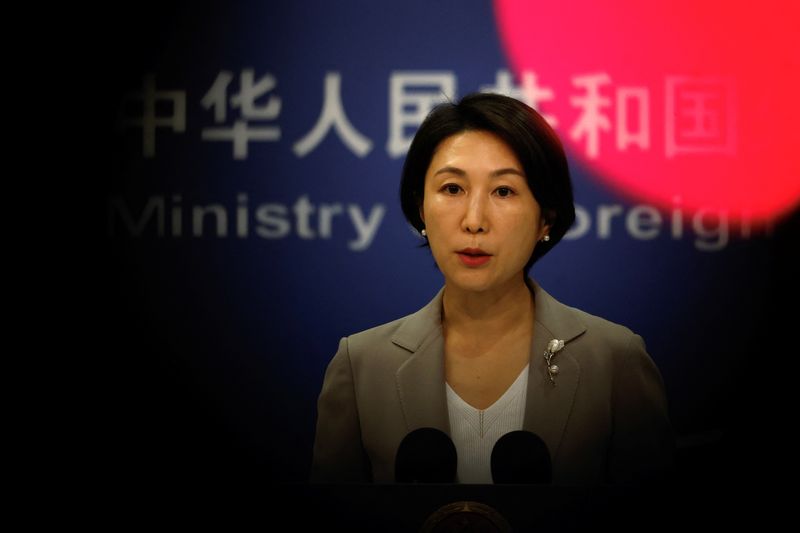
China reaffirms its support for new countries joining the BRICS grouping of developing nations, despite Argentina's likely next foreign minister stating that her country would no longer join. Meanwhile, the International Monetary Fund and China express readiness to work with Argentina's president-elect, Javier Milei, who plans to visit the US and Israel before taking office. In other news, a Saskatchewan man receives a life sentence for murdering his wife with a toxic pesticide, Canada's inflation rate drops to 3.1% in October, and the Philadelphia Flyers aim to extend their five-game win streak against the New York Islanders. Additionally, Taiwan's stock market reaches a 19-month high driven by the AI-led chip rally, and Robeco's Head of Fixed Income Asia suggests using market volatility as an opportunity to buy the dip and sell the rally.
President Joe Biden congratulates Joseph Boakai on his election as the next president of Liberia, praising the free and fair elections and the peaceful transition of power. He looks forward to deepening ties between the United States and Liberia and commends President Weah for respecting the will of the people. Biden sees Liberia's democratic example as significant for West Africa and the world, emphasizing the power of democracy in delivering progress for people.
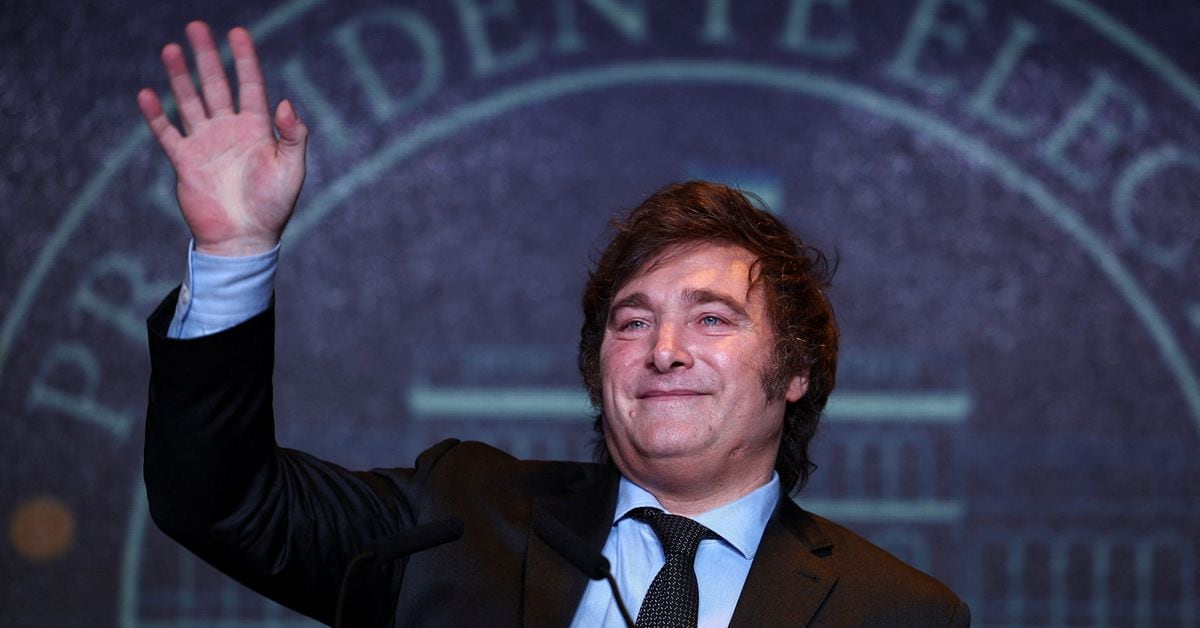
Argentina's newly elected libertarian President, Javier Milei, faces the daunting task of taming the country's soaring inflation, turning around its struggling economy, and addressing the high poverty rates. Milei plans to implement economic shock therapy measures, including shutting down the central bank and dollarizing the economy. The country's net reserves of foreign currency are in the red, and a recession is looming. Milei's success or failure in reviving the economy could determine whether Argentina faces further debt defaults, increased poverty, and potential social unrest.
The Attorney General's office in Guatemala has formally requested the removal of immunity for President-elect Bernardo Arévalo and others, in order to investigate their alleged involvement in encouraging a student occupation at the country's only public university. The request comes after federal agents executed search warrants and sought to arrest members of Arévalo's Seed Movement party. The crimes being pursued include exploitation of cultural assets, influence peddling, and illegal association. The move has drawn criticism from both domestic and international sources, with concerns raised about potential political motivations. It remains unclear where the request will be channeled, as there is no precedent for a president-elect in Guatemala.