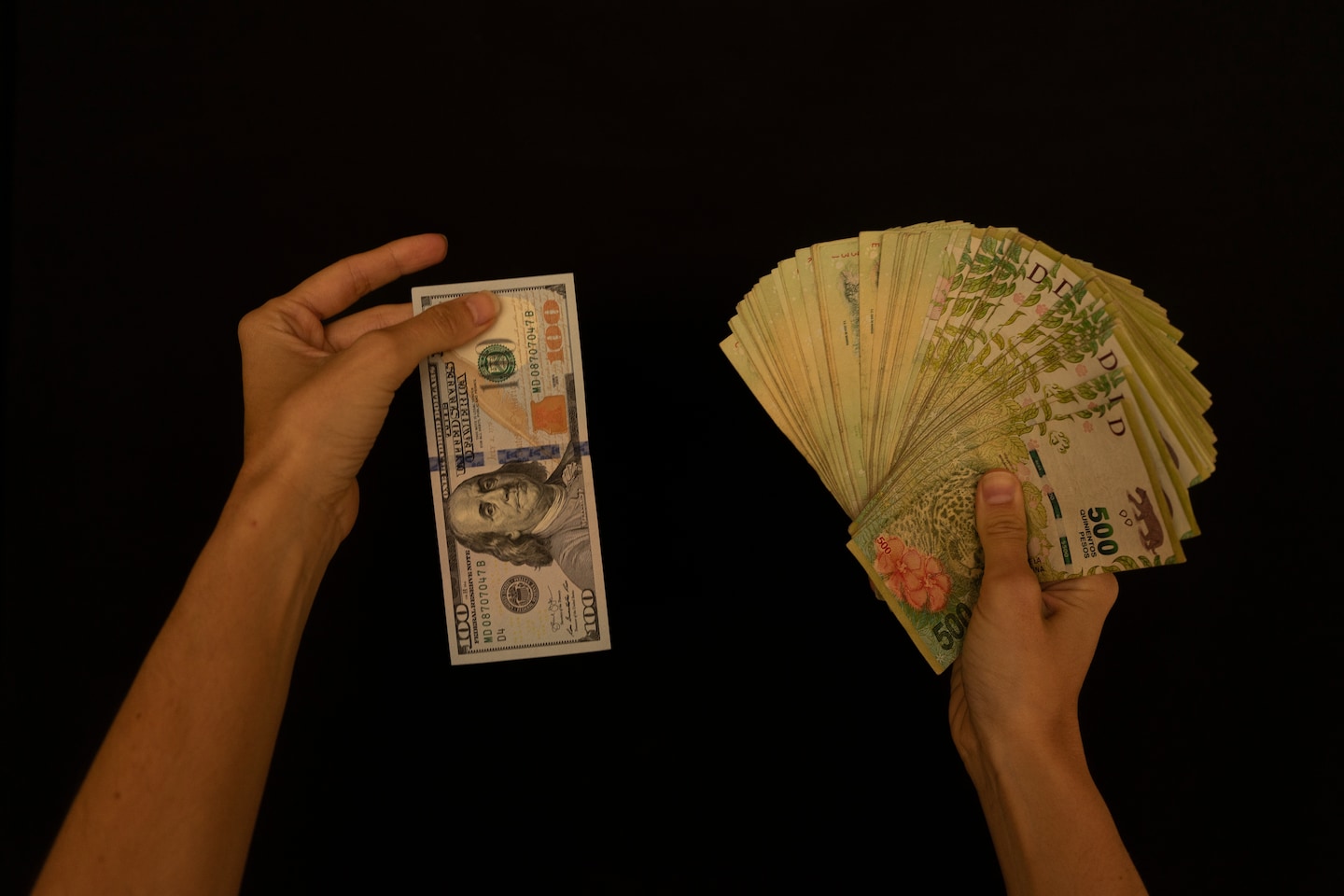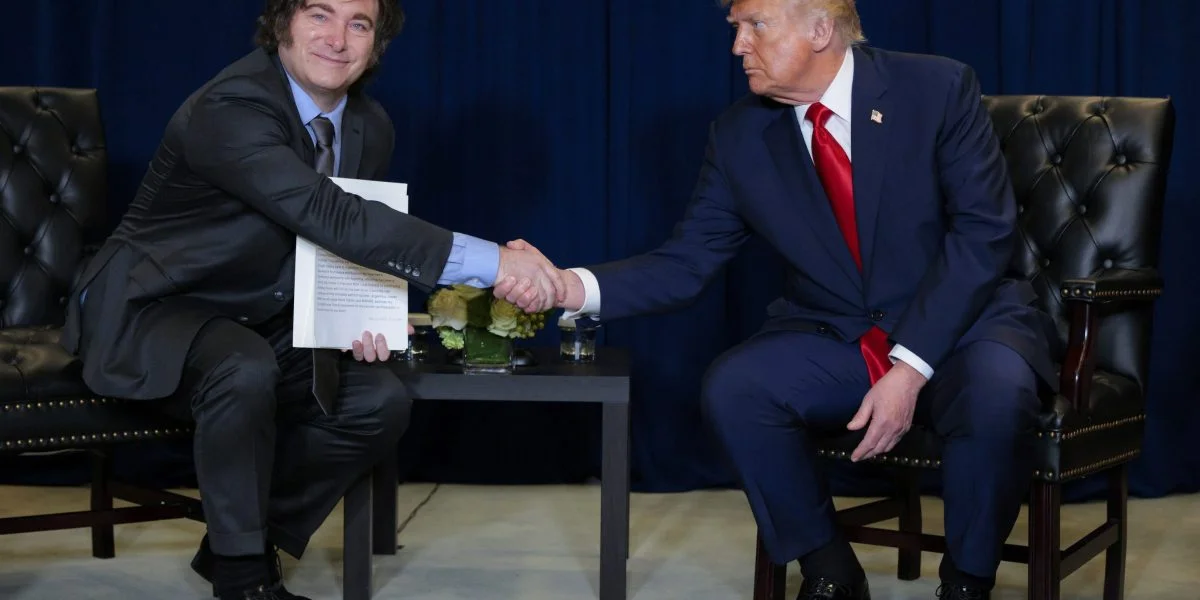
Argentina is seeking a $20 billion bailout from the US Treasury to address its ongoing economic crises, inflation, and currency instability, with suggestions that dollarization could be a more effective solution. President Milei faces political challenges and has yet to implement key reforms, including replacing the peso with the dollar, which experts believe could stabilize the economy. The country's history of defaults and crises suggests that current measures may only provide temporary relief.

Argentina's Economy Minister, Luis Caputo, announced emergency measures to devalue the peso by over 50% in an effort to revive the struggling economy. The move comes shortly after President Javier Milei's inauguration, who campaigned on replacing the peso with the dollar. The peso's value has plummeted by 52% against the US dollar this year due to strict capital controls and excessive printing of the currency. The devaluation is the first step to combat hyperinflation, which has led to a benchmark interest rate of 133%. Caputo also outlined other measures, including cuts to public works projects and subsidies. The International Monetary Fund expressed support for the initiatives.
Argentina's new president, Javier Milei, has proposed scrapping the Argentine peso and adopting the U.S. dollar as the country's official currency. While dollarization has been implemented by other countries, economists warn that it could worsen inflation and lead to a decline in real wages. Milei faces challenges in enacting this plan, as he lacks a majority in Argentina's Congress and the country's banks may not have enough U.S. dollars on hand. Acquiring large amounts of dollars from organizations like the International Monetary Fund would be a major task for Argentina, which is already the IMF's biggest debtor.
Argentina's incoming President Javier Milei, a libertarian, plans to address the country's economic challenges by proposing dollarization, replacing the national currency with the U.S. dollar. This comes after years of money-printing and high inflation in Argentina. While dollarization has been successful in other Latin American countries like Panama, Ecuador, and El Salvador, there are concerns about the loss of monetary policy control and the availability of sufficient dollars in Argentina. Supporters argue that dollarization would bring stability, while skeptics worry about the impact on sovereignty and the potential for increased inflation in the short term.
Argentina's newly elected libertarian president, Javier Milei, plans to adopt the US dollar as the national currency and close the central bank. However, implementing dollarization would face challenges, including the need for approval from a divided congress and potential constitutional issues. Economists argue that without its own currency, Argentina would lack flexibility to deal with external shocks. Additionally, the country's lack of access to capital markets poses a hurdle to carrying out such an ambitious proposal. Critics also question the feasibility of dollarization given Argentina's high external debt. Nevertheless, proponents argue that dollarization could provide stability and prevent hyperinflation, as private sector actors already hold significant amounts of dollars.
Argentina's newly elected libertarian President, Javier Milei, faces the daunting task of taming the country's soaring inflation, turning around its struggling economy, and addressing the high poverty rates. Milei plans to implement economic shock therapy measures, including shutting down the central bank and dollarizing the economy. The country's net reserves of foreign currency are in the red, and a recession is looming. Milei's success or failure in reviving the economy could determine whether Argentina faces further debt defaults, increased poverty, and potential social unrest.
Javier Milei, a far-right political outsider often compared to Donald Trump, has won the presidential runoff in Argentina by a wider-than-expected margin. Milei, a proud libertarian, has pledged to implement radical economic policies, including dollarizing the economy, abolishing the central bank, and privatizing the pension system. However, the challenges facing his presidency are significant, as Argentina is currently in the midst of an economic crisis with high inflation and widespread poverty. While some experts remain skeptical about Milei's ability to deliver on his promises, others believe that his proposed reforms could be positive for the country. The likelihood of immediate dollarization remains remote due to the lack of dollars in the central bank, but Milei is expected to announce tough fiscal and monetary policies to stabilize the economy and reduce inflation.
Argentina's presidential front-runner, Javier Milei, met with the International Monetary Fund (IMF) to discuss his proposals for dollarizing the country's economy. Milei, a radical libertarian who received 30% of the primary vote, outlined his economic plans and assured the IMF that he does not intend to default on the country's IMF loan or bondholders. The IMF sought further details on Milei's dollarization models. The primary election results, which saw Milei come out on top, caused market turmoil and led to the central bank raising interest rates and devaluing the currency. The IMF's executive board will meet next week to discuss a $7.5 billion disbursement to Argentina.