President Donald Trump announced nine new agreements with major pharmaceutical companies to lower prescription drug prices for Americans, aligning them with the lowest prices paid by other developed nations, resulting in significant savings and increased U.S. manufacturing investments.
As summer travel season approaches, many Americans plan to bring prescription medications on their trips, but nearly half don't check if these meds are legal in their destination countries. Controlled substances, psychotropic drugs, medicinal cannabis, and strong painkillers are often restricted or banned. Travelers are advised to consult with healthcare providers, check embassy guidelines, and carry necessary documentation to avoid legal issues and ensure access to their medications.
Oprah Winfrey left the board of WeightWatchers after nearly 10 years due to a conflict of interest arising from her upcoming special on prescription weight loss medications. She revealed that WeightWatchers now administers drug medications for weight, and she didn't want the appearance of a conflict of interest. Winfrey also disclosed that she used prescription medication for weight loss and donated all her shares to the National Museum of African American History and Culture to avoid any accusations of promoting for profit. Her special, "An Oprah Special: Shame, Blame and the Weight Loss Revolution," will air on ABC.
The FDA has approved GLP-1 agonist medications like semaglutide and tirzepatide for treating obesity, even in patients without diabetes, but potential users should consider eligibility criteria, long-term commitment, and lifestyle changes. These medications have shown significant weight loss results, but may have gastrointestinal side effects and potential interactions with other medications. Patients should consult with their physician before starting these prescription drugs and obtain them from legitimate pharmacies, avoiding counterfeit or compounded versions.
Federal investigators have uncovered a nationwide $230 million scheme to counterfeit prescription medications, particularly HIV drugs, in which pill bottles were altered and sold back to pharmacies at a significant discount. The operation, overseen by Lazaro Hernandez, involved altering bottles for popular HIV medications such as Biktarvy and Descovy, as well as other pharmaceuticals. The World Health Organization estimates that up to $431 billion worth of drugs are counterfeited worldwide annually. Gilead Sciences and Johnson & Johnson have filed lawsuits against defendants, including pharmacies and wholesale pharmaceutical distributors, accusing them of participating in the scheme. Drug diversion and counterfeiting pose a significant risk to patient safety, and authorities are investigating the extent of these criminal activities.
When it comes to treating cold and flu symptoms, there are both over-the-counter (OTC) and prescription medications available. OTC medications can be purchased without a prescription and are suitable for self-treatment of conditions like colds, allergies, headaches, and joint pain. Prescription medications, on the other hand, require authorization from a healthcare provider and are often more effective for treating the flu due to the availability of antiviral agents. However, OTC remedies can provide symptom relief a few hours earlier, although they may come with potential side effects. It is important to consult a healthcare professional before giving OTC medications to children, as they can cause serious side effects in young children. Additionally, it is crucial to read labels carefully and be aware of any potential interactions with prescription medications or underlying medical conditions. Ultimately, the best prevention against influenza is getting vaccinated and staying home when sick to avoid spreading the virus.
A survey conducted by researchers at Washington State University found that cannabis consumers with sleep issues preferred using marijuana over other sleep aids, reporting better outcomes the next morning and fewer side effects. The study compared cannabis to prescription sleep aids and over-the-counter sleep aids and found that cannabis made users feel more refreshed, focused, and better able to function in the morning, with fewer headaches and less nausea. The most popular methods of consumption were smoking joints or vaping products containing THC, CBD, and the terpene myrcene. However, some side effects were reported, including sleepiness, anxiety, and irritability upon waking up. The study suggests that cannabis may be a more advantageous option for sleep-related issues compared to conventional sleep aids.
Shortages of over-the-counter drugs and prescription medications, including treatments for ADHD, cancer, diabetes, and now RSV in infants, have been causing disruptions in hospitals and pharmacies in the U.S. for the past year. Michael Ganio from the American Society of Health-System Pharmacists discusses the reasons behind these shortages and potential solutions.
Initial tests have ruled out fentanyl or meth overdose as the cause of Matthew Perry's death. Further tests will determine if there were illegal substances or dangerous levels of prescription medications in his bloodstream. Results are expected in four to six months. Perry was found unresponsive in his jacuzzi, and tributes have poured in for his iconic role in Friends and his advocacy for addiction awareness.
Authorities are investigating the cause of death for "Friends" star Matthew Perry, who was found dead at his home in Pacific Palisades. Paramedics found Perry unresponsive in a hot tub, and he was pronounced dead at the scene. The Los Angeles County coroner's office has launched an investigation, which will include toxicology tests. No illicit drugs were found at the home, and foul play is not suspected. Prescription medications recovered at the home will be part of the review.
A new study published in the Annals of Internal Medicine found that nurse practitioners (NPs) are just as good as primary care doctors at avoiding potentially harmful prescriptions for older patients. The study, which analyzed data from 29 U.S. states, revealed that both NPs and doctors had similar rates of potentially "inappropriate" prescriptions, accounting for about 1.7% of all prescriptions in both groups. However, there was wide variation in prescribing patterns within both groups, indicating the need for improvement among NPs and doctors alike. The study highlights the importance of addressing the variance in prescribing practices and empowering patients to ask questions about their medications.
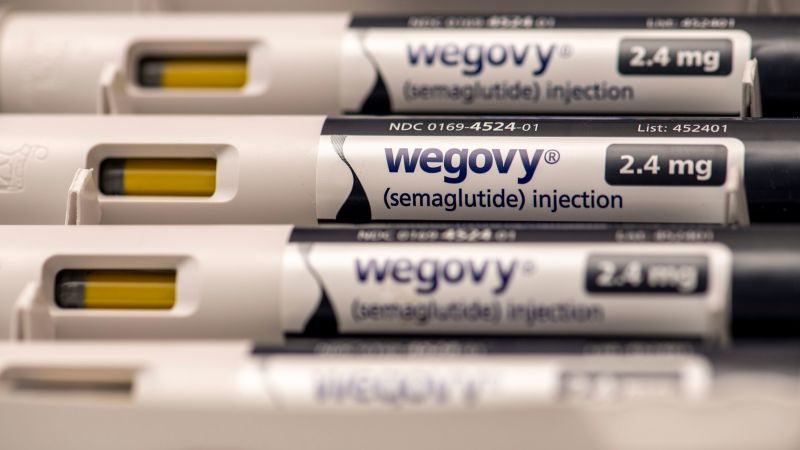
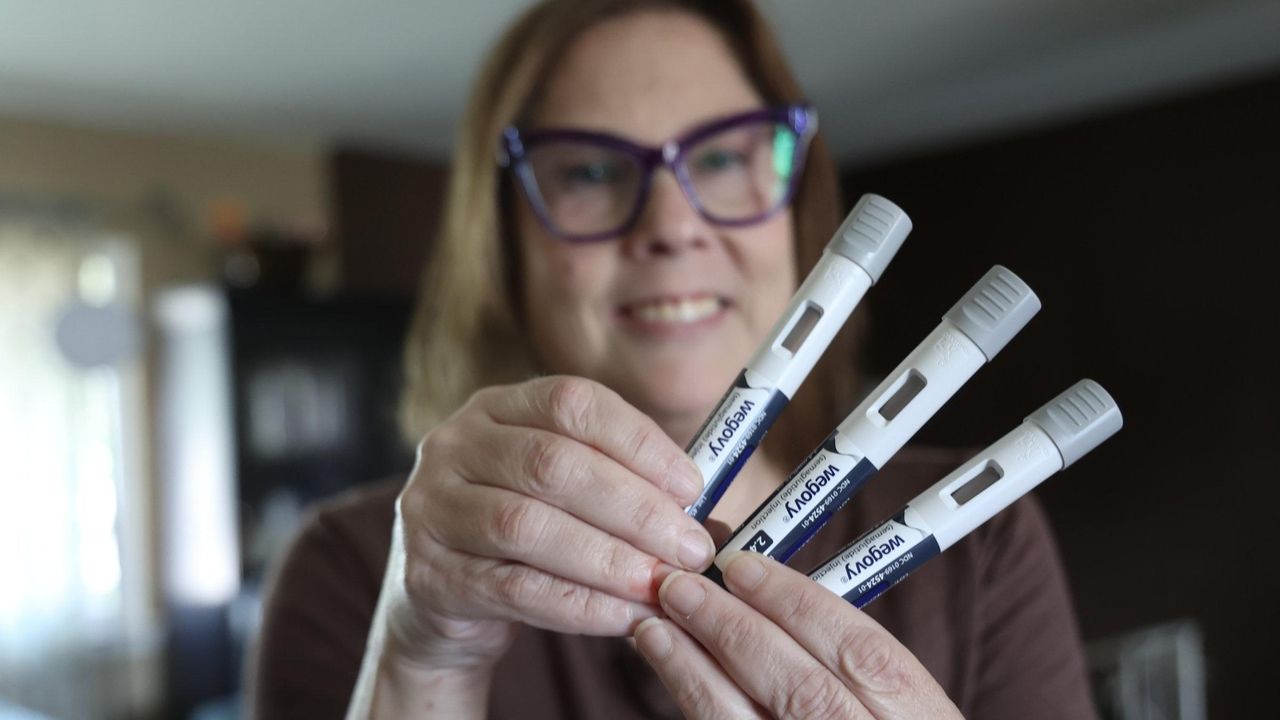
Weight-loss drugs such as Wegovy, Ozempic, and Mounjaro are gaining popularity as effective tools for significant weight loss and potential long-term weight maintenance. However, they are not foolproof and may not work for everyone. The drugs, originally developed for type 2 diabetes, have shown promising results in studies. They mimic natural hormones that regulate appetite and can lead to substantial weight loss. Despite their effectiveness, the drugs are expensive and often not covered by insurance for weight loss purposes. Some patients have experienced side effects such as abdominal pain, nausea, and diarrhea. The medications are prescribed in traditional doctors' offices as well as wellness centers. The increasing demand has caused shortages, leading some healthcare professionals to prescribe compounded versions. Attitudes towards obesity are changing, with more recognition that it is a complex disease. However, some physicians are still hesitant to prescribe these medications, believing that diet and exercise alone should be sufficient. Long-term studies on the drugs' effectiveness are lacking, and maintaining a healthy lifestyle is still crucial for weight management.
Kava, a popular alcohol-alternative beverage known for its mood-boosting and calming effects, has been linked to severe liver damage and failure. The herbal supplement can interact with prescription medications, posing a risk to those with existing liver disease and individuals taking certain drugs. While kava has therapeutic potential, its cultivation and manufacturing processes lack standardization, making it difficult to determine the exact composition and dosage. Additionally, the lack of regulation in the supplement industry further complicates the safety and efficacy of kava products. It is advised to consult with a healthcare professional before consuming kava or any other supplements.
Oprah Winfrey is retracting her criticism of Ozempic users after endorsing the use of drugs like Ozempic to treat obesity. Winfrey, who once owned a 10% stake in WeightWatchers, bought shares of the company after her endorsement. In March, WeightWatchers acquired Sequence, a tele-health subscription service that prescribes Ozempic and other weight-loss drugs. Winfrey's initial comments caused WeightWatchers stock to plummet. She clarified that her comments were misconstrued and expressed support for prescription medications as an option for weight and health-related issues. WeightWatchers' pivot to promoting Ozempic is a change in strategy, as the company previously acknowledged its role in "shaming" customers for their weight. The popularity of Ozempic and similar drugs has led to increased profits for pharmaceutical companies but has also affected stocks, with Walmart reporting reduced grocery sales due to the medications.
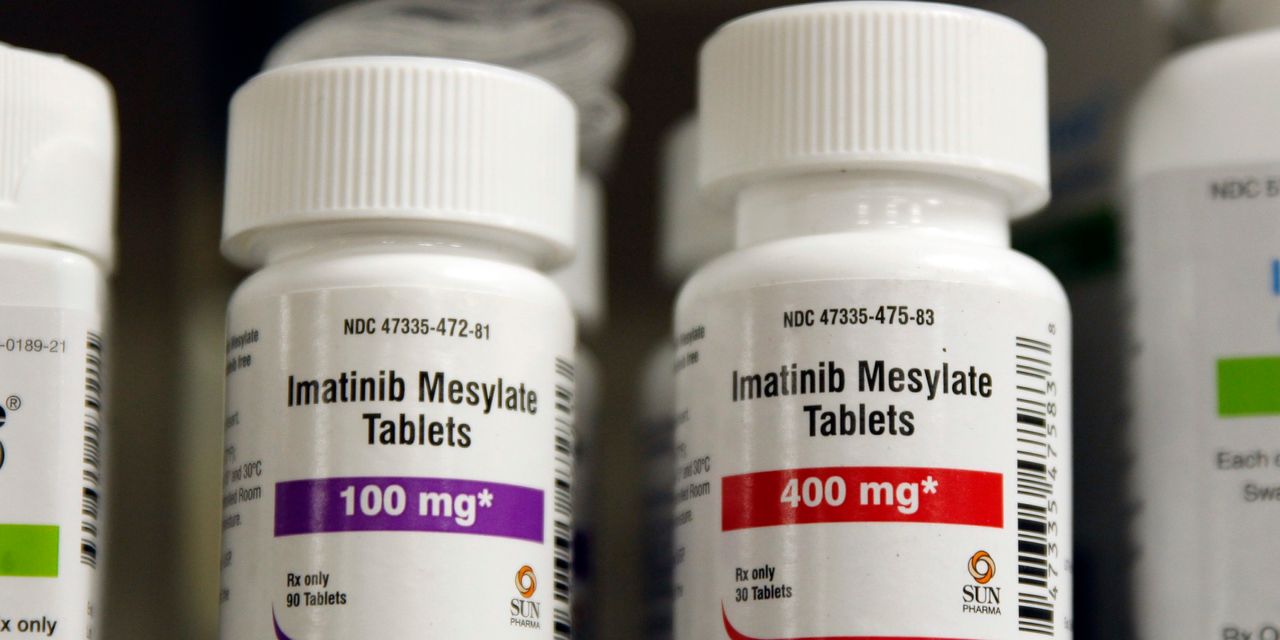
Insurers are charging exorbitant prices for generic drugs, which are supposed to be affordable alternatives to brand-name medications. This practice has led to increased healthcare costs for patients, as they are forced to pay thousands of dollars for drugs that should be inexpensive. The high prices are attributed to a complex system of rebates and discounts negotiated between insurers and drug manufacturers, resulting in a lack of transparency and affordability in the generic drug market.