Tag

Prehistory

All articles tagged with #prehistory

science-and-anthropology1 year ago

"Unraveling the 1.6 Million-Year-Old Mystery of Human Language Evolution"

New research by British archaeologist Steven Mithen suggests that early humans likely developed rudimentary language around 1.6 million years ago in eastern or southern Africa, challenging the previous belief that humans only started speaking around 200,000 years ago. The analysis is based on a comprehensive study of archaeological, genetic, neurological, and linguistic evidence, indicating that the birth of language was part of a suite of human evolution and other developments between two and 1.5 million years ago. The emergence of language was linked to improvements in working memory and was crucial for facilitating group planning and coordination abilities, particularly in hunting and survival. This new research also suggests that some aspects of the first linguistic development 1.6 million years ago may still survive in modern languages today.


science-and-anthropology1 year ago

"Revised Timeline: Humans' 1.6 Million-Year-Old Language Origins"

New research by British archaeologist Steven Mithen suggests that early humans likely developed rudimentary language around 1.6 million years ago in eastern or southern Africa, challenging the previous belief that humans only started speaking around 200,000 years ago. The analysis is based on a comprehensive study of archaeological, genetic, neurological, and linguistic evidence, indicating that the emergence of language was part of a suite of human evolution and other developments between two and 1.5 million years ago. This birth of language represented the beginning of linguistic development, with language gradually becoming more complex over hundreds of thousands of years.

science-and-anthropology1 year ago

"Revised Timeline: Human Speech Origins Date Back Further Than Previously Believed"

New research by British archaeologist Steven Mithen suggests that humans likely began developing rudimentary language around 1.6 million years ago in eastern or southern Africa, challenging the previous belief that language only emerged around 200,000 years ago. The emergence of language was a crucial factor in human physical and cultural evolution, as it enabled greater group planning and coordination abilities, improved working memory, and facilitated the transmission of complex knowledge and skills. The appearance of Broca’s area in the brain, associated with language production and comprehension, was linked to improvements in working memory and sentence formation. This new research also suggests that some aspects of the first linguistic development 1.6 million years ago may still survive in modern languages today.

archaeology2 years ago

Ancient Footprints in New Mexico Rewrite History of Human Arrival in America

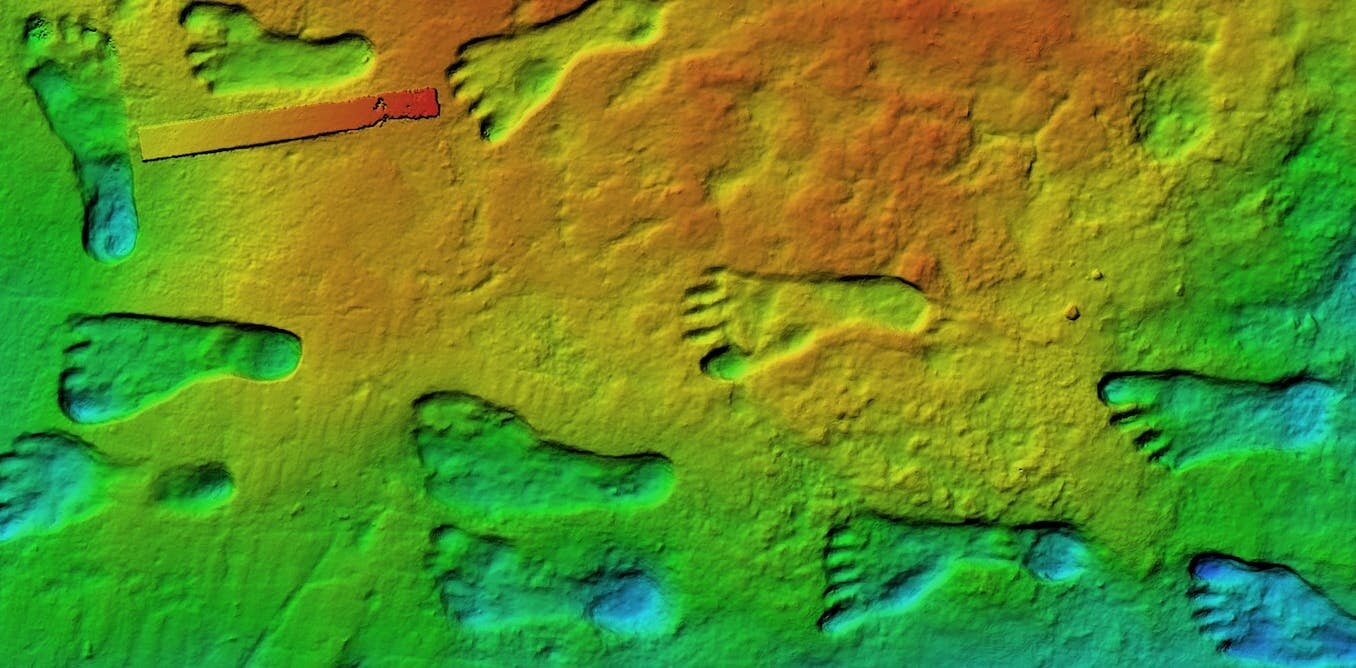
New research using radiocarbon dating and flow cytometry techniques has confirmed that humans settled in America approximately 23,000 years ago, 7,000 years earlier than previously thought. Fossil footprints found in New Mexico were dated to the last Ice Age, challenging the belief that humans arrived in North America as the ice sheets were melting. The study also addressed criticisms of the radiocarbon dating by analyzing pollen grains and using optically stimulated luminescence dating, both of which supported the earlier dates. The findings provide new insights into the prehistory of America and the migration patterns of early humans.

archaeology2 years ago

New Fossil Discovery Suggests Early Human Migration and Population Failure.

A fragment of a human shinbone found in Tam Pà Ling cave in Laos is up to 86,000 years old, indicating that Homo sapiens arrived in Southeast Asia as early as 86,000 years ago. The bones were likely washed into the cave during a monsoon. The researchers used luminescence dating and uranium-series dating to produce an age range for the human remains. The skull was estimated to be up to 73,000 years old, and the shin bone dates back as far as 86,000 years ago. The finding suggests a "failed population" from prehistory that dispersed to Southeast Asia and died out before contributing genes to today's human gene pool.