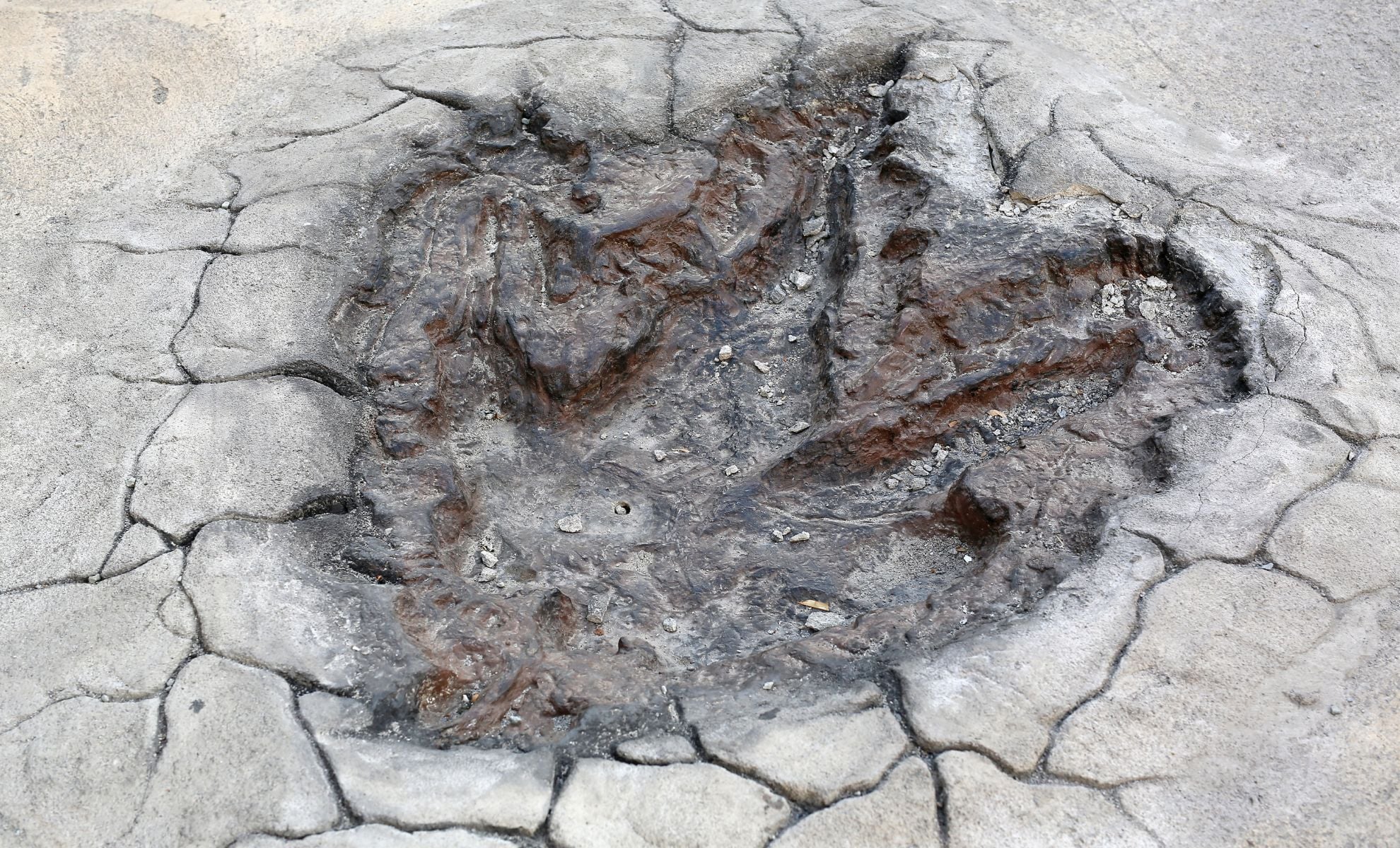
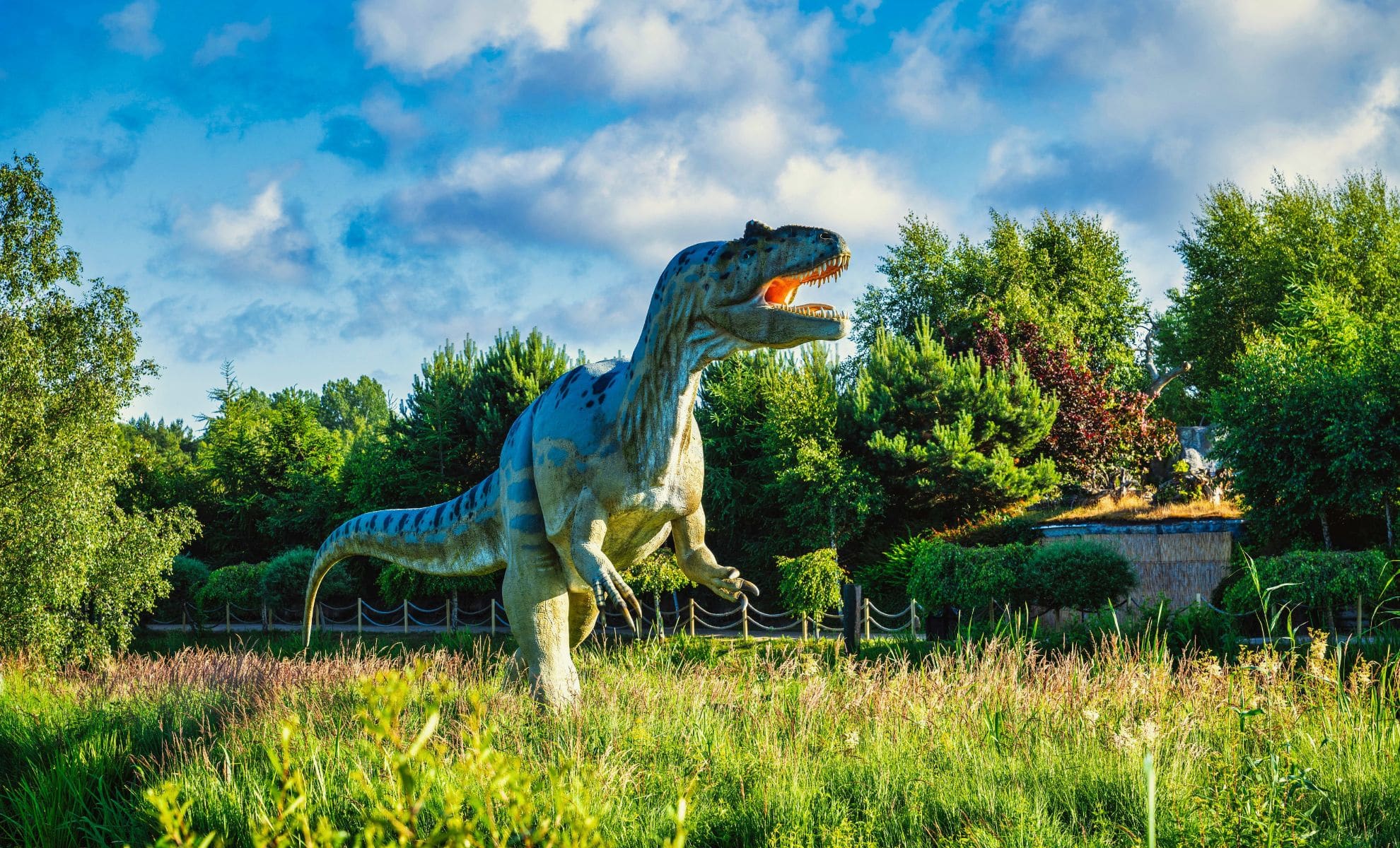
Recent fossil discoveries suggest that T. rex was not only a land predator but also capable of swimming, supported by evidence of fossilized swim traces and its hollow, buoyant bones, indicating it may have used swimming to expand its feeding opportunities, similar to modern birds like emus.
Archaeologists discovered 80,000-year-old Neanderthal footprints in Portugal, revealing insights into their movement, social structure, and diet, including route planning, hunting strategies, and diverse food sources, through tracksites at Monte Clérigo and Praia do Telheiro.
A 76-million-year-old footprint discovery in Alberta's Dinosaur Provincial Park reveals that tyrannosaurs were likely stalking herds of herbivorous dinosaurs, providing new insights into predator-prey interactions and dinosaur social behavior during the Late Cretaceous period.
Scientists have discovered a large prehistoric lekking arena at Dinosaur Ridge in Colorado, dating back around 100 million years, where fossilized dinosaur traces suggest complex courtship dances similar to modern birds, providing new insights into dinosaur social behavior.