
Tag

Magnetization

All articles tagged with #magnetization

science-and-technology2 years ago

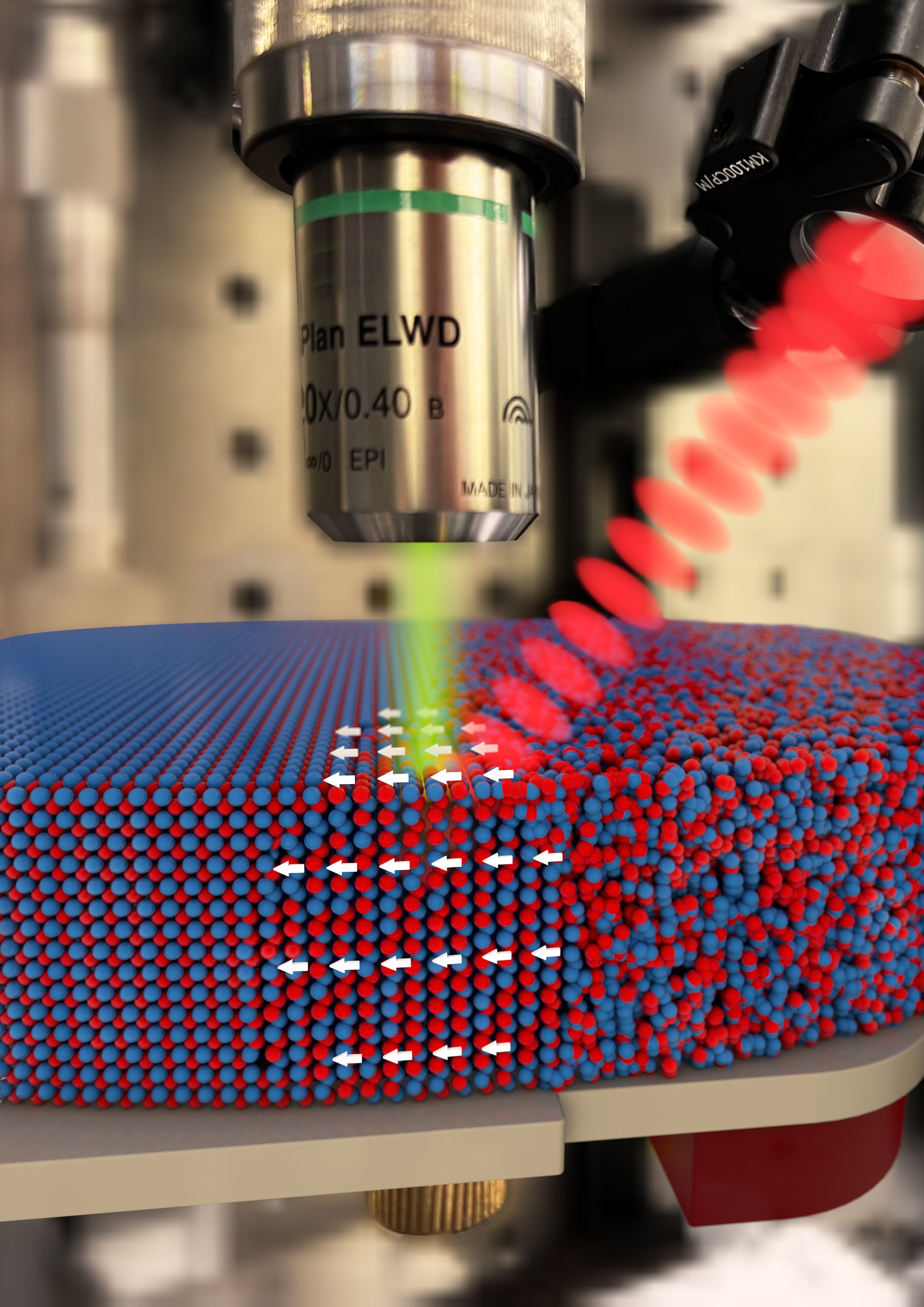
"Laser-induced Magnetization of Iron-Vanadium Alloy Unveils Promising Phenomenon"

Researchers have discovered that an iron-vanadium alloy can be magnetized using ultrashort laser pulses, similar to a previously studied iron-aluminum alloy. The laser pulses rearrange the atoms in the crystal, causing the iron atoms to move closer together and form a magnet. The phenomenon is not limited to specific material structures and can be observed in diverse atomic arrangements. This research opens up potential applications in magnetic sensors, data storage, and spintronics, offering a new approach to future computer technology.
science-and-technology2 years ago

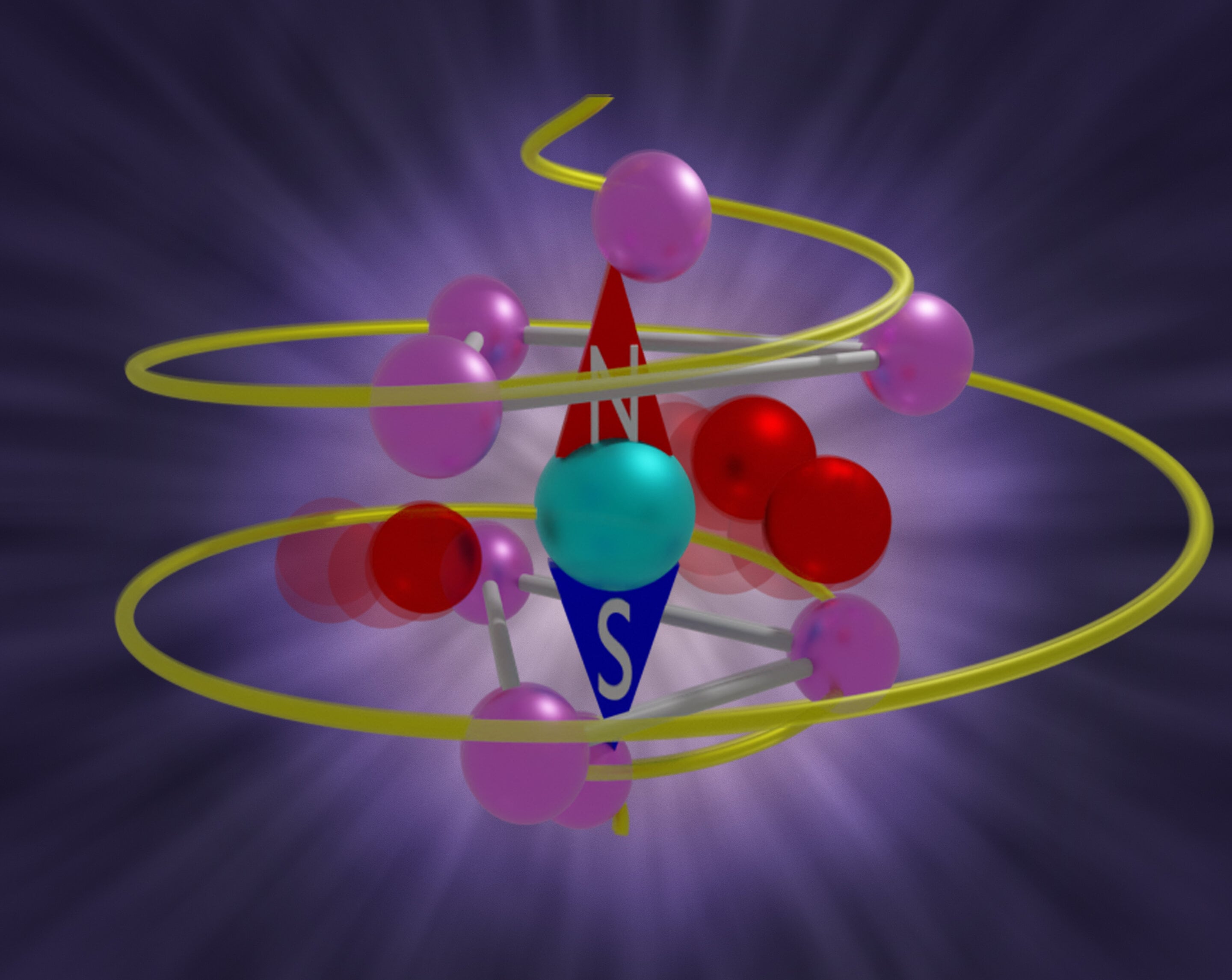
Harnessing Chiral Phonons Unlocks Quantum Transformation and Magnetic Phenomena

Researchers at Rice University have discovered that when the atomic lattice in a rare-earth crystal vibrates in a corkscrew-shaped motion called a chiral phonon, the crystal becomes magnetized. By exposing cerium fluoride to ultrafast pulses of light, the spins of electrons align with the atomic rotation, resulting in magnetization. This effect, known as spin-phonon coupling, has potential applications in developing novel magnetic and quantum materials. The study provides insights into the interaction between chiral phonons and material properties, contributing to the understanding of quantum effects in solids.

science2 years ago

LuH2±xNy does not exhibit near-ambient superconductivity.

Researchers have concluded the absence of near-ambient superconductivity in nitrogen-doped lutetium hydride (LuH2±xNy) under pressures below 40.1 GPa. The study used a high pressure and high temperature synthesis technique to obtain LuH2±xNy and observed a gradually improved metallic behavior without showing superconductivity down to 2 K. Temperature dependence of magnetization under high pressures shows a very weak positive signal between 100 and 320 K, and the magnetization increases with magnetic field at 100 K, all of which are not expected for superconductivity at 100 K.

science-and-technology2 years ago

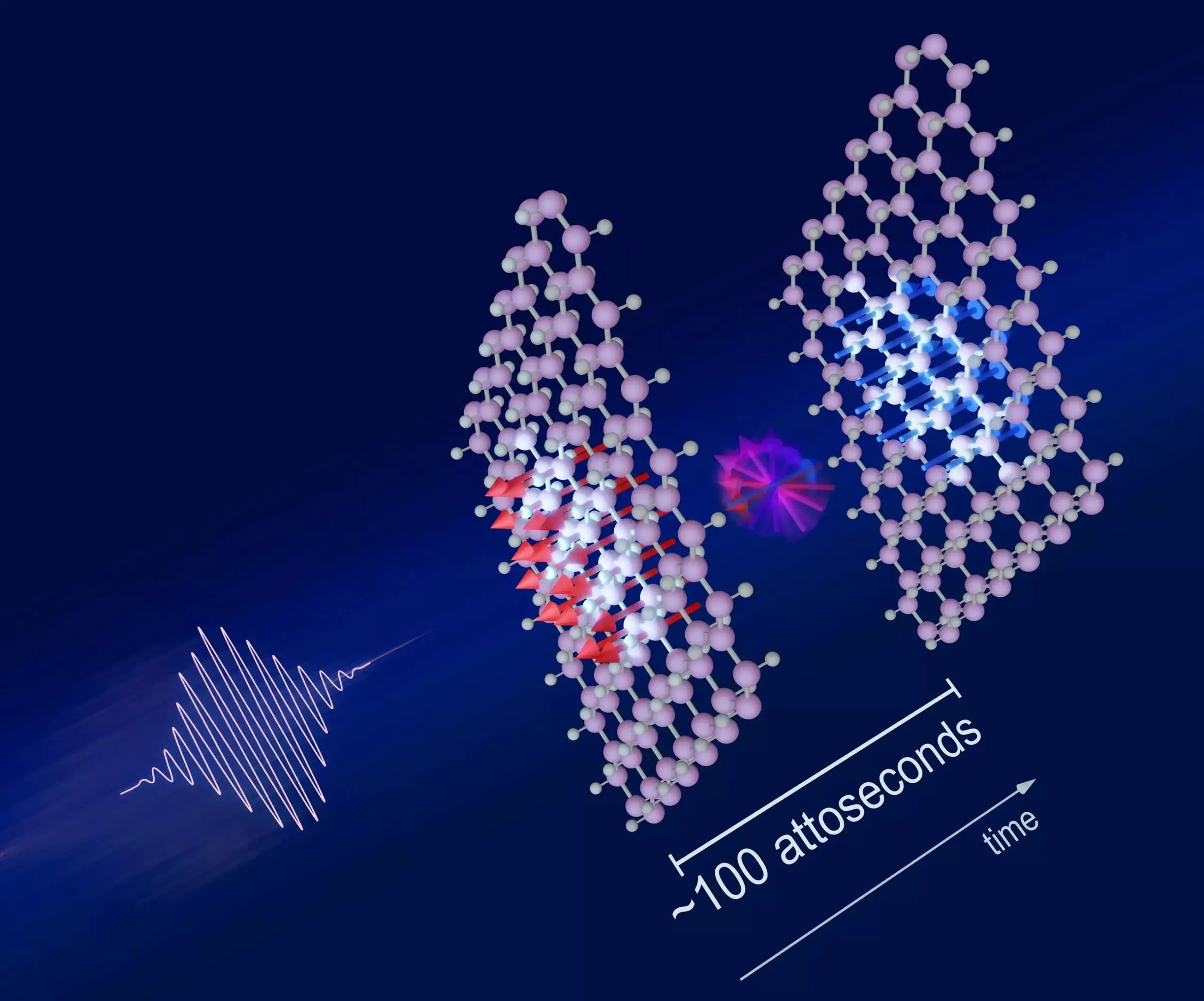
Attosecond Lasers Induce Ultrafast Magnetization in Solids

Theoretical physicists at the Max Planck Institute for the Structure and Dynamics of Matter (MPSD) have discovered that intense laser light can create attosecond magnetism in solids with heavy atoms, offering new insights into magnetization and potentially enabling ultrafast memory devices. The team used advanced simulations to investigate the magnetization process in several 2D and 3D materials and found that, in structures with heavy atoms, the fast electron dynamics initiated by the laser pulses can be converted to attosecond magnetism. The magnetization evolves on extremely short timescales, less than 500 attoseconds, which is a prediction for the fastest magnetic response ever.