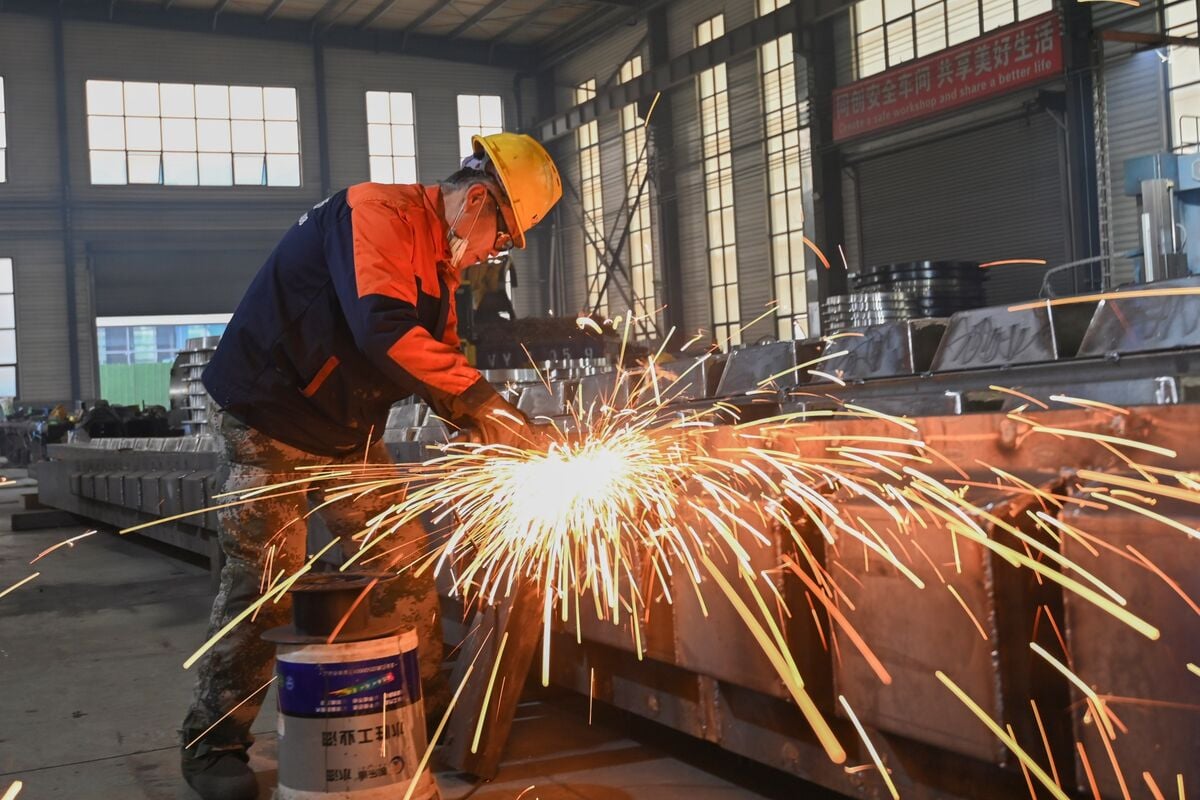
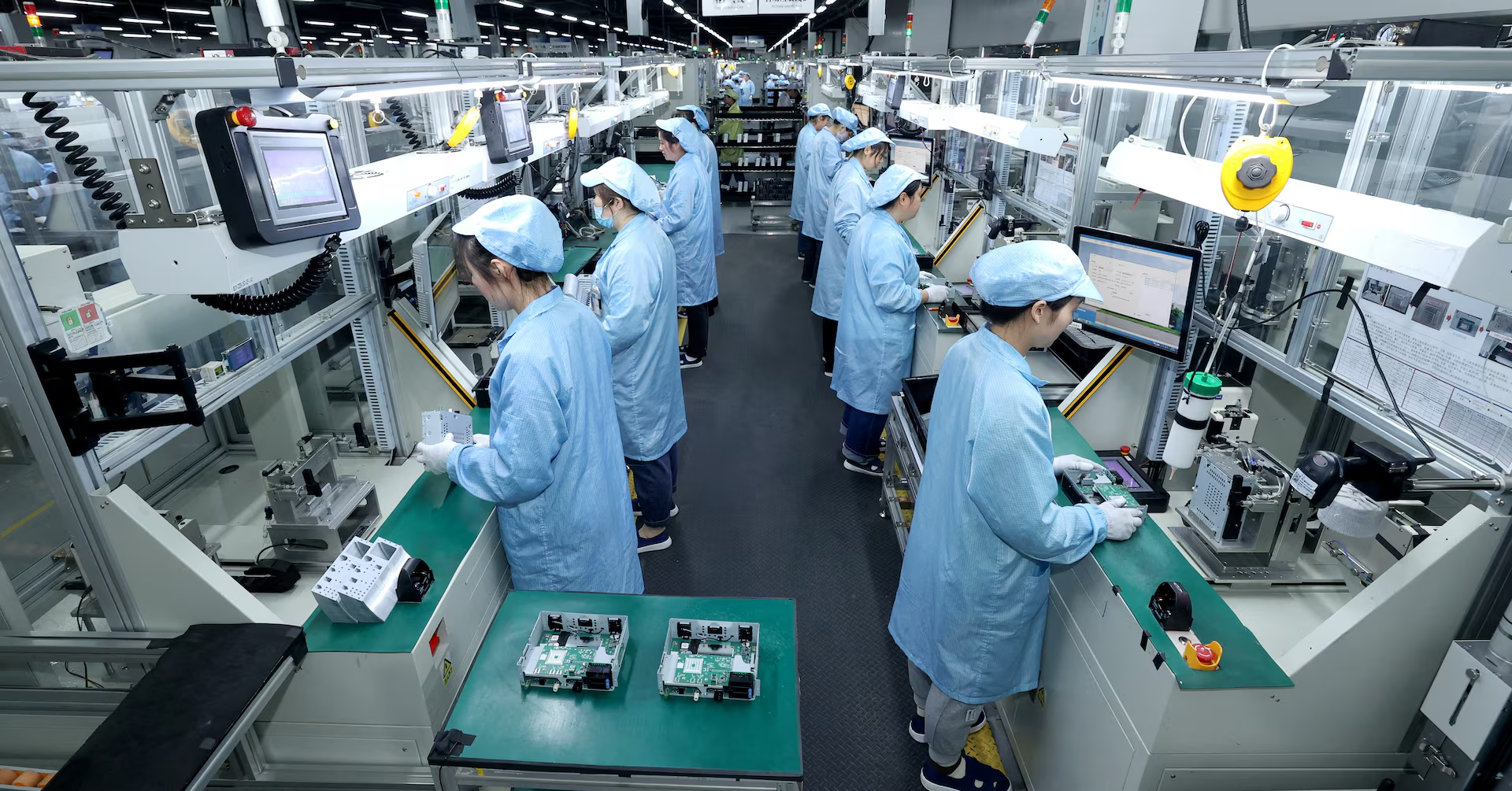
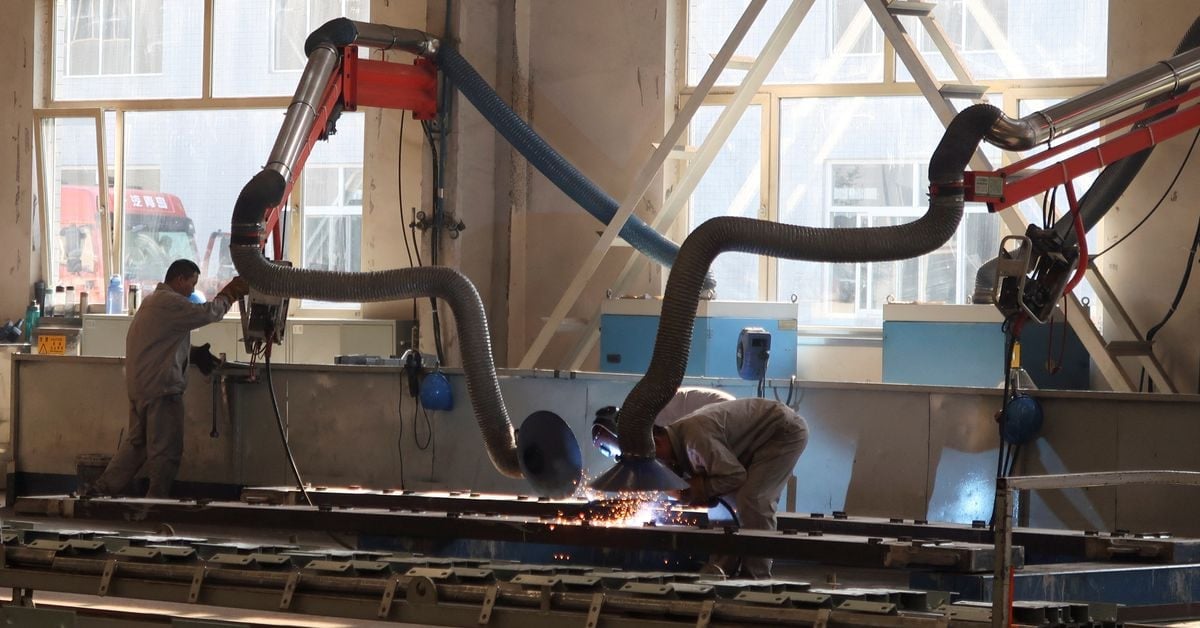
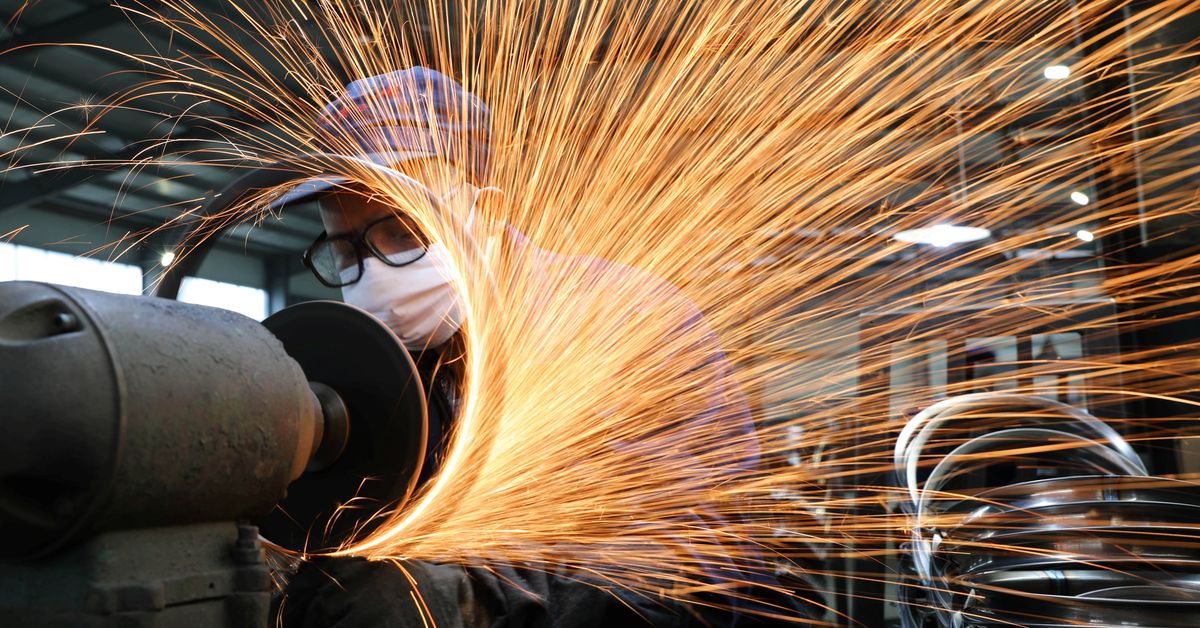
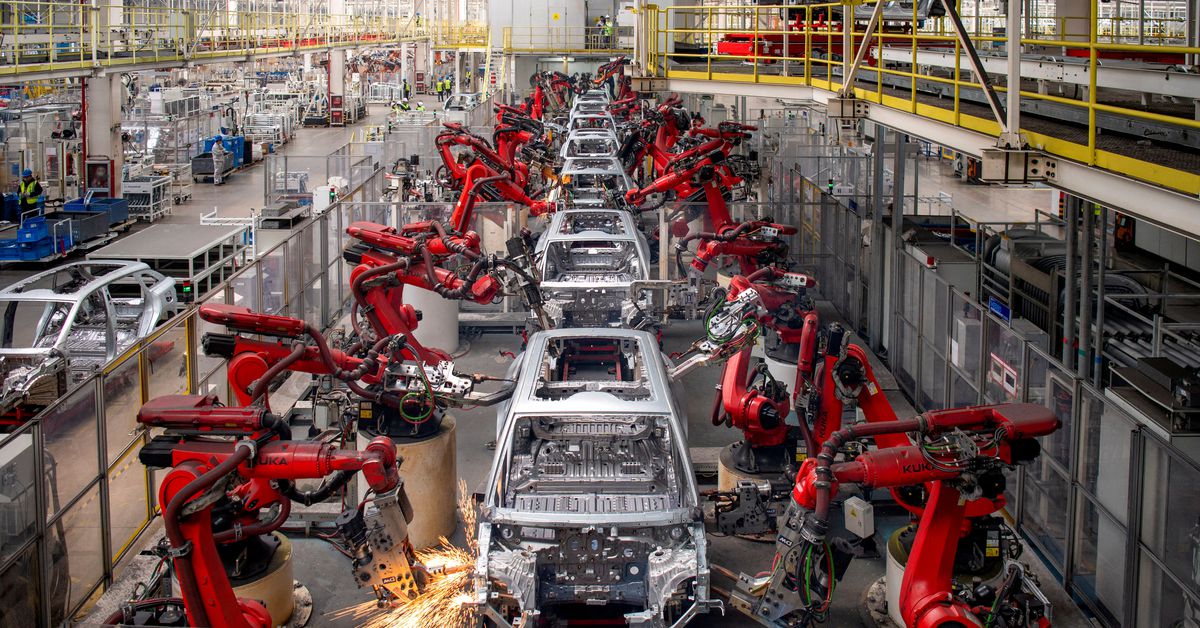
China's factory activity grew in December for the first time in nine months, signaling a potential recovery and helping the country meet its 2025 economic targets of about 5% growth, despite ongoing challenges and a cautious policy approach.
China's November retail sales growth sharply missed expectations, indicating a deepening economic slowdown with declines in consumption, investment, and industrial output, amid ongoing property sector struggles and cautious consumer sentiment. Despite government pledges for policy support, concerns remain about the sustainability of growth and reliance on exports, with calls for structural reforms and increased domestic demand measures.
China's factory output and retail sales growth slowed to their lowest levels in months, signaling a weakening economy amid domestic demand issues, property sector slowdown, and external trade tensions, prompting calls for increased policy support to meet growth targets.
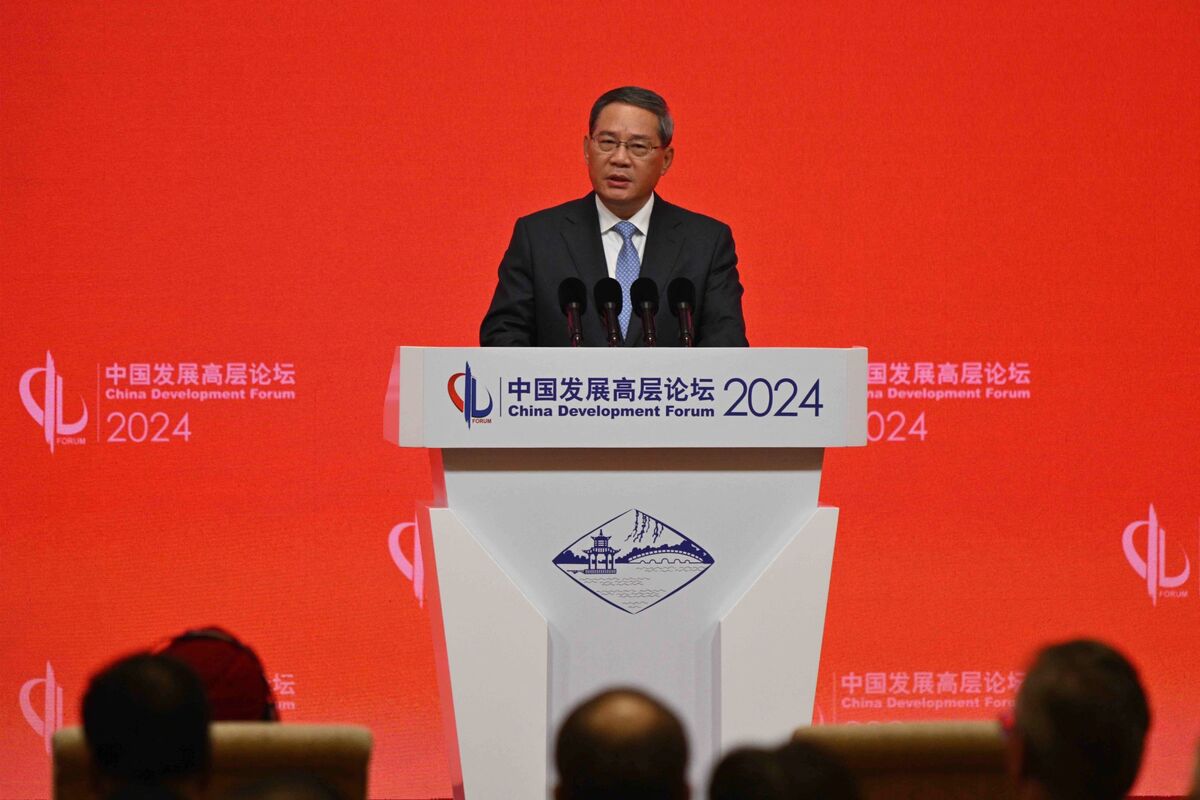
Chinese Premier Li Keqiang reassured investors by downplaying concerns about the economy, emphasizing that Beijing is increasing policy support to stimulate growth and address systemic risks. He highlighted ample room for macroeconomic policies to expand, citing low consumer price growth and manageable central government debt levels, while also noting that overall demand in China remains insufficient.
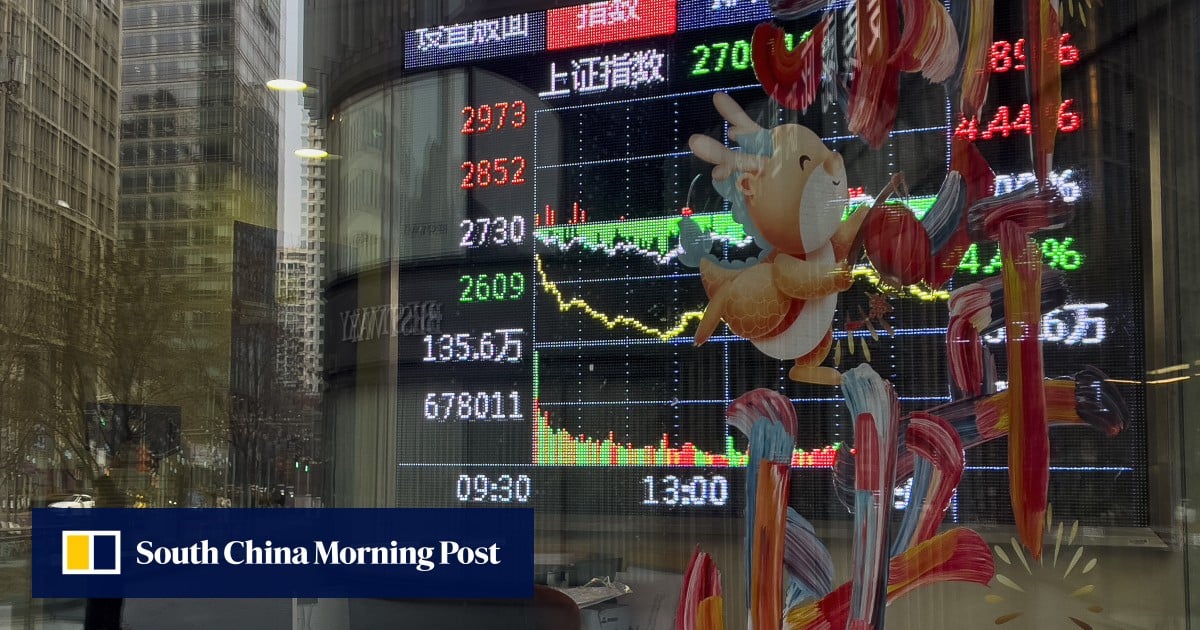
Chinese stocks are expected to open strong after the Lunar New Year break, buoyed by positive travel and tourism data indicating increased consumption despite economic challenges. Offshore Chinese shares have already seen gains, suggesting potential for onshore shares to catch up. Market watchers anticipate a short-term boost for equities, supported by state intervention and positive data, but doubts linger about the market's long-term prospects amid economic woes and geopolitical tensions. Traders are hopeful for further policy support and stimulus measures ahead of key annual meetings in March.
China's consumer prices fell the fastest in three years in November, with the consumer price index (CPI) dropping 0.5% year-on-year and month-on-month, indicating rising deflationary pressures and weak domestic demand. The producer price index (PPI) also fell 3.0% year-on-year, marking the 14th straight month of decline. The data, along with recent mixed trade data and manufacturing surveys, has increased calls for further policy support to shore up growth. Economists warn of persistently sluggish demand and emphasize the need for China to prioritize sustainable and balanced growth.
China's recent policy support measures, including the issuance of 1 trillion yuan in government debt, should be seen as stop-gap measures rather than economic stimulus, according to Societe Generale's Asia chief economist. The measures are aimed at fixing the system and resolving the debt problem, particularly in the real estate sector, which has been hit hard by the housing correction. While there are signs of expansion in the services and manufacturing sectors, there is a divergence between official and private surveys, indicating the fragility of the Chinese economy and the need for further stabilization efforts.
China's industrial profits grew for a third consecutive month in October, but at a slower pace, indicating the need for further policy support to boost the country's economy. The 2.7% year-on-year increase in profits narrowed from previous months, putting pressure on authorities to provide more assistance to manufacturers amid soft global demand. Profits for the first 10 months of 2023 declined 7.8% compared to the previous year. China's economy has faced challenges including housing market distress, local government debt risks, slow global growth, and geopolitical tensions. The government has implemented various support measures, but the impact has been limited, prompting calls for additional stimulus.
Goldman Sachs predicts that Chinese stocks may experience their first annual gain in four years in 2024, as the policy environment becomes more supportive. The investment bank highlights sectors such as mass consumer markets and technology, media, and telecom as potential winners in China's ongoing rebalancing. They expect the MSCI China and CSI 300 indexes to rise 12% and 15% respectively, driven by estimated earnings growth of around 10% and moderate valuation gains. Goldman Sachs also identifies opportunities in sectors like artificial intelligence and new infrastructure, while downgrading sectors such as consumer services and insurance due to exposure to the Chinese property crisis. They believe the Chinese housing deleveraging process will continue to impact economic growth in the coming years, necessitating policy support.
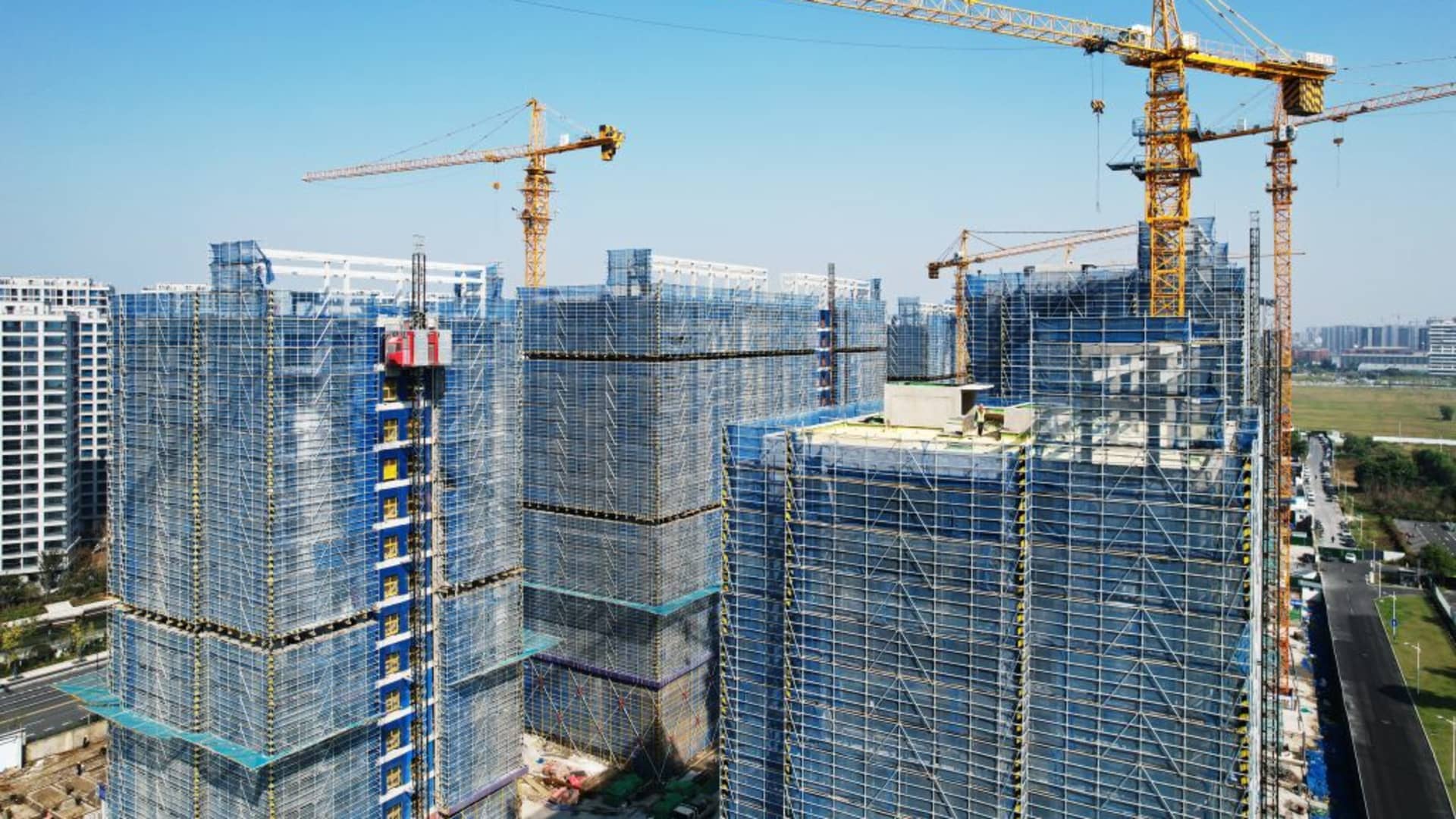
The size of unfinished, pre-sold homes in China is approximately 20 times larger than the property developer Country Garden, according to a report by Nomura. Around 20 million units of unconstructed and delayed pre-sold homes are estimated to exist, requiring about 3.2 trillion yuan ($440 billion) to complete. Delays in construction have led to homebuyers becoming increasingly impatient, potentially endangering social stability. Beijing may need to significantly increase policy support to restore confidence in the property sector and the economy. Developers are struggling to deliver on pre-sold homes due to financing difficulties and construction challenges caused by the pandemic.
China's manufacturing activity unexpectedly contracted in October, with the official purchasing managers' index (PMI) falling to 49.5 from 50.2, indicating a slowdown in the world's second-largest economy. The non-manufacturing PMI also fell, suggesting a slowdown in the service sector and construction. Weak demand related to the housing slump and a slowdown in infrastructure spending were cited as factors. Despite recent policy support measures, including interest rate cuts and fiscal stimulus, more support may be needed to reach Beijing's annual growth target.
China's industrial profits continued to rise for a second consecutive month in September, with a year-on-year increase of 11.9%, following a surprise gain of 17.2% in August. The recovery in profits is attributed to supportive policy measures and stronger industrial and consumption activity. Although profits for the first nine months of the year were down 9% compared to the previous year, the decline narrowed from the first eight months. The improvement in industrial profits is expected to continue in the coming months, driven by domestic macro pump-priming. However, the property sector's weakness remains a drag on the economy and corporate earnings. State-owned firms saw the biggest decline in earnings, while private-sector companies recorded a smaller slide.
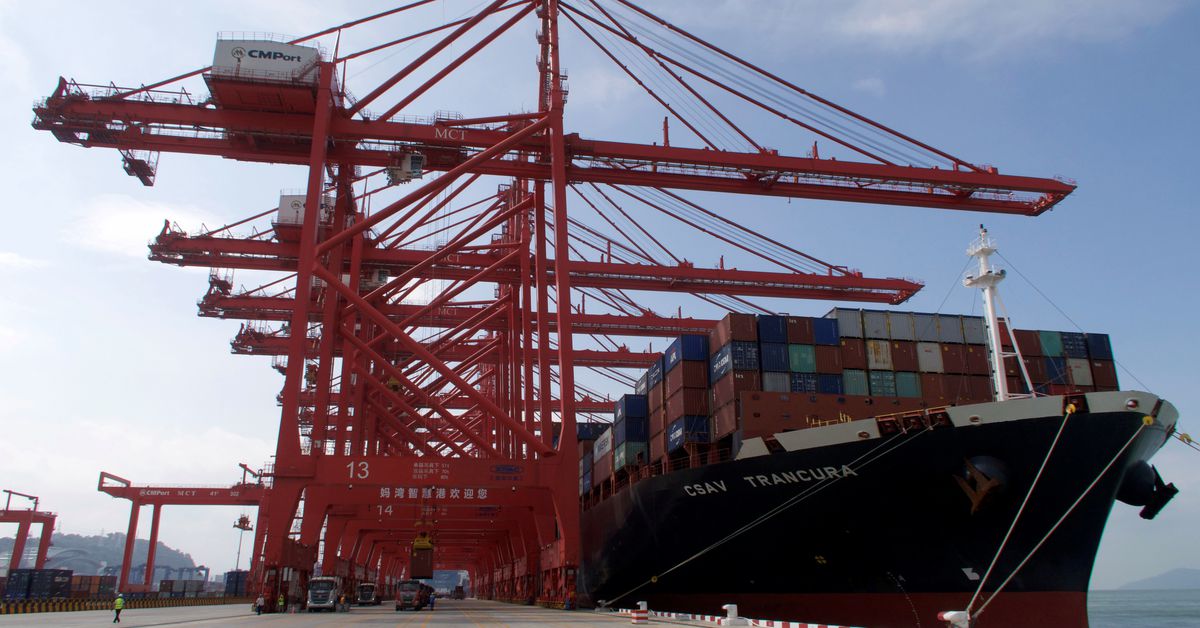
China's trade slump showed signs of easing as exports fell less than forecast in September, indicating a gradual recovery. However, challenges persist as deflationary pressures and a long-running property crisis continue to hinder economic growth. While policy support measures have stabilized certain sectors, uncertainties over employment, household income, and weak confidence among private firms pose risks to a durable rebound. China's credit growth also showed signs of steadying, with new bank lending increasing in September. Economists caution that it is too early to determine the trajectory of domestic demand, and further policy support may be necessary.
Beijing is taking steps to support China's struggling housing market, which has been in a state of decline. While the market may receive a boost in late 2023, it is expected to continue facing structural challenges in the long run.
China's consumer prices rose 0.1% in August, returning to positive territory, while factory-gate price declines slowed, indicating easing deflation pressures. However, analysts suggest that more policy support is needed to boost consumer demand as the labor market recovery slows and household income expectations remain uncertain. The producer price index fell 3.0% from a year earlier, the smallest drop in five months. China's central bank may continue to cut interest rates and bank reserve requirement ratios to stimulate growth, as the country aims to achieve its 2023 growth target of around 5%.