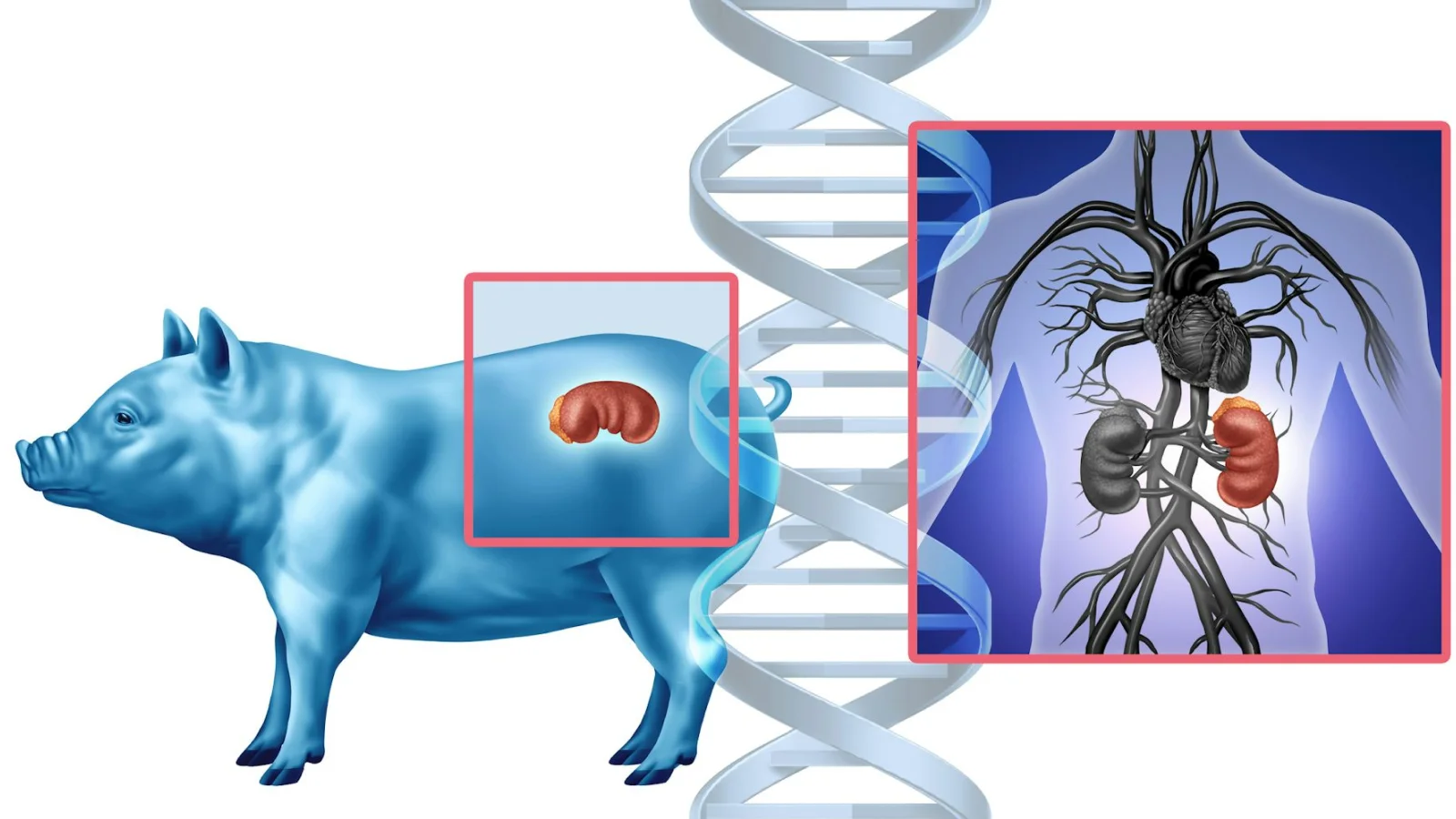
Scientists are making progress in transplanting genetically modified pig kidneys into humans to address organ shortages, despite ethical debates about creating human-like animals and the risks involved. The article discusses the scientific advancements, ethical concerns about animal welfare and moral status, and the regulatory history surrounding the use of animal organs and chimeras.
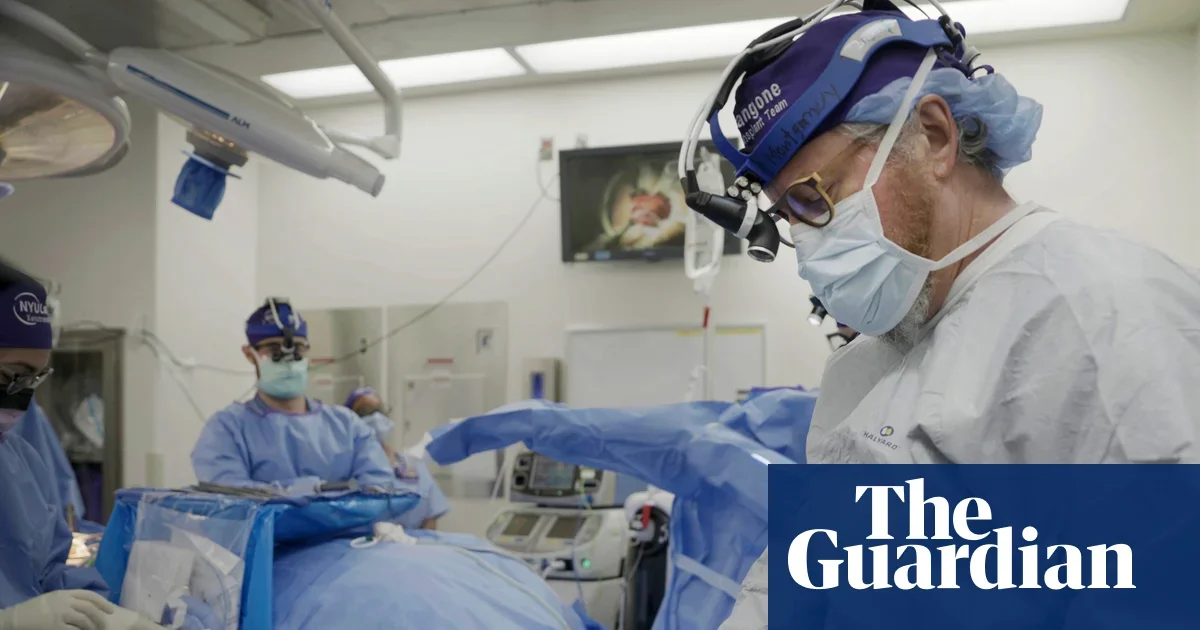
A leading surgeon, Dr. Robert Montgomery, discusses the potential of pig organ transplants, which have been gene-edited to reduce rejection, as a promising solution to the organ shortage crisis, with initial trials showing positive results and the possibility of future improvements making pig organs potentially superior to human ones.
Chinese scientists have achieved another milestone in pig organ transplants by successfully transplanting a pig's kidney with multiple gene edits into a brain-dead human recipient, following their recent world's first pig liver transplant on a human. The transplanted kidney has been functioning well for 13 days, offering hope for end-stage kidney disease patients. The use of pig organs, with gene editing to reduce rejection risk, could provide a solution to organ shortages and help patients waiting for human donors. This breakthrough in xenogenic organ transplantation may pave the way for life-saving operations for millions of people.
As the demand for organ transplants continues to outstrip the supply of human donors, researchers are exploring the potential of xenotransplantation, which involves transplanting organs from genetically modified pigs into humans. Recent breakthroughs in gene editing and infection control have paved the way for clinical trials, with successful transplants of pig kidneys and hearts into brain-dead individuals. While these transplants have shown promise, challenges such as organ rejection and infection risks still need to be addressed. Despite setbacks, experts believe that xenotransplantation could provide a short-term solution to the organ shortage and potentially save thousands or millions of lives in the future.