Mucus production increases when sick, with color and consistency providing clues about health issues. While yellow or green mucus can suggest bacterial infection, it doesn't definitively require antibiotics, and other symptoms should guide medical consultation. Drinking fluids and using decongestants may help, but persistent or severe symptoms warrant professional advice.
Phlegm, also known as sputum, is a slimy substance found in the throat and lungs that helps trap harmful particles and lubricate tissues. Excess phlegm can be caused by infections, allergies, or chronic respiratory illnesses. The color of phlegm can indicate health issues, with clear phlegm being normal and yellow or green indicating a bacterial infection. Home remedies to reduce phlegm include drinking fluids, using a humidifier, gargling with salt water, and using expectorant medication. Seek medical care if phlegm persists for more than three or four weeks, or if accompanied by chest pain, wheezing, or difficulty breathing.
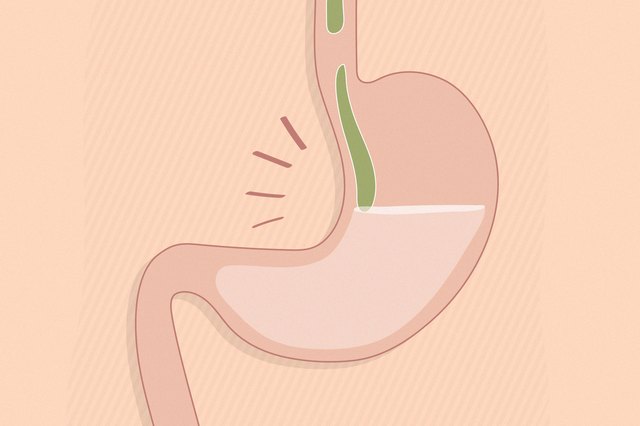
Swallowing mucus is not harmful, but it can be uncomfortable when you have a lot of it running down your throat. Mucus is a lubricating substance that lines the surface of your lungs, mouth, sinuses, stomach, and intestines, and it helps trap and remove bacteria, viruses, or other particles that could make you sick. When sick or reacting to allergies, the body secretes more mucus as a means of increasing that barrier and clearing the pathogens, which often drips down the back of the throat and is swallowed. There are remedies to ease excessive mucus production, such as using a nasal saline spray or rinse, putting a warm, moist towel on your face, running a humidifier, paying attention to your diet, and trying over-the-counter medication.