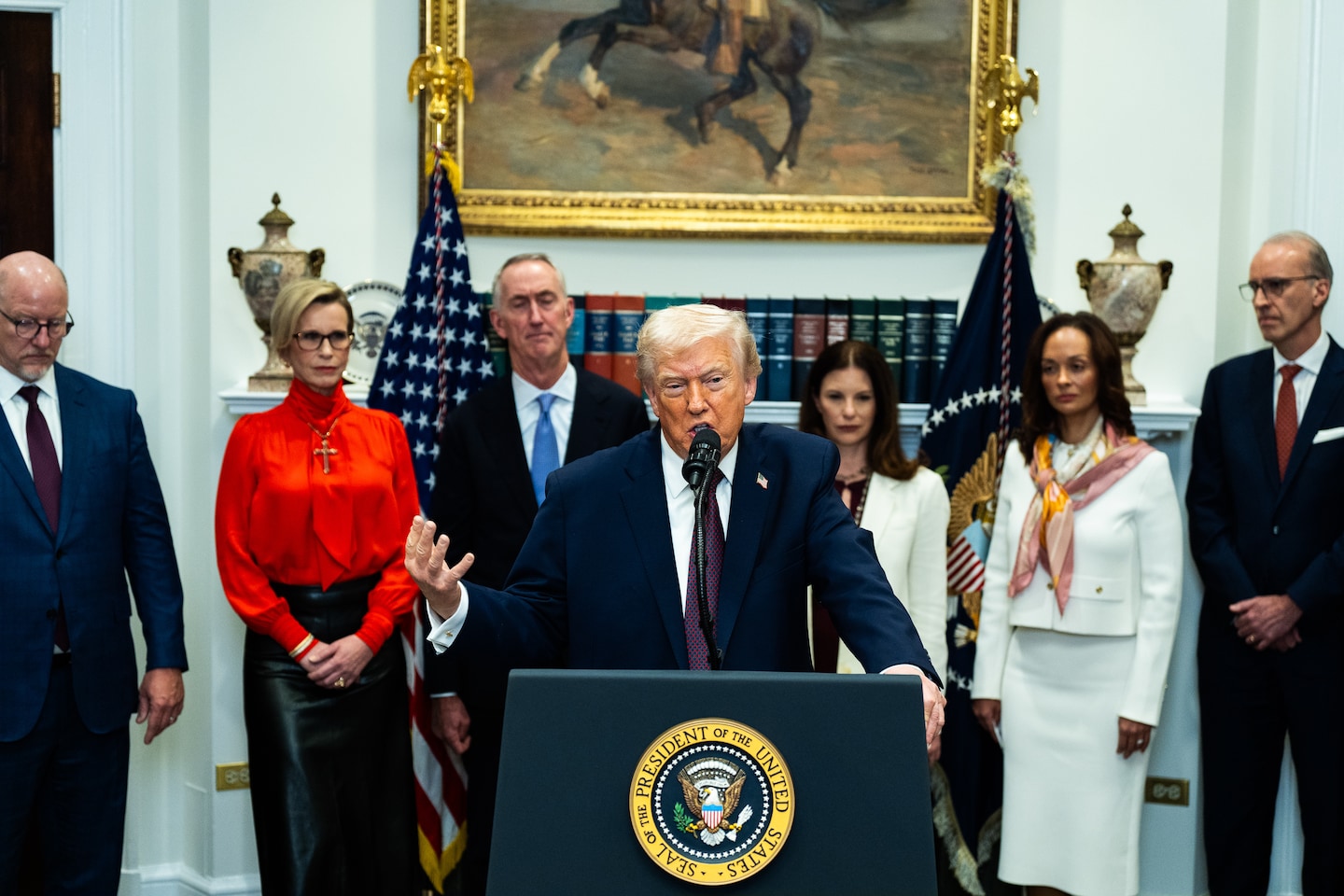
Several drug companies have agreed to lower their drug prices through 'Most Favored Nation' deals with the Trump administration, following initial hesitation from pharmaceutical executives after President Trump called for voluntary price cuts in May.
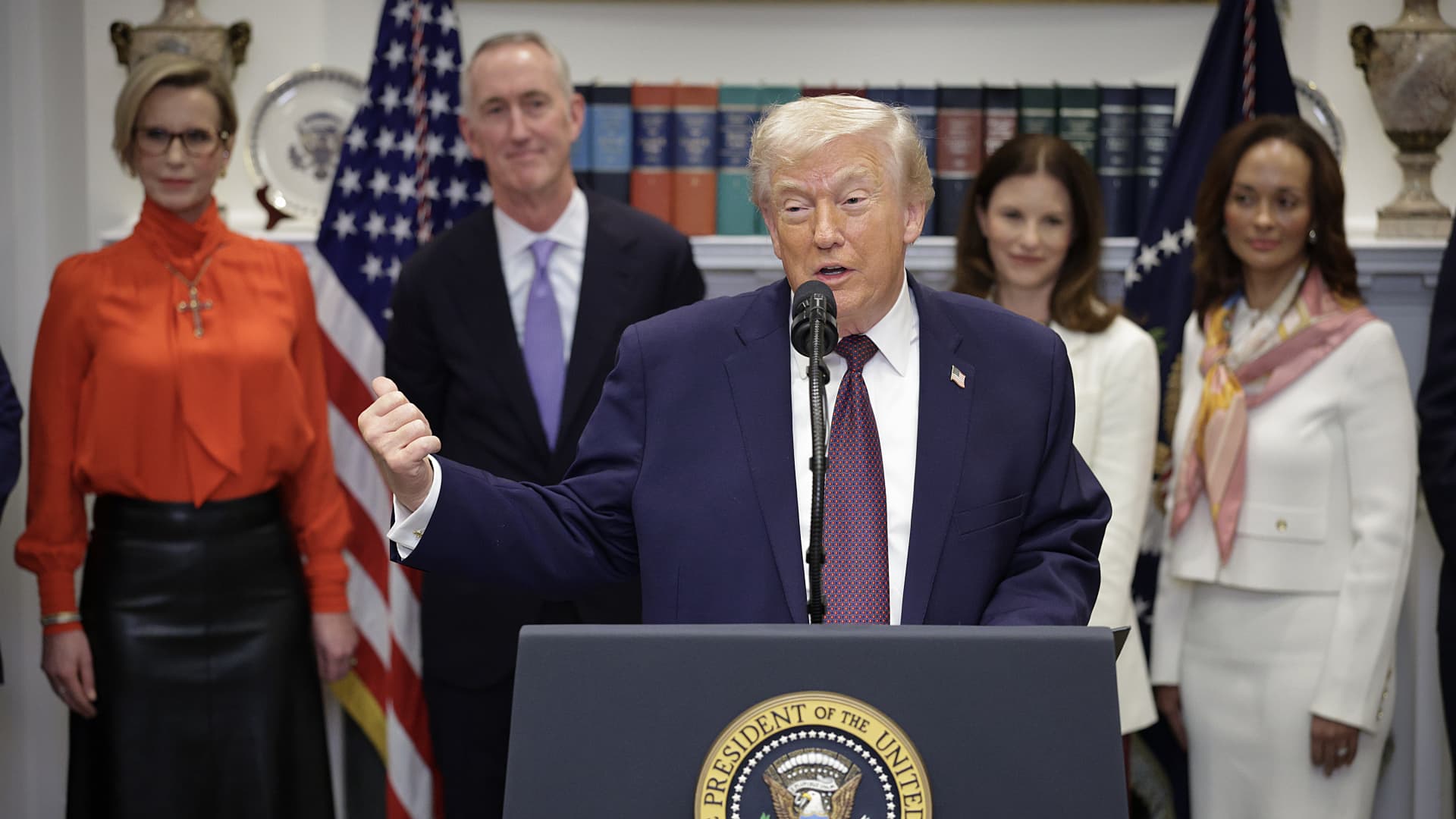
Several major pharmaceutical companies, including Merck, Bristol Myers Squibb, and Gilead, have agreed to lower drug prices in the U.S. through voluntary deals with President Trump, which include offering certain medications at discounted rates and listing drugs on a new direct-to-consumer platform, in exchange for a temporary exemption from tariffs and commitments to invest in U.S. manufacturing.
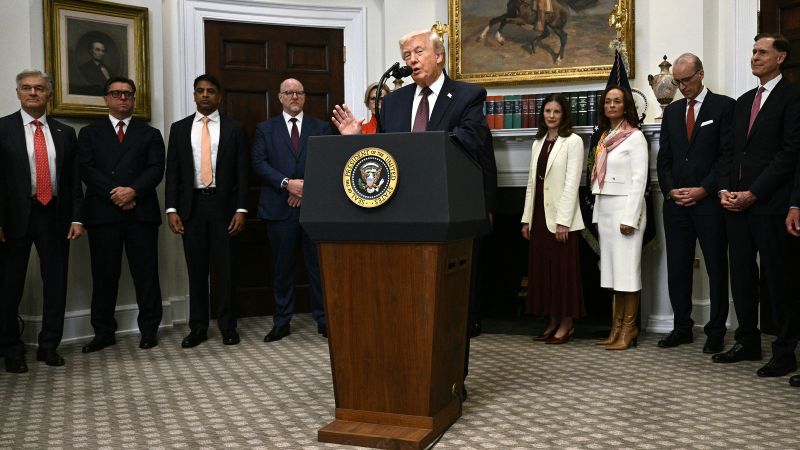
President Trump announced new 'Most Favored Nation' drug pricing deals with nine pharmaceutical companies to lower drug costs and plans to meet with insurers to address rising health insurance premiums, amid skepticism about the impact of these measures.
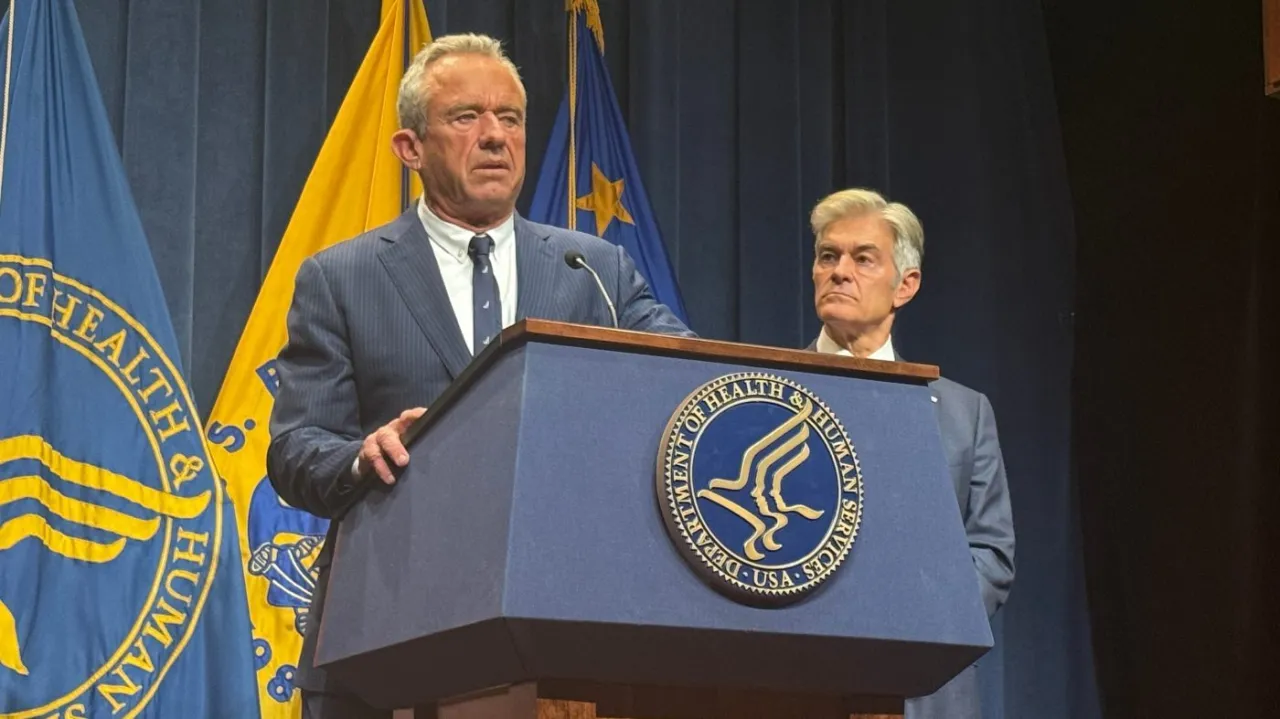
The Trump administration's CMS is launching a five-year pilot in 2026 to link Medicaid drug prices to lower international prices through a 'Most Favored Nation' model, allowing participating states to negotiate lower prices for certain drugs, amid ongoing debates about its impact on drug costs and rebates.
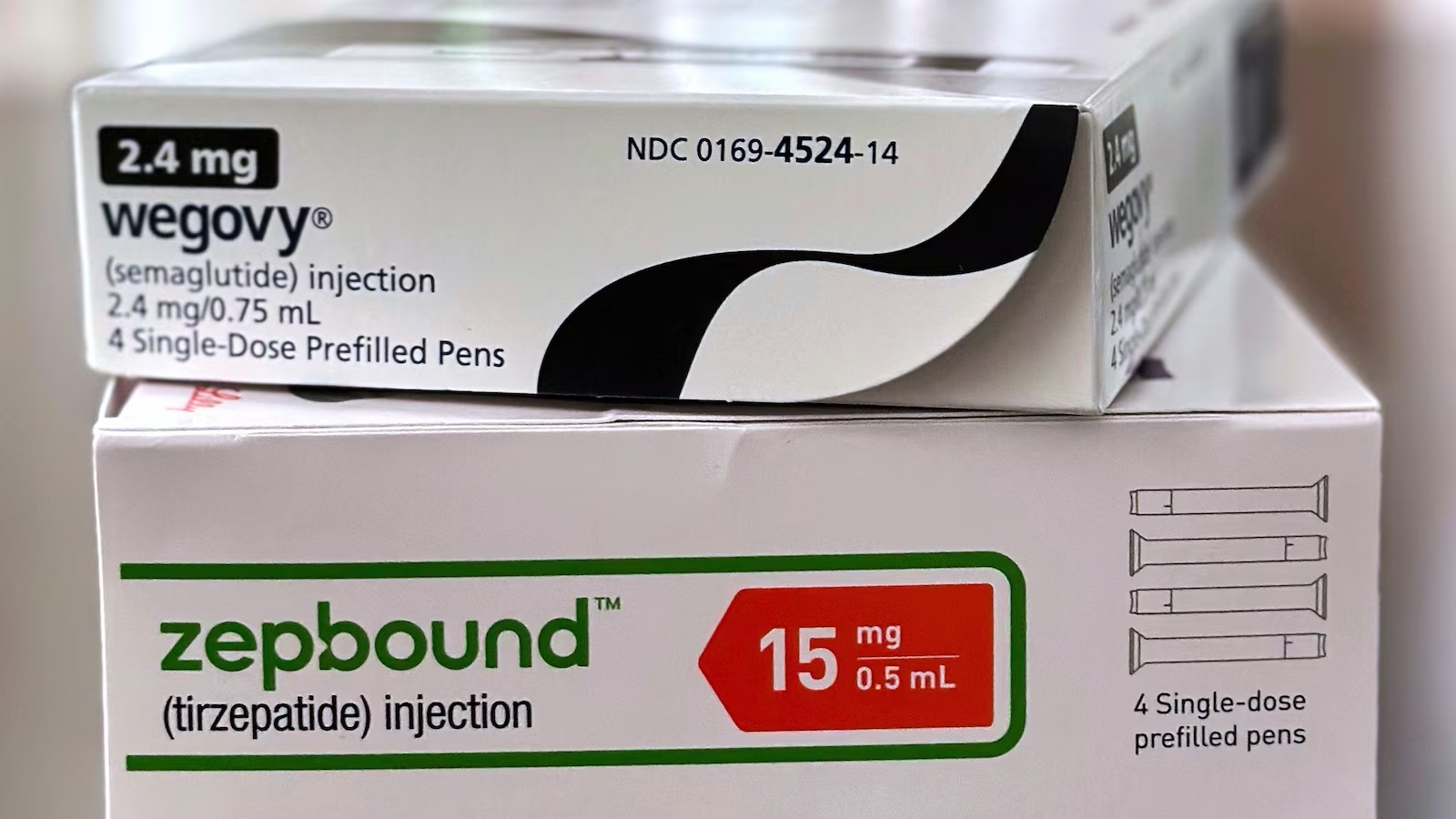
The Trump administration announced deals with Novo Nordisk and Eli Lilly to lower the cost of GLP-1 drugs for Americans, including Medicare beneficiaries, with prices starting at $150 for pills and $350 for injectables, aiming to expand access and reduce costs for obesity and diabetes treatments.
President Donald Trump announced a deal with AstraZeneca to lower prescription drug prices in the US, claiming significant discounts and leveraging tariff threats to secure manufacturing investments and delay tariffs, as part of his broader effort to reduce drug costs and bring manufacturing back to the US.