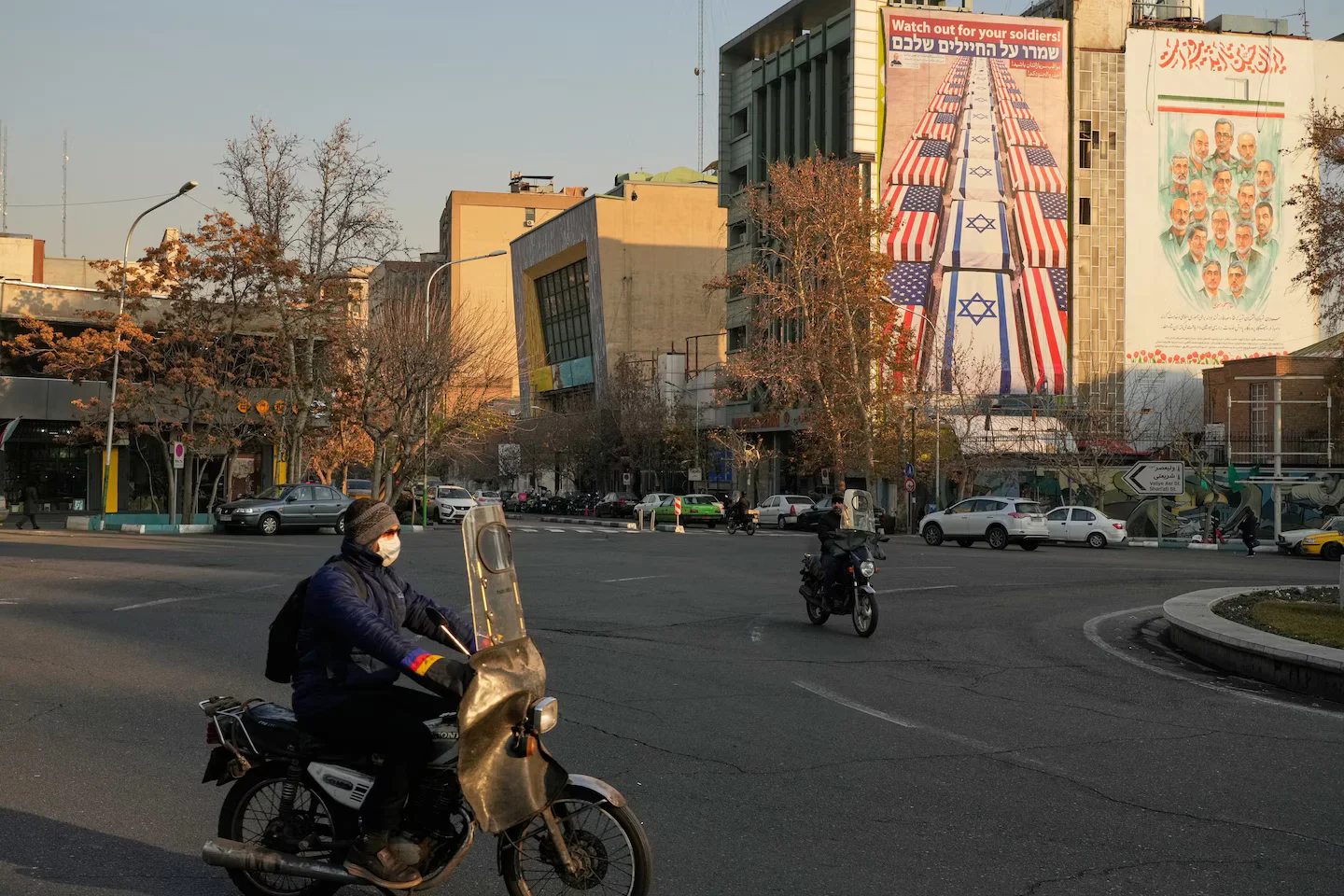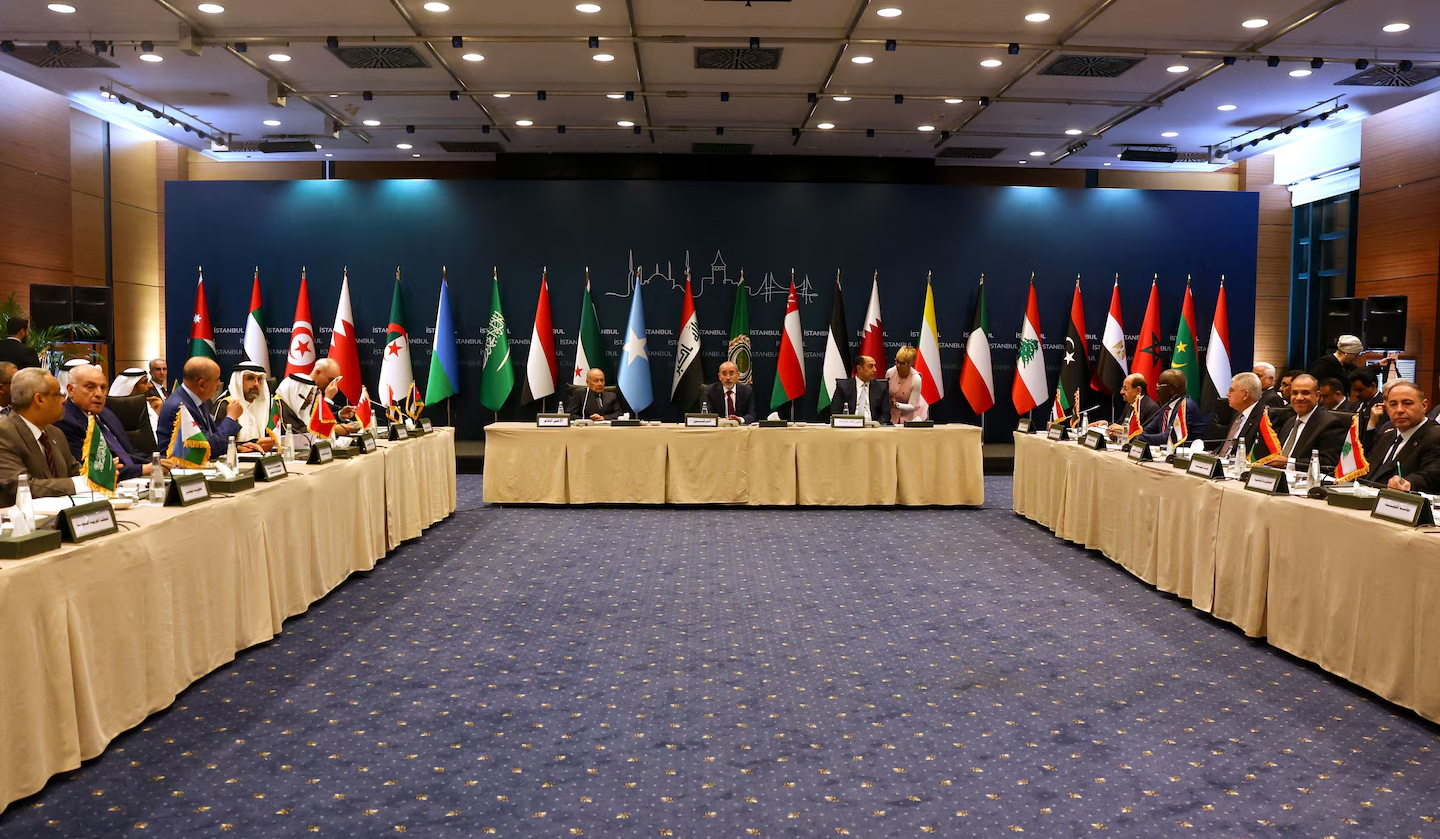
Arab states, including Saudi Arabia and the UAE, expressed concern and called for de-escalation after US strikes on Iranian nuclear sites, fearing they could become collateral in a wider conflict between the US and Iran.
An astronaut aboard the International Space Station captured a striking photo of the Persian Gulf, showcasing its role as a border for eight countries and its connection to the Indian Ocean through the Strait of Hormuz. The image also highlights the impact of tectonic activity, with the formation of the Persian Gulf and the Zagros Mountains in southern Iran. The photo offers a unique perspective of Earth and the region's significance in global shipping, particularly for oil and petroleum products.
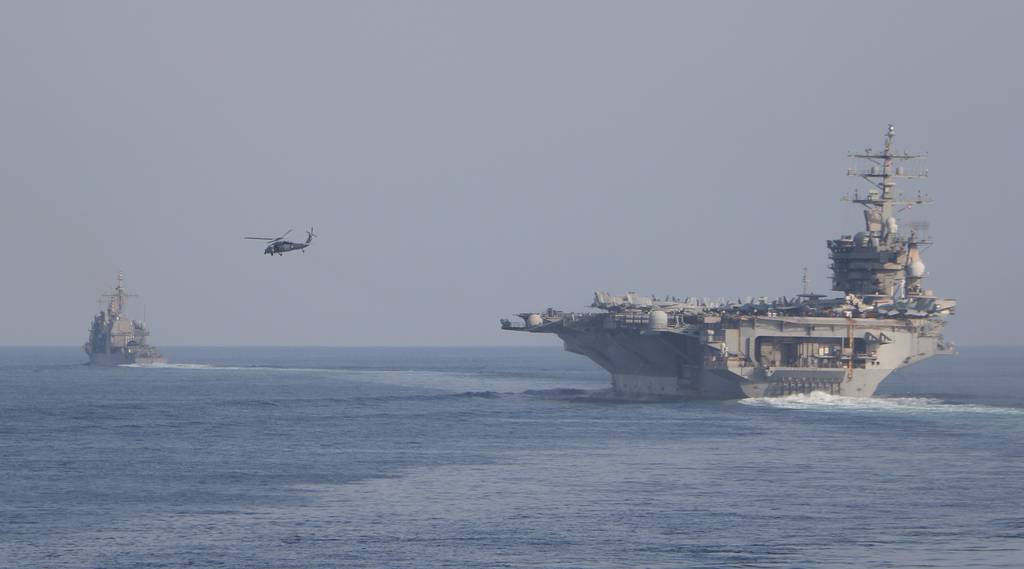
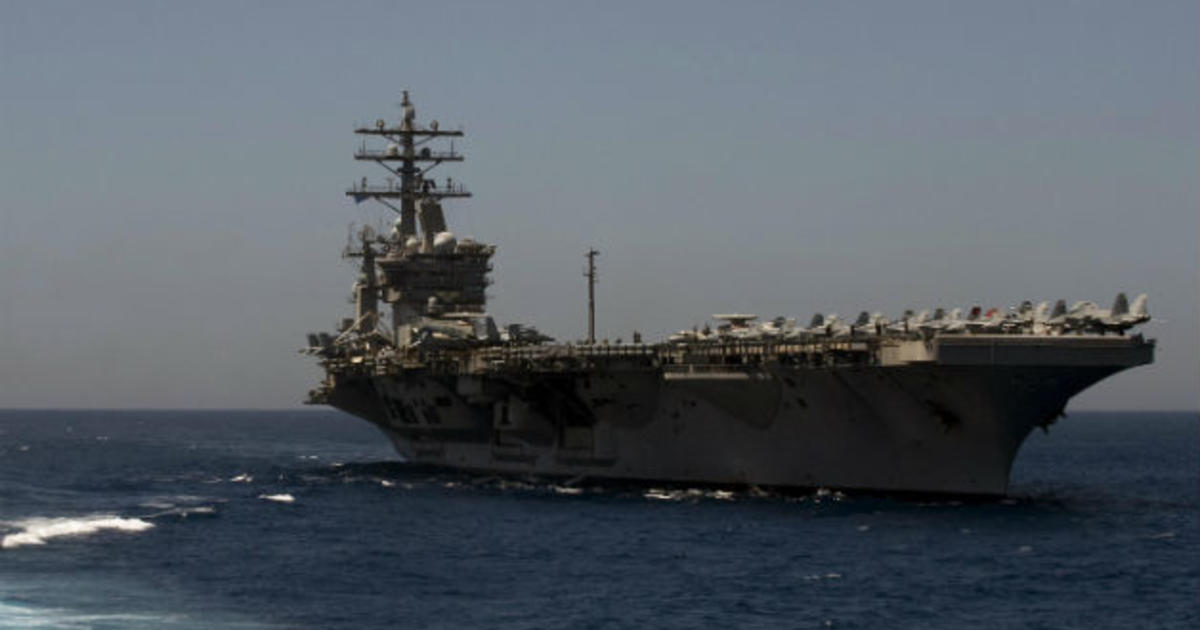
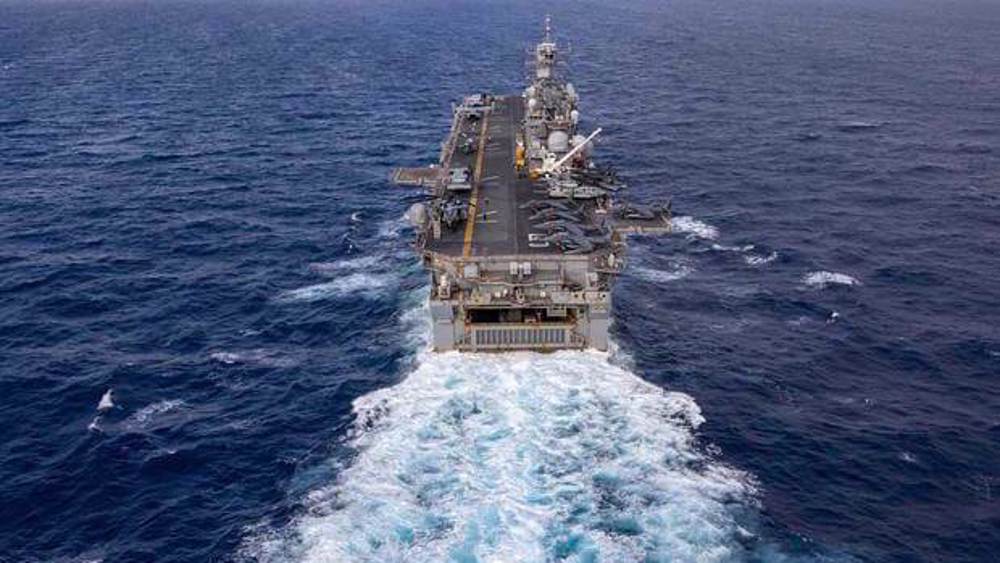
The aircraft carrier Dwight D. Eisenhower and its carrier strike group have entered the Persian Gulf after transiting the Strait of Hormuz, marking the first carrier to operate in those waters since September 2020. The group includes destroyers Mason and Gravely, cruiser Philippine Sea, and Carrier Air Wing 3. While responding to a distress call in the Gulf of Aden, the Mason encountered ballistic missiles fired from Houthi-controlled areas in Yemen. No damage or injuries were reported, and the crew of the commercial vessel is safe. The transit through the strait is crucial for maintaining regional security and stability, with over 500 ships passing through it weekly. The deployment to the Middle East was prompted by heightened tensions in the region, including attacks on U.S. troops and intercepting missiles and drones fired by Iran-allied Houthi rebels in Yemen.
The U.S. is redeploying a carrier strike group to the Persian Gulf and sending additional air defense systems to the region amid escalating tensions in the Middle East. Defense Secretary Lloyd Austin also placed additional U.S. forces on "prepare to deploy orders" following discussions with President Biden on recent escalations by Iran and its proxy forces. The move comes as U.S. military bases in Iraq and Syria have seen an increase in attacks by Iran-backed Shia militia groups.
An American-owned oil tanker suspected of carrying sanctioned Iranian crude oil offloaded its cargo near Texas, despite threats of retaliation from Iran. The Marshall Islands-flagged Suez Rajan transferred its oil to another tanker near Galveston. The fate of the cargo has become entangled in the tensions between the US and Iran, as Tehran tries to evade sanctions and continue selling its oil abroad. The US Navy has increased its presence in the region, considering putting armed personnel on commercial ships to prevent Iran from seizing more vessels. Iran has seized two tankers near the Strait of Hormuz, and its paramilitary Revolutionary Guard has warned of further action against anyone involved in offloading the Suez Rajan's cargo.
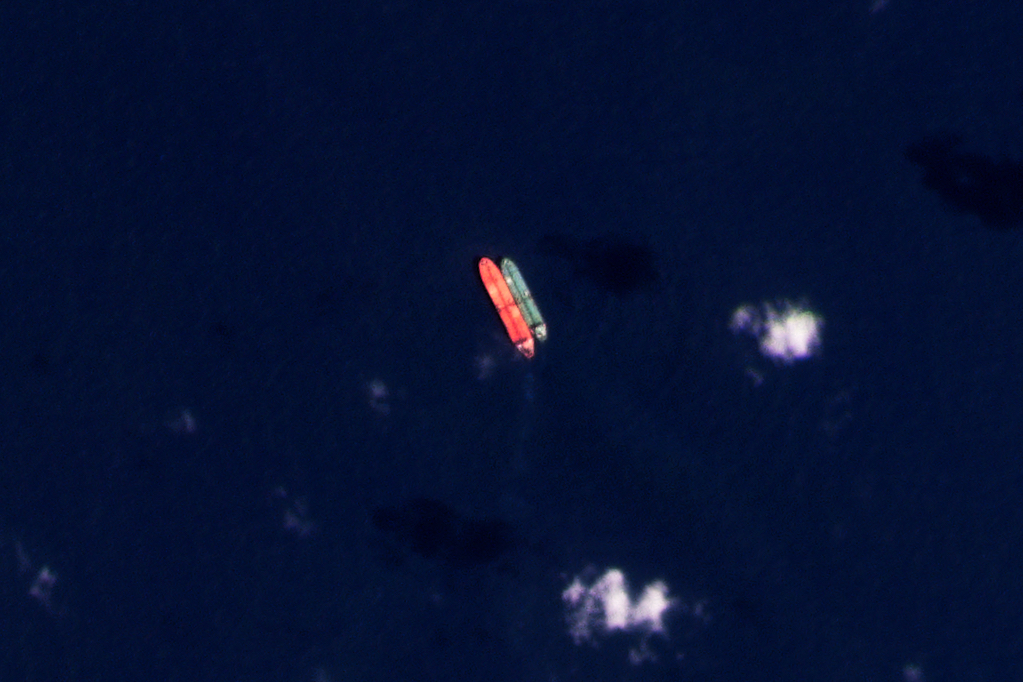
An oil tanker suspected of carrying sanctioned Iranian crude oil has begun offloading its cargo near Texas, despite threats from Iran. The Marshall Islands-flagged Suez Rajan transferred its oil to another tanker, the MR Euphrates, near Galveston. The fate of the cargo has become entangled in the tensions between the US and Iran, as Tehran tries to evade sanctions and continue selling its oil abroad. The US Navy has increased its presence in the region, and Iran has warned that those involved in offloading the cargo should expect retaliation. The offloading of the Suez Rajan's cargo has become a political issue, with US senators calling for enforcement of sanctions and the funds to be used for compensating victims of state-sponsored terrorism.
An oil tanker suspected of carrying sanctioned Iranian crude oil has begun offloading its cargo near Texas, despite threats from Iran. The Marshall Islands-flagged Suez Rajan transferred its oil to another tanker, the MR Euphrates, near Galveston. The fate of the cargo has become entangled in the tensions between the US and Iran, as Tehran tries to evade sanctions and continue selling its oil abroad. The US Navy has increased its presence in the region, considering putting armed personnel on commercial ships to prevent Iran from seizing additional vessels. Iran's Revolutionary Guard has warned that those involved in offloading the cargo should expect retaliation. The offloading of the Suez Rajan's cargo has become a political issue, with US senators calling for enforcement of sanctions and the funds to be used for compensating victims of terrorism.
An American-owned oil tanker, the Suez Rajan, suspected of carrying sanctioned Iranian crude oil, has begun offloading its cargo near Texas, despite threats from Iran. The tanker's cargo has become entangled in the wider tensions between the US and Iran, as Tehran has warned that those involved in offloading the cargo should expect retaliation. Ship-tracking data shows that the oil is being transferred to another tanker, the Mr Euphrates, near Galveston, Texas. The fate of the cargo has been a political issue, with US senators urging the White House to enforce sanctions and use the estimated $56 million worth of cargo to compensate victims of state-sponsored terrorism.
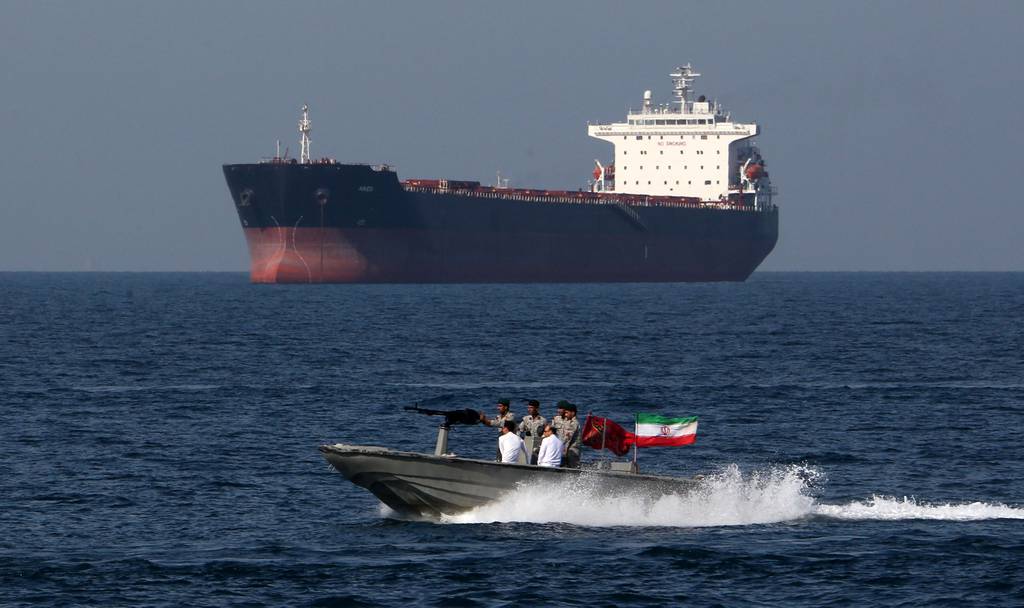
Western-backed maritime forces in the Middle East have issued a warning to shippers traveling through the Strait of Hormuz to stay away from Iranian territorial waters to avoid being seized, highlighting the heightened tensions between Iran and the United States. The warning comes after Iran seized two tankers earlier this year near the strait. The U.S. is considering placing armed troops on commercial ships in the region as a deterrent. A European Union-led maritime organization has also warned of a potential attack on a merchant vessel in the strait. The strait is a crucial shipping lane through which 20% of the world's oil passes, and any disruption could impact global energy markets.
The Persian Gulf region is experiencing extreme heat and humidity, with heat indexes reaching as high as 158 degrees Fahrenheit (70 degrees Celsius). The water temperatures in the Persian Gulf have risen to the highest levels in 20 years, contributing to the intense heat. This summer has seen prolonged periods of scorching weather in the Middle East, as high-pressure systems have spread across the region. The combination of high temperatures and suffocating humidity makes the Persian Gulf region increasingly inhospitable, highlighting the impact of climate change.
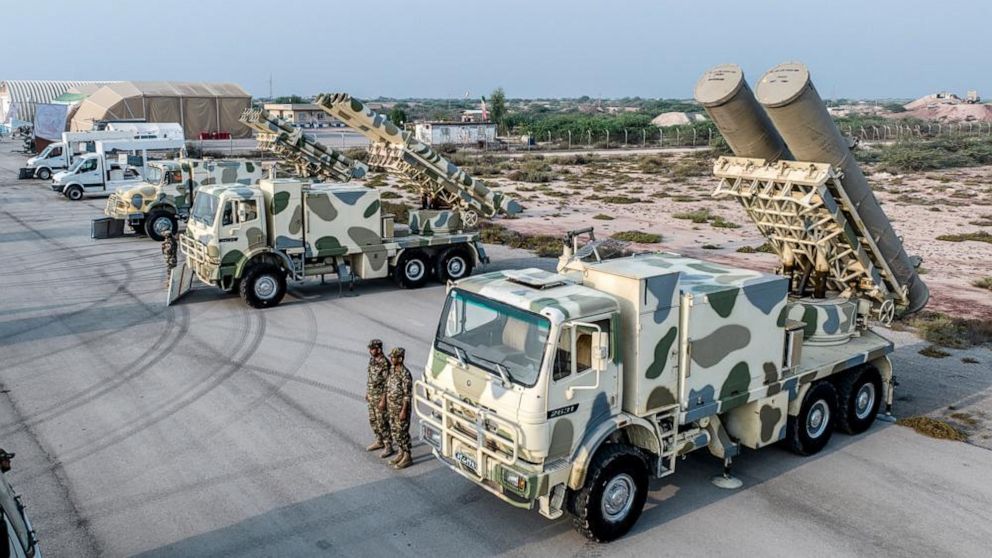
Iran's paramilitary Revolutionary Guard conducted a surprise military drill on disputed islands in the Persian Gulf, primarily focusing on Abu Musa Island. The drill involved small boats, paratroopers, drones, and missile systems. The deployment comes as the US increases its military presence in the region following recent ship seizures by Iran. The US has sent warplanes, fighters, and a destroyer to the Persian Gulf. The drill also serves as a message to Iran's neighbors and highlights its military capabilities. Iran has been trying to signal its displeasure over recent comments about the islands made by Russia, which prompted an outcry in Iran.
Iran's Revolutionary Guard conducted a surprise military drill on disputed islands in the Persian Gulf, focusing on Abu Musa Island and Greater Tunb Island. The drill involved small boats, paratroopers, drones, and missile systems. The exercise comes as the US military increases its presence in the region following recent ship seizures by Iran. The US has deployed warplanes, fighters, and a destroyer to the Persian Gulf. The Pentagon stated that the deployment is in response to Iran's attempts to threaten the free flow of commerce in the Strait of Hormuz. The islands' seizure serves as a reminder of Iran's military strength and its displeasure over recent comments made by Russia regarding the islands.
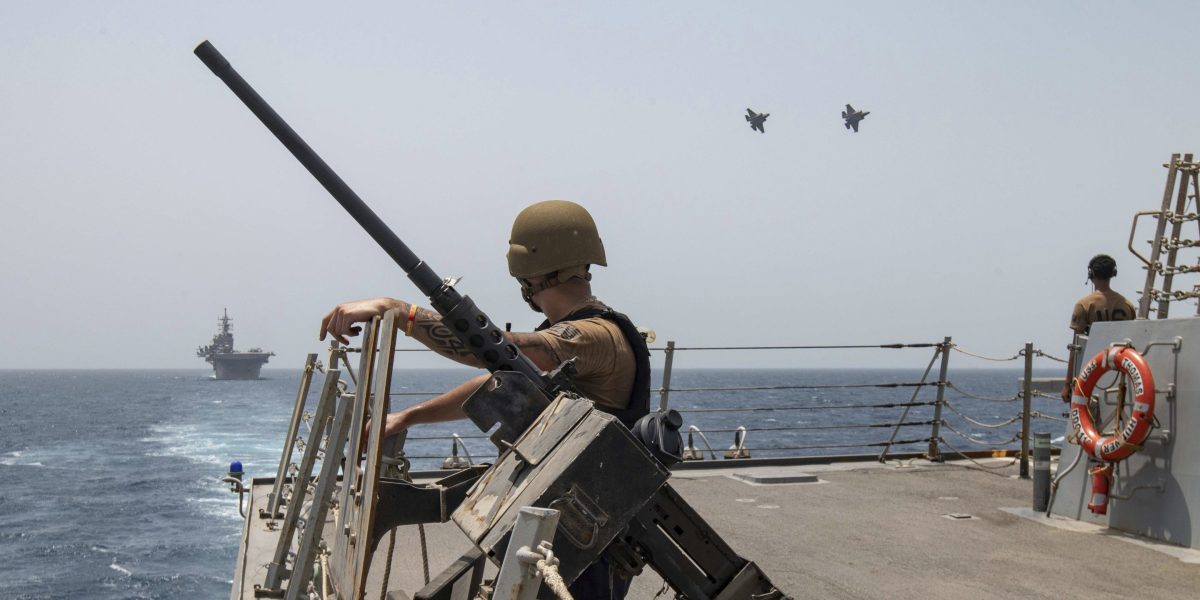
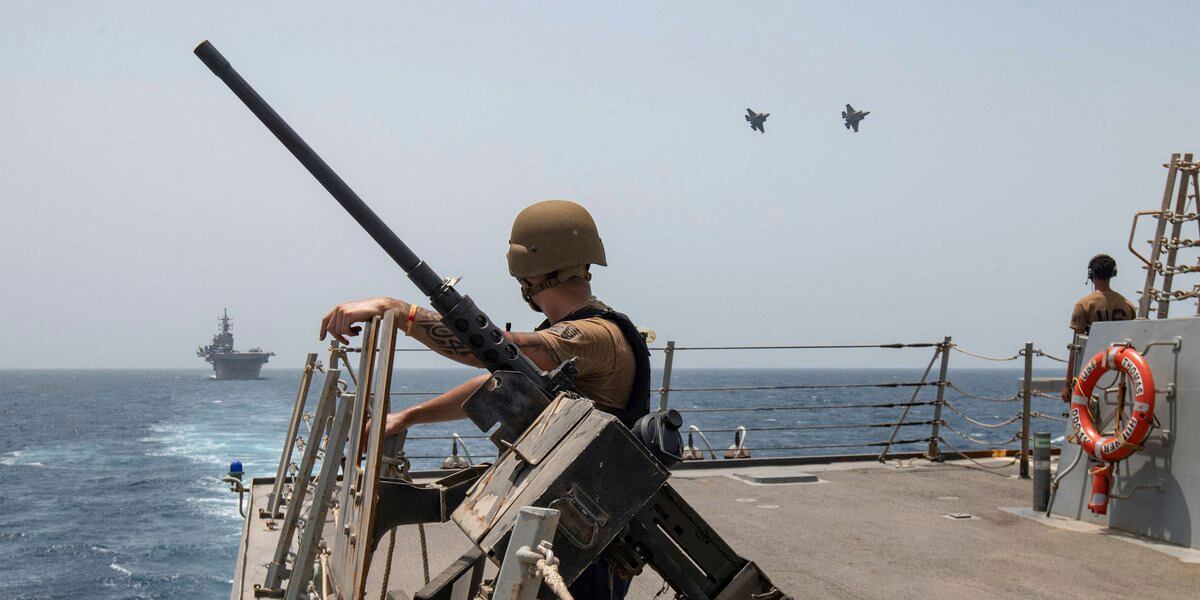
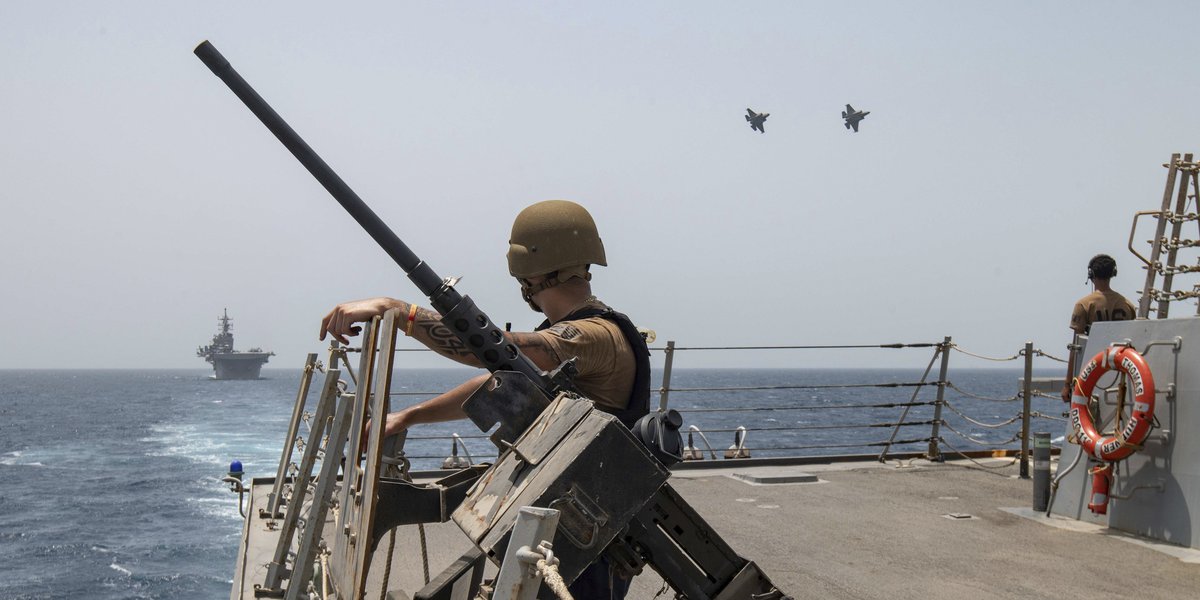
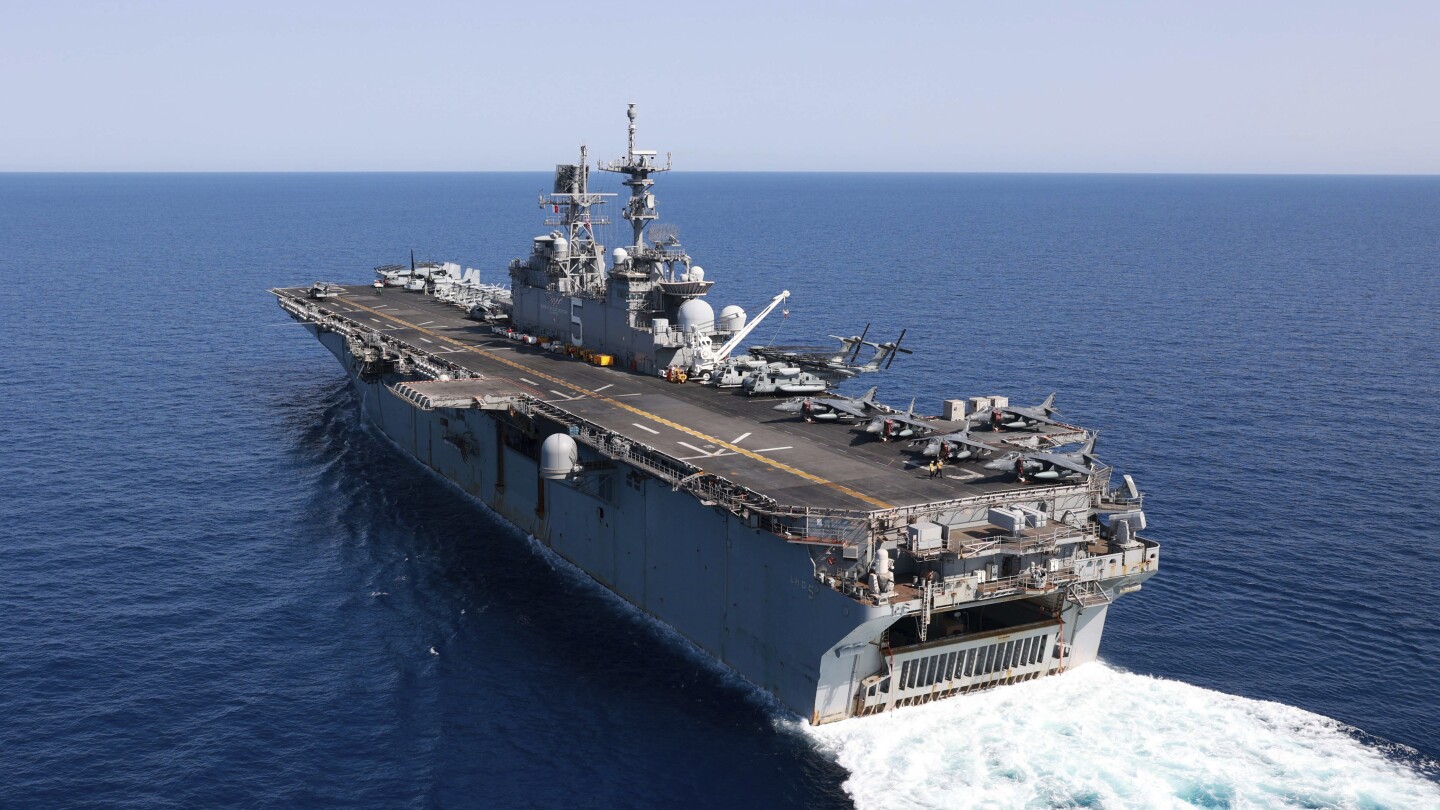
The US is reportedly building up its military presence in the Persian Gulf, deploying thousands of Marines, jet fighters, and warships in an attempt to deter Iran. This move comes as Washington's economic and diplomatic measures against Iran have failed, and amid a desire to focus on China and Russia. While the US has not disclosed the exact objectives of its increased presence, Iran has expressed concerns and emphasized the need for regional security without foreign interference. Recent seizures of commercial ships by Iranian naval forces serve as a warning that Iran has the means to retaliate.
Iran's Revolutionary Guard conducted a surprise military drill on disputed islands in the Persian Gulf, including Abu Musa and Greater Tunb, while the US military increases its presence in the region. The drill involved ships, drones, and missile units, and Iran did not provide a reason for the exercise. The US deployment is in response to Iran's attempts to threaten the free flow of commerce in the Strait of Hormuz. The use of the disputed islands sends a message to Iran's neighbors and highlights its military capabilities. Iran has also expressed displeasure over recent comments by Russia regarding the islands.
The United States is increasing its military presence in the Persian Gulf, deploying thousands of Marines, advanced fighter jets, and warships, signaling a worsening conflict with Iran over its nuclear program. The move comes as the US aims to focus on China and Russia but finds itself unable to fully disengage from the Middle East. Iran's recent harassment and seizure of ships in the Strait of Hormuz, a vital waterway for global oil transportation, coupled with its enrichment of uranium closer to weapons-grade levels, has heightened tensions. Diplomatic solutions to revive the 2015 nuclear deal seem unlikely, leaving military might as the US's primary means of deterring Iran.