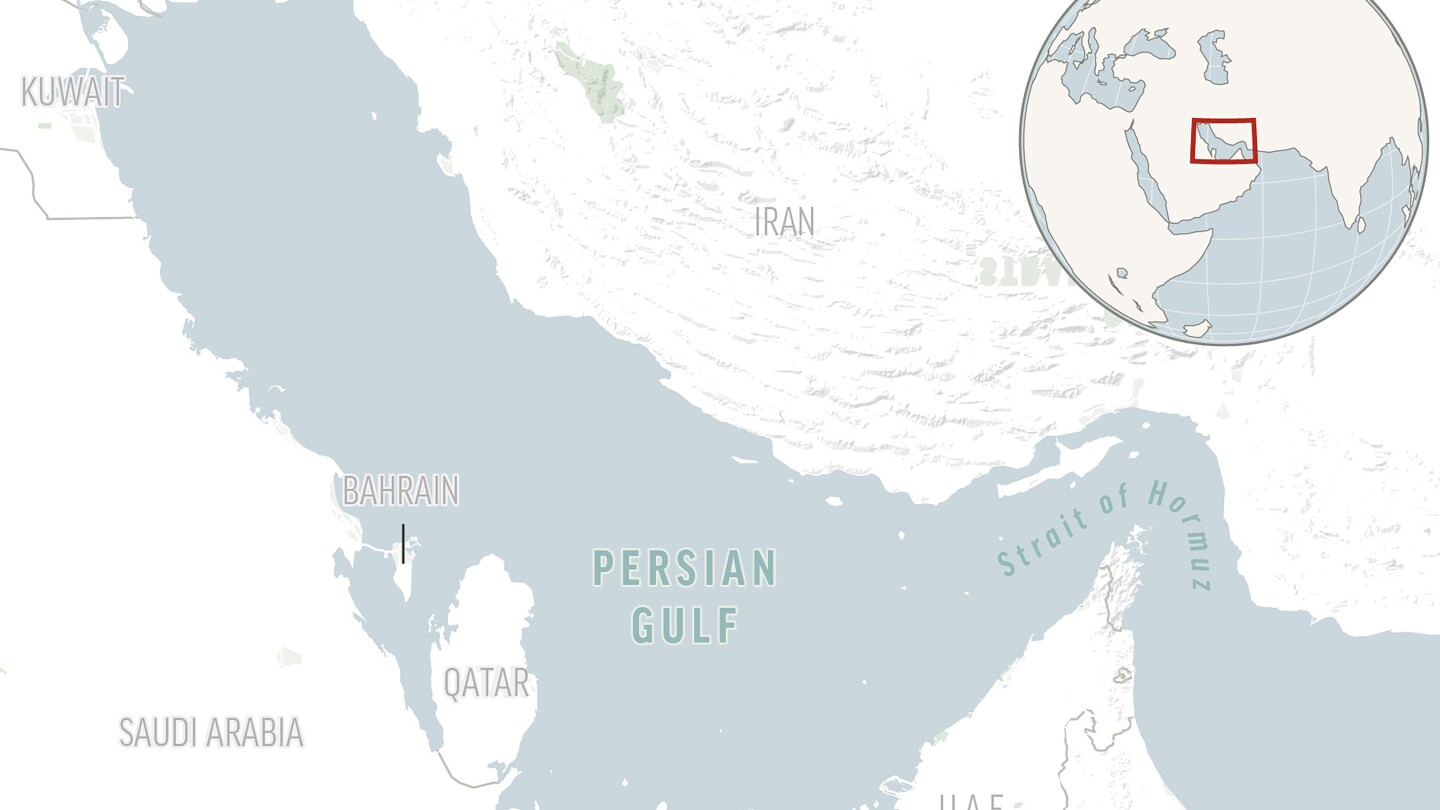
China maintains its stance on the disputed Gulf islands, urging Iran and the UAE to resolve their differences through dialogue, despite Iran's anger and protest over China's support for the UAE's claims.
China has maintained its stance on the disputed Gulf islands of Greater Tunb, Lesser Tunb, and Abu Musa, despite Iran's anger over Beijing's support for the UAE's efforts to resolve the issue peacefully. Iran summoned the Chinese ambassador to protest, but China reiterated its call for dialogue and consultation between Iran and the UAE, emphasizing its consistent position and the importance of its strategic partnership with Iran.
China maintains its stance on the disputed Gulf islands, urging Iran and the UAE to resolve their differences through dialogue, despite Iran's anger and protest over Beijing's support for the UAE's claims.
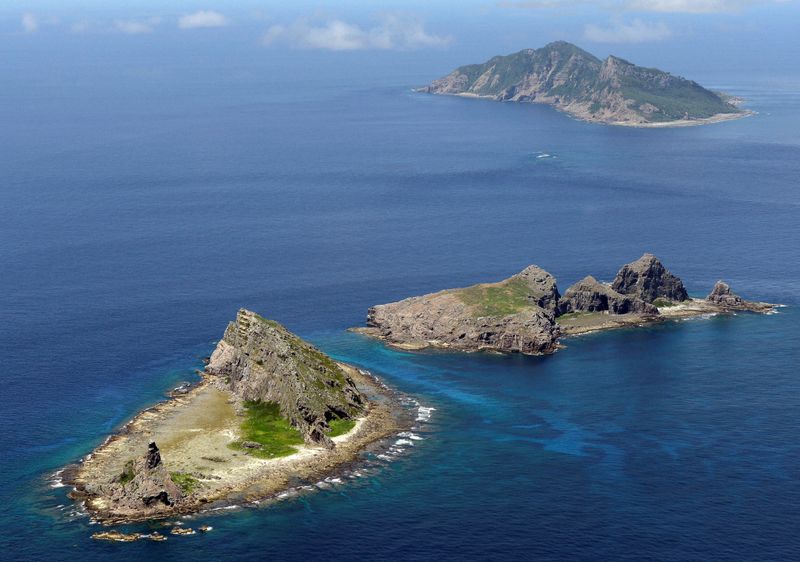
China and Japan have accused each other of maritime incursions after a confrontation between their coast guards near disputed islands in the East China Sea. China's coast guard claimed that a Japanese fishing boat and patrol vessels intruded into waters around the islands, while Japan's coast guard stated that two Chinese maritime patrol boats left Japan's territorial waters after receiving warnings. Similar incidents have occurred in recent months. Additionally, China and the Philippines traded accusations over a collision between their vessels in the South China Sea, marking the second confrontation in as many days.
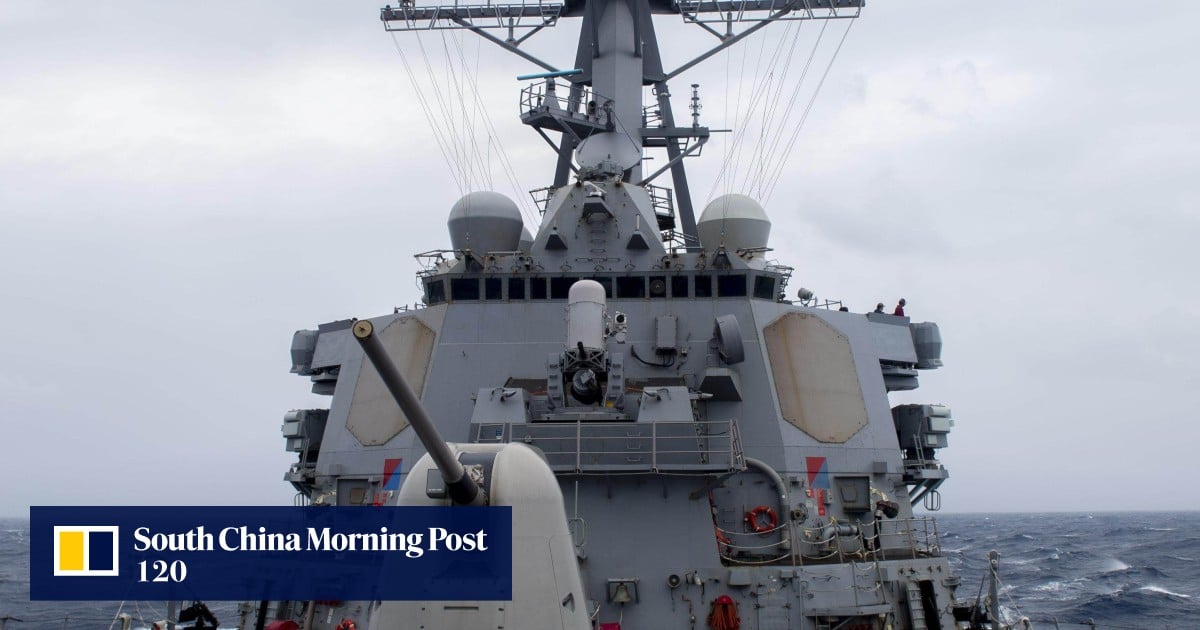
Beijing criticized Washington as the "biggest disrupter of peace" in the South China Sea after a US warship entered waters near disputed islands. The Chinese military claimed to have "warned off" the US destroyer that entered its territorial waters near the Paracel Islands. China, Vietnam, and Taiwan all claim sovereignty over these waters. The US Navy's Seventh Fleet stated that the operation was conducted under international law and emphasized its commitment to a free and open international order. This encounter marks the first between the US and China in the area since the Xi Jinping-Joe Biden summit. The US has been increasing military activities in the South China Sea, leading to heightened tensions with Beijing.
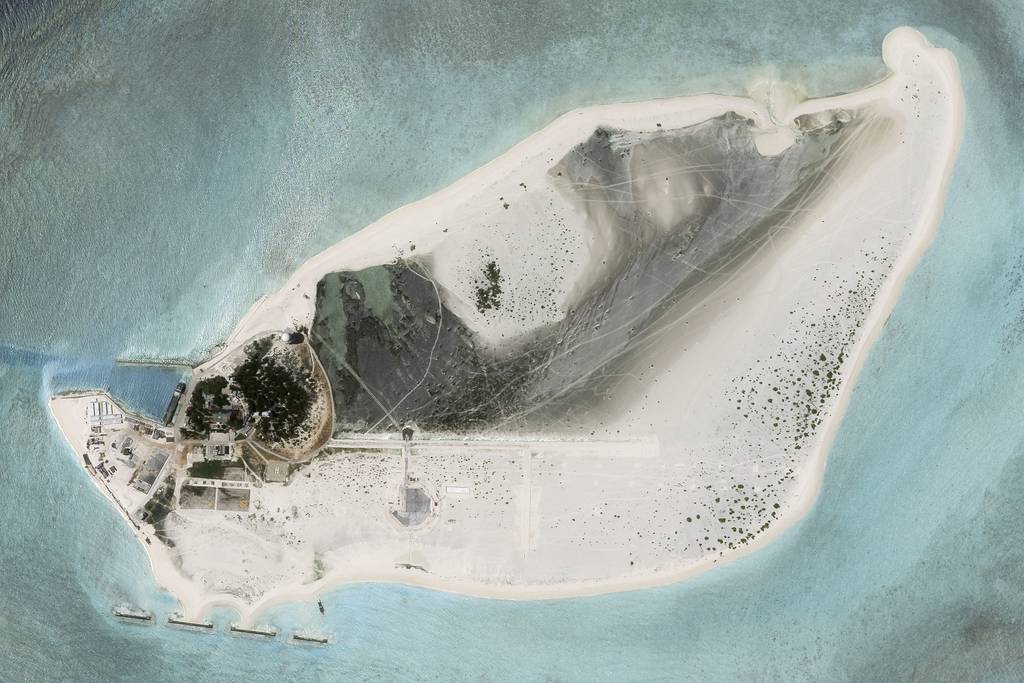
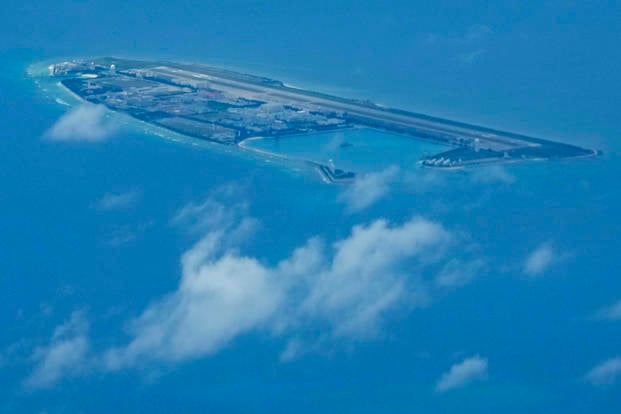
China is reportedly constructing an airstrip on Triton Island in the South China Sea, a disputed territory also claimed by Vietnam and Taiwan. Satellite photos show the construction, which appears to be on a smaller scale compared to previous projects in the region. The runway is expected to accommodate turboprop aircraft and drones, but not fighter jets or bombers. China claims the entire South China Sea as its own, defying international rulings. The construction is seen as part of China's efforts to assert control over the region, which is a crucial waterway for global trade.
China is reportedly constructing an airstrip on Triton island in the disputed South China Sea, which is also claimed by Vietnam and Taiwan. Satellite photos analyzed by the Associated Press show the construction, although it appears to be more modest in scale compared to other Chinese-built islands in the region. The runway is currently laid out to accommodate turboprop aircraft and drones, but not fighter jets or bombers. China claims sovereignty over the entire South China Sea, defying an international ruling that invalidated its assertion. The construction work on Triton island is seen as another step in China's efforts to assert control over the disputed waters.
China is reportedly constructing an airstrip on Triton island in the disputed South China Sea, which is also claimed by Vietnam and Taiwan. Satellite photos show the construction, which appears to be more modest in scale compared to previous projects in the region. The runway is currently laid out to accommodate turboprop aircraft and drones, but not fighter jets or bombers. China claims the entire South China Sea as its own, defying an international ruling. The construction work aims to enhance global navigation safety, according to China, but it has faced accusations of militarizing the waterway.
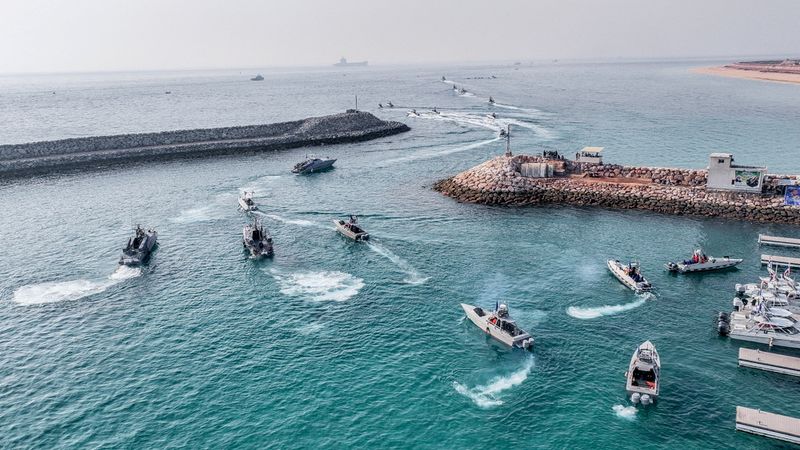
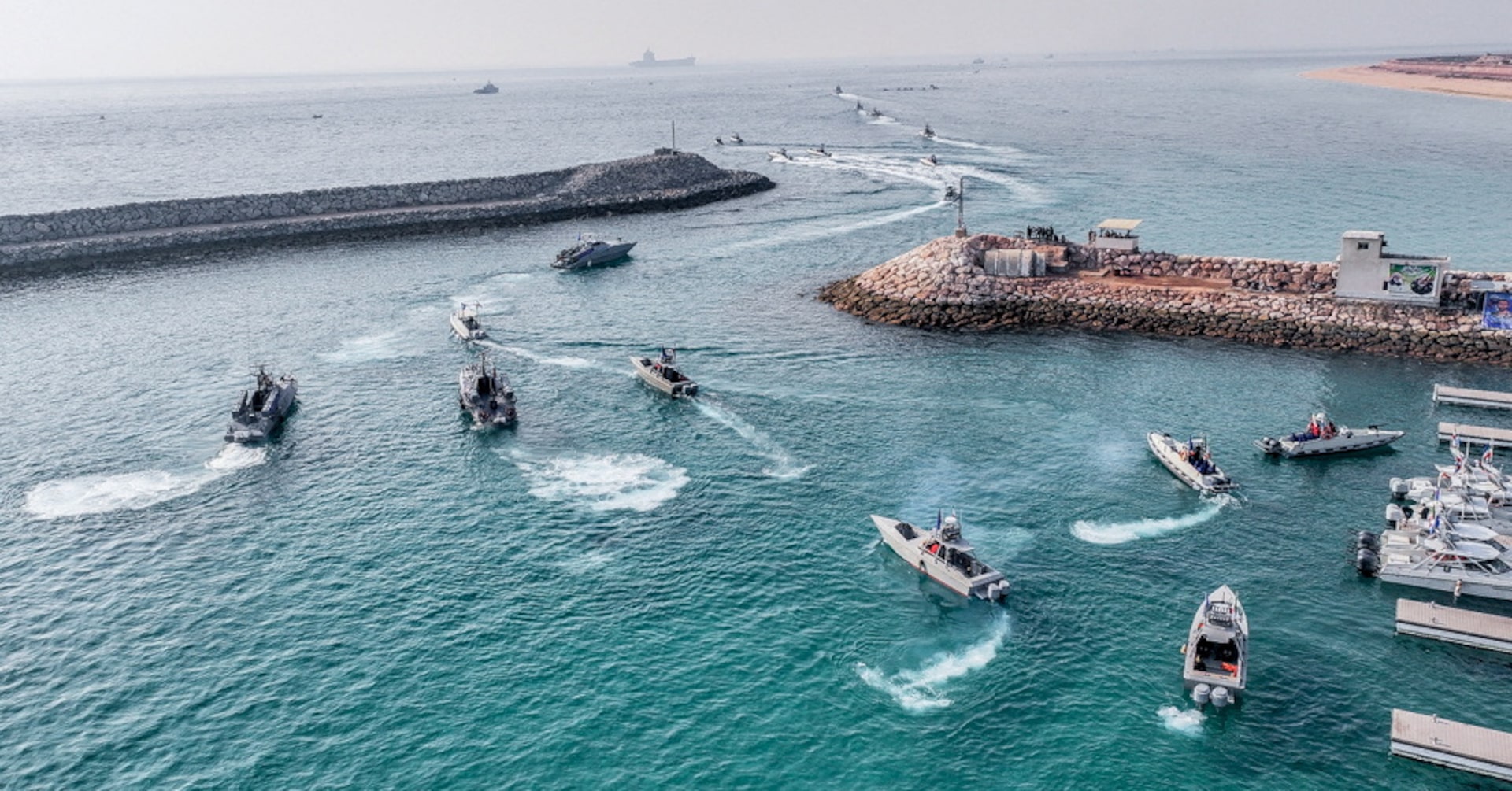
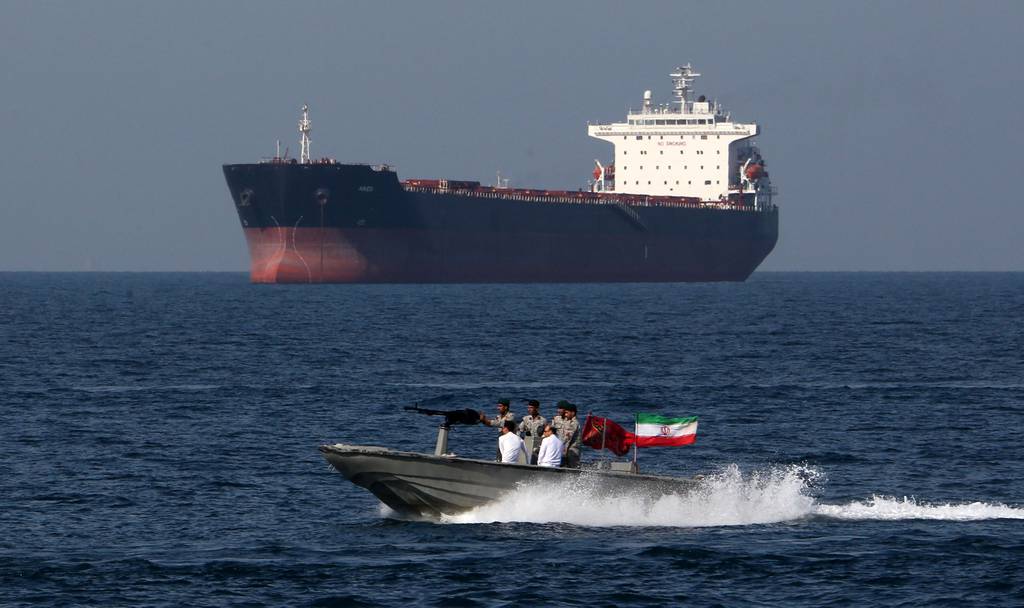
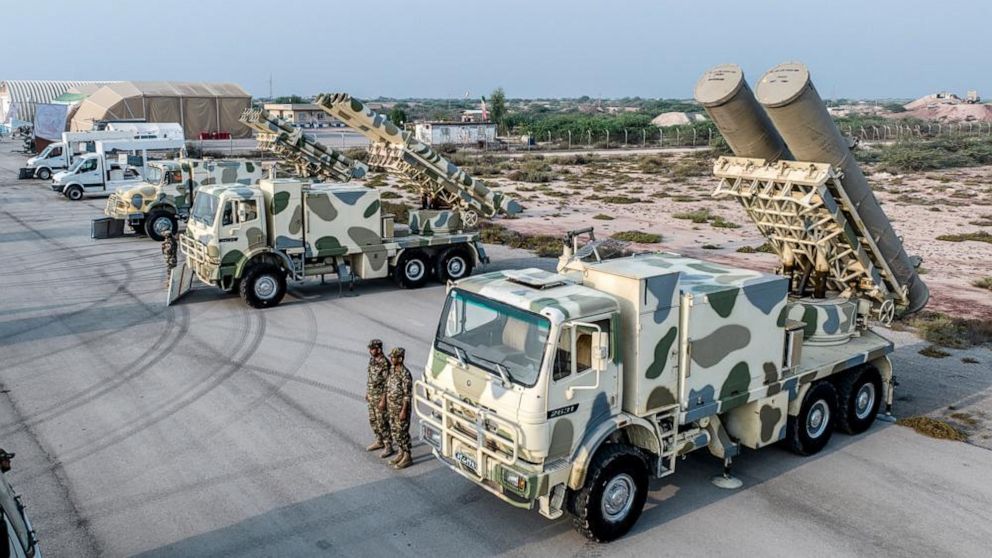
Iran's paramilitary Revolutionary Guard conducted a surprise military drill on disputed islands in the Persian Gulf, primarily focusing on Abu Musa Island. The drill involved small boats, paratroopers, drones, and missile systems. The deployment comes as the US increases its military presence in the region following recent ship seizures by Iran. The US has sent warplanes, fighters, and a destroyer to the Persian Gulf. The drill also serves as a message to Iran's neighbors and highlights its military capabilities. Iran has been trying to signal its displeasure over recent comments about the islands made by Russia, which prompted an outcry in Iran.
Iran's Revolutionary Guard conducted a surprise military drill on disputed islands in the Persian Gulf, focusing on Abu Musa Island and Greater Tunb Island. The drill involved small boats, paratroopers, drones, and missile systems. The exercise comes as the US military increases its presence in the region following recent ship seizures by Iran. The US has deployed warplanes, fighters, and a destroyer to the Persian Gulf. The Pentagon stated that the deployment is in response to Iran's attempts to threaten the free flow of commerce in the Strait of Hormuz. The islands' seizure serves as a reminder of Iran's military strength and its displeasure over recent comments made by Russia regarding the islands.
Iran's Revolutionary Guard conducted a surprise military drill on disputed islands in the Persian Gulf, including Abu Musa and Greater Tunb, while the US military increases its presence in the region. The drill involved ships, drones, and missile units, and Iran did not provide a reason for the exercise. The US deployment is in response to Iran's attempts to threaten the free flow of commerce in the Strait of Hormuz. The use of the disputed islands sends a message to Iran's neighbors and highlights its military capabilities. Iran has also expressed displeasure over recent comments by Russia regarding the islands.