The SWEDEPAD trials found that paclitaxel-coated devices do not improve outcomes like amputation risk or quality of life in peripheral arterial disease and may be associated with increased five-year mortality, reigniting safety concerns about these devices.
High cholesterol, often symptomless, can lead to peripheral arterial disease (PAD), which restricts blood flow to the lower limbs and may cause a "smelly" warning sign, such as pus on the toes. This condition can escalate to critical limb ischaemia, a severe and potentially fatal issue. Symptoms of PAD include leg pain, numbness, and skin changes. To manage high cholesterol, lifestyle changes like healthy eating, exercise, and reducing alcohol and smoking are recommended.
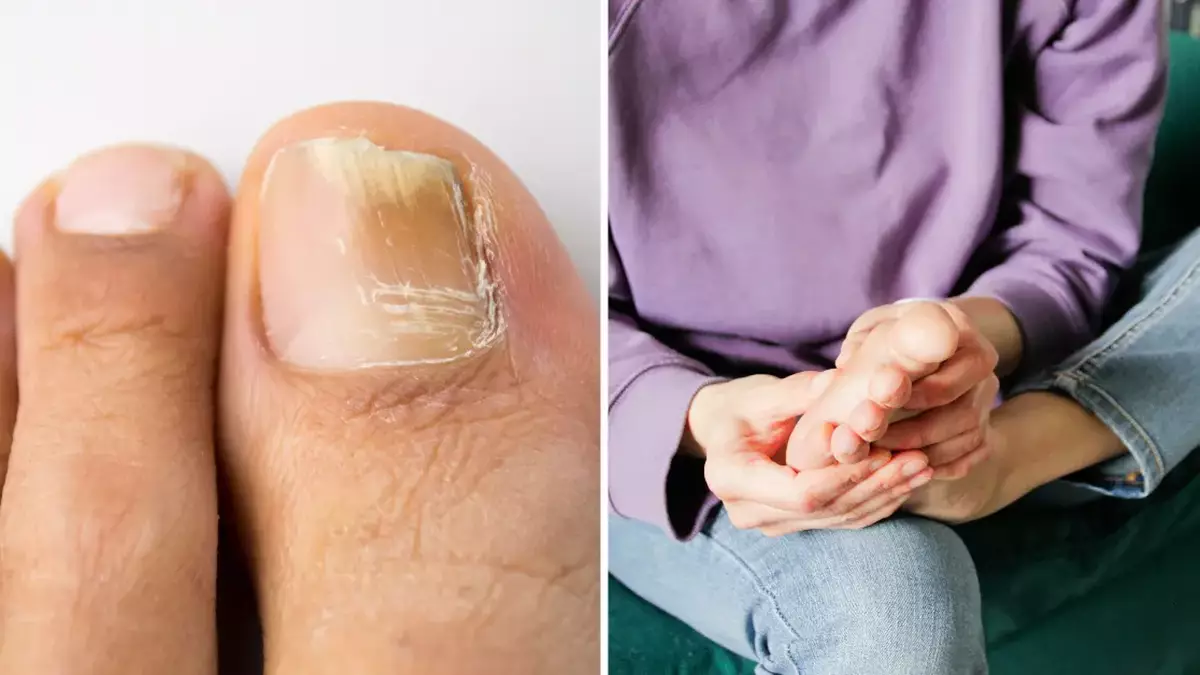
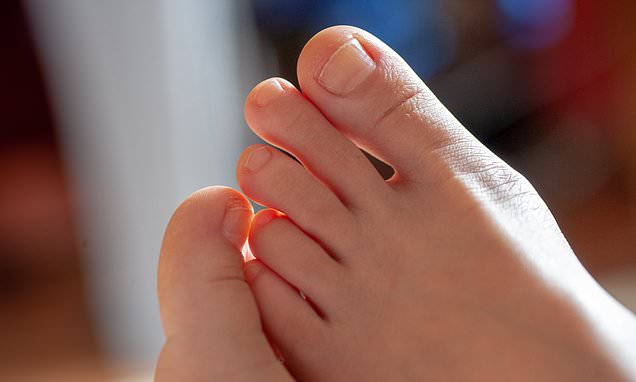
Pharmacist Noel Wicks highlights that feet can reveal signs of peripheral arterial disease (PAD), a condition where fatty deposits in arteries restrict blood flow, potentially leading to severe health issues like heart disease and diabetes. Symptoms include cold, painful, or numb feet, and thick, brittle toenails. The NHS advises lifestyle changes and medical consultation if symptoms occur, as PAD is common but can be deadly if untreated.
Leg pain, particularly pain in the calves while walking, could be a symptom of peripheral arterial disease (PAD), a condition that reduces blood supply to the leg muscles and can lead to serious complications such as heart attack, stroke, or tissue death. Risk factors for PAD include smoking, high blood pressure, atherosclerosis, diabetes, high cholesterol, and being over 60 years old. It is important to pay attention to leg pain and consider visiting a doctor, as early detection and adopting healthier habits can help prevent PAD. Treatment options include medication, surgery for blocked arteries, and supervised exercise programs.
High cholesterol can cause peripheral arterial disease (PAD), which can result in poor circulation to your toenails, causing them to be brittle or grow slowly. Other symptoms of PAD include hair loss on legs and feet, numb or weak legs, open sores that won't heal, and shiny skin. High cholesterol is mainly caused by eating fatty food, not exercising enough, being overweight, smoking, and drinking alcohol. Statins are one of the primary ways to treat high cholesterol, but lifestyle changes such as eating less fatty food, exercising more, stopping smoking, and cutting down on alcohol can also help lower it.