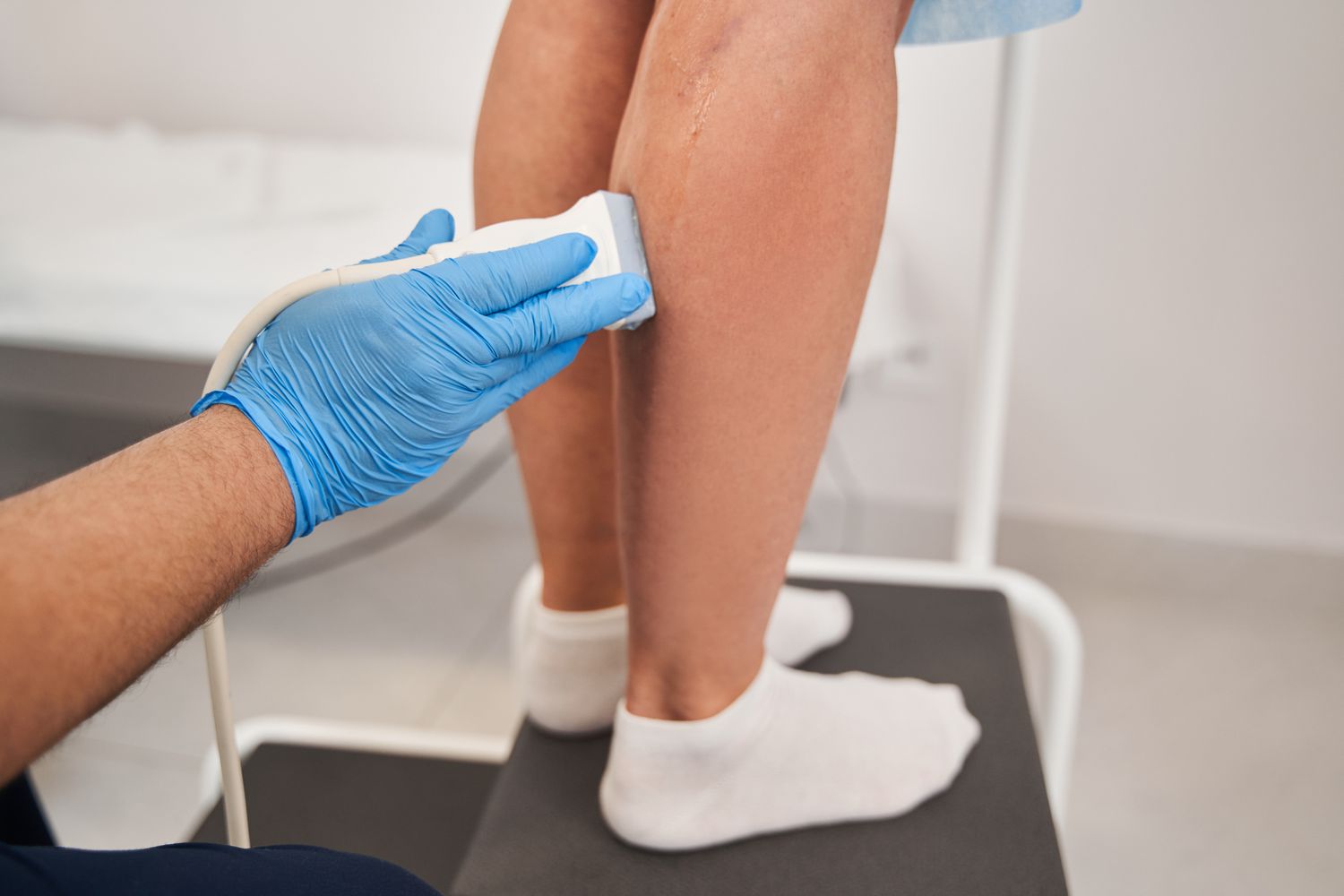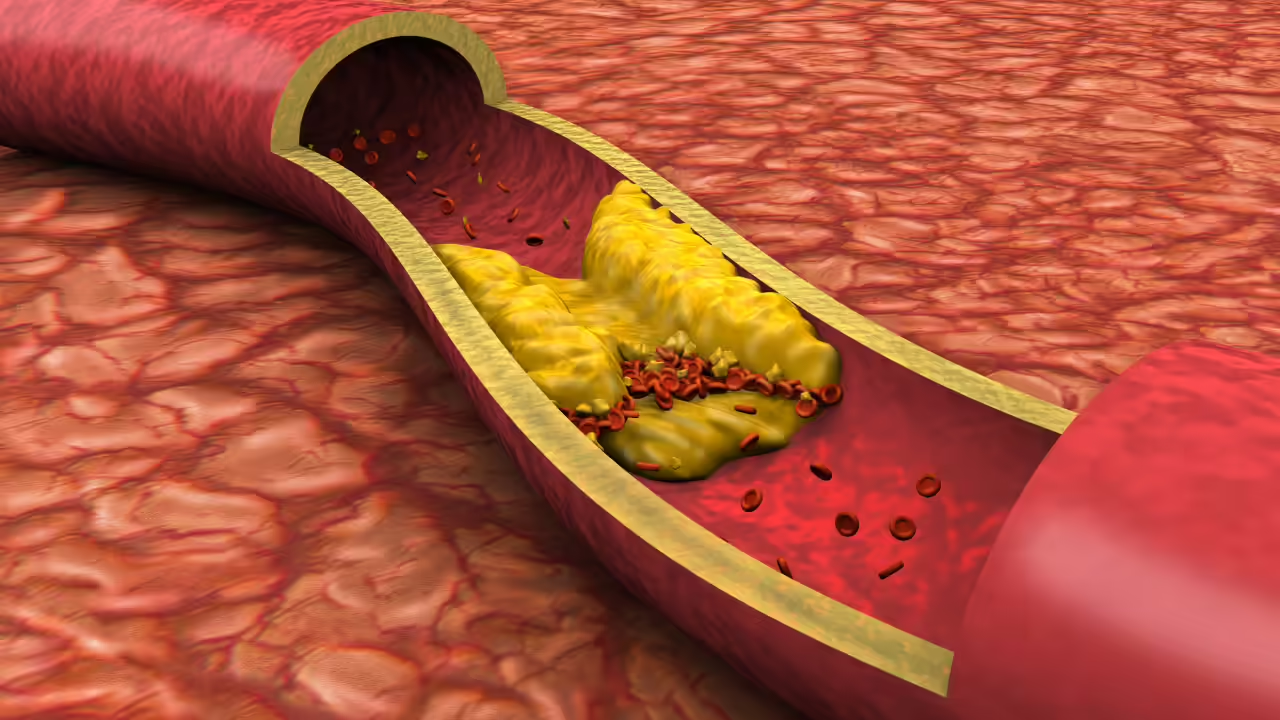
Peripheral Artery Disease (PAD) can be identified early through signs like leg pain while walking, numbness, temperature differences, slow-healing foot wounds, hair loss on legs, and weak or absent foot pulses. Recognizing these symptoms promptly is crucial to prevent severe complications such as infections or amputations, and early treatment can improve outcomes.

Vitamin D deficiency affects about 1 in 6 UK adults and can manifest through skin and leg symptoms such as delayed wound healing, itchy and dull skin, eczema, leg pain, and excessive sweating. Early detection and supplementation are recommended, especially during months with limited sunlight, to prevent complications like bone pain and skin conditions.
Pancreatic cancer, known for its low survival rate and difficult early detection, can manifest early symptoms in the legs, such as pain, swelling, redness, and warmth, which may indicate deep vein thrombosis (DVT). These symptoms, often overlooked, could be crucial for early diagnosis. The disease's tendency to cause excessive blood clotting increases the risk of thrombosis, and if a clot travels to the lungs, it can cause a pulmonary embolism. Despite medical advancements, the survival rate remains low, highlighting the importance of awareness and early detection.
Doctors recommend back sleeping as the best position for those with peripheral artery disease, as it evenly distributes weight and increases blood flow to the limbs. Sleeping on the left side is also beneficial, while stomach sleeping should be avoided. Other tips to ease leg pain include wearing compression socks, walking regularly, staying hydrated, and stretching the calves.
A blood clot in the leg, known as deep vein thrombosis (DVT), can have serious consequences if left untreated. It is important to be aware of the signs, which may include throbbing pain, swelling, redness, warmth, shortness of breath, and a thickening or firmness of the leg vein. Some blood clots may have invisible symptoms or go unnoticed, making it crucial to seek medical attention if you have leg pain or other concerning symptoms. Lifestyle changes, such as staying active, wearing loose-fitting clothing, and raising your legs, can help lower the risk of developing a blood clot. If diagnosed with DVT, anticoagulant medications may be prescribed to prevent further clotting. Immediate medical attention is necessary if symptoms of a pulmonary embolism, such as sudden shortness of breath, chest pain, or coughing with blood, occur.
Leg pain, particularly pain in the calves while walking, could be a symptom of peripheral arterial disease (PAD), a condition that reduces blood supply to the leg muscles and can lead to serious complications such as heart attack, stroke, or tissue death. Risk factors for PAD include smoking, high blood pressure, atherosclerosis, diabetes, high cholesterol, and being over 60 years old. It is important to pay attention to leg pain and consider visiting a doctor, as early detection and adopting healthier habits can help prevent PAD. Treatment options include medication, surgery for blocked arteries, and supervised exercise programs.
Leg pain, specifically a gripping or cramping sensation in the calves, can be a lesser-known symptom of coronary disease and peripheral arterial disease (PAD). PAD, caused by fatty deposits in the arteries, can lead to life-threatening complications such as gangrene and amputation. People with PAD have a significantly higher risk of heart attack, up to three to five times higher than normal. Risk factors for PAD include smoking, diabetes, obesity, and high blood pressure. It is important to seek medical attention if experiencing leg pain while walking, as it could be a hidden sign of a silent killer. Treatment may involve lifestyle changes, such as quitting smoking, managing blood pressure and diabetes, and taking medications like blood thinners and statins.