Tag

Penumbral Eclipse

All articles tagged with #penumbral eclipse

astronomy1 year ago

"D.C. Glows Under Slightly Dimmed Full Moon"

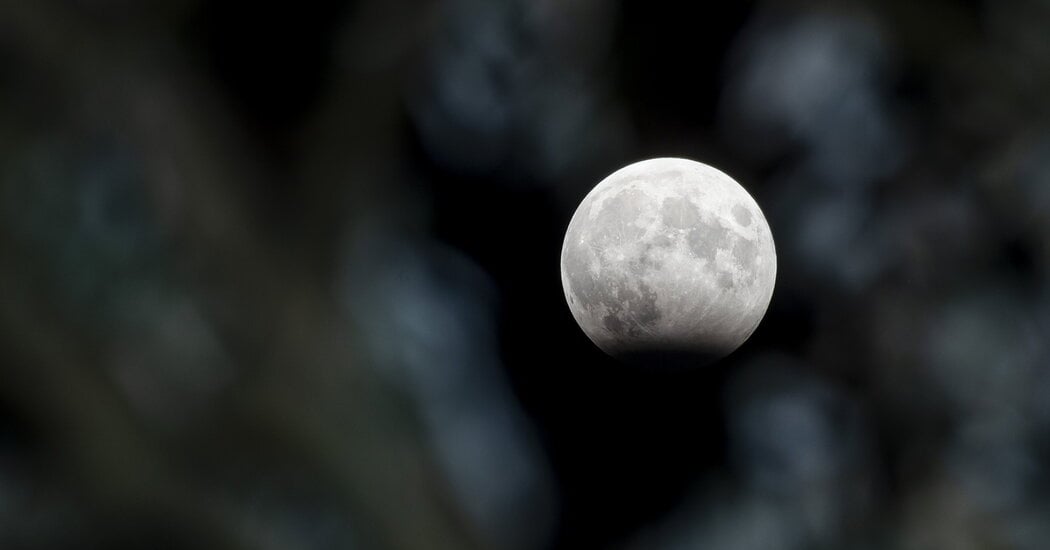
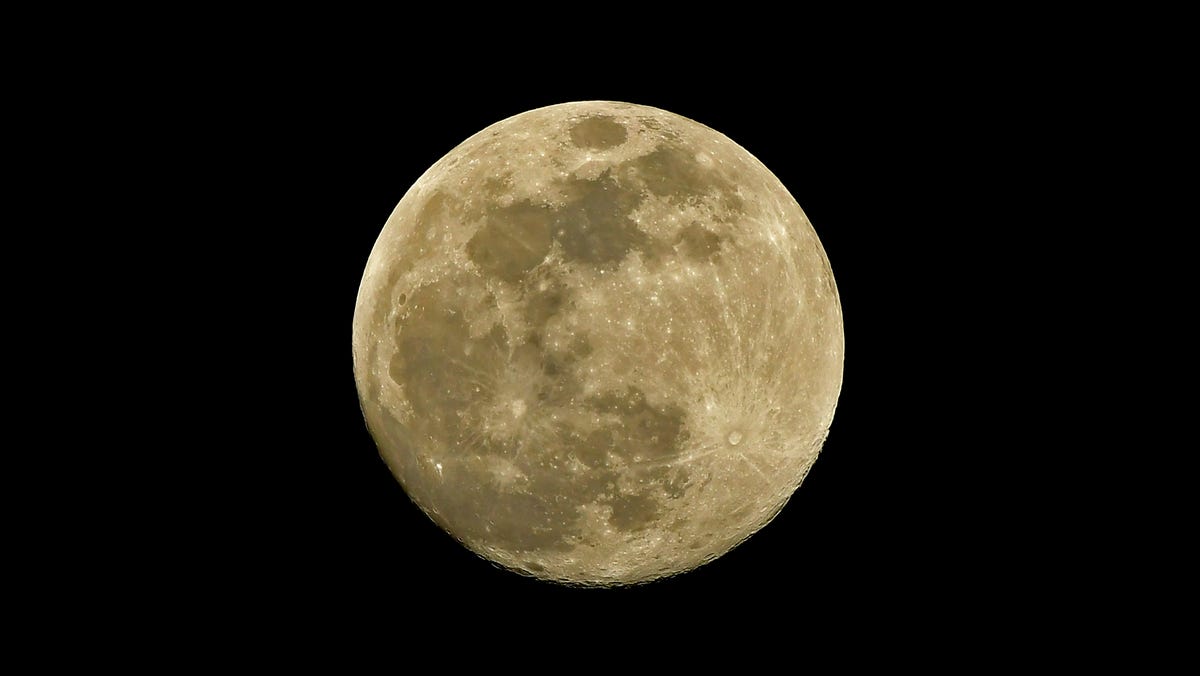
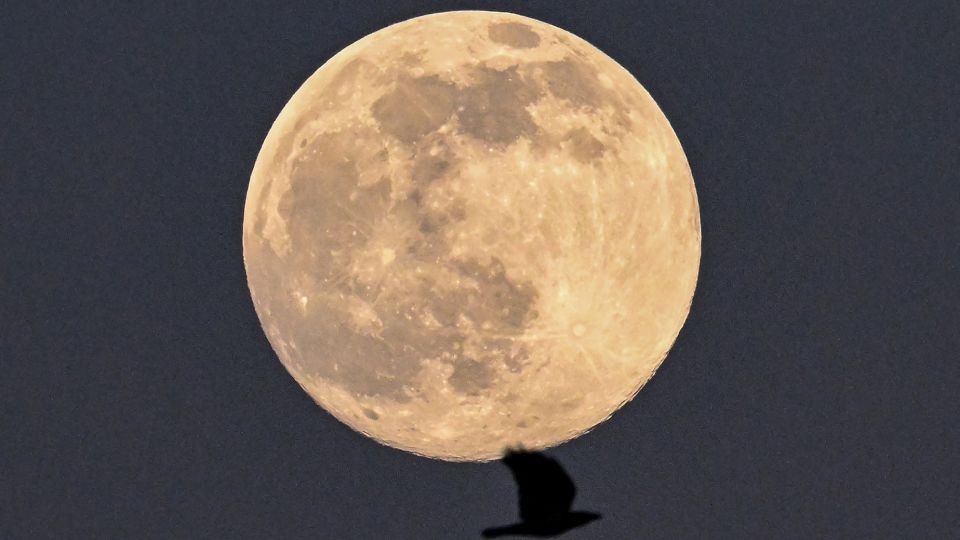
A full moon shone brightly in the cloudless night sky over Washington D.C., but it was slightly dimmed due to a penumbral eclipse, where the moon passed through Earth's partial shadow. Despite the clear skies, the moon's brightness was temporarily diminished as it received less sunlight than usual. The temperature in Washington dropped to 36 degrees in the early morning, but the day remained cloudless, allowing for a clear view of the full moon and a bright, blue sky at sunrise.
astronomy1 year ago

"2024 Eclipse Season: Understanding and Viewing Lunar and Solar Eclipses"

Michigan will experience a penumbral lunar eclipse overnight into early Monday morning, causing the full moon to dim slightly as it moves into the Earth's shadow. This event precedes a highly anticipated solar eclipse next month, with Monroe County in Michigan set to fall in the path of totality. The penumbral lunar eclipse will begin around 12:50 a.m. and peak around 3:10 a.m., offering a unique celestial spectacle for late-night observers.

astronomy1 year ago

"2024 Eclipse Season: Understanding and Viewing Lunar and Solar Eclipses"

The upcoming worm moon, also known as the March full moon, will coincide with a penumbral lunar eclipse on Monday, with the eclipse starting at 12:53 a.m. ET and reaching its peak at 3:12 a.m. ET. The eclipse will be visible to those on the night side of Earth, including Europe, North and East Asia, Australia, Africa, North America, and South America. This event precedes a total solar eclipse on April 8 and is part of an "eclipse season" that occurs every six months. Additionally, the article provides a list of upcoming full moons and meteor showers for 2024.

science-and-astronomy1 year ago

"Your Guide to Watching Lunar and Solar Eclipses"

A penumbral lunar eclipse is set to occur on Sunday night or Monday morning, depending on the time zone, as a prelude to April's solar eclipse. This subtle event, caused by the Earth casting a shadow on the moon, will result in a slight dimming of the moon's full face. While the change may be difficult to observe with the naked eye, using binoculars or a telescope is recommended to witness the moon's brightness change throughout the night.

science2 years ago

"Stargazing Delight: 3 Space Events to Watch This May Weekend"

This weekend, skywatchers can witness three celestial events: the Aquariids meteor shower, the May flower moon, and a penumbral lunar eclipse. The best time to see the meteor shower is just before dawn on Friday, Saturday, or Sunday, with up to 20 meteors per hour. The lunar eclipse will be visible in Africa, Asia, and Australia, causing a dimming of the lunar surface. The collision of these events may hinder visibility, but enthusiasts can still enjoy the show.

skywatching2 years ago

Mark Your Calendars: May 5, 2023 Lunar Eclipse Will Be a Subtle Show of Wonder

A penumbral lunar eclipse will occur on May 5, 2023, starting at 11:13 a.m. EDT and peaking at 1:24 p.m. EDT. This eclipse will be visible in eastern Africa, western Asia, eastern Asia, Indonesia, Australia, and southern New Zealand. The eclipse will not be visible in the Americas as it will occur during the daytime when the moon is below the horizon. This is a weak eclipse that will do little to moderate or diminish the moon's light.

astronomy2 years ago

Mark Your Calendars: Lunar Eclipse to Grace the Skies on May 5, 2023

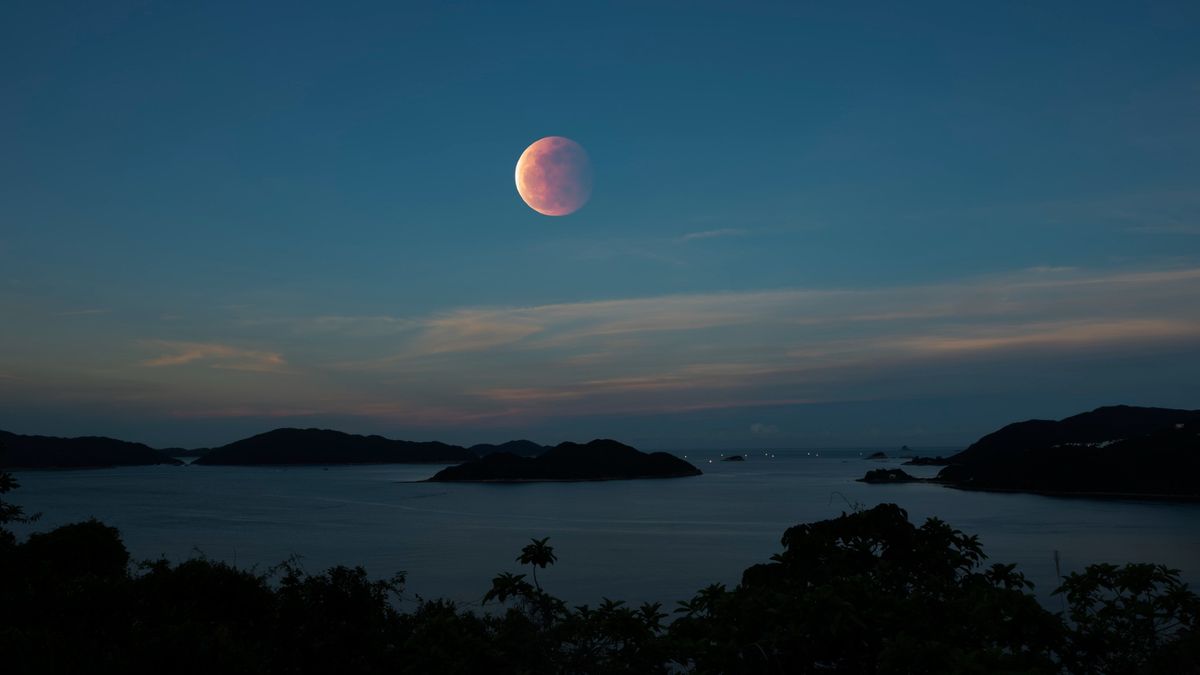
A penumbral lunar eclipse will occur on May 5, visible from anywhere on the globe where the moon is over the horizon, except for North America, South America, and most of Europe. During the eclipse, the moon will darken but not completely disappear as it passes into the lighter outer region of the Earth's shadow. This can lead to subtle and difficult-to-observe events, but sometimes the entire lunar face moves into the penumbra, causing a more extreme dimming that can be seen more easily by the unaided eye. The last time a penumbral eclipse was visible from the contiguous U.S. was on Nov. 30, 2020, and the next time such an event will be visible from this region of the globe will be on March 25, 2024.