Tag

Penumbra

All articles tagged with #penumbra

astronomy2 years ago

What to Expect from the Partial Lunar Eclipse on Saturday

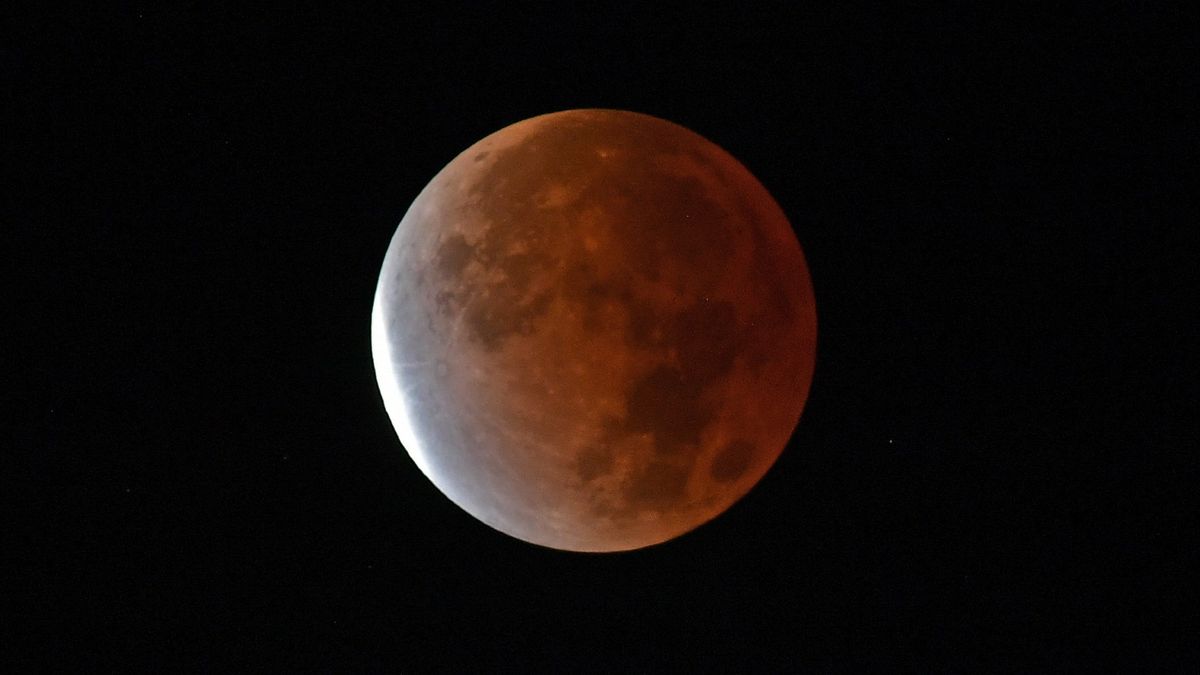
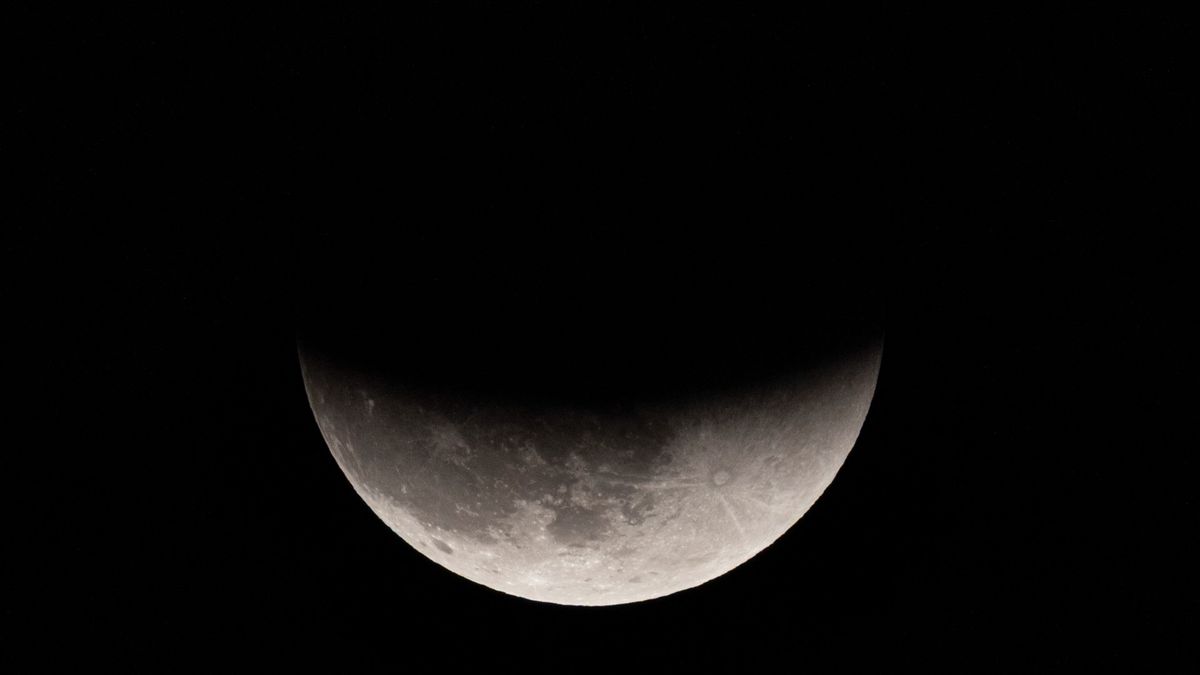
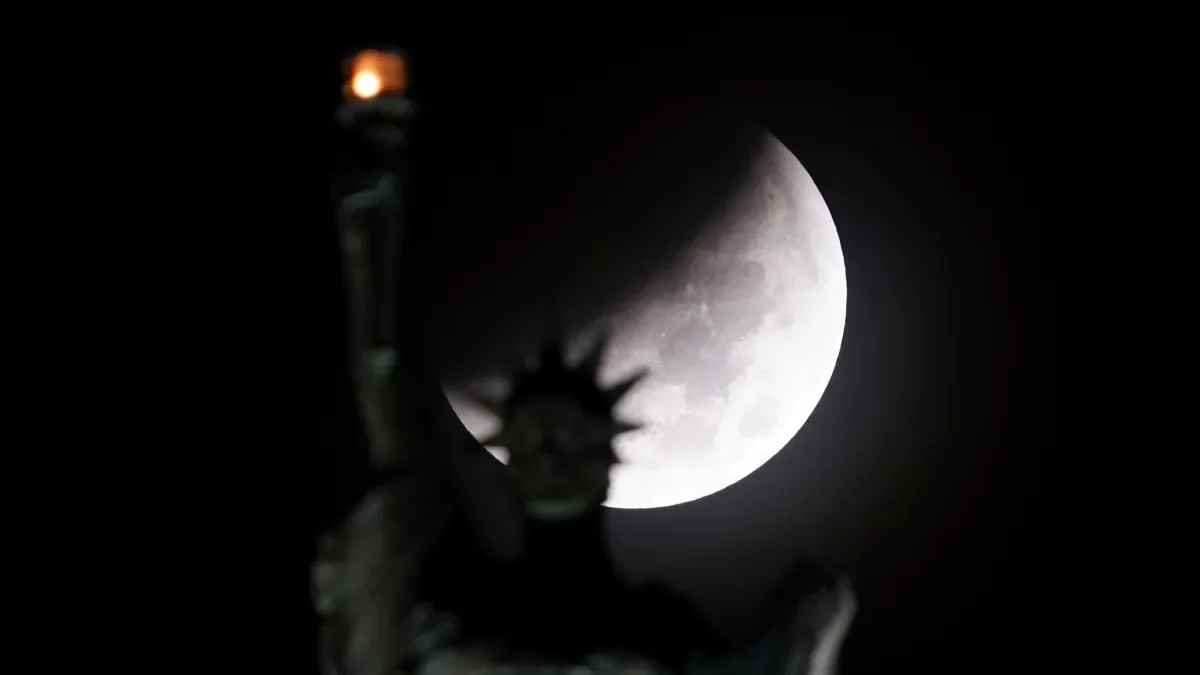
A partial lunar eclipse will occur on October 28, two weeks after the annular solar eclipse. The eclipse will be visible in the Earth's Eastern Hemisphere, with Canada and New England having a brief glimpse. The moon will enter the penumbra, the faint outer part of the Earth's shadow, and then the umbra, the darker inner part. The partial eclipse will last for 77 minutes, with the umbra covering only about 1/20 of the moon's area. The next lunar eclipse will be a penumbral event in March 2023, followed by a total lunar eclipse in March 2025.

skywatching2 years ago

May 2023: Witness the Eerie Beauty of the Flower Moon Lunar Eclipse.

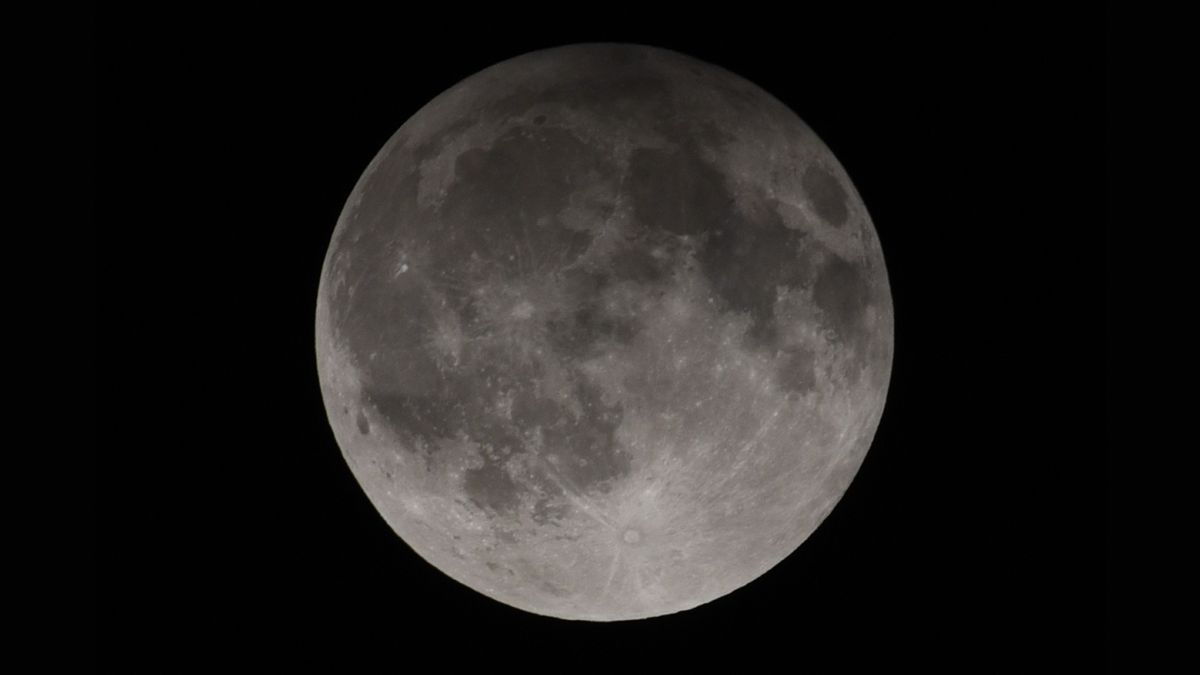
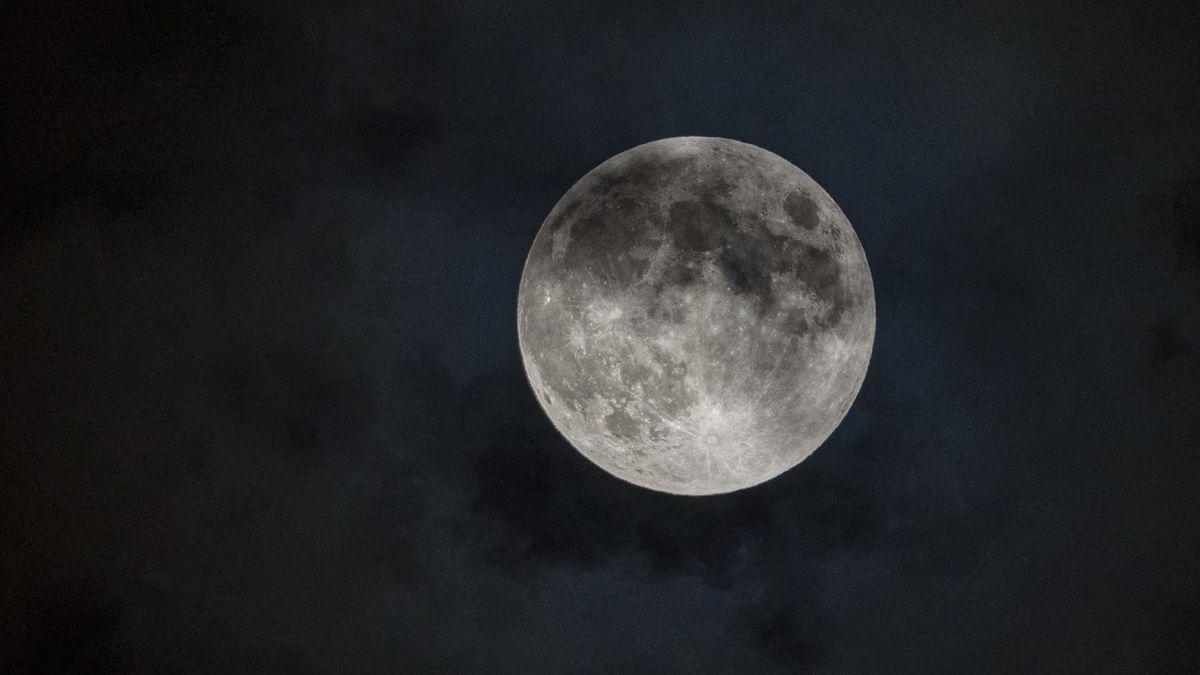
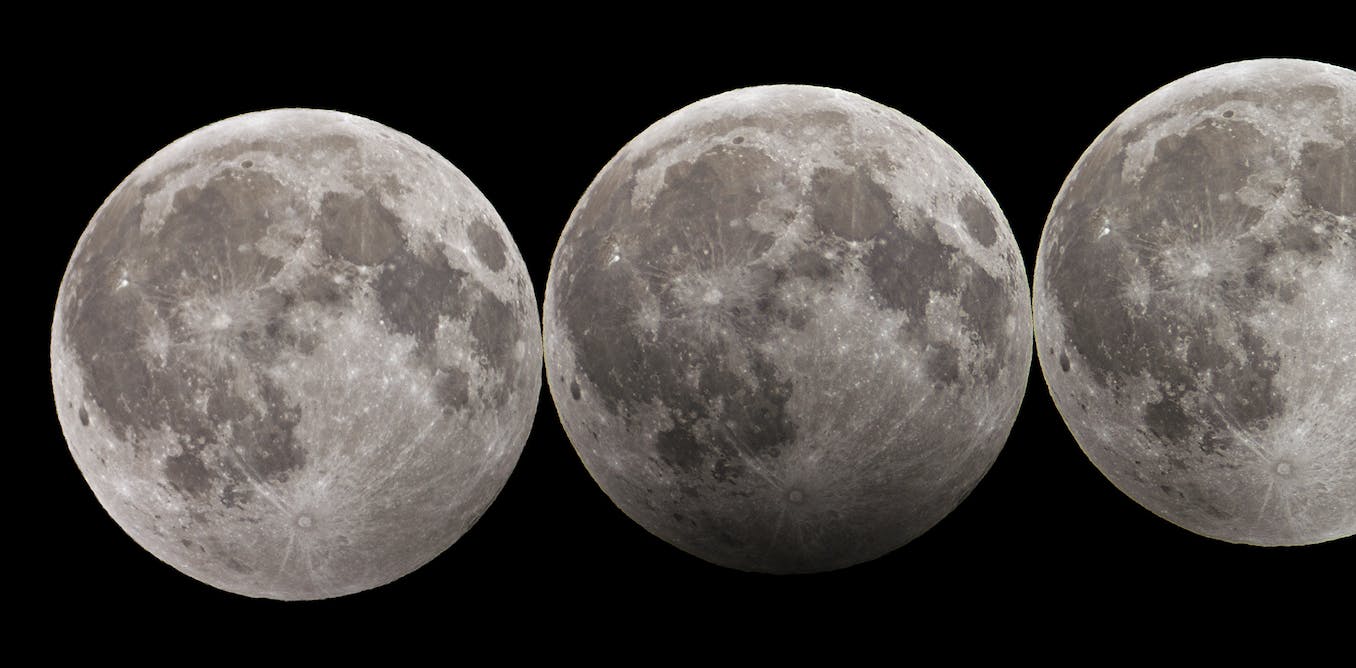
Skywatchers in the Eastern Hemisphere and Antarctica witnessed the first lunar eclipse of 2023, a penumbral lunar eclipse of the full Flower Moon on May 5, 2023. While not as dramatic as a total or partial lunar eclipse, it offered skywatchers the chance to visualize the astronomical alignment of the sun, Earth, and the moon in real time. Photographers throughout Asia and the Middle East captured eerie photographs of the eclipse, which appeared as a dark 'smudge' or 'stain' on the outer portion of the moon.

skywatching2 years ago

Don't Miss the Flower Moon Lunar Eclipse Livestream and Other Space Events This Weekend

A penumbral lunar eclipse will occur on May 5, coinciding with the full Flower Moon. The eclipse will be visible from Australia, Antarctica, Eastern Africa, Oceania, and Asia. The Virtual Telescope Project will host a free livestream of the event, which will begin at 2:45 p.m. EDT (1845 GMT) on May 5. The eclipse will not be as dramatic as a total eclipse, but skywatchers should see a dark gray or brownish shadow across a portion of the face of the moon, covering up to 94.6% of the moon at the eclipse's peak.

astronomy2 years ago

"Mark Your Calendars: When and How to See the Flower Moon and Eclipses in May"

This weekend, the full 'Flower Moon' will be visible all over the world, and parts of the world will be able to view a penumbral lunar eclipse, where the moon drifts into Earth's lighter, outer shadow. The eclipse will take place between 15:14 UTC and 19:31 UTC on May 5, with maximum eclipse at 17:22 UTC. The event will take a total of 4 hours and 18 minutes. The next total lunar eclipse won't happen until March 13 to March 14, 2025.

astronomy2 years ago

"May 5th Lunar Eclipse: Where, When, and How to Watch"

On May 5, 2023, a penumbral lunar eclipse will occur, visible in Africa, Asia, Australia, and large portions of Europe. The eclipse occurs when the Earth gets between the Sun and the Moon and casts part of its shadow on the Moon. The Moon will dim slightly as it passes through the lighter part of the Earth's shadow, known as the penumbra. Lunar eclipses occur when the Moon passes through the Earth's shadow, which is not always uniform. The upcoming event is the first of a number of eclipses occurring over the next year.

astronomy2 years ago

"Mark Your Calendars: May 5, 2023 Lunar Eclipse Viewing Guide"

On May 5, 2023, a penumbral lunar eclipse will occur, visible in Africa, Asia, Australia, and large portions of Europe. The eclipse occurs when the Earth gets between the Sun and the Moon and casts part of its shadow on the Moon. The Moon will dim slightly as it passes through a lighter part of the Earth’s shadow, called the penumbra. Lunar eclipses occur when the Moon passes through the Earth’s shadow, which can only happen during a full moon when the Moon is opposite the Sun. The next total lunar eclipse will be visible from the Americas, western Europe, and western Africa on March 14, 2025.