President Trump is considering cutting payroll taxes, a move that could potentially lead to reductions in Social Security and Medicare funding. The proposed cuts are part of an effort to stimulate the economy, but critics argue that they could undermine the long-term financial stability of these vital social programs.
The article discusses the potential future of Biden's economic policies, particularly the possibility of implementing a "perpetuity" tax on Social Security for incomes over $400,000. This would mean both employees and employers would pay an additional 6.2% tax on every dollar earned above this threshold. The author argues that with the Social Security Trust Funds projected to be depleted by 2041 and the U.S. facing a $34 trillion debt, increasing revenue through taxes on higher earners and corporations may become a more prominent solution. The article suggests that under Bidenomics, the wealthy and corporations are likely targets for increased taxation to address fiscal deficits.
Social Security is undergoing seven key changes, including a 3.2% cost-of-living adjustment (COLA) for benefits, an increase in the maximum taxable earnings cap to $168,600, and a rise in the maximum monthly payout at full retirement age to $3,822. Additionally, two states have stopped taxing Social Security benefits, early-filer withholding thresholds have increased, disability income thresholds have risen, and the amount of earnings required to qualify for a Social Security benefit has also increased. These changes aim to adjust for inflation and provide a more robust safety net for retirees and disabled workers.
The Cleveland Guardians have secured the No. 1 pick in the 2024 MLB draft through the draft lottery, while the Mets, Padres, and Yankees have fallen in the draft order due to exceeding the payroll tax threshold. The lottery was implemented to reduce anti-competitive behavior, and the remaining picks in the first round are determined by postseason finish and revenue sharing status.
The Cleveland Guardians have secured the No. 1 pick in the 2024 MLB draft through the league's second-ever draft lottery. The Mets, Yankees, and Padres fell in the draft order due to exceeding the payroll tax threshold. The top six picks in the draft are: 1. Cleveland Guardians, 2. Cincinnati Reds, 3. Colorado Rockies, 4. Oakland Athletics, 5. Chicago White Sox, and 6. Kansas City Royals. The Nationals, who paid into revenue sharing, were ineligible for the lottery and received the No. 10 pick.
The chief actuary of the Social Security Administration, Stephen Goss, has identified rising income inequality as the primary cause of the program's funding shortfall. While factors such as declining birthrates and increased life expectancy have contributed, Goss argues that the significant change in income distribution between 1983 and 2000, with fast growth at the top and slow growth elsewhere, has disrupted Social Security's finances. The majority of income growth during that period occurred above the taxable maximum, reducing payroll tax receipts. To address the funding gap after 2034, Goss suggests either cutting benefits by a fourth, raising revenues by a third, or a combination of both. Proposed solutions include raising the maximum earnings subject to the payroll tax or eliminating the cap altogether.
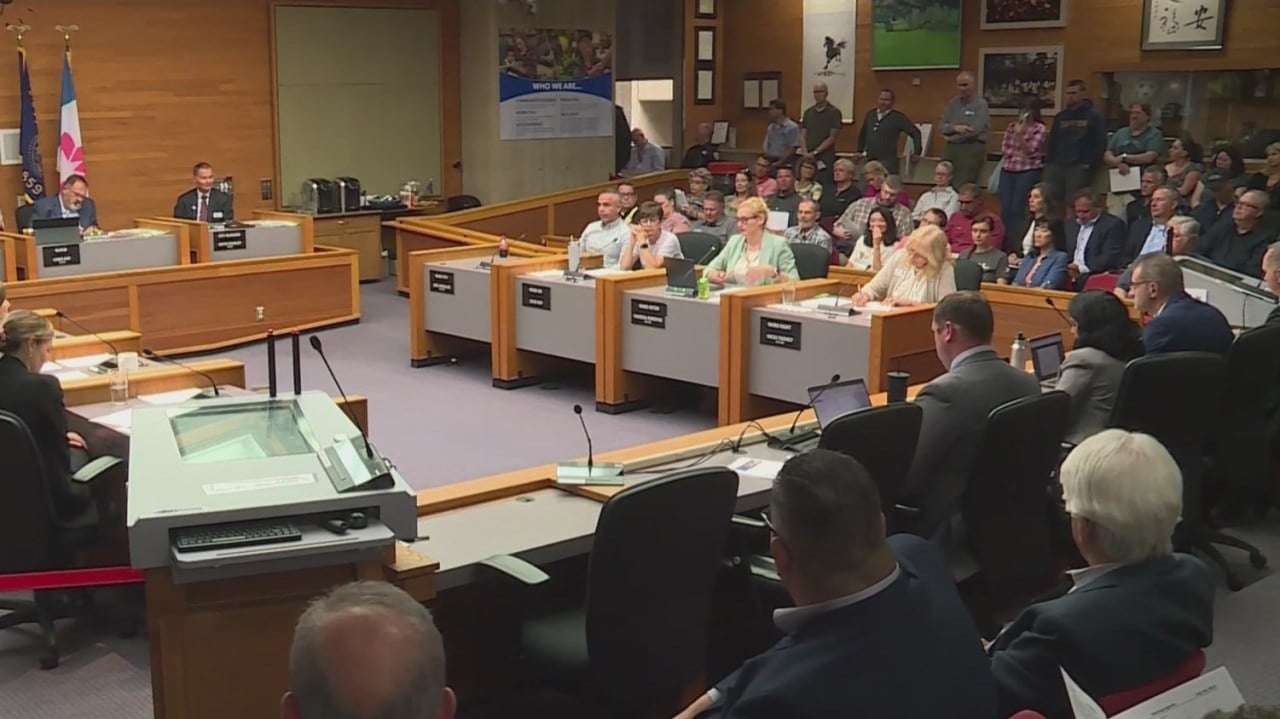
The city council of Salem, Oregon has passed a Safe Salem Payroll Tax, which would impose a tax of around $42 per month on all wages for individuals working in Salem, regardless of where they live. The tax aims to generate about $28 million each year to help pay for emergency services and address the city's $19 million budget shortfall. Minimum wage employees would be exempt from the tax. The decision has faced opposition, with many arguing that the tax is unethical, regressive, and unaffordable for many.