In a UK first, patients with sleep apnoea have been fitted with a new app-controlled implant that stimulates tongue nerves to aid breathing during sleep. The Genio implant, developed by Nyxoah, was successfully implanted in two patients at University College London Hospitals. This device offers an alternative to CPAP machines, which can be uncomfortable for some users. The implant is controlled by an external chip and can be adjusted via a smartphone app. This development marks a significant advancement in treatment options for sleep apnoea patients in the UK.

A new AI has been developed to identify potentially dangerous drug combinations by analyzing the specific transporter proteins used by individual drugs to leave the digestive tract, as drugs using the same transporter may interfere with each other. This knowledge could significantly improve patient treatment by avoiding harmful drug interactions.
Scientists have developed a new CRISPR-based gene-editing tool called AsCas12f, which is one-third the size of the commonly used Cas9 enzyme. The smaller size allows for more efficient delivery into living cells, potentially leading to improved treatments for patients with genetic disorders. The engineered AsCas12f enzyme has been shown to have 10 times more editing ability than the original unmutated type and has been successfully tested in mice. This development could pave the way for more effective gene therapies in the future.
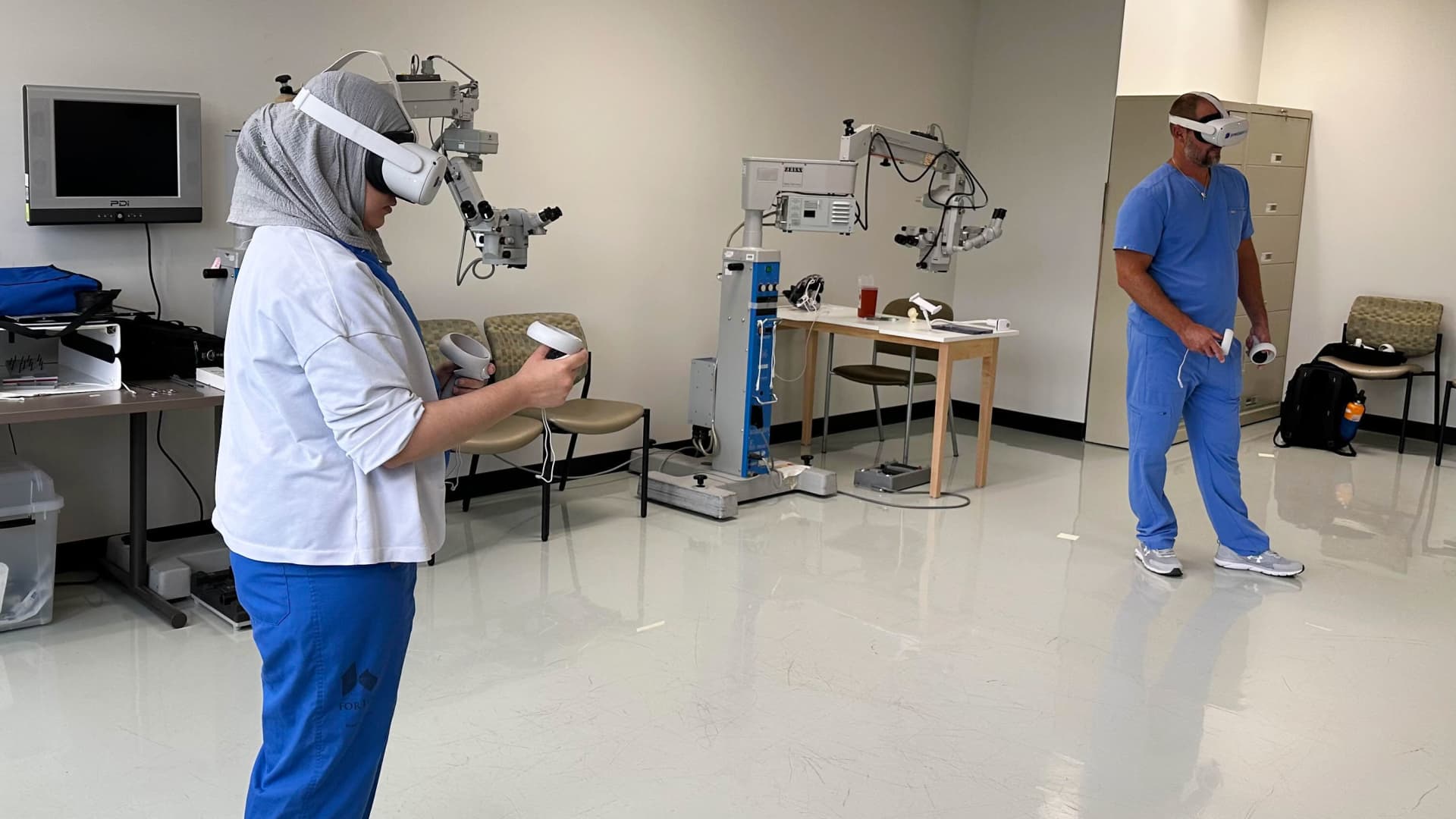
Virtual reality (VR) technology, particularly in the form of VR headsets like Meta Quest 2, is being utilized in healthcare settings to train surgeons and treat patients. Surgeons can practice procedures in a realistic 3D simulation, allowing them to fine-tune their skills and minimize risks to patients. VR is also being used for pain management and behavioral therapy, with promising results. However, the cost-effectiveness of VR in healthcare remains uncertain, and the technology is still considered clunky and not fully functional for medical professionals. Regulatory hurdles and the need for frequent updates to stay current with medical standards are additional challenges. Nonetheless, the field of extended reality in healthcare is growing, with organizations like the U.S. Department of Veterans Affairs and medical schools incorporating VR into their programs.