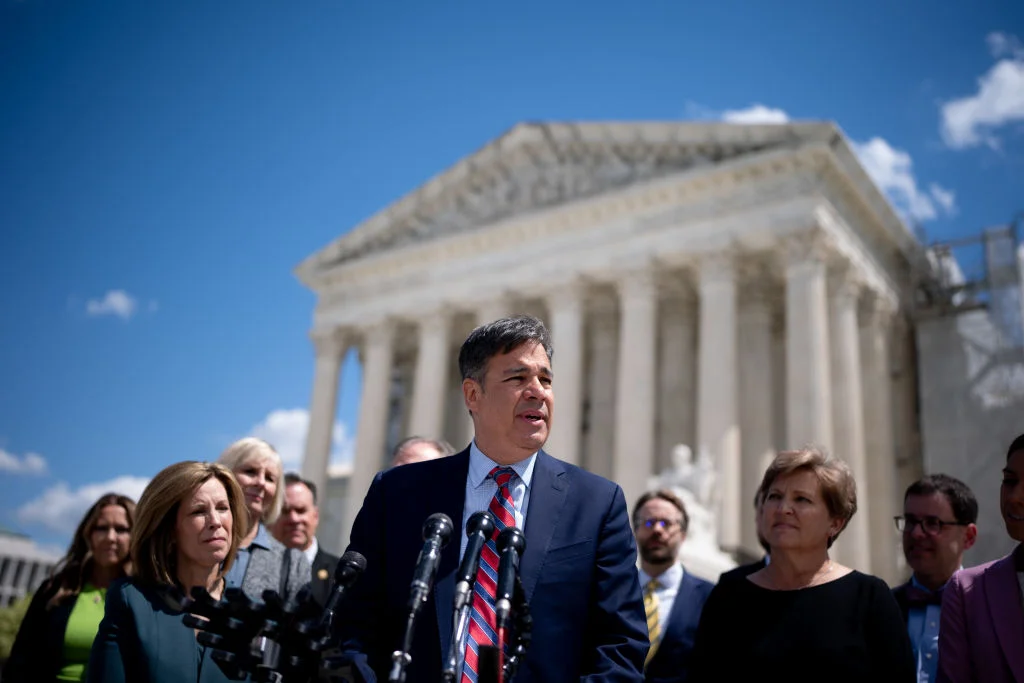
The Idaho Attorney General's Office will reduce paid parental leave from eight weeks to two weeks starting July 1, citing budget concerns, setting it apart from other state agencies that follow the governor's eight-week policy, with staff able to use accrued sick leave or unpaid FMLA leave for additional time.
The article explores how disparities in early childhood support, such as access to childcare, parental leave, and green spaces, influenced by postcode and employment status, impact children's development and long-term outcomes in Britain, highlighting the need for more equitable policies.
Netflix is reportedly scaling back its previously generous unlimited parental leave policy, which allowed employees to take up to a year off after the birth or adoption of a child. The company has removed specific guidelines from its culture memo, leading to concerns among employees about the clarity and security of taking extended leave. While Netflix maintains that its policy remains flexible, some employees have expressed concerns about layoffs targeting those on or returning from parental leave.
Netflix is scaling back on some of its employee perks, including its parental leave policy and compensation flexibility, as part of a broader cultural shift amid investor pressure. The company is discouraging employees from taking the full year of parental leave previously offered, with most employees now taking around 6 to 7.5 months. Additionally, Netflix is limiting company swag and adjusting salary guidelines to align more closely with market rates. These changes reflect a shift towards efficiency and cost-cutting, similar to trends seen across the tech industry.
Netflix is reportedly scaling back its previously generous unlimited parental leave policy, which allowed employees to take up to a year off after the birth or adoption of a child. The company has removed specific guidelines from its culture memo, leading to concerns among employees about the clarity and security of taking extended leave. While Netflix maintains that its policy remains flexible, some employees have expressed unease, citing layoffs and ambiguous language as factors impacting their comfort in utilizing the leave.
A former Goldman Sachs banker, Jonathan Reeves, won a sex-discrimination case after being dismissed by the bank following his return from parental leave. Reeves claimed he was unfairly treated and dismissed for performance reasons, which the tribunal found to be discriminatory, especially as he struggled to balance work and childcare during COVID-19 lockdowns. The tribunal noted that Reeves' bosses were more empathetic towards female employees regarding childcare issues. Goldman Sachs is reviewing the judgment.
Carolyn McClanahan, a certified financial planner and former physician, provides five important questions to consider before deciding to have children, including understanding health insurance coverage for delivery costs, timing appointments to save on deductibles, evaluating parental leave policies, estimating future school costs, and contemplating lifestyle changes and associated expenses.
Contract negotiations between the Newton Teachers Association and school leaders have hit a setback, leading to the closure of schools for a sixth day as teachers continue their strike. Tensions rose as negotiations faltered, with both sides making headway on a proposal for 60 days paid parental leave before the school committee reportedly pulled back. The union now faces fines and a court hearing as they continue to demand change, while the community seeks alternative arrangements for children affected by the strike.
After just one day of striking, the California State University faculty reached a tentative agreement, ending the strike and allowing campuses to return to full operations. The deal includes various salary increases, extended paid parental leave, and other benefits for the faculty members. The agreement was confirmed by CSU administrators, and Chancellor Mildred García expressed appreciation for reaching common ground with the faculty union. If the strike had continued, CSU officials planned to keep campuses open and not cancel classes, as not all instructors were participating in the strike.
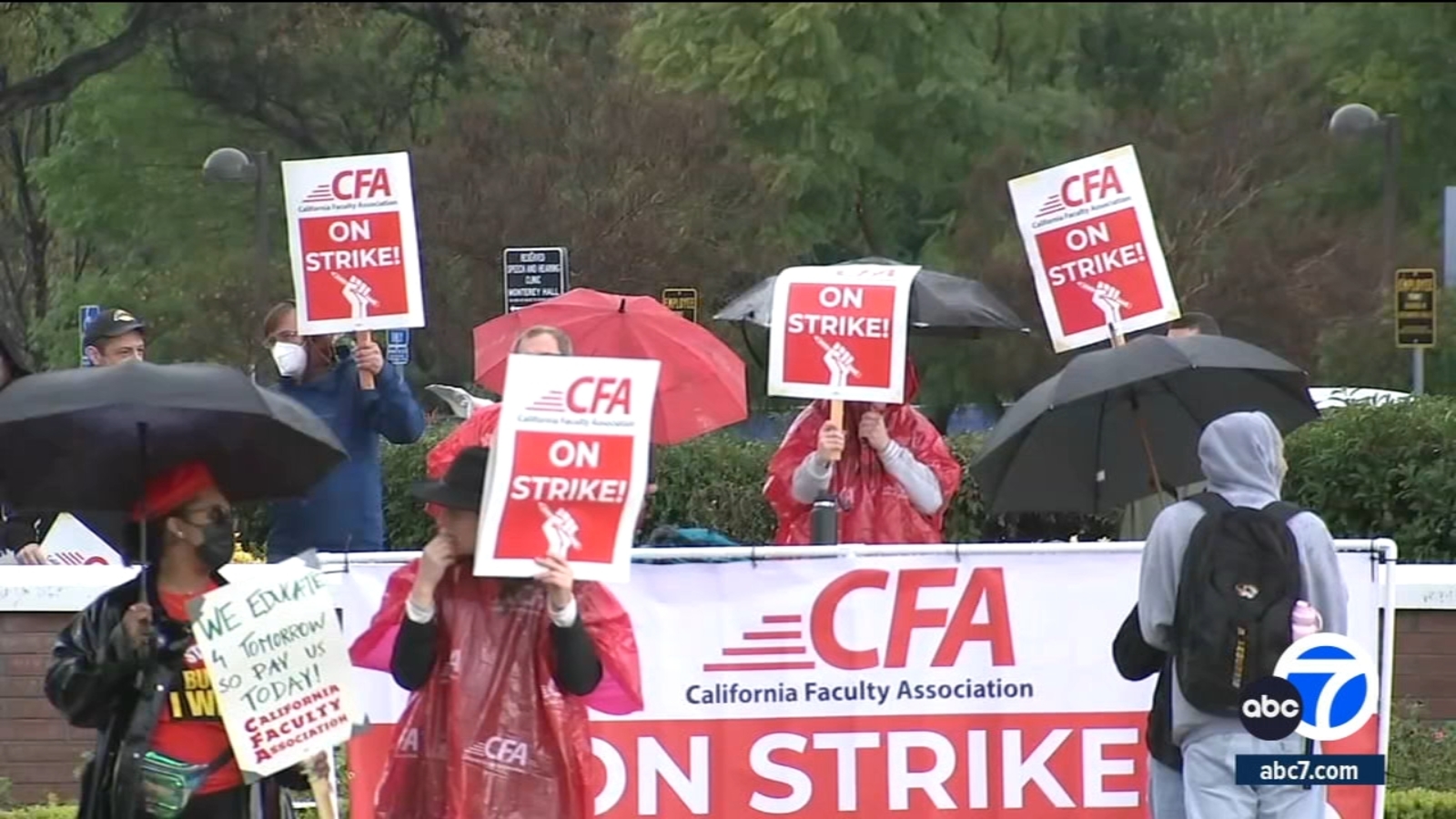
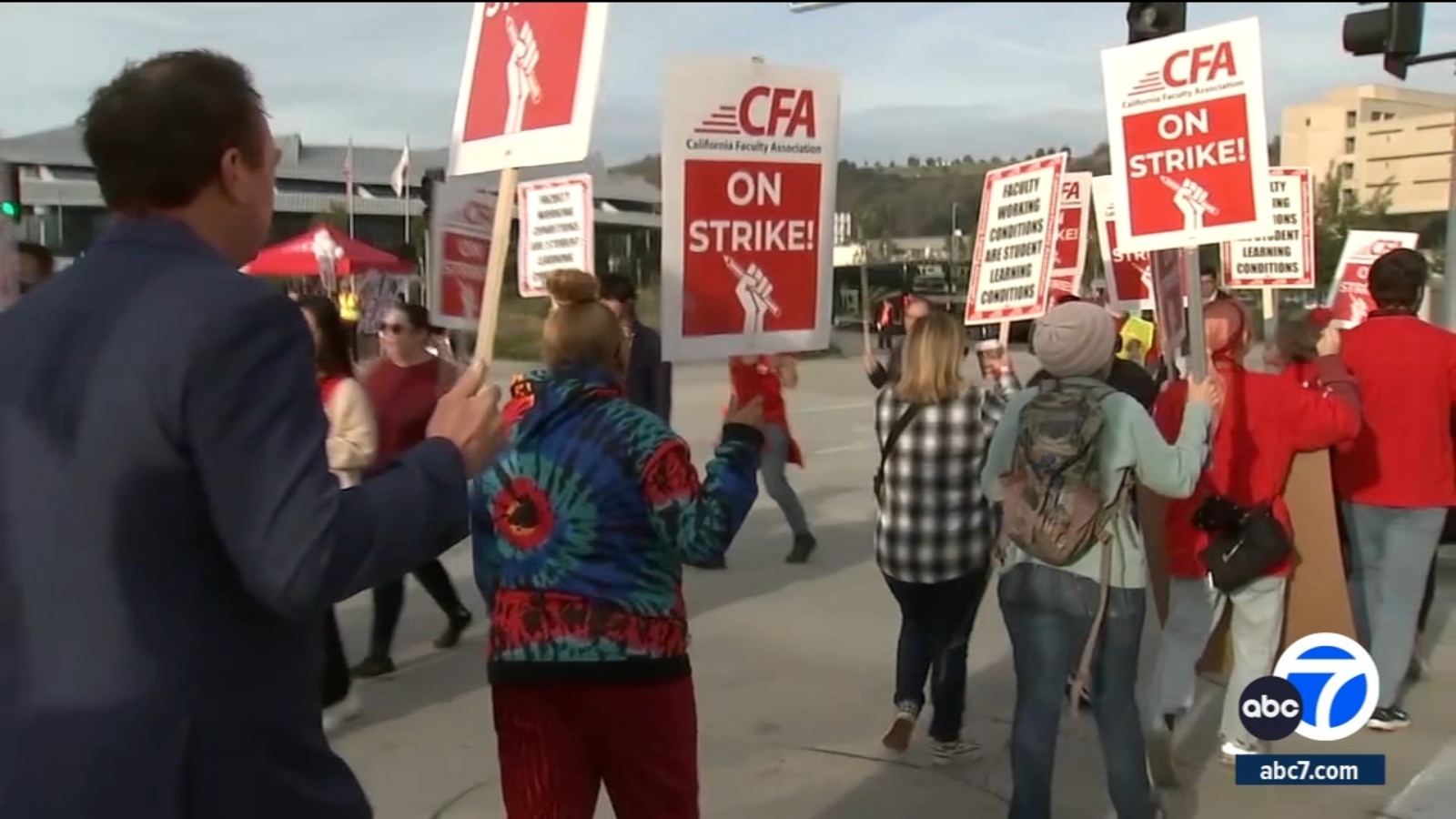
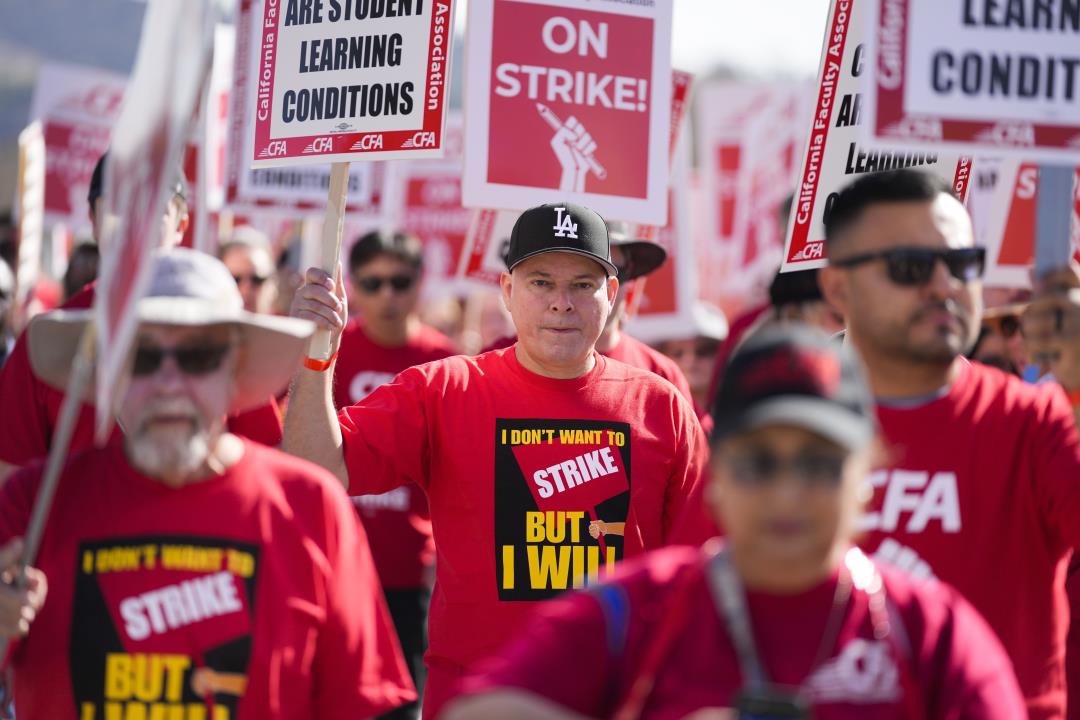
Faculty members at California State University's 23 campuses are set to begin a five-day strike on Monday, demanding higher pay, increased parental leave, and other benefits. The strike, led by the California Faculty Association, aims for a double-digit raise and extended paid parental leave. While CSU officials hope to avert the strike through weekend negotiations, students are preparing for potential disruptions, with some planning to stay away from classes during the strike week. In a separate development, the CSU system reached a tentative agreement with skilled trade workers, potentially averting their planned strike.
Faculty members at California State University, the largest public university system in the US, have begun a series of one-day strikes across four campuses to demand higher pay and extended parental leave. The California Faculty Association is seeking a 12% salary raise and an increase in parental leave from six weeks to a full semester. The union is also advocating for more manageable workloads, improved access to breastfeeding stations, and gender-inclusive restrooms. The strikes come as other workers at California State University, including plumbers and maintenance workers, are also fighting for better pay and bargaining rights.
Families in the U.S. are planning generations in advance due to the lack of adequate parental leave policies and financial support. With only 21% of parents having access to paid parental leave in the U.S., compared to legal requirements abroad, parents are taking matters into their own hands. They are saving for their children's maternity leave and even their grandchildren's college expenses. The financial burden of raising a child, including pregnancy costs, childcare, and education, is prompting parents to plan early to ensure their children have the necessary support and opportunities. The gender pay gap and the "motherhood penalty" further emphasize the need for better support systems for working mothers.
A new father in the United States shares his experience of taking six months of paid parental leave, highlighting the rarity of such an opportunity in the country. He discusses the lack of paid paternity leave in the U.S., the impact on gender equality and the gender pay gap, and compares it to the policies in other countries. The article emphasizes the importance of incentivizing fathers to take leave and the potential benefits for families and society as a whole.
A new study focusing solely on the father's involvement in an infant's life shows that fathers play a crucial role in infant sleep and breastfeeding, and highlights the need for bolstered parental leave policies in the United States. The study revealed that only 16% of dads followed all the recommended safe sleeping practices for infants, and many could do more to support mothers who breastfeed. The research also found racial disparities in sleep practices, with Black fathers less likely than White fathers to follow those practices.
The PUMP Act, which went into effect on April 28th, requires businesses to provide a designated area and break times for hourly and salaried workers to nurse. The Center for American Progress estimates that this act will expand breastfeeding protections to an additional nine million women in the United States. Businesses are not required to buy a lactation pod, but they must designate an area for breastfeeding. Having a designated area can help new parents returning to work feel like their workplace understands their needs.