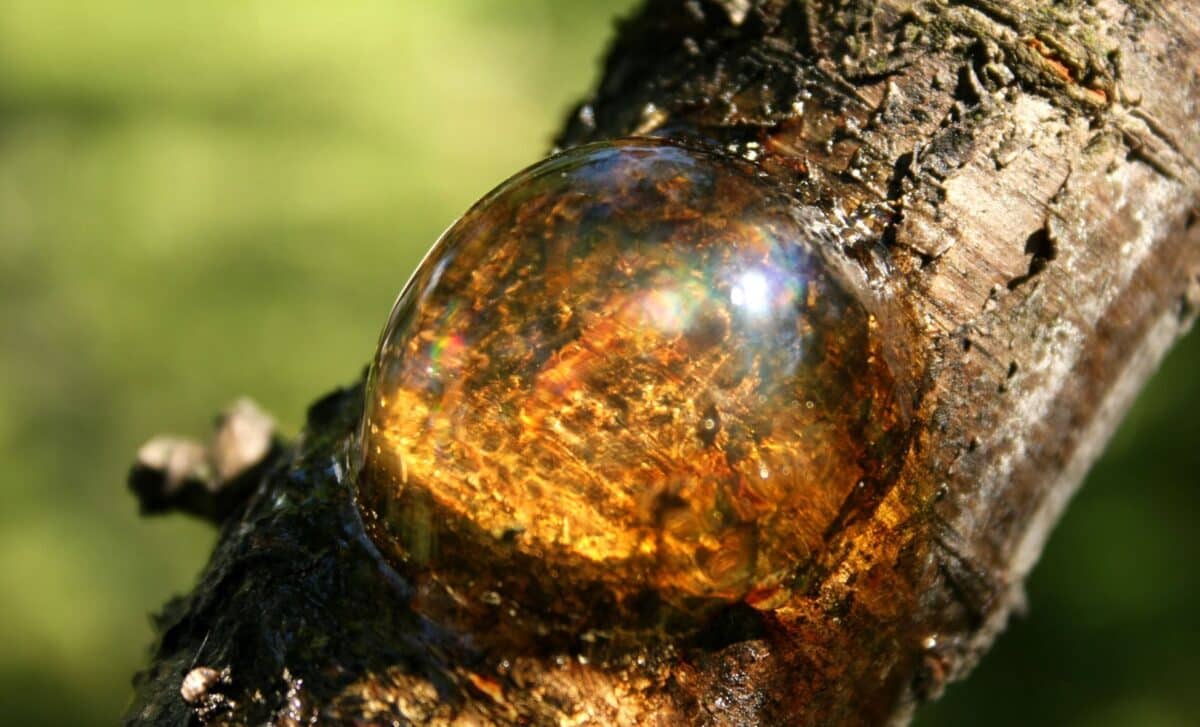
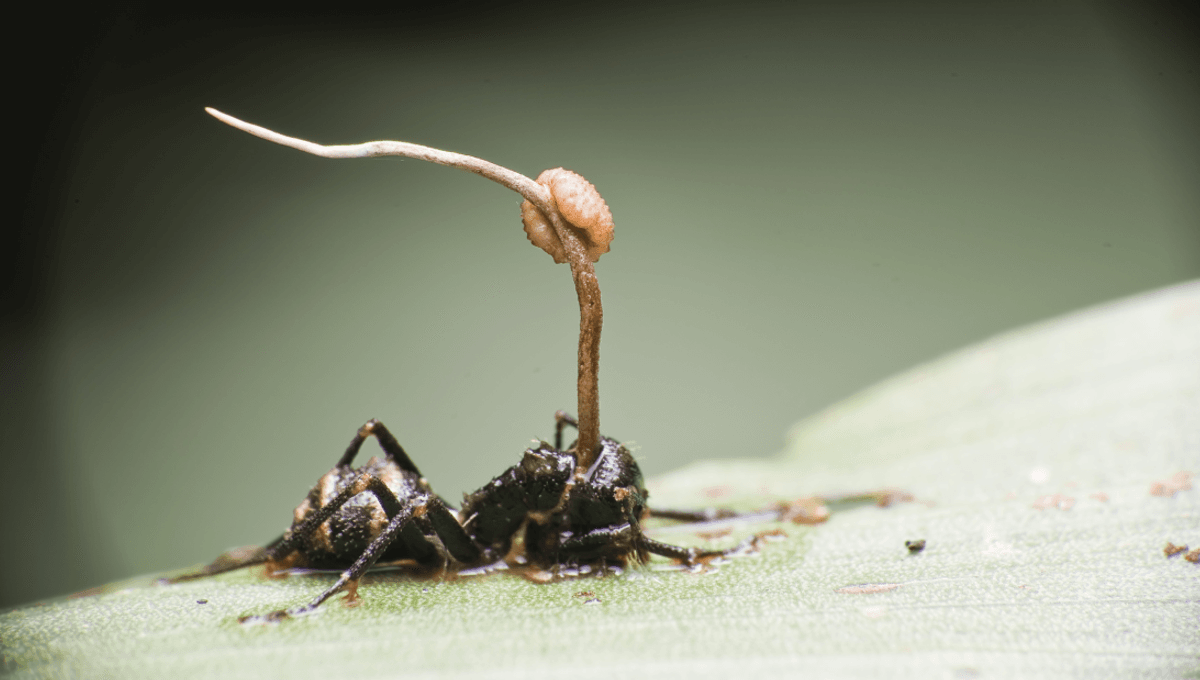
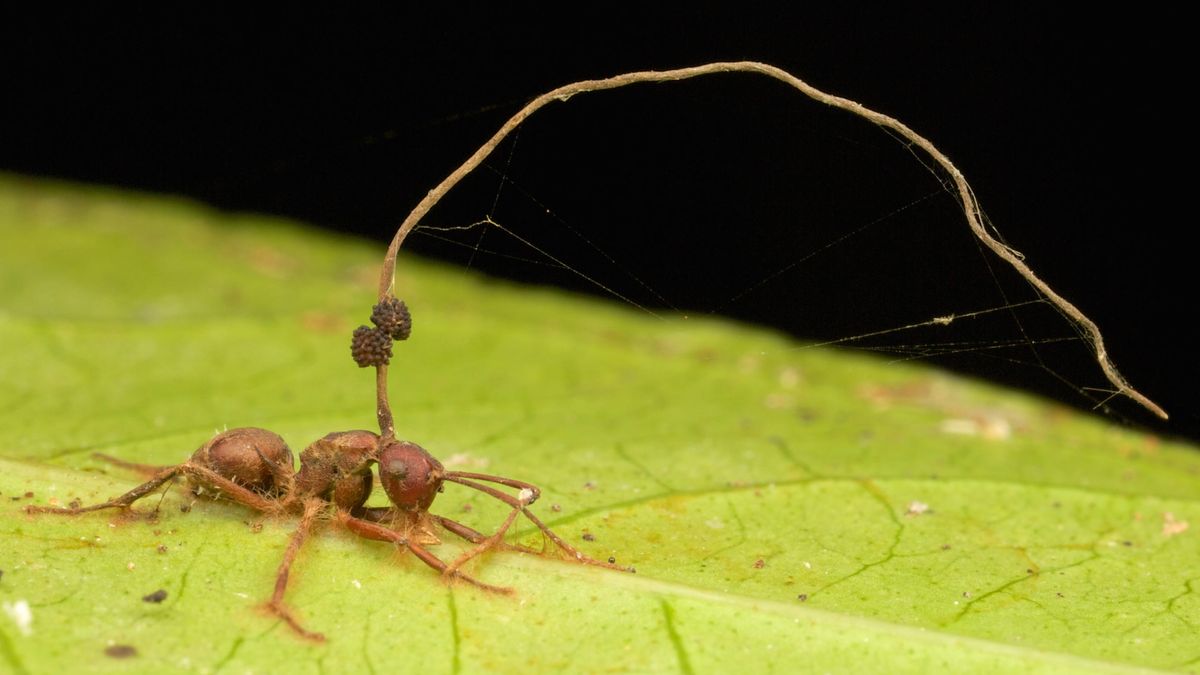
Scientists discovered 99-million-year-old amber fossils of an ant and fly infected by parasitic fungi, providing evidence that such fungi, similar to modern zombie-ant fungi, existed during the Cretaceous period and played a significant role in prehistoric ecosystems.
Scientists have discovered 99-million-year-old amber fossils that provide the oldest evidence of parasitic 'zombie' fungi infecting insects, revealing that such parasitic relationships existed during the age of dinosaurs and played a role in controlling insect populations.
Parasitic fungi, such as the vegetable caterpillar fungus Ophiocordyceps robertsii, play a crucial role in regulating insect populations and maintaining balance in forest ecosystems. These fungi infect and consume the innards of their insect hosts, transforming them into mummified structures from which spores are released. By targeting specific arthropod species, the fungi prevent any one group from dominating and help keep ecosystems stable. Vegetable caterpillars are found in diverse habitats worldwide and have evolved various strategies to manipulate their hosts. Their parasitic nature is essential for preventing population explosions and maintaining forest dynamics.
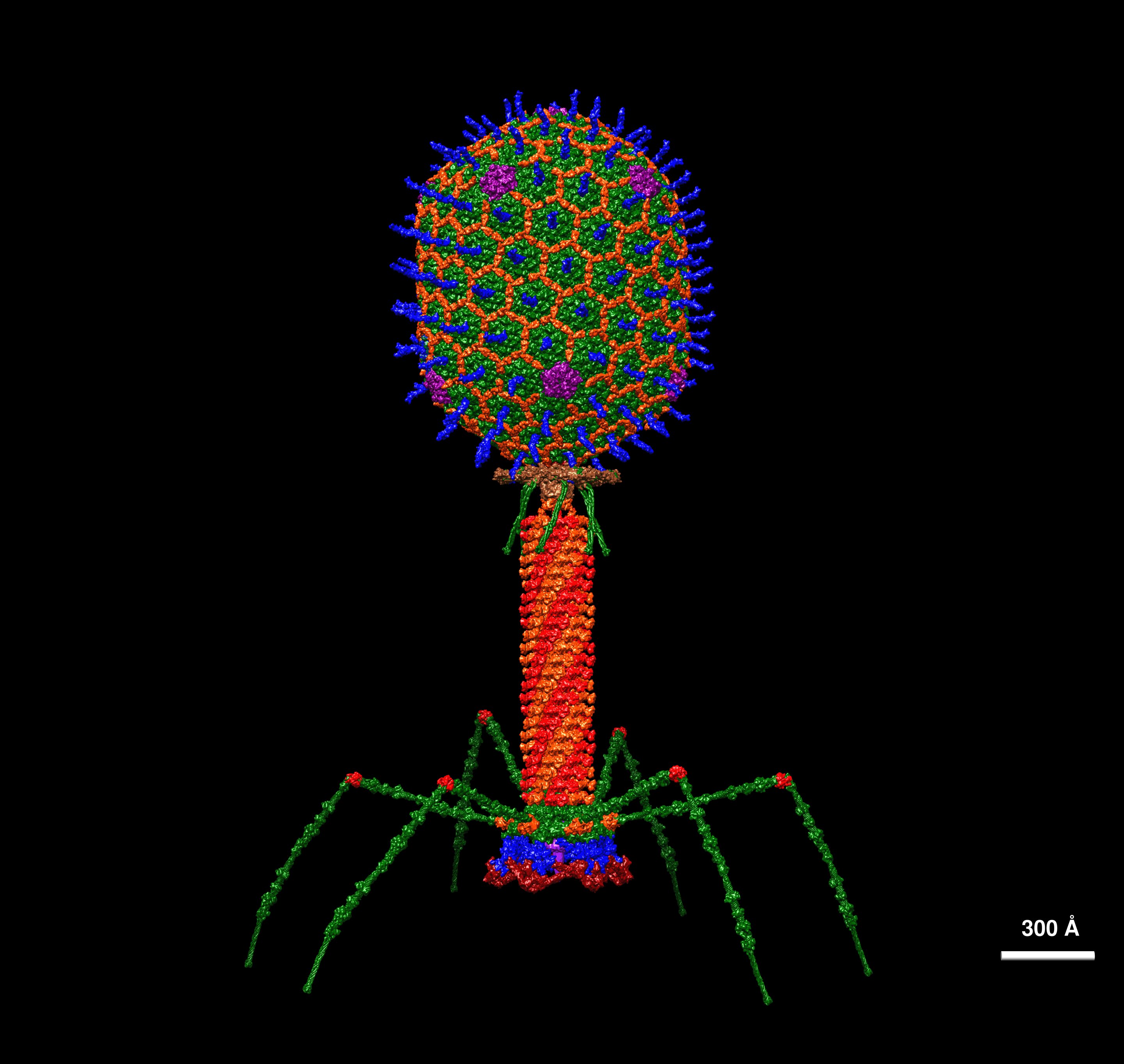
Physicists are using a quantum effect called "squeezing" to measure gravitational space-time waves across the entire range of frequencies detected by the Laser Interferometer Gravitational-Wave Observatory (LIGO), expecting to observe more mergers of black holes and neutron stars. Mycologists have discovered that bonnet mushrooms have evolved the ability to invade the roots of living plants and may be developing into mutualists. New analysis of data from the Curiosity rover suggests that Mars could have had more rivers than previously believed, painting a more optimistic view of ancient life on the planet. Researchers have found that exposure to bacteriophage T4 triggers signaling pathway events that promote cellular growth and survival in mammalian cells, providing insight into potential beneficial interactions between phages and mammalian cells for phage therapy against antibiotic-resistant infections.