Tag

Palomar Observatory

All articles tagged with #palomar observatory

astronomy2 years ago

The Mysterious Disappearance of Stars Leaves Scientists Baffled

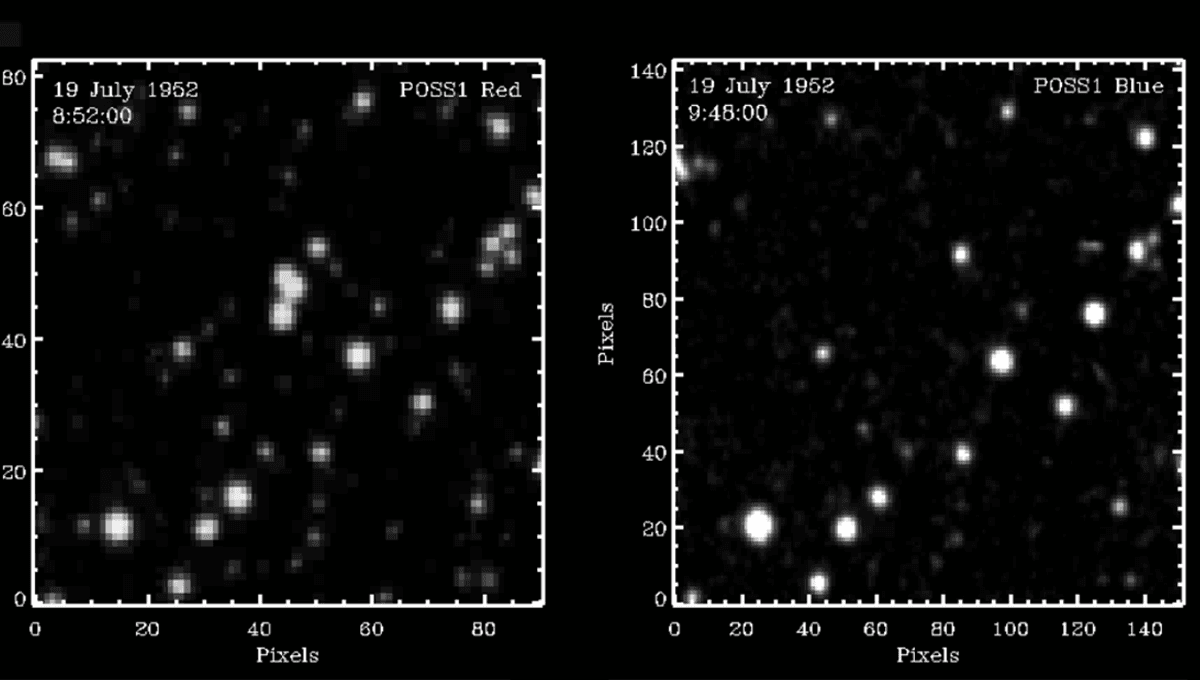
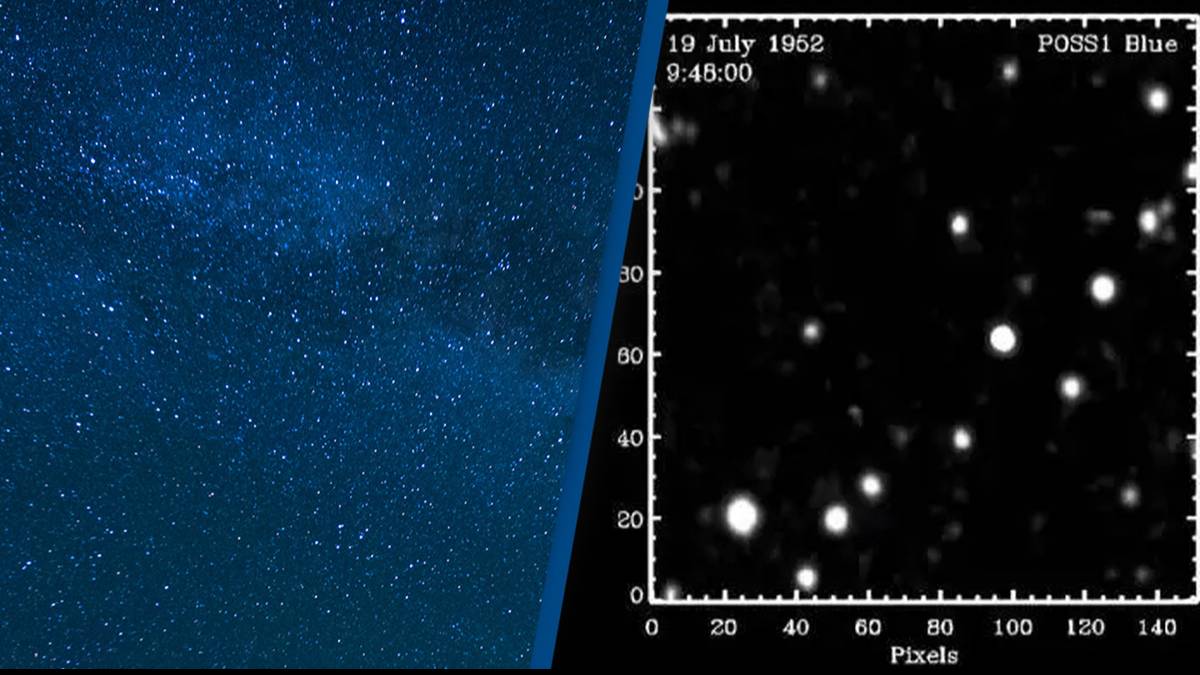
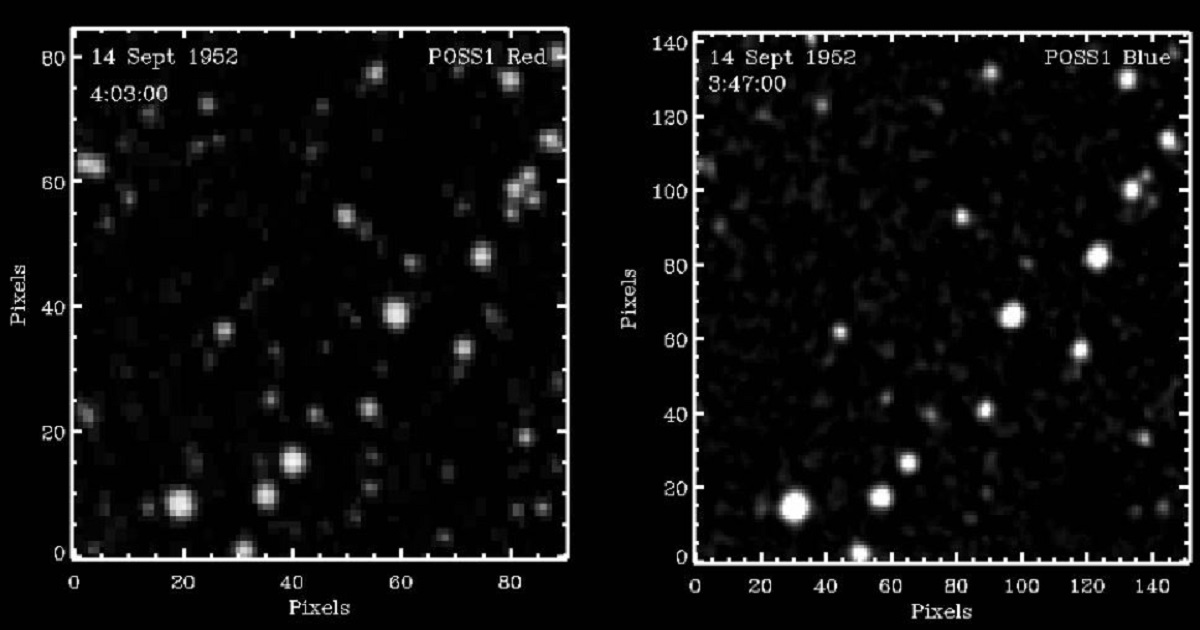
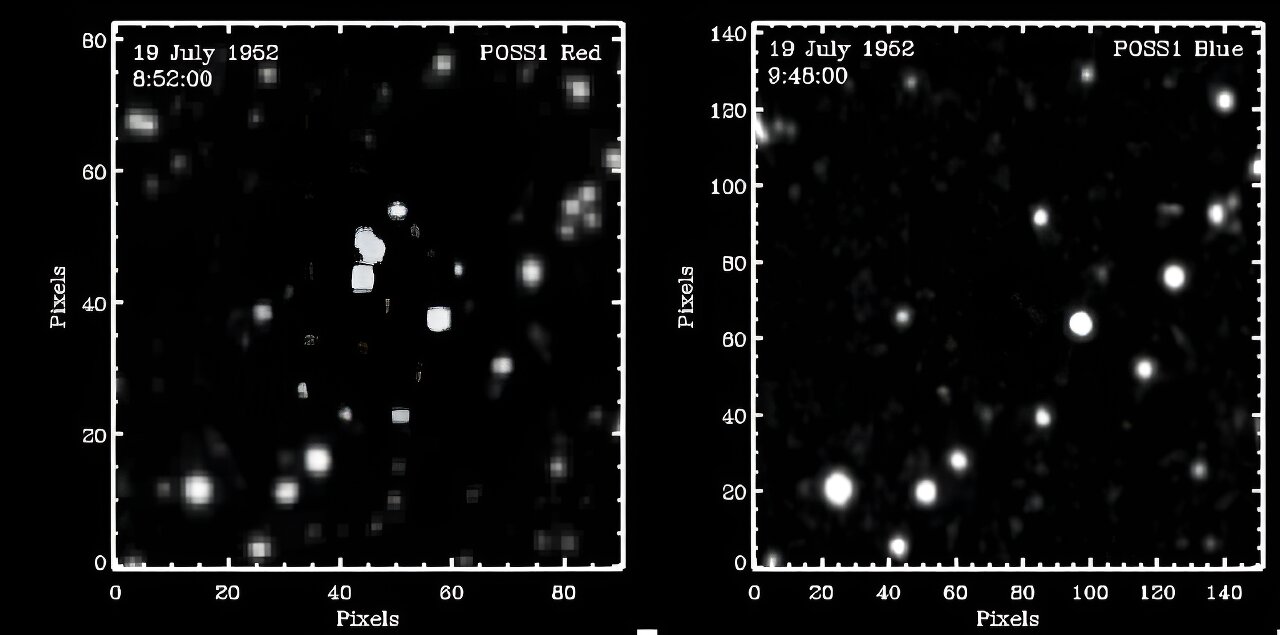
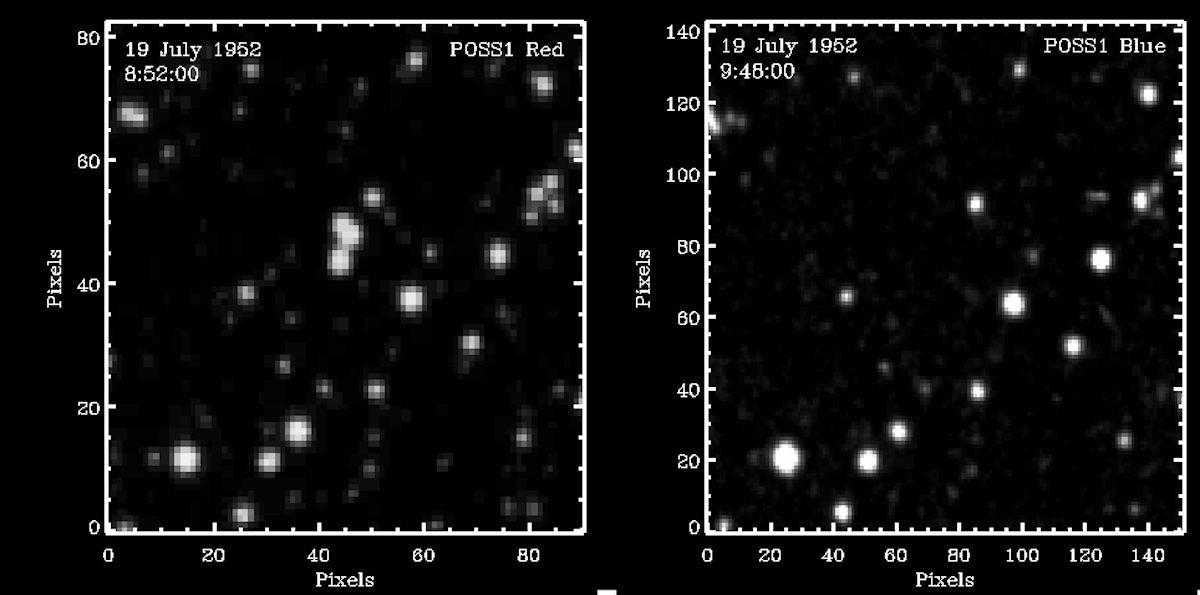
More than 100 stars have mysteriously vanished since 1952, leaving scientists puzzled. The disappearance of three stars captured in images from the Palomar Observatory in 1952 remains unexplained. Theories range from advanced alien civilizations using Dyson Spheres to radioactive dust contaminating photographic plates. Stars don't simply vanish without a trace, and even exploding stars leave behind evidence. The mystery of the missing stars continues to baffle astrophysicists, leaving us with a lot of unanswered questions.

astronomy2 years ago

The Mysterious Disappearance of Three Stars in 1952: Unraveling the Mystery

In 1952, three stars were captured in an image taken by the Palomar Observatory, but disappeared less than an hour later and have not been seen since. A new study explored possible explanations, ruling out factors such as photographic flaws or moving sources. The objects may have been asteroids or objects in our solar system, possibly from the Oort cloud, which would explain their absence in subsequent surveys. Another possibility is gravitational lensing, although this would raise further questions. Further research is needed to determine the true nature of these mysterious transients.

astronomy2 years ago

Mysterious Disappearance of Three Stars Leaves Scientists Perplexed

Scientists are still puzzled by the disappearance of three stars from the night sky within a span of 50 minutes in 1952. One theory suggests that the stars may have been a single star that experienced a fast radio burst from a magnetar or were obscured by a passing black hole. Another theory proposes that the objects were not stars at all but some other unidentified objects that had moved in their orbit. Additionally, radioactive dust from a nearby nuclear weapons testing site could have affected the observatory's equipment. Despite further investigations, including recent observations, the cause of the stars' disappearance remains unknown.

astronomy2 years ago

Unexplained Vanishing of Stars in 1952 Leaves Scientists Baffled

Scientists are still puzzled by the disappearance of three bright stars from the night sky in 1952. A recent study proposes three potential explanations: that they were a single star magnified into three, a different type of stellar object, or remnants of something Earthbound like nuclear testing dust. The mystery deepens as more sensitive telescopes have failed to locate the vanished stars, leaving astronomers with no definitive answers.

astronomy2 years ago

The Mysterious Disappearance of Three "Stars" in 1952 Baffles Astronomers

In 1952, three stars were captured in a photograph at Palomar Observatory but disappeared within an hour. Astronomers have been unable to find an explanation for their sudden vanishing. Possible theories include the stars dimming by an extreme amount, a rare event involving a gravitational lensing effect caused by a black hole, or the objects not being stars at all but rather Oort Cloud objects that brightened due to an external trigger. Another possibility is that the photographic plates were contaminated by radioactive dust from nuclear weapons testing. Further research and observations are needed to solve this mystery.

astronomy2 years ago

The Mysterious Disappearance of the Vanishing Stars: A 1952 Astronomical Enigma

In 1952, three stars were captured on a photographic plate at Palomar Observatory but disappeared within an hour. The stars dimmed by a factor of 10,000 or more, leaving astronomers puzzled. Possible explanations include a single star that brightened and was gravitationally lensed by a passing black hole, Oort Cloud objects that brightened due to an event, or contamination from nuclear weapons testing. Further observations are needed to solve the mystery.

astronomy2 years ago

"Palomar Observatory Discovers Rare Two-Faced Star, Unveiling New Celestial Insights"

Astronomers at Palomar Observatory have discovered a rare white dwarf star named Janus that appears to have two distinct faces on its surface, one composed of hydrogen and the other of helium. This unique finding could provide insights into the evolution of white dwarfs and confirm a long-standing theory about the transition of a star's core as it burns out. The star's composition suggests a rare phase of evolution, and researchers believe that a magnetic field on Janus' surface may be responsible for the separation of hydrogen and helium. Further study of similar white dwarfs is planned to unravel the mystery.