Los Angeles Unified School District announced that superintendent Alberto Carvalho has been placed on paid leave as federal investigators examine the district’s leadership; the probe’s specifics haven’t been disclosed publicly.
Starting January 1, 2026, Minnesota has implemented several new laws including stricter absentee ballot application requirements, specific work break and meal break regulations, a repeal of hunting restrictions in the south, and the activation of a paid leave program. These changes aim to enhance election security, worker rights, and hunting regulations across the state.
There are calls for legal rights to paid leave for women undergoing IVF treatment, as current laws do not guarantee time off, leading many to use sick days or hide their treatment, which impacts their well-being and productivity. Campaigners argue that recognizing fertility treatment as a medical procedure and providing legal leave could benefit both employees and employers, with some political efforts underway to introduce legislation for this purpose.
MLB has placed Cleveland Guardians pitcher Emmanuel Clase on non-disciplinary paid leave amid a gambling investigation, joining teammate Luis Ortiz, as concerns grow over gambling's influence in professional sports.
The NFL is likely to delay placing Browns rookie Quinshon Judkins on paid leave until he signs his contract, as the decision depends on his contractual status and ongoing investigation into allegations of domestic violence, with past cases influencing the approach.
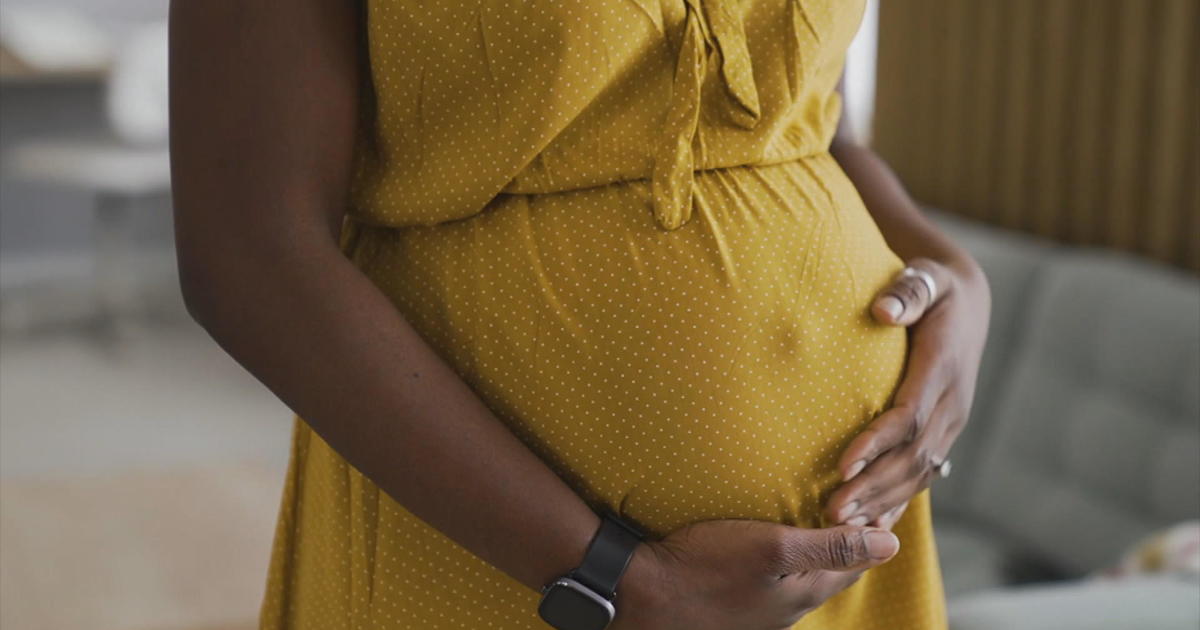
The U.S. has the highest maternal mortality rate among high-income nations, with 22 deaths per 100,000 live births in 2022, significantly higher than countries like Sweden, Switzerland, and Norway. Black women in the U.S. face nearly 50 deaths per 100,000 births, highlighting severe racial disparities in maternal care. Contributing factors include lack of postpartum support, insufficient maternity care providers, and absence of mandated paid leave, unlike other high-income countries. Addressing these issues with a focus on equity is crucial to reducing maternal mortality rates.
The CDC is preparing to change its covid isolation guidance, allowing people to return to work and school after being fever-free for 24 hours without medication and with improving symptoms, similar to other respiratory viruses. This has raised concerns among medically vulnerable individuals, who fear increased exposure and the end of paid leave benefits. Critics argue that covid should not be treated like other respiratory viruses due to its higher hospitalization and mortality rates, as well as long-term complications. The proposed changes have sparked debate over balancing public health and economic considerations, with some advocating for protective measures while others emphasize the need to minimize disruptions.
The CDC is preparing to ease covid isolation guidance, alarming medically vulnerable individuals who fear returning to work while still contagious. Critics argue that treating covid like other respiratory viruses overlooks its higher hospitalization and mortality rates, as well as long-term complications. While some support the change, concerns remain about its impact on community transmission and the risk to immunosuppressed individuals. The shift also raises questions about paid leave policies and the potential consequences for public health and workplace productivity.
The Chicago City Council has approved a new ordinance mandating that businesses in the city provide 10 days of paid leave per year to their employees, starting from January 1. This policy goes beyond the statewide requirement of five days of paid leave and makes Chicago's ordinance one of the most expansive in the nation. The measure, which includes five sick days and five vacation days, also requires larger companies to pay out unused time when employees leave their jobs. While the ordinance has faced opposition from the business community, Mayor Brandon Johnson sees it as a step towards workplace equity and a values statement.
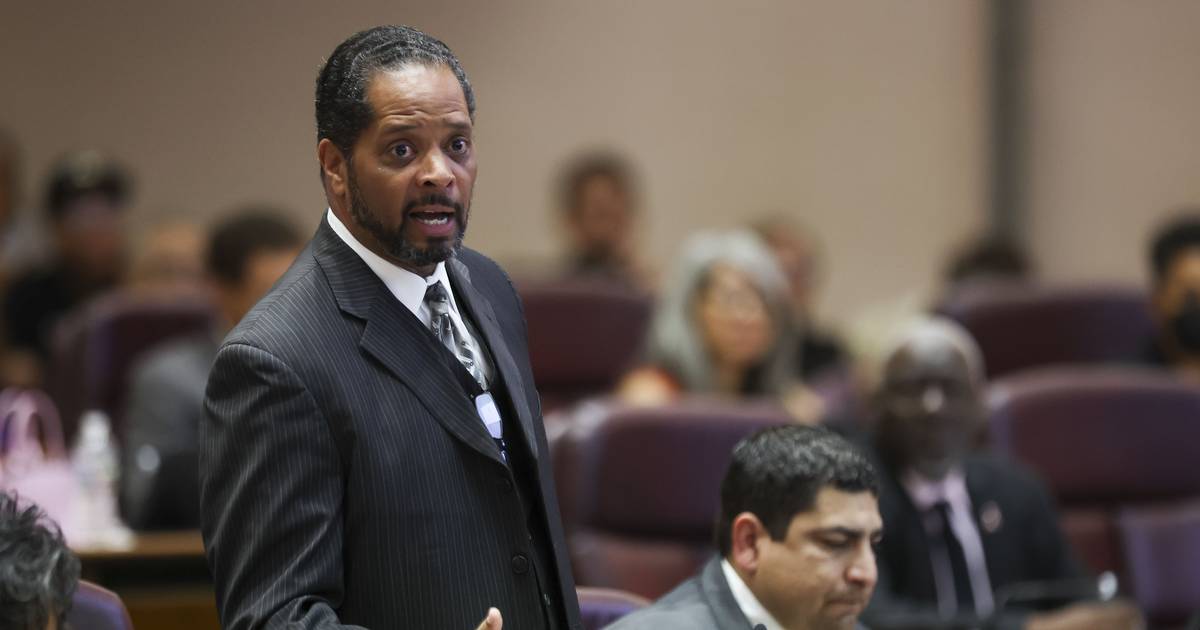
A vote on expanding Chicago's paid leave policies was delayed after facing pushback from Black aldermen and business interests. The proposed legislation, a key part of Mayor Brandon Johnson's pro-worker agenda, would require employers to provide up to 12 days of paid time off annually. Supporters believe they have the necessary votes to pass it, but concerns from both business groups and Black aldermen led to the postponement. The delay highlights the challenge of unifying different stakeholders and finding a compromise that addresses concerns about affordability for small businesses while protecting workers' rights.
A Pawtucket police officer, Daniel Dolan, was arrested for driving under the influence and reckless driving. He is also accused of making violent threats towards officers in Coventry. Dolan allegedly made comments like "next time I'm shooting" and "next time I'm killing you [expletive]." He faces charges of threats to public officials, DUI, and reckless driving. Dolan, who is currently on paid leave for a separate case, was previously acquitted of assault charges for shooting and wounding a teenager. The city is now seeking to fire him, and his employment status is being determined through the Law Enforcement Officers' Bill of Rights process.
The Jackson Public School District in Mississippi has identified seven schools with testing irregularities, resulting in leaders at those schools being placed on paid leave. Four schools had isolated incidents of test irregularities in specific grade levels, classrooms, or subject areas, while three schools had more pronounced irregularities across multiple grade levels and subject areas. The investigation is focused on individuals at the schools rather than the entire staff and is expected to last up to fifteen working days.
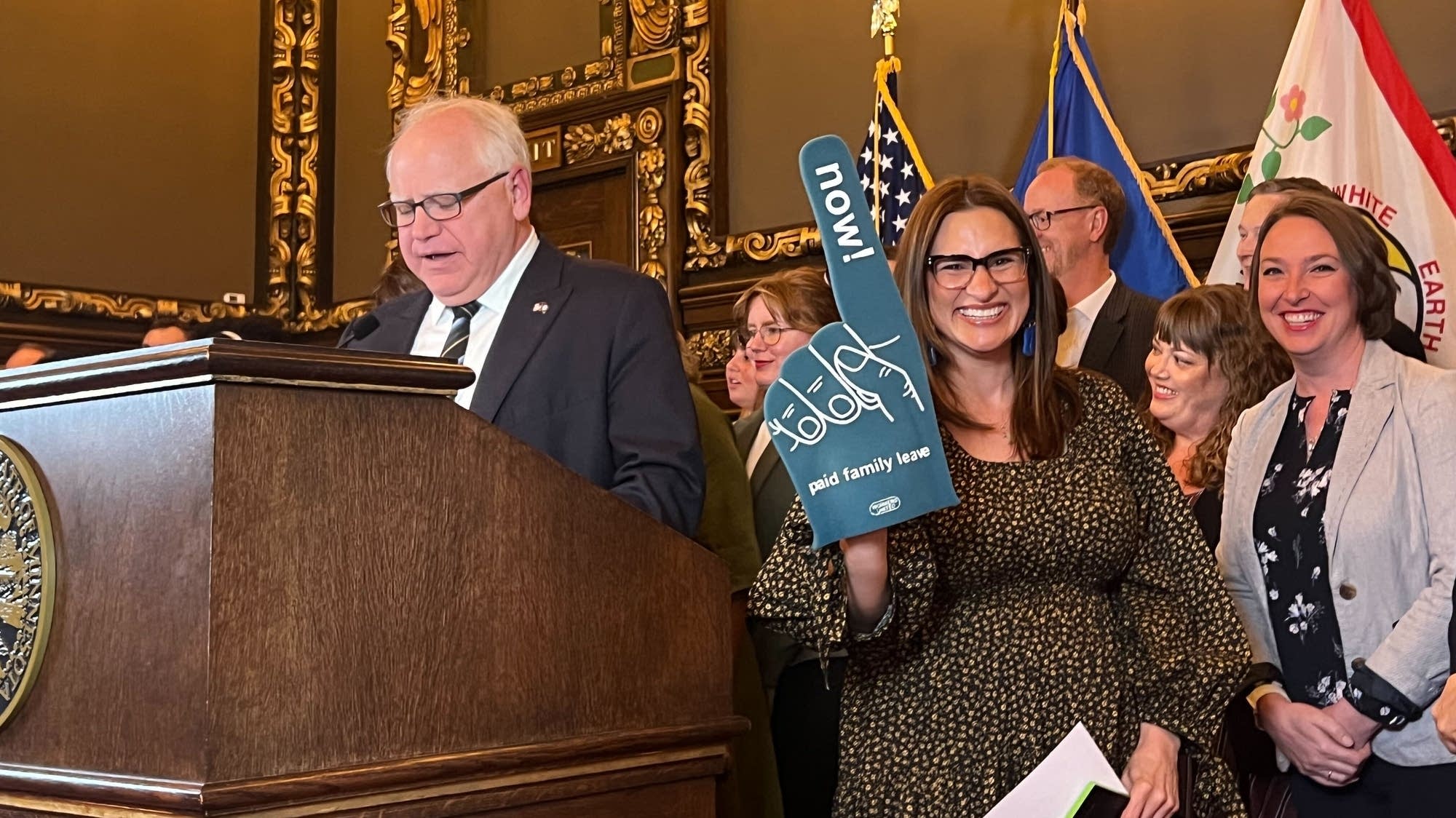
Minnesota has passed a paid family and medical leave program that will cover bonding time around a child's birth, caregiving leave, an employee's own medical situation, military deployment, and instances of domestic abuse or sexual assault. The program will provide up to 20 weeks of leave in a calendar year, with a maximum of 12 weeks for any single event. The level of pay will be determined by a scale that factors in a person's wages and the state's average weekly wage. The costs will be split among companies and their workers, with a payroll tax beginning at 0.7 percent in January 2026.
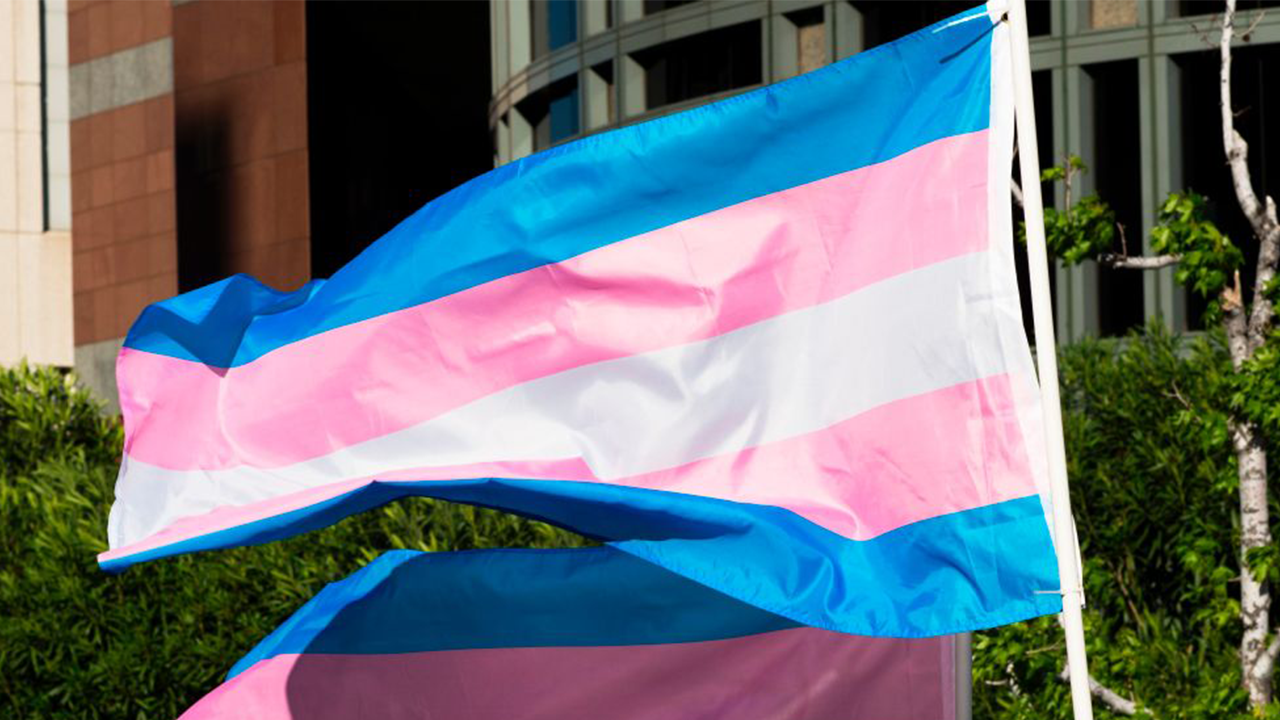
SunCorp, a banking, finance and insurance corporation in Australia, is offering six weeks of paid leave to employees who want to change their legal sex, undergo surgery or other steps related to changing their gender. The move is to reinforce their commitment to inclusivity and give employees the time and financial support required to engage in the steps they need to affirm their gender. The leave can be used to come out as transgender, change their pronouns, buy clothes that match their gender identity, change their name or gender on official documents, or undergo surgery and hormone therapy.
The town of Saint-Ouen, north of Paris, has become the first French municipality to grant paid medical leave to female staff suffering from period pain, allowing up to two days off each month without loss of salary. The move aims to break the taboo on the subject and inspire similar moves at the national level. The new rules will allow women to choose between taking time off or working from home. Feminist groups have long campaigned for greater support for women’s health at work, though the subject of paid menstrual leave has proved divisive amid concern it could hinder women’s access to the labour market.