Tag

Orbital Reef

All articles tagged with #orbital reef

space-exploration6 months ago

ESA Partners with Blue Origin and Thales to Develop Orbital Reef and LEO Capabilities

The European Space Agency (ESA) has signed an agreement with Thales Alenia Space and Blue Origin to explore the potential use of Blue Origin's Orbital Reef commercial space station for European payloads, astronauts, and hardware contributions, as part of its strategy to maintain a human presence in low Earth orbit after the International Space Station's retirement.
space1 year ago

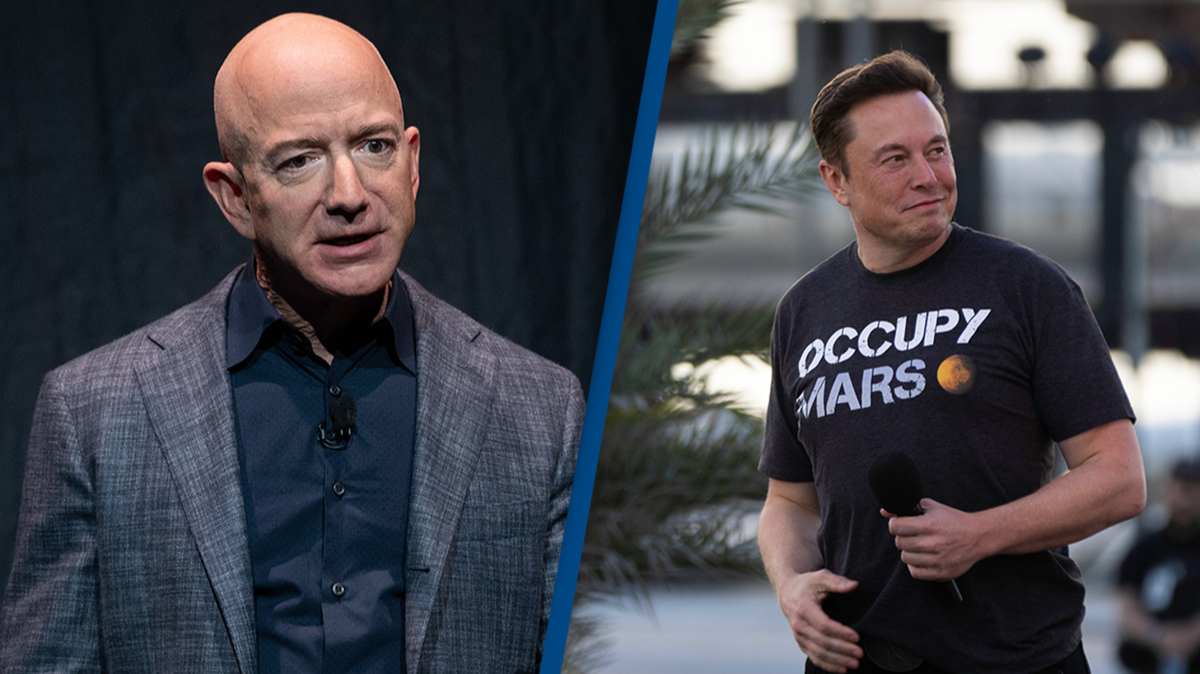
Bezos and Musk's Plans for Post-ISS Era Amid Environmental Concerns

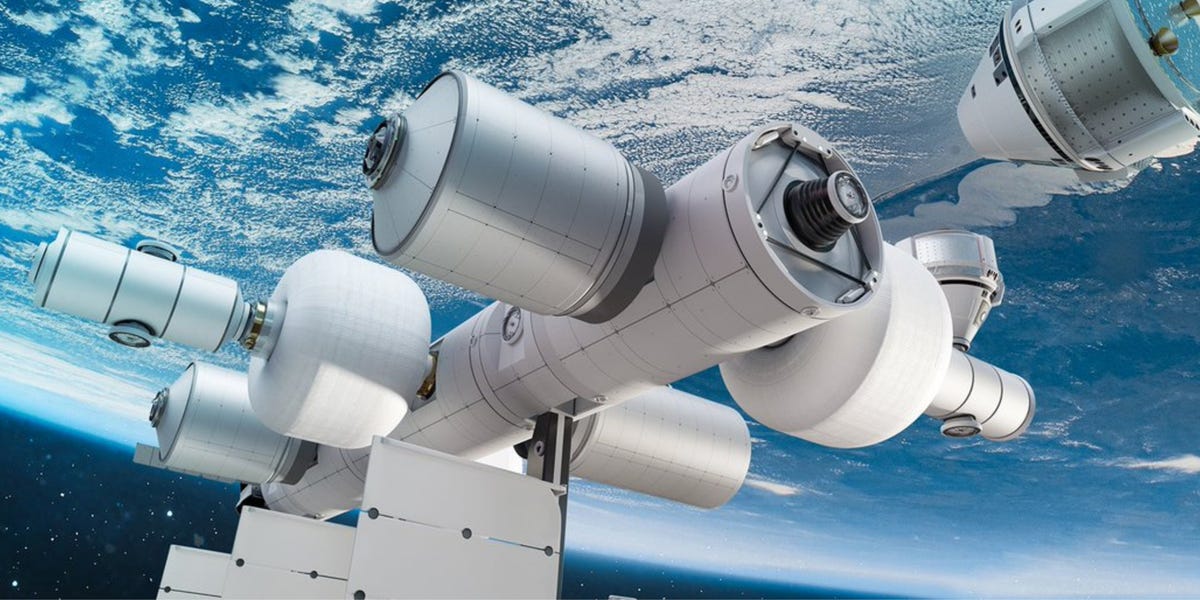
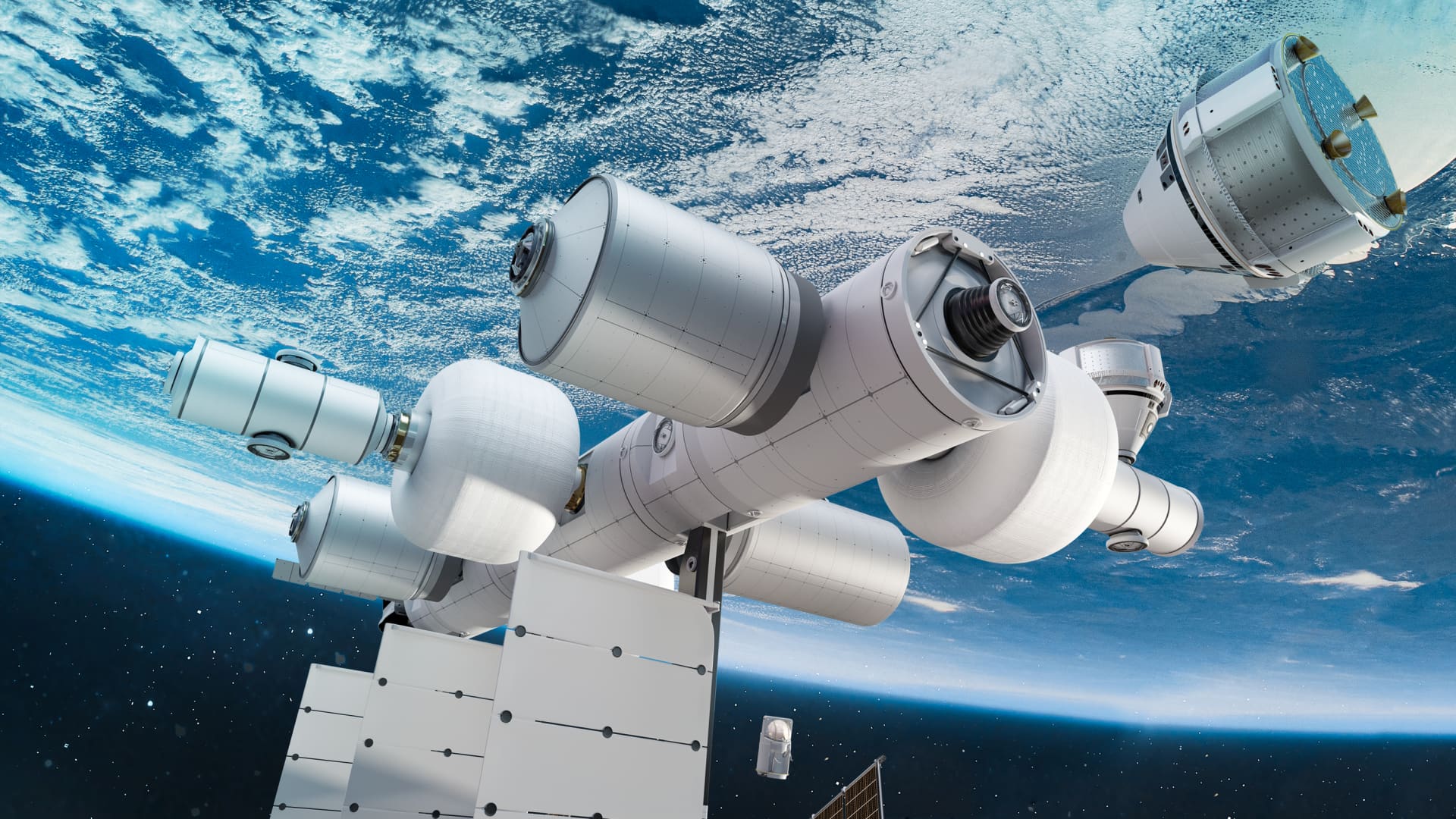
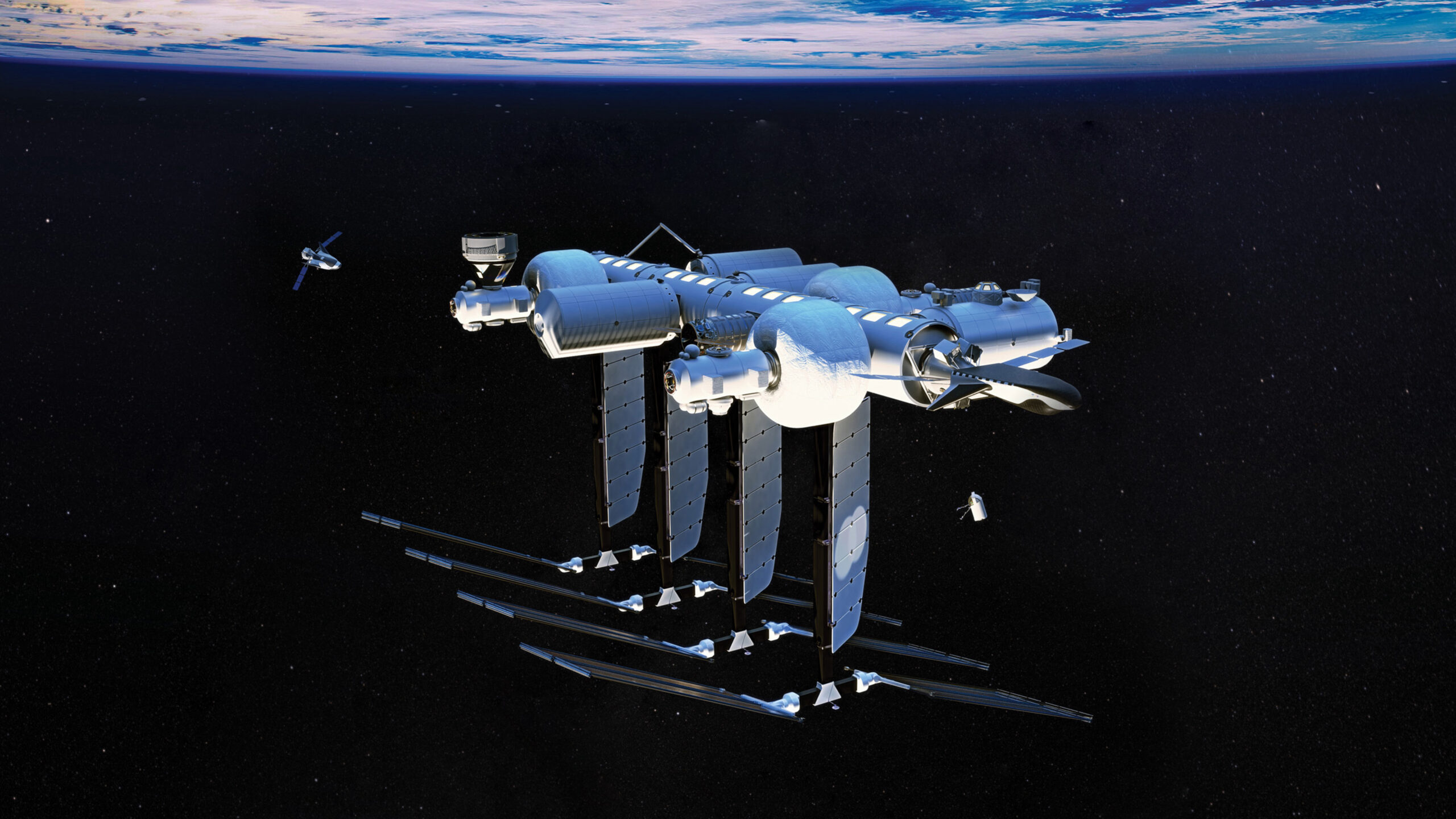
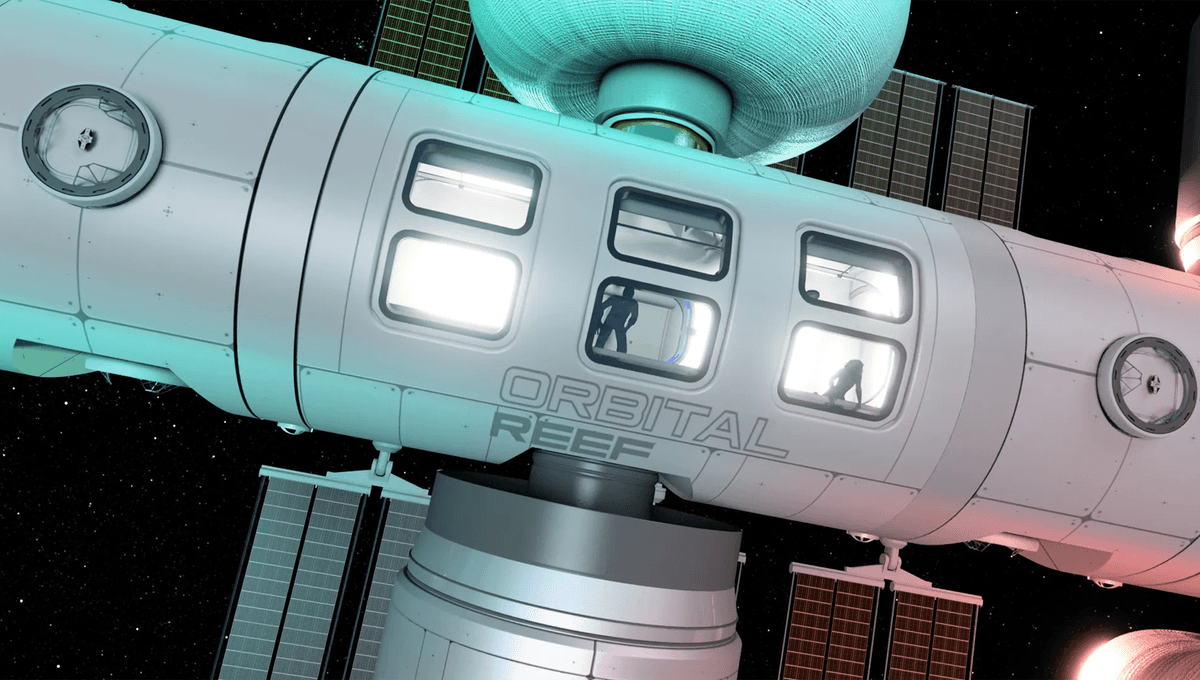
Jeff Bezos plans to launch Orbital Reef, a $100 billion commercial space station, to replace the International Space Station (ISS) after its decommissioning in 2031. Developed by Blue Origin with partners like Sierra Space and Boeing, Orbital Reef will support research, tourism, and commercial activities in low-Earth orbit. SpaceX, led by Elon Musk, has a NASA contract to assist in deorbiting the ISS. Orbital Reef is expected to be operational by 2030, just before the ISS is retired.

space-exploration1 year ago

"Blue Origin's Orbital Reef: Milestones Achieved for Private Space Station Life Support System"

Jeff Bezos' plan for the first private space station, Orbital Reef, has passed four key milestones in its development, including tests on critical life-support systems such as air and water purification, storage, and recycling. The project, a collaboration between Sierra Space and Blue Origin, aims to be operational in low-Earth orbit by 2027 and has received funding from NASA. With the International Space Station set to retire in the next decade, commercial space stations like Orbital Reef are poised to play a significant role in human presence in space for commerce, research, and tourism.

space-exploration1 year ago

"Blue Origin's Orbital Reef Space Station Achieves NASA Contract Milestone"

Blue Origin's Orbital Reef, a potential replacement for the International Space Station, passed four key milestones, including tests on its regenerative system for recycling urine into drinking water. NASA awarded Blue Origin and Sierra Space $172 million to develop the space station, which aims to support human life and potentially accommodate space tourists. As the ISS ages and experiences issues, NASA is investing in commercial space stations to free up budget for lunar and Mars missions, with plans to transition away from the ISS by 2030.

space-exploration1 year ago

"Blue Origin's Orbital Reef: A Sci-Fi Space Station for Earthbound Tourists"

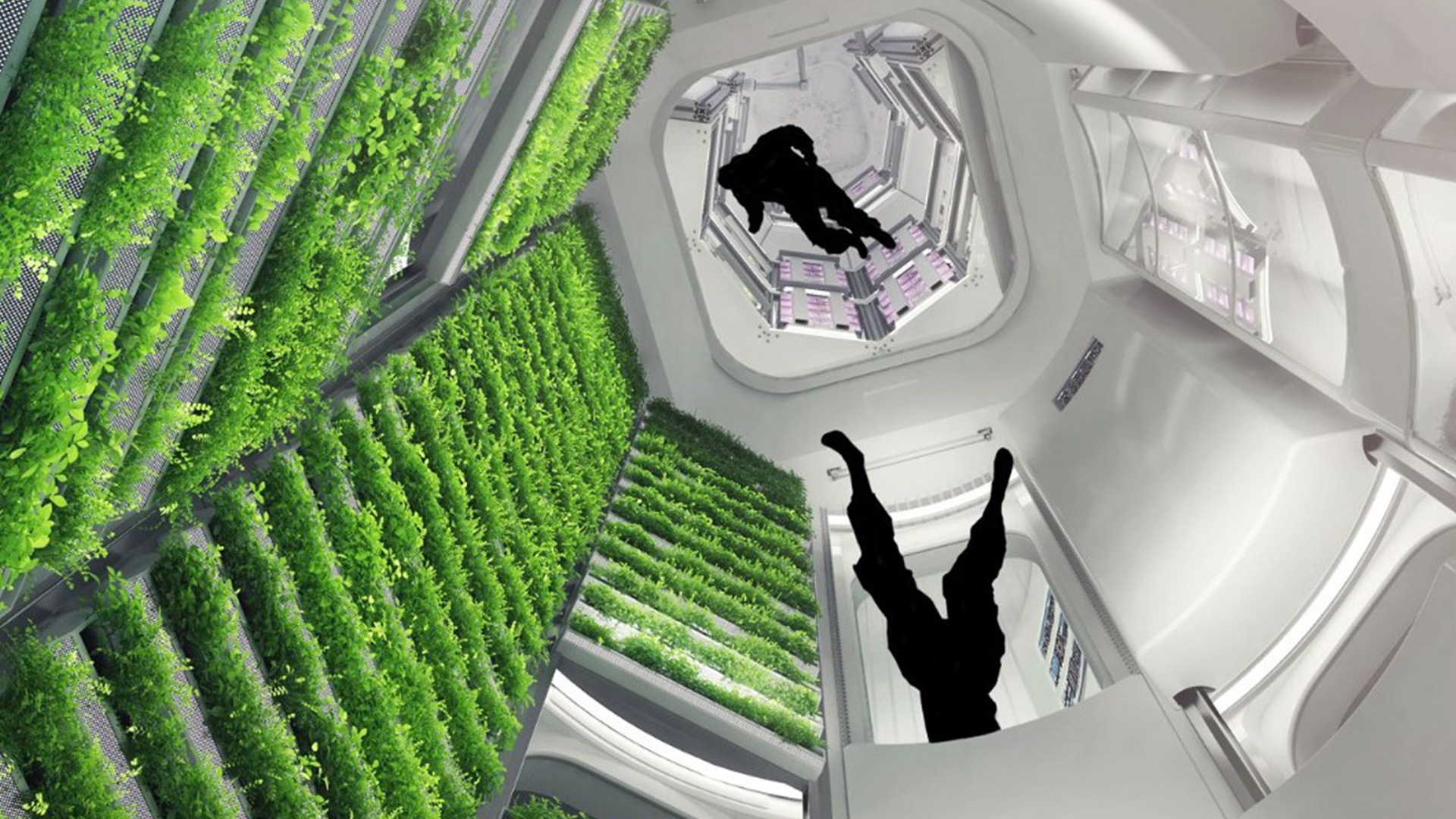
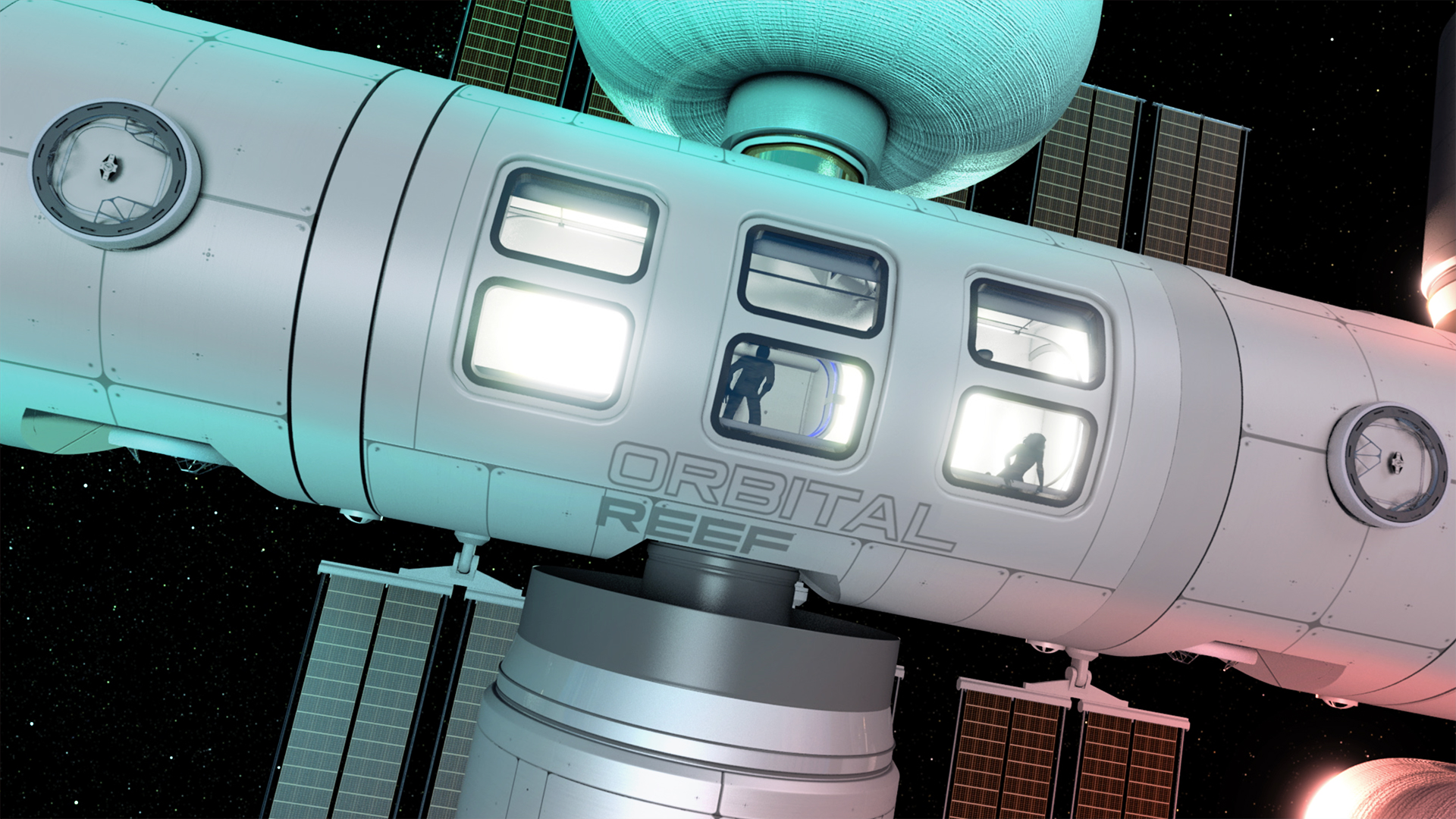
Blue Origin's Orbital Reef space station, a project in partnership with NASA, has achieved major life support milestones, bringing the sci-fi-like space station closer to reality. The project aims to provide continued access to space for scientists and tourists, with a life support system mirroring that of the International Space Station. The space station will function as both a residential and research facility, offering spacious modules, living spaces with Earth-facing windows, and amenities for travelers, while also providing accommodation and laboratories for scientists conducting research in space.

space-technology1 year ago

"Blue Origin's Orbital Reef Life Support System Shows Promise, Says NASA"

Blue Origin's Orbital Reef, a NASA-funded commercial space station, has achieved testing milestones for its life support system, including air and water cleaning, reclamation, and storage technologies. NASA's collaboration with commercial companies aims to maintain a continuous human presence in low Earth orbit, supporting scientific research and benefiting life on Earth. The system will be crucial for sustaining human life in space, similar to the environmental control and life support system on the International Space Station. NASA's commercial strategy for low Earth orbit aims to provide reliable and cost-effective services, allowing the agency to focus on deep space missions while continuing to utilize low Earth orbit for training and preparation.

space-technology1 year ago

"Sierra Space Conducts In-Space Habitat Test Amid Commercial Space Station Development"

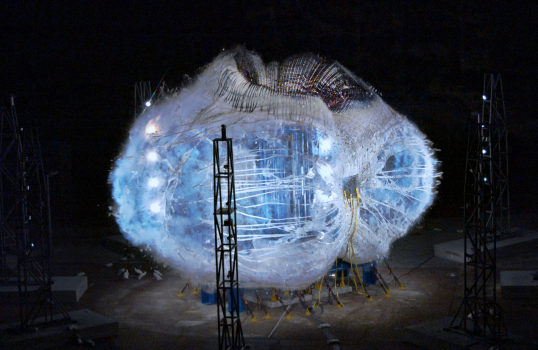
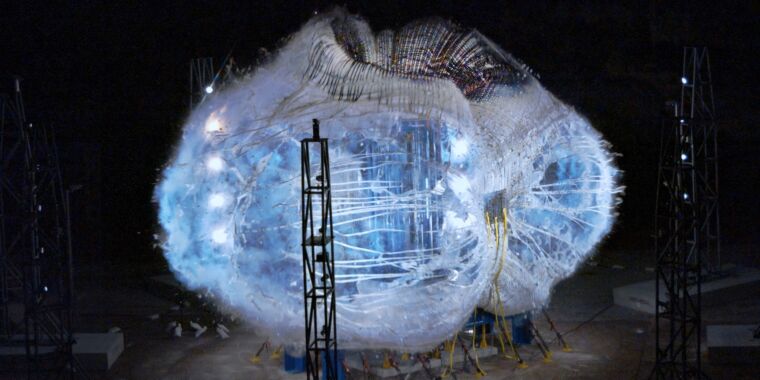
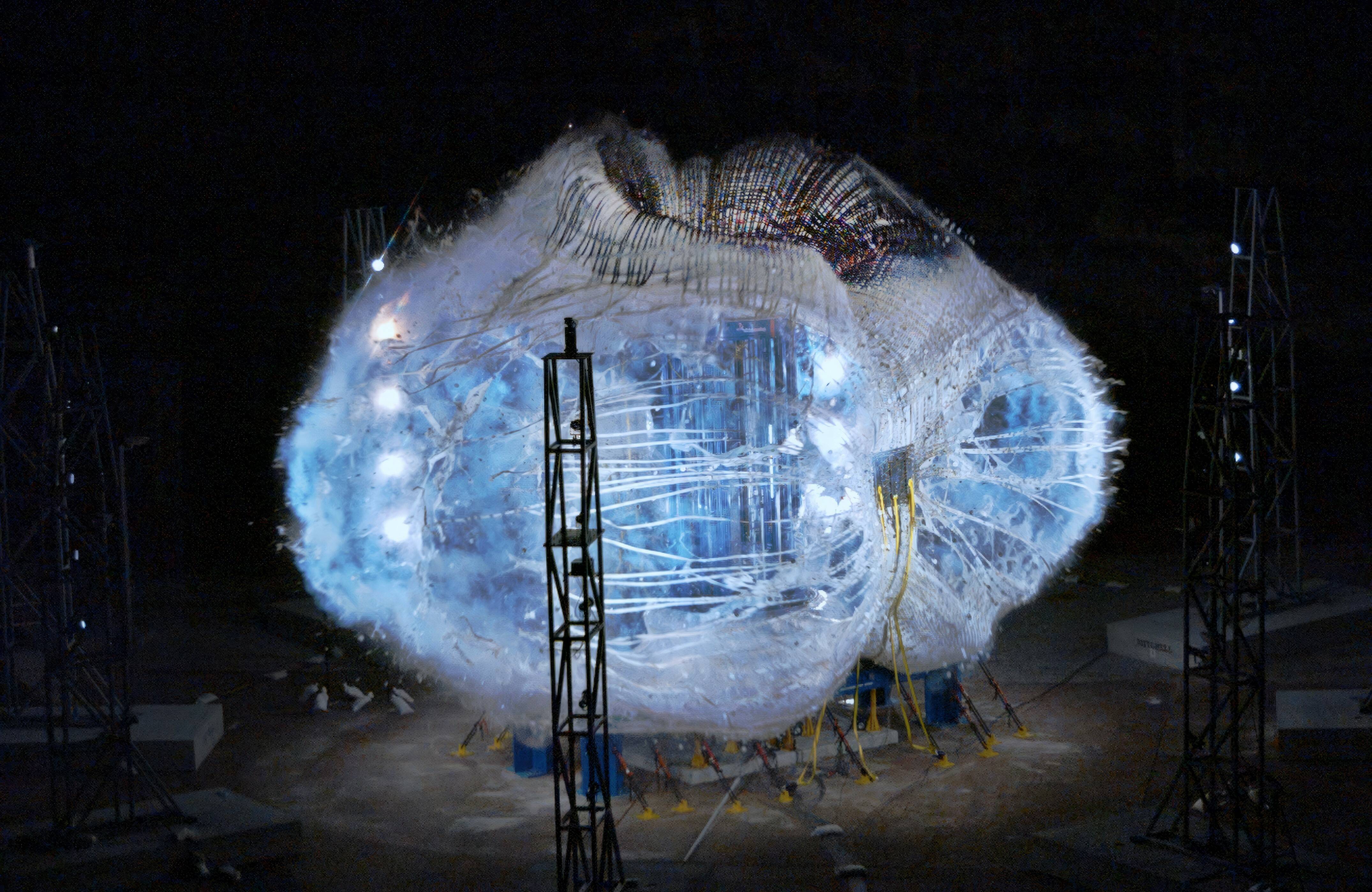
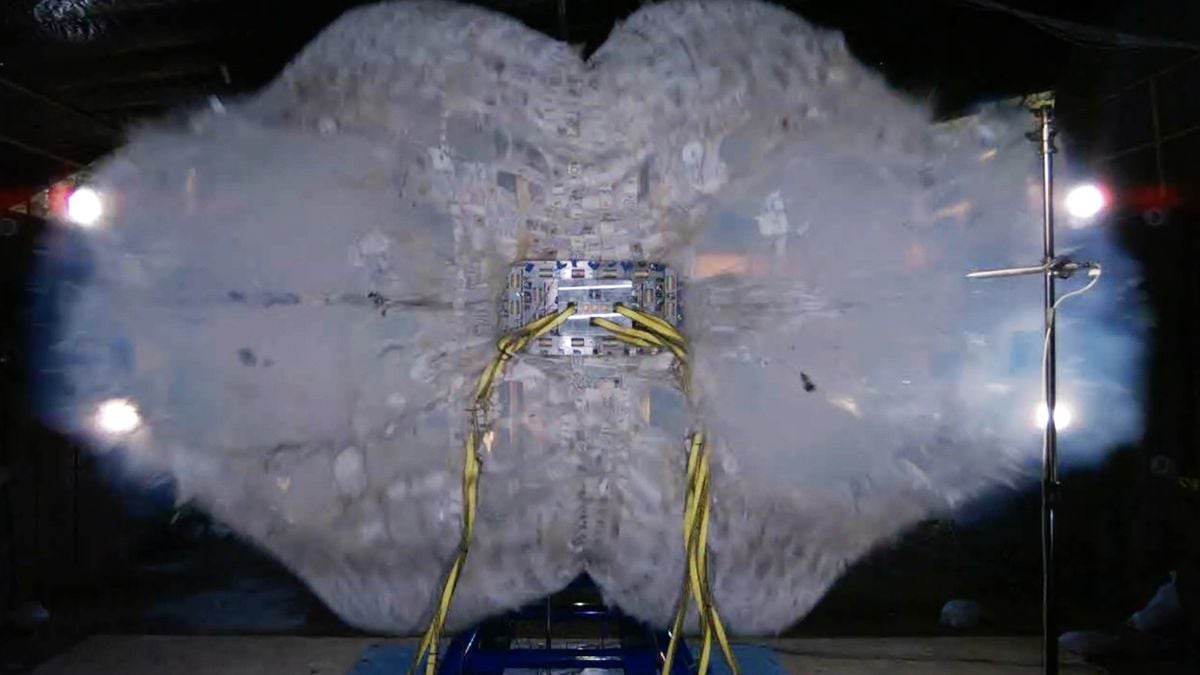
Sierra Space conducted an ultimate burst pressure test on its Large Integrated Flexible Environment (LIFE) habitat, which is designed to be launched encapsulated within any four-meter fairing, docked to a space station in orbit, and then inflated to a 9-meter by 16-meter structure. The test reached 77 pounds per square inch (psi) before bursting, exceeding NASA’s recommended level of 60.8 psi. Sierra Space plans to repeat the test for consistency and aims to have the LIFE habitats in operation by the end of the decade. Other commercial space station projects, such as Orbital Reef, Axiom Station, Haven-1, and Starmax, are also making progress in developing their space stations and modules.

space-exploration1 year ago

"Blue Origin's Advancements in Human Spacecraft Development"

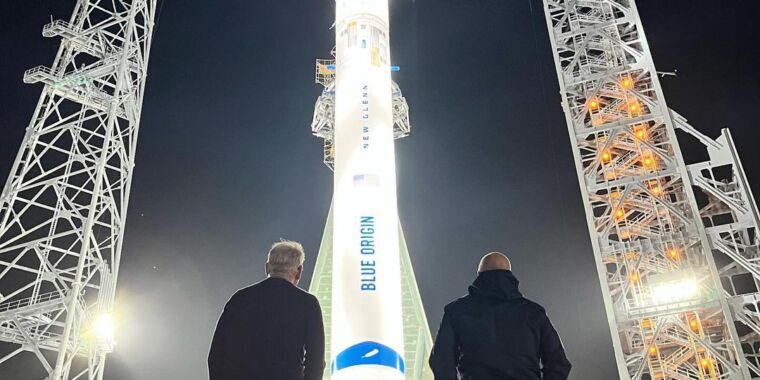
Blue Origin, under new CEO Dave Limp, is making significant strides in space exploration, with successful rocket engine tests and the upcoming launch of the New Glenn rocket. The company is also developing hardware for New Glenn and a private space station called Orbital Reef. Blue Origin is now actively hiring staff to develop a crewed spacecraft, indicating a renewed focus on human spaceflight. This move suggests that the company is getting serious about its ambitions for crewed space missions and may reveal more about its spaceflight plans later this year.

space-technology1 year ago

"Inflatable Space Habitats: A Journey Through Time and Beyond"

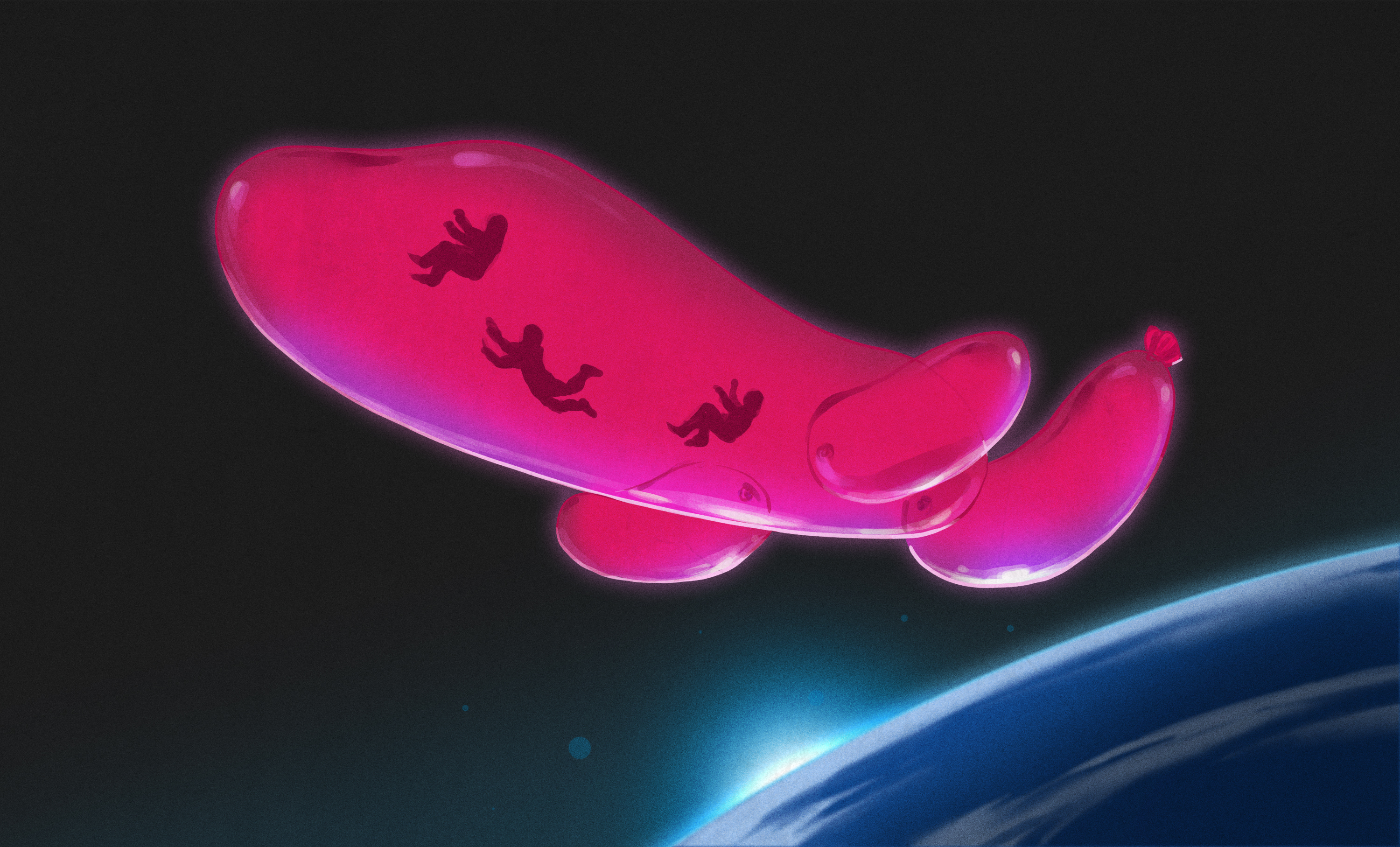
Sierra Space's prototype inflatable space station module, the Large Integrated Flexible Environment (LIFE) module, recently exploded during a test, demonstrating the potential of inflatable space habitats. This technology has a long history, with NASA's TransHab concept and Bigelow Aerospace's Genesis modules paving the way. Sierra Space is now leading the development of expandable structures, with plans for LIFE 2.0 and LIFE 3.0 modules, and is collaborating with Blue Origin on the Orbital Reef commercial space station, aiming to have it operational by 2030.

space-technology2 years ago

"Sierra Space's Explosive Test Proves Safety of Inflatable Space Habitats"

Sierra Space has successfully demonstrated the safety of its full-scale inflatable habitat for a future space station by withstanding five times the pressure it would need to handle in space during a ground test at NASA's Marshall Space Flight Center. The test exceeded NASA's recommended safety standard, marking a significant milestone for Sierra Space's EarthSpace Systems division. The company is partnering with Blue Origin on a commercial space station concept called Orbital Reef, which could become a hub for research, manufacturing, tourism, and other applications in low-Earth orbit.

space-technology2 years ago

"Sierra Space Successfully Tests Full-Scale Inflatable Space Habitat Module"

Sierra Space successfully inflated a full-sized test article of its Large Integrated Flexible Environment (LIFE) habitat beyond bursting point, demonstrating its potential behavior in space. The Ultimate Burst Pressure (UBP) test reached 77 psi, 27% above NASA's recommended level, and the company plans further tests in 2024. Sierra Space aims to collaborate with Blue Origin on the Orbital Reef commercial space station, while also preparing for the maiden launch of its Dream Chaser spacecraft later this year.

space2 years ago

Advancements in New Space Stations by NASA's Commercial Partners

NASA's commercial space station partners, Axiom Space, Blue Origin's Orbital Reef, and Voyager Space's Starlab, are making progress in designing and developing their orbital destinations. Axiom Space is on track to launch its first module, Axiom Hab One, to the International Space Station in 2026, while Blue Origin recently completed tests for a window system and a structural demonstration for Orbital Reef. Voyager Space's Starlab completed milestones for an optical link demonstration and alternative urine processor demonstration. These developments are part of NASA's efforts to maintain a continuous human presence in low Earth orbit and provide services to NASA and others.

space2 years ago

"Blue Origin Anticipates Split in Space Station Partnership, Sources Say"

Blue Origin, the aerospace company founded by Jeff Bezos, is expected to dissolve its corporate partnership with Sierra Space to build a commercial space station called Orbital Reef. The company has reassigned a majority of its employees working on the project to other programs, such as Blue Origin's moon lander contract with NASA and an in-space mobility project. The head of Blue Origin's Advanced Development Programs overseeing Orbital Reef, Brent Sherwood, plans to leave the company by the end of the year. The partnership between Blue Origin and Sierra Space has reportedly soured, leading to disagreements between the companies' managements. Blue Origin is expected to continue working on its own version of a space station without Sierra, but details of those plans are unclear.

space2 years ago

"Blue Origin and Sierra Space's Orbital Reef Partnership Faces Uncertain Future"

The partnership between Blue Origin and Sierra Space for the development of the Orbital Reef space station is reportedly facing challenges, with discussions ongoing about a potential end to the partnership. Both companies have prioritized other projects, such as Blue Origin's lunar lander and Sierra Space's spaceplane, leading to the likelihood of them going their separate ways. Blue Origin had previously won a $130 million contract from NASA for design work on Orbital Reef, but there are no current plans to transfer the agreement. Sierra Space continues to develop its LIFE habitat concept, with plans for a demonstration mission in 2026.

spaceflight2 years ago

Explosive Tests and Affordable Infrastructure: The Future of Inflatable Space Stations

Sierra Space, a Colorado company, conducted a burst test on an inflatable module design for the Orbital Reef space station. The test involved deliberately exploding the module, which included a metal plate, to test its limits. The module, called LIFE (Large Integrated Flexible Environment), showed a 33% margin over the certification standard for a full-scale module, marking a nearly 20% improvement over previous designs. Sierra aims to have the module ready by 2030 for the Orbital Reef space station led by Blue Origin. NASA is also laying the groundwork for future commercial space stations to replace the International Space Station, with plans for a two-year transition period.