The article discusses the growing popularity of nonalcoholic beverages during Dry January and beyond, highlighting trends, popular brands, and the social and psychological benefits of choosing nonalcoholic options, including mocktails, nonalcoholic wines, and spirits, which are improving in taste and availability.
The article discusses how men can reduce alcohol consumption without losing their social edge, emphasizing that moderation leads to greater control and maturity rather than boredom or dullness.
Participating in Dry January can lead to health improvements such as better sleep, mood, and lower blood sugar and blood pressure, with the trend growing in popularity since 2013.
Quitting or reducing alcohol intake can lead to rapid health improvements, including better heart health, gut function, liver health, bone strength, and mental well-being, with significant changes observable within weeks to years.
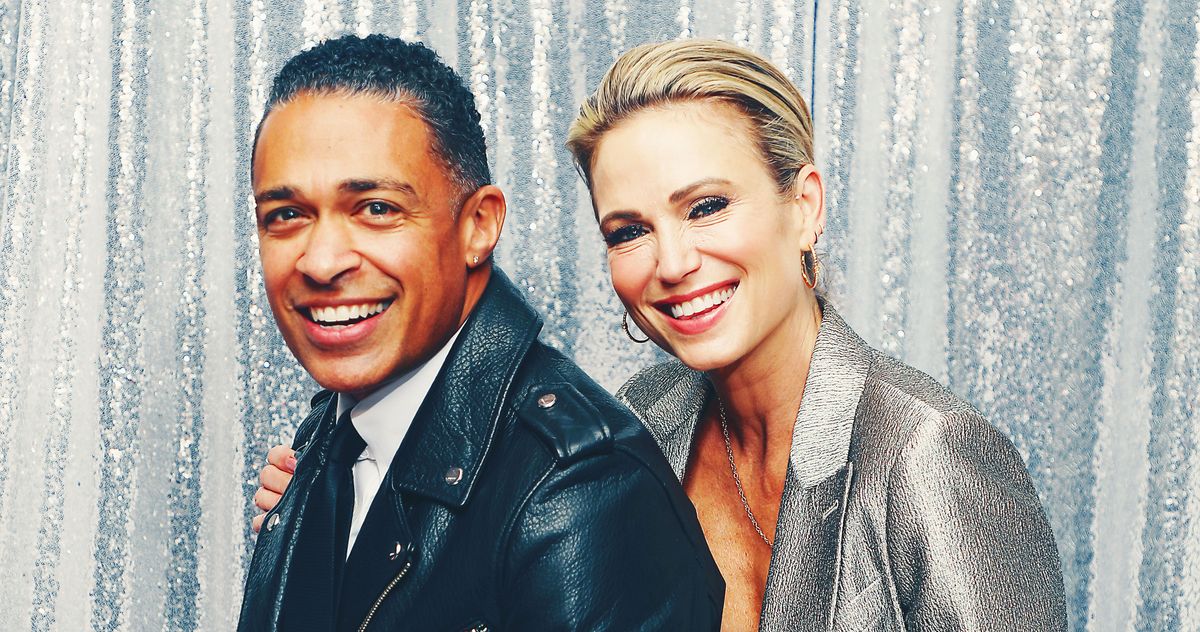
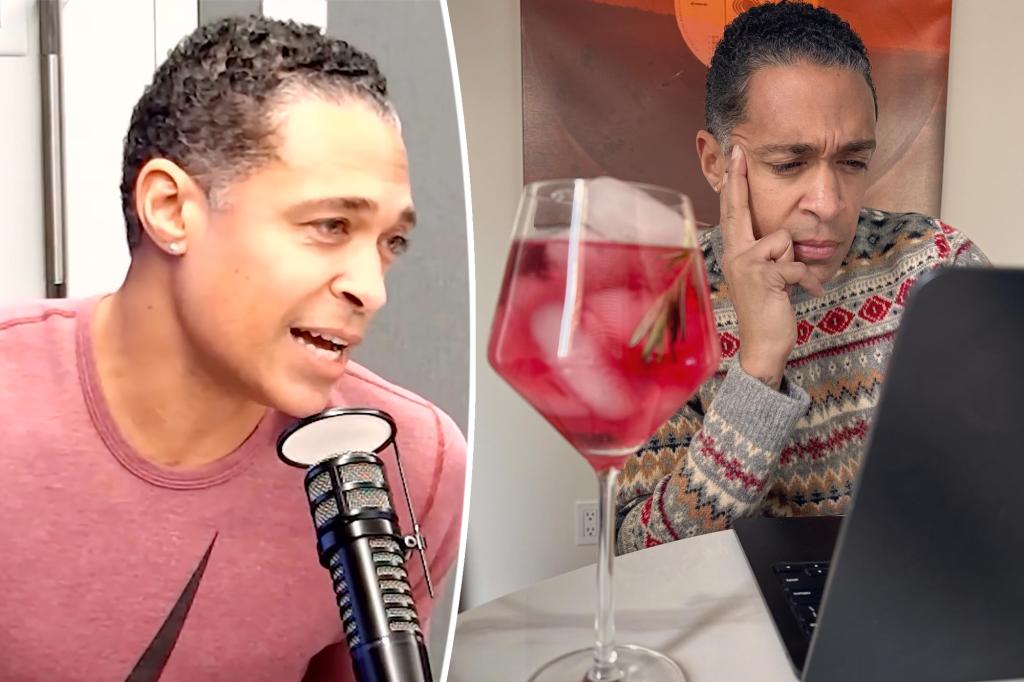
T.J. Holmes and Amy Robach, hosts of the podcast Amy & T.J., revealed their excessive drinking habits, with Holmes admitting he could consume 18 drinks a day and Robach acknowledging she drank over 30 drinks a week in 2023. They attributed their increased alcohol consumption to isolation and stress. After spending nearly $3,000 on booze in December, they decided to participate in Dry January and have reported feeling "amazing" since cutting out alcohol.
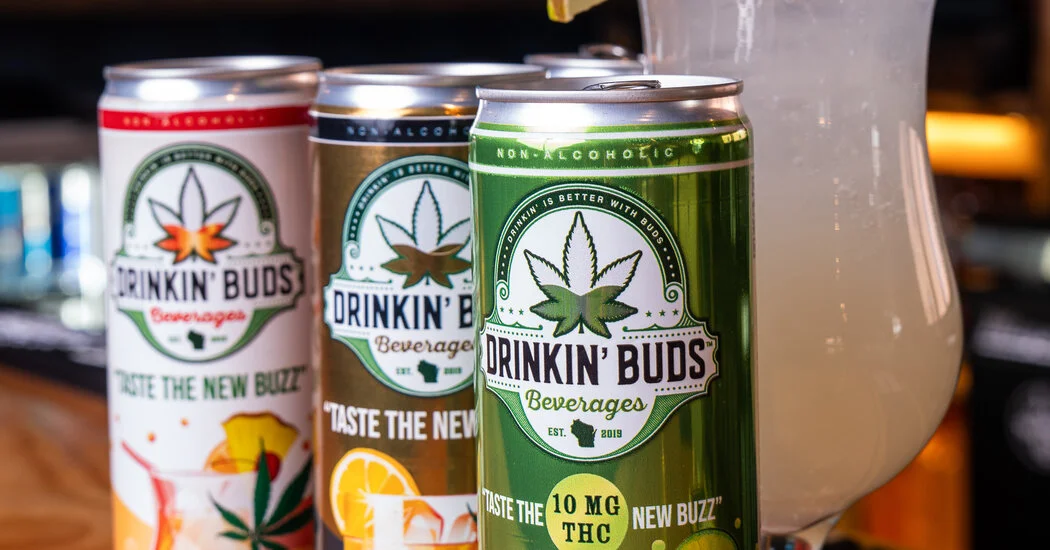
The market for non-alcoholic cocktails, or mocktails, is growing as more people participate in Dry January and seek alternatives to traditional alcoholic drinks. While some companies offer upscale non-alcoholic options, others opt for more affordable fizzy alternatives. Despite the high cost of some mocktails, industry experts emphasize that the point is not necessarily to replace alcoholic drinks entirely, but to provide inclusivity and options for those who don't drink. Overall, the demand for non-alcoholic beverages is on the rise, indicating a growing interest in alcohol-free alternatives.
T.J. Holmes and Amy Robach revealed that they were consuming excessive amounts of alcohol, with Holmes admitting to easily having 18 drinks a day and Robach estimating she was having over 30 drinks a week. They spent nearly $3,000 on alcohol in December 2023 alone and decided to do Dry January to reexamine their relationship with alcohol. The couple shared their drinking habits and expenses to encourage others to be honest about their own relationship with alcohol.
The author shares their experience of participating in Dry January for a year, reflecting on the impact it had on their life and well-being. They discuss the challenges and benefits of abstaining from alcohol, and provide insight into their journey towards sobriety. For more information on alcohol use disorder and treatment options, readers are directed to a piece by Rachel DuRose.
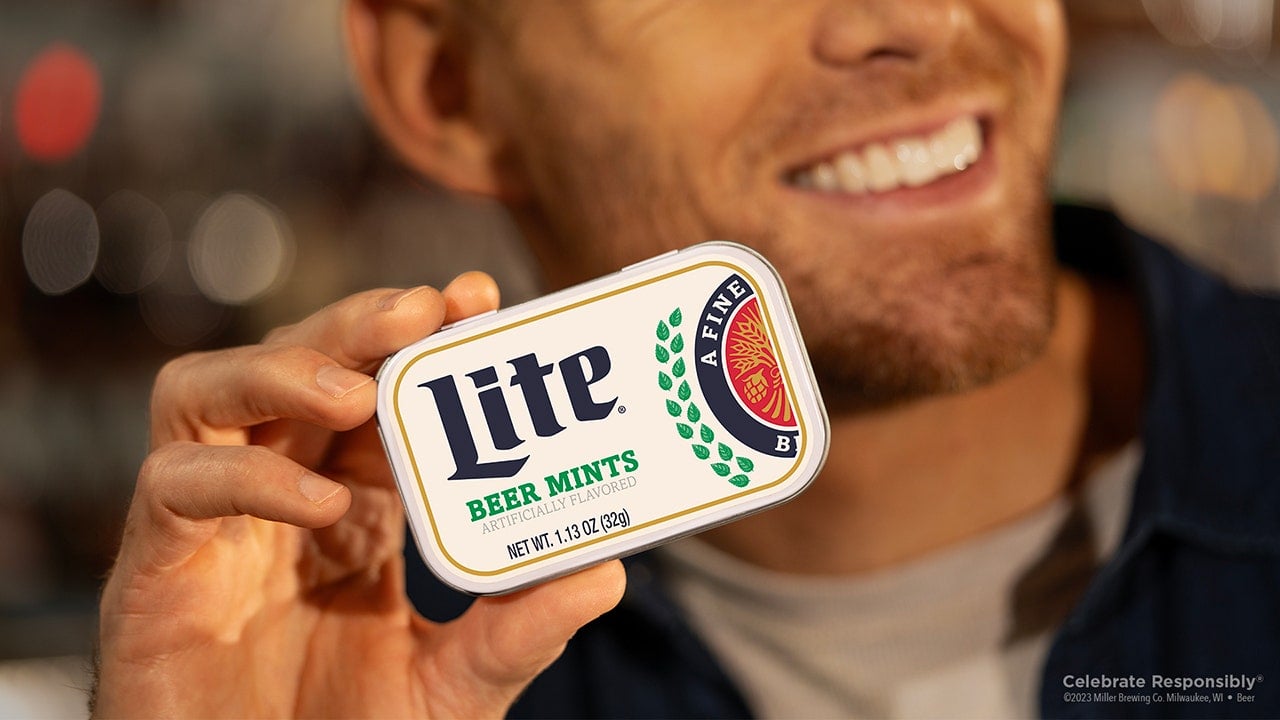
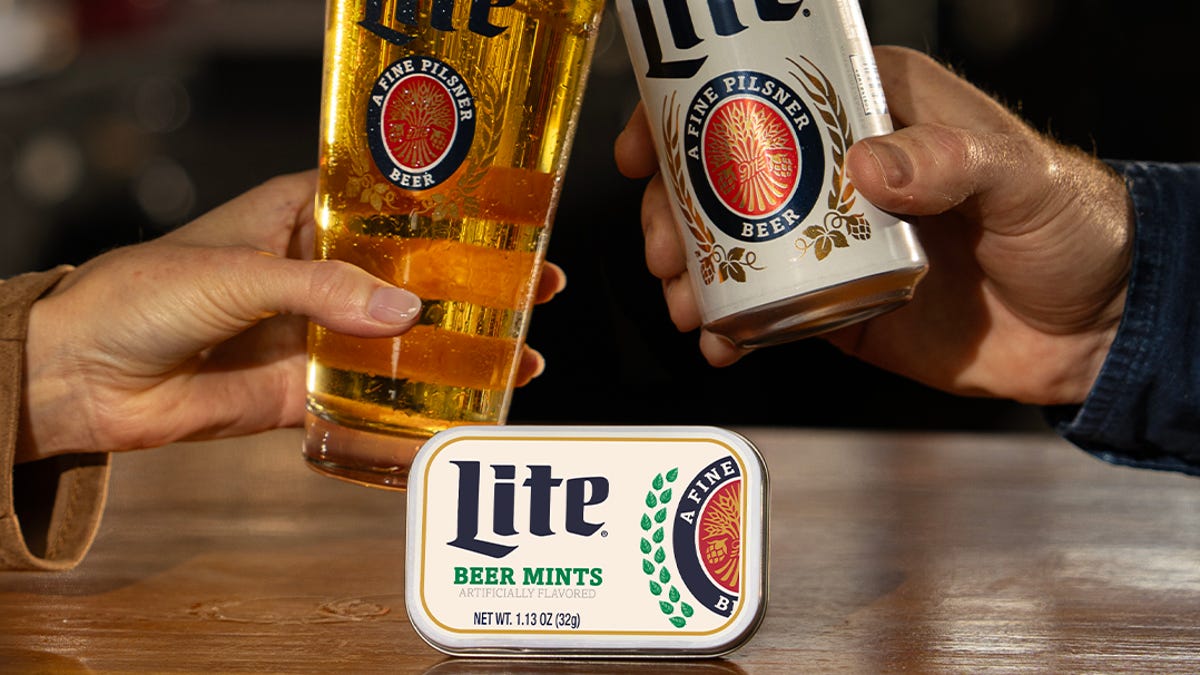
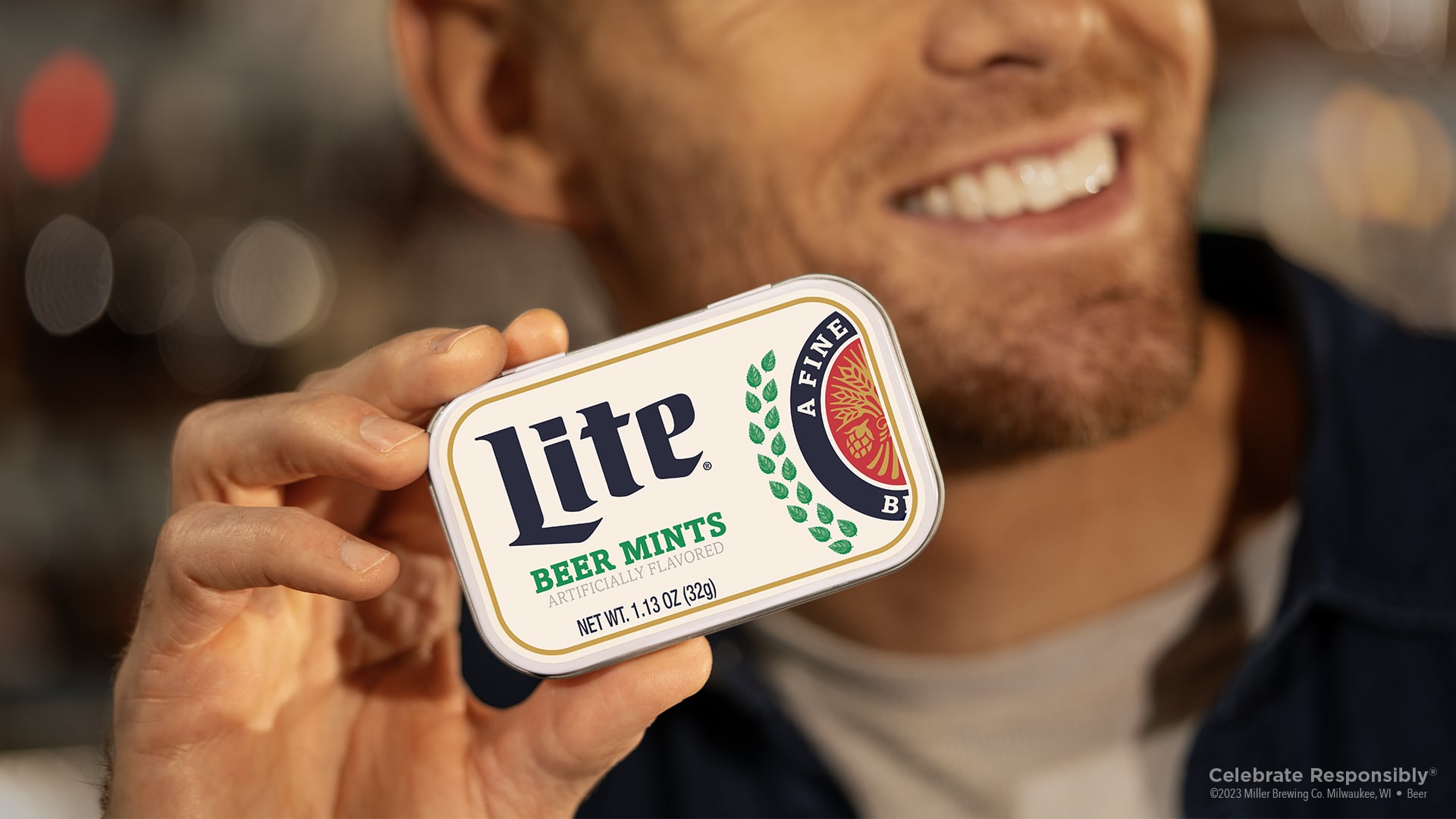
Miller Lite is embracing Dry January by launching beer-flavored breath mints called Beer Mints, priced at $5 per tin and available for purchase online in two tranches. The mints promise a fresh mint taste followed by a subtle Miller Lite flavor, targeting those participating in Dry January who may miss the taste of beer while socializing. Owned by Molson Coors, Miller Lite's parent company reported growth in net sales revenue for the third consecutive year, alongside other brands like Coors Light, Blue Moon, and Topo Chico Hard Seltzer.
Miller Lite has released non-alcoholic Beer Mints, priced at $5 for a tin of 40 mints, to cater to those participating in Dry January. Marketed as a way to enjoy the taste of beer without the alcohol, the mints offer a combination of mint freshness and the subtle taste of Miller Lite. The company aims to provide a solution for those missing the taste of beer while abstaining from alcohol, and the mints will be available for purchase online in limited quantities.
Miller Lite has introduced a new product called Miller Lite Beer Mints, priced at $5 per tin, to cater to those participating in Dry January. The mints promise a blend of mint and the taste of Miller Lite, but early reviews suggest that they don't quite deliver on that promise. Despite the lack of resemblance to beer or mint, the mints have a mildly sweet and inoffensive flavor, and are available for purchase in limited quantities.
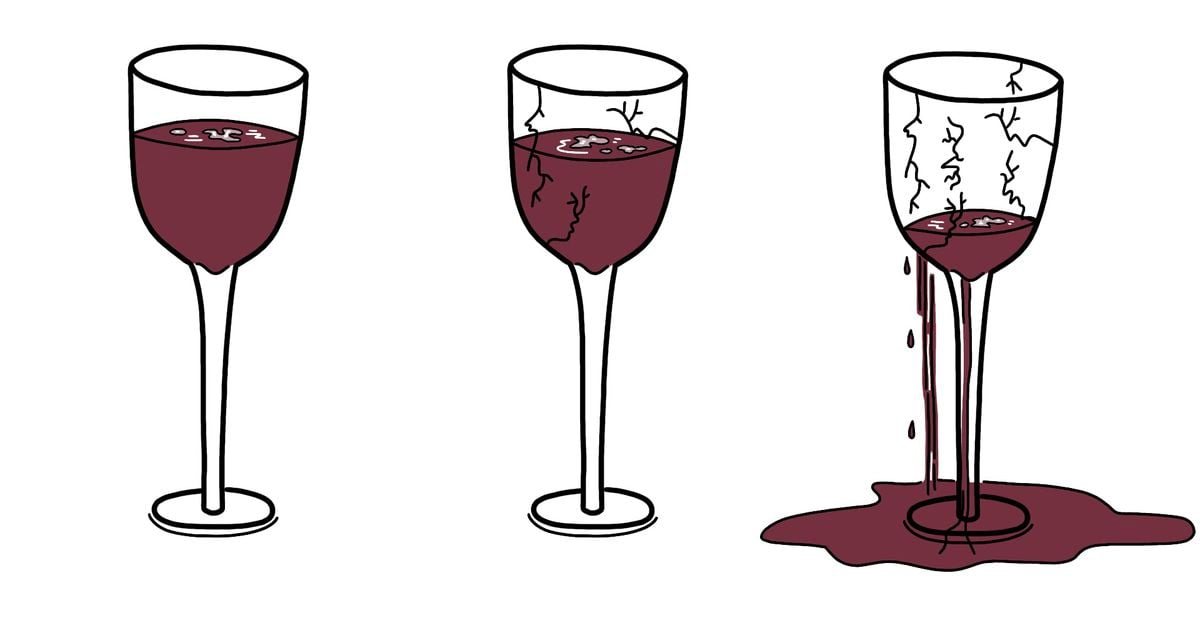
A study published in The New England Journal of Medicine by the International Agency for Research on Cancer (IARC) suggests that there is no safe amount of alcohol to drink to avoid the risk of oral and esophageal cancer. The research indicates that reducing or stopping alcohol intake can significantly lower the risk of these cancers, with a 34% reduction in oral cancer risk after 5-9 years of abstinence and a 65% reduction in esophageal cancer risk after 15+ years. The study highlights the carcinogenic effects of alcohol, including its metabolism to acetaldehyde and genotoxicity, which damages DNA. Health experts recommend that to prevent cancer, less alcohol consumption is better, and abstaining is best.
Dry January, where individuals abstain from alcohol for a month, can lead to various health improvements such as better sleep, hydration, skin appearance, sexual function, and reduced blood pressure. It may also prompt a decrease in liver enzymes, indicating liver recovery. While the long-term benefits depend on drinking habits post-January, studies suggest that participants often drink less even six months later, indicating that Dry January can help break drinking habits and encourage healthier choices in the long run.
Dry January, the trend of abstaining from alcohol in the first month of the year, is gaining popularity, especially among younger generations. Experts, including clinical psychologist Dr. Aimee Chiligiris, highlight the health benefits of taking a break from drinking, such as improved liver function, weight loss, better sleep, and enhanced mood. A University of Sussex study supports these claims, with participants reporting sustained lower alcohol consumption even months after participating in Dry January. Despite the challenge of maintaining sobriety, the trend is becoming more socially acceptable and is linked to long-term positive lifestyle changes.
Dr. Brooke Scheller, a doctor of nutrition, emphasizes the role of diet in managing alcohol consumption during Dry January. She suggests that what and when we eat can influence our drinking habits, with strategies like eating every three to four hours, having breakfast within an hour of waking up, and including protein and fiber-rich foods to stabilize blood sugar and reduce cravings. Scheller also recommends incorporating liver-supporting foods like beetroot and dandelions, balancing gut health with prebiotics and probiotics, and not isolating oneself socially to successfully abstain from alcohol. Her approach aims to help individuals reset their relationship with alcohol and improve overall well-being.