
The Science Behind Optical Illusions: Debunking Brain Tricks
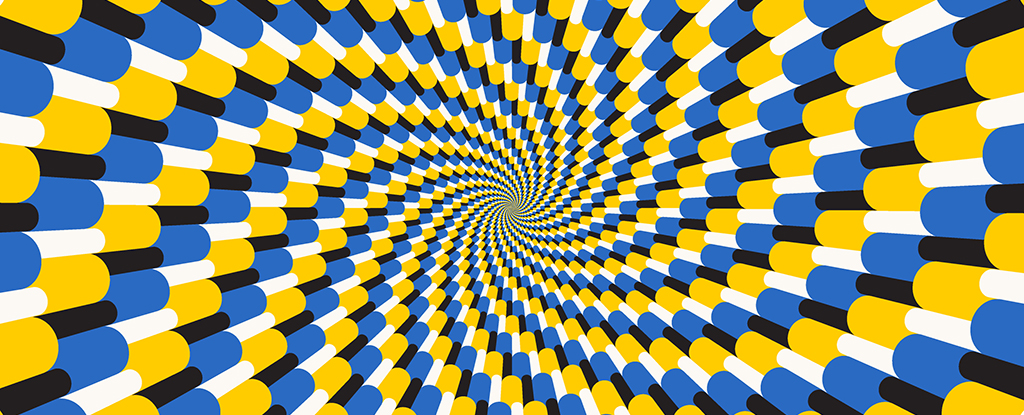
A new study by researchers from the University of Exeter and the University of Sussex suggests that certain optical illusions can be explained by limitations in our visual neurons rather than higher-level processing in the brain. The study found that our visual neurons have a finite bandwidth, which affects our perception of patterns on different scales. The researchers developed a computational model that shows how this limitation in processing and metabolic energy forces neurons to compress visual data, resulting in visual illusions. The findings challenge long-held assumptions about how visual illusions work and could help explain why we perceive contrasts in modern televisions with built-in HDR.
Reading Insights
0
7
3 min
vs 4 min read
83%
608 → 106 words
Want the full story? Read the original article
Read on ScienceAlert