The opioid overdose epidemic continues to impact Pennsylvania and Ohio, with Pennsylvania reporting 5,146 overdose deaths in 2022, 78% of which were opioid-related. Mercer and Lawrence counties were among the 19 counties where the overdose death rate exceeded the state average. In Ohio, overdose deaths appear to have fallen about 6% in 2023, with factors such as increased naloxone distribution and use, better access to treatment, and declines in drug use levels potentially contributing to the decline. Both states are implementing various measures to combat the crisis, including new training tools for healthcare providers and public safety professionals.

The Ohio Department of Health advises against looking directly at the sun during a solar eclipse to prevent "eclipse blindness" or retinal burns, which can cause permanent damage to the eyes. Proper eye protection, such as ISO standard solar eclipse glasses, welder's glass, or mylar filters, should be used at all times when viewing a solar eclipse, except during the very brief time the sun is in total eclipse, and even then, with caution. Seek treatment from an eye care professional if any changes in vision occur after viewing a solar eclipse.
The Ohio Department of Health warns of possible measles exposure at Cincinnati/Northern Kentucky International Airport's Terminal A on Jan. 27 and 29, urging travelers to watch for symptoms and seek medical advice if necessary.
The Ohio Department of Health has issued a warning about a potential measles exposure at Cincinnati/Northern Kentucky International Airport (CVG) during specific times on January 27 and 29. Officials are working to identify individuals who may have been exposed, including passengers on specific flights. Measles symptoms typically appear in two stages and the virus is highly contagious. The warning comes after a child in Montgomery County became Ohio's first measles case in 2023, emphasizing the importance of vaccination to prevent the spread of the illness.
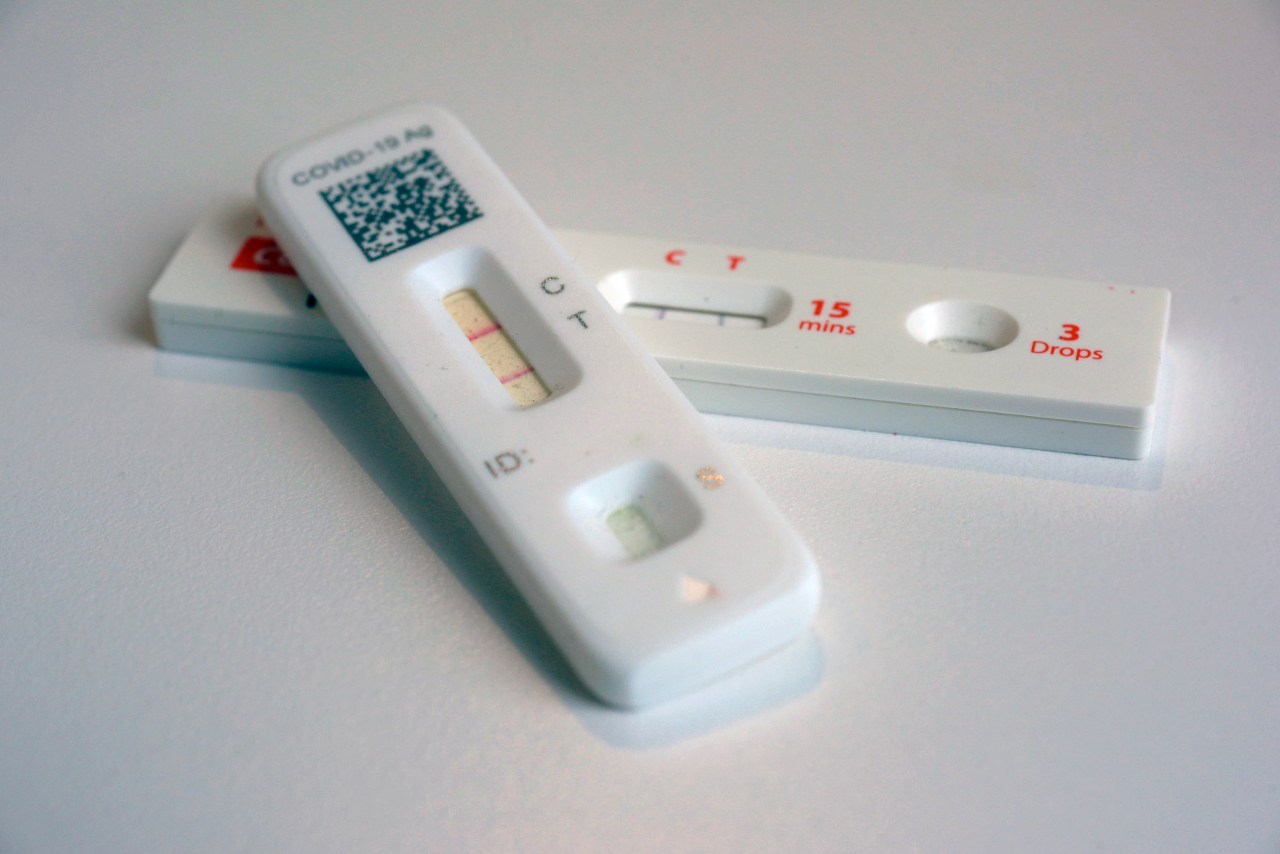
COVID-19 cases in Ohio have been increasing for five consecutive weeks, with reported cases rising from 7,511 to 8,557 this week. In Cuyahoga County, cases increased by 9% to 482. However, local hospitalizations remain low. Health officials urge people to get vaccinated, as partial protection is better than none. The CDC advises wearing masks, getting tested, and self-quarantining if exposed to COVID-19. Symptoms to watch for include fever, cough, and shortness of breath.
A bat found near Mechanicsburg in Champaign County, Ohio, has tested positive for rabies, according to the Ohio Department of Health. The last confirmed case of rabies in the county was also found in a wild bat in 2020. Rabies is primarily transmitted through animal bites, and it is important to maintain up-to-date rabies vaccinations for pets, keep them indoors or supervised when outdoors, and report any bite incidents to the local health department. The rabies vaccine is highly effective in preventing the virus, and animals that are vaccinated rarely develop it.
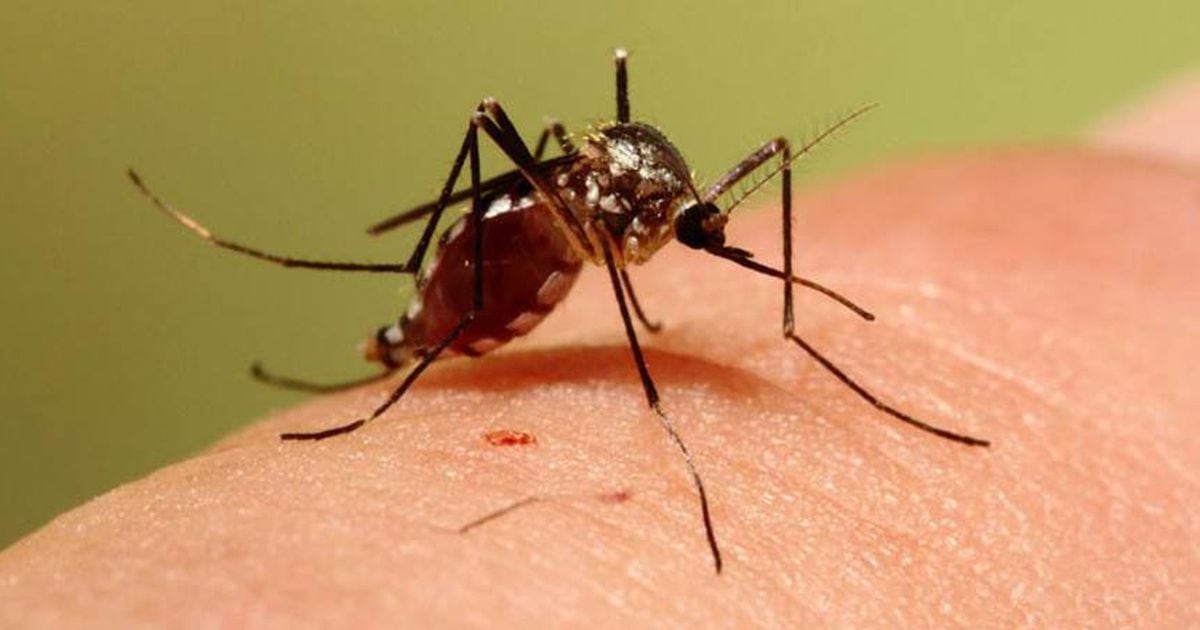
Mosquitoes in Beavercreek and Bellbrook, Ohio, have tested positive for the West Nile virus, according to Greene County Public Health officials. The mosquito samples were collected in specific areas, and the health department plans to treat those locations with insecticide. The last human case of West Nile virus in Greene County was in 2017, and most people infected with the virus do not show symptoms. Public health officials advise eliminating standing water, avoiding shaded areas, limiting outdoor activity during evening hours, wearing protective clothing, and using insect repellents to prevent mosquito bites.