ACA marketplace enrollment cools as sign-ups slow
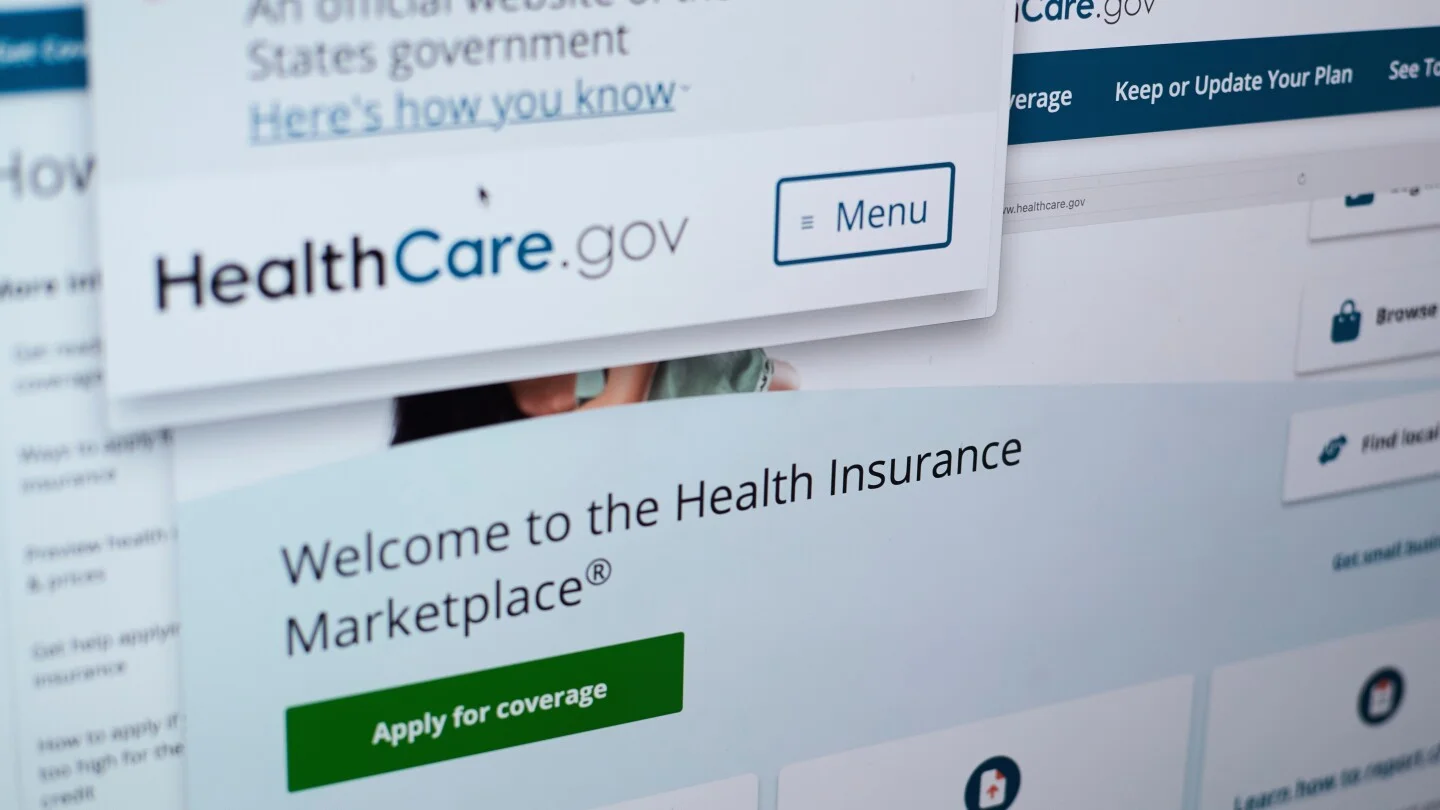
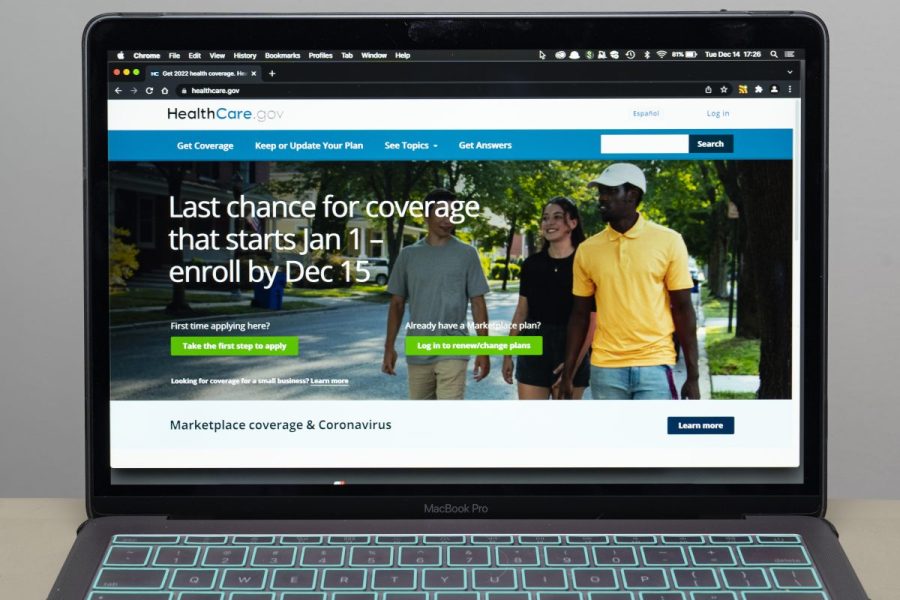
Enrollment in Affordable Care Act health plans through healthcare.gov has declined, with fewer Americans signing up during the latest open enrollment period.
All articles tagged with #open enrollment

Enrollment in Affordable Care Act health plans through healthcare.gov has declined, with fewer Americans signing up during the latest open enrollment period.

NPR is seeking stories from individuals shopping for ACA health plans during open enrollment, amid uncertainty over the renewal of subsidies that have helped many afford coverage, with potential significant premium increases if subsidies expire in 2026.

UnitedHealth Group is profiting from the open enrollment period amid political deadlock over extending premium tax credits, highlighting how insurers benefit regardless of policy outcomes while consumers face rising costs.

Iowans are advised to review their Medicare plans ahead of 2026 changes, as new contract negotiations may alter coverage, premiums, and provider networks. The open enrollment period is from October 15 to December 7, and understanding the different Medicare options is crucial to avoid regret and maximize savings, with potential benefits including up to $5.1 billion in savings in 2026.

The 2026 ACA open enrollment begins with the largest cost increases since the law's inception, driven by rising premiums and the expiration of enhanced subsidies, leading many Americans to face higher costs or consider going uninsured. Enrollment runs from Nov. 1 to Jan. 15, with some state variations, and changes in subsidy eligibility may result in fewer people qualifying for financial assistance, potentially increasing the uninsured rate.

The upcoming ACA open enrollment starting Nov. 1 faces uncertainty due to potential expiration of enhanced premium tax credits, which could significantly increase premiums for many enrollees. Consumers should stay informed about legislative developments, update their account information, and carefully compare plan costs, especially if subsidies are not extended. Planning and flexibility are key, as lawmakers may still act to influence premiums and subsidies before the enrollment deadline.

States are preparing for significant changes in health insurance costs and plans due to the potential expiration of federal subsidies for ACA plans, with Congress's gridlock creating uncertainty during the upcoming open enrollment season.

Medicare's open enrollment begins October 15, emphasizing the importance of understanding coverage options, reviewing plans annually, and seeking trusted advice to avoid costly mistakes, especially with complex choices like Medigap and Medicare Advantage plans.

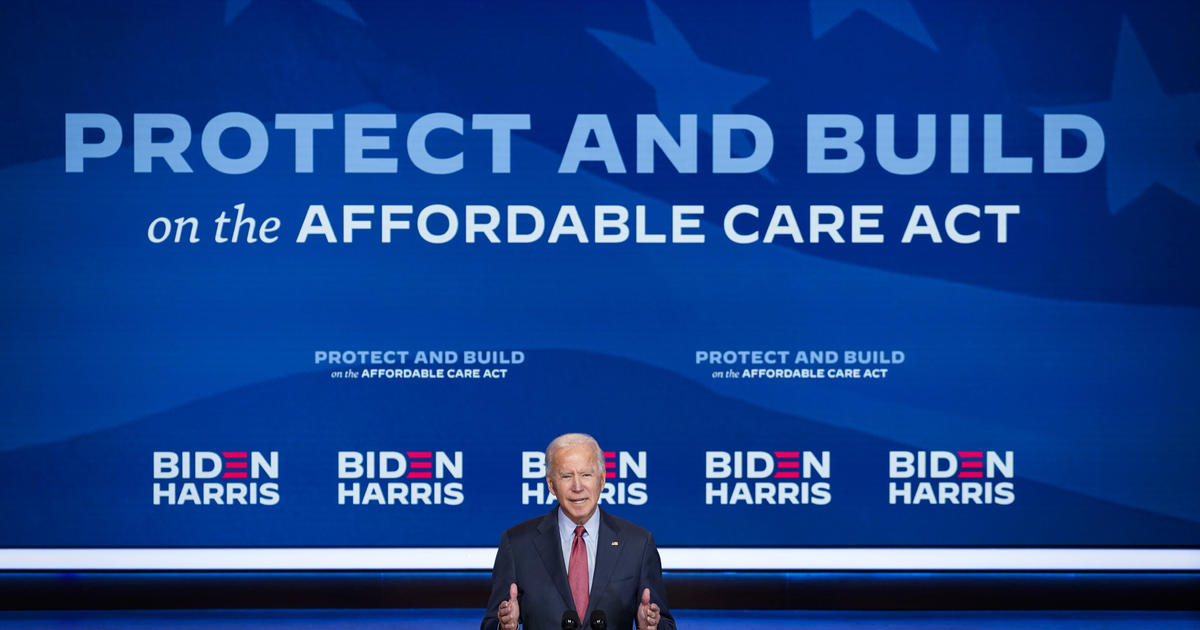
A record-breaking 20 million Americans have signed up for affordable health insurance for 2024 under the Affordable Care Act, marking the third consecutive year of increased enrollment. President Biden emphasized the affordability of the plans, with most enrollees eligible to select a plan costing just $10 a month or less. He criticized Republicans for blocking efforts to make lower healthcare premiums permanent, warning that their healthcare plan would raise costs for millions. The open enrollment period ends on January 16th.

To make the most of your workplace health plan in 2024, experts recommend learning about all the costs associated with your plan, including deductibles, co-insurance, co-pays, and out-of-pocket maximums. It's important to check for any changes in coverage from the previous year and take advantage of expanded benefits such as menopause support, pet insurance, and alternative services like acupuncture and massage therapy. Planning your medical needs for the year, scheduling expensive treatments after meeting your deductible, and taking advantage of preventive services can help you maximize your health plan benefits.

President Joe Biden and former President Barack Obama have released a video vowing to protect and expand Obamacare, in response to former President Donald Trump's threat to repeal the health care law if he wins a second term. The video, released as part of the White House's effort to promote open enrollment in the Affordable Care Act exchanges, emphasizes the importance of Obamacare and the need to fight for its protection and expansion. The collaboration between Biden and Obama comes as the White House and Biden campaign aim to bring the healthcare debate to the forefront of the 2024 election.

Health savings accounts (HSAs) are a powerful yet underutilized financial tool that individuals can take advantage of during open enrollment. HSAs, available to those enrolled in high-deductible health plans, offer a triple tax advantage: contributions are tax-deductible, growth is tax-free, and withdrawals for qualified medical expenses are also tax-free. By investing HSA funds, individuals can maximize the account's potential as a retirement savings vehicle. Financial advisors recommend contributing as much as possible and keeping enough cash on hand to cover deductibles while investing the rest. HSAs provide flexibility, allowing individuals to reimburse themselves for medical expenses at any time without tax or penalties. However, it's important to consider personal circumstances and health-care needs before opting for an HSA.

Open enrollment for Affordable Care Act (ACA) insurance plans is underway, with a sign-up period that extends until January 15. Last year's enrollment reached a record high of 15.7 million, and this year's enrollment is expected to exceed that. Factors driving up enrollment include the ongoing disenrollment of beneficiaries from Medicaid, new sign-up mechanisms, and increased engagement from insurers. This year, applicants will have more time to submit income verification documents, and those already enrolled will be automatically reenrolled with some changes to ensure they are eligible for cost-sharing reduction plans. More insurance providers are entering the market, offering a wider range of options, but the abundance of choices may be overwhelming for some. The ACA's Navigator program is available to assist consumers in navigating the enrollment process.

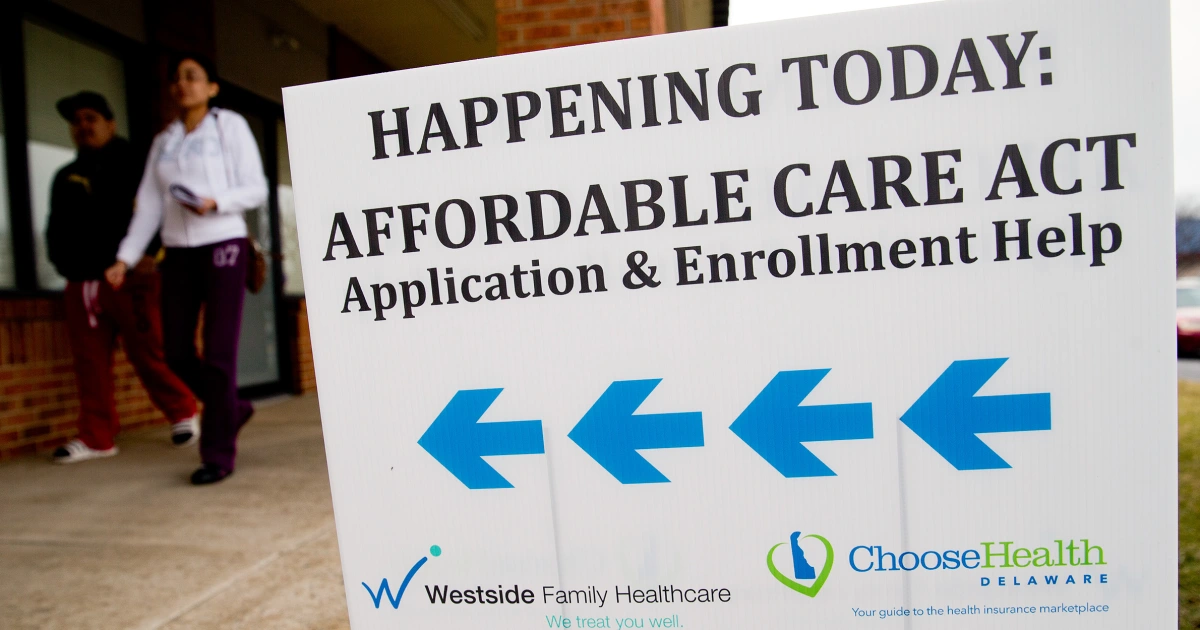
Open enrollment for health coverage on the Affordable Care Act health insurance marketplaces has begun, with enrollment typically lasting through January 15th, but extended to January 16th in 2024. Enrollment has been setting records in recent years due to increased premium tax credits. People who have lost Medicaid or Children's Health Insurance Program coverage may need to move to marketplace coverage and have a special enrollment period until the end of July. It is recommended to enroll by December 15th to ensure coverage by January 1st. Free help is available to understand options and find the best plan. It is important to review coverage choices and consider new plans, as well as check eligibility for premium subsidies and cost-sharing reductions.

Health insurance open enrollment has begun in Montana, providing an opportunity for uninsured individuals to obtain coverage and make plan changes at Healthcare.gov. This comes as over 93,000 Montanans have lost their Medicaid coverage this year. The restart of Medicaid caseload reviews after a three-year pause during the pandemic may result in a significant increase in new applicants. Around 87% of the 50,000 Montanans covered on Healthcare.gov receive tax credits for their monthly premiums. Open enrollment will continue until January 15, but individuals must enroll by December 15 to be covered at the start of next year. Resources and a coverage calculator are available on Cover Montana's website to assist with enrollment.