Democrats have made significant strides in the online media landscape post-2024, including increased podcast engagement, the emergence of a progressive media ecosystem, and strategic use of social media campaigns, but still lag behind the well-established conservative media infrastructure. Continued investment and innovative messaging are essential for Democrats to effectively compete in the digital space.

A study finds that political misinformation and disinformation, fueled by online media and conspiracy theories, have led to divorces and breakups among US couples by disrupting shared realities and causing ideological divides, even in long-term relationships.
The recent lay-offs at Pitchfork, a leading music publication, and its integration into the GQ organization under Condé Nast, reflect a trend in online media where independent voices are being absorbed by larger entities, leading to the loss of unique cultural identities and editorial independence. This shift has implications for music journalism and the diversity of voices in the industry, highlighting the challenges faced by niche publications in the current media landscape.
Influencers, often misunderstood as self-centered individuals spreading garbage information, can actually be creative mini media moguls who inform and entertain. They shape our culture, economics, and politics, and their influence affects our lives more than we realize. Successful influencers excel at cultivating connections and creating a sense of camaraderie and belonging. Becoming an influencer requires finding a niche, sustaining passion, and being prepared for the challenges of running a solo business. While there may be scorn towards influencers for making us spend more time online, the internet can be a positive connector when used intentionally.
The impact of AI on the internet is causing rapid changes, including the junkification of Amazon, enshittification of TikTok, and flooding of Etsy with AI-generated junk. Chatbots are citing each other in a misinformation ouroboros, while LinkedIn, Snapchat, and Instagram are using AI to stimulate users. The old web is dying, and the new web struggles to be born, with AI being the new catalyst at play.
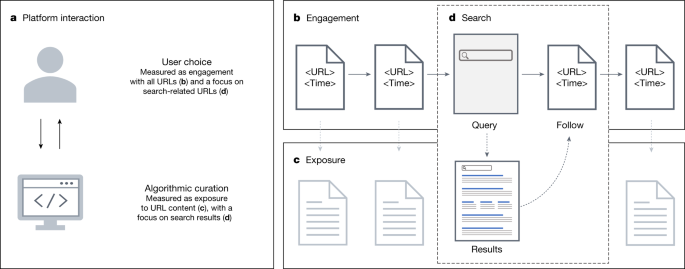
A recent study has found that users choose to engage with more partisan news than they are exposed to on Google Search. The study suggests that users' selective exposure to news is driven by their political preferences and that Google's algorithmic personalization has a limited impact on users' news consumption. The findings highlight the need for greater transparency and accountability in online media platforms to address the issue of political bias and selective exposure.
Austria's Wiener Zeitung, one of the world's oldest newspapers still in print, will primarily move online from July 1, while maintaining a minimum of ten print publications per year, depending on the funds available. The newspaper's role as official gazette, its main source of revenue, will move to a separate state-owned online platform. The Wiener Zeitung will establish a media hub, a content agency, and a training centre for journalists. Almost half of the newspaper's over 200 employees, including 40 journalists, could be laid off, according to its trade union.