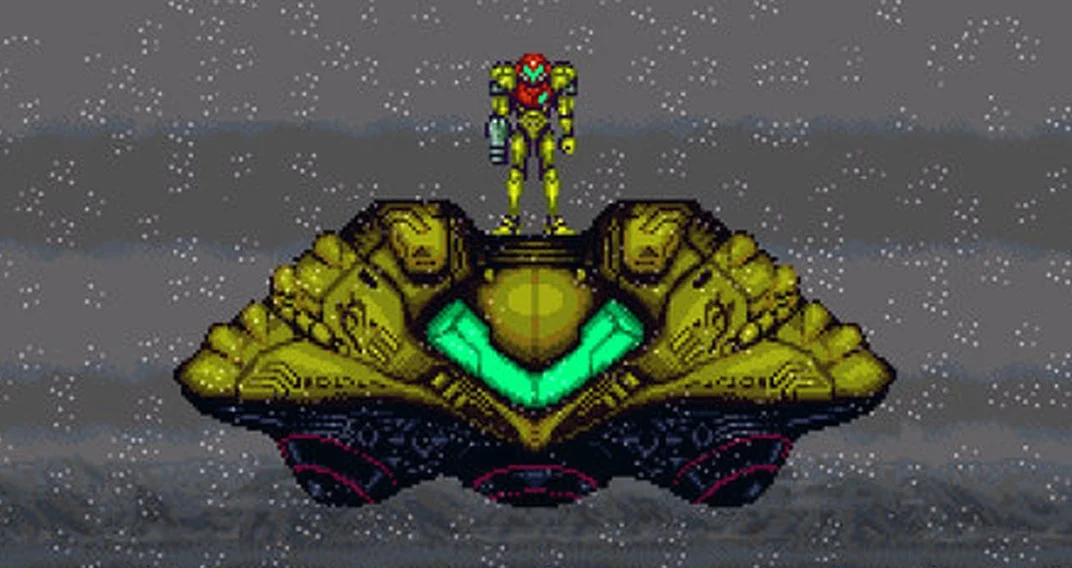
Mothership is a new independent website launched by former Polygon staff, focusing on gender and identity in gaming, as a response to the collapse of mainstream gaming media and the sale of Polygon. It aims to provide quality journalism without ads, emphasizing underrepresented perspectives and a critical, identity-first approach to gaming culture.
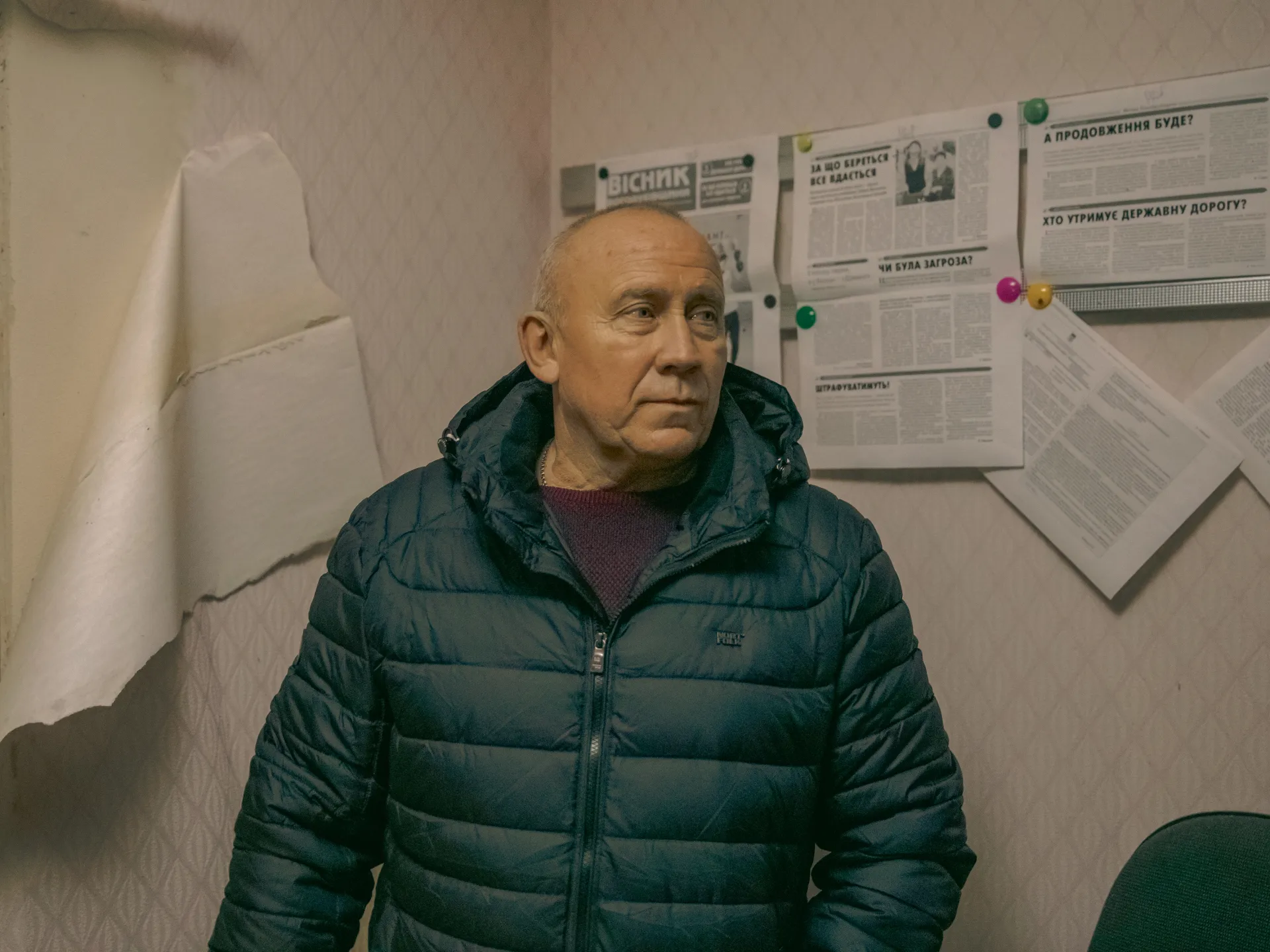
Vassyl, a Ukrainian journalist, continues to fight Russian disinformation and document war crimes through his local newspaper, despite repeated attacks on his newsroom and personal risks, emphasizing the importance of independent journalism in conflict zones.
Aftermath celebrates its second anniversary with a major website overhaul featuring a streamlined design, new payment options, simplified login, and expanded subscriber perks, while emphasizing its commitment to independent media and community engagement, and offering a special subscription discount to attract new readers.
Former Polygon editor Chris Plante launched Post Games, a weekly NPR-style podcast targeting older gamers, to explore gaming culture and topics like death, addressing a largely underserved demographic over 35. The show features interviews, news, and a focus on thoughtful discussion, supported by Patreon, aiming to sustain independent gaming media and better serve an expanding audience.
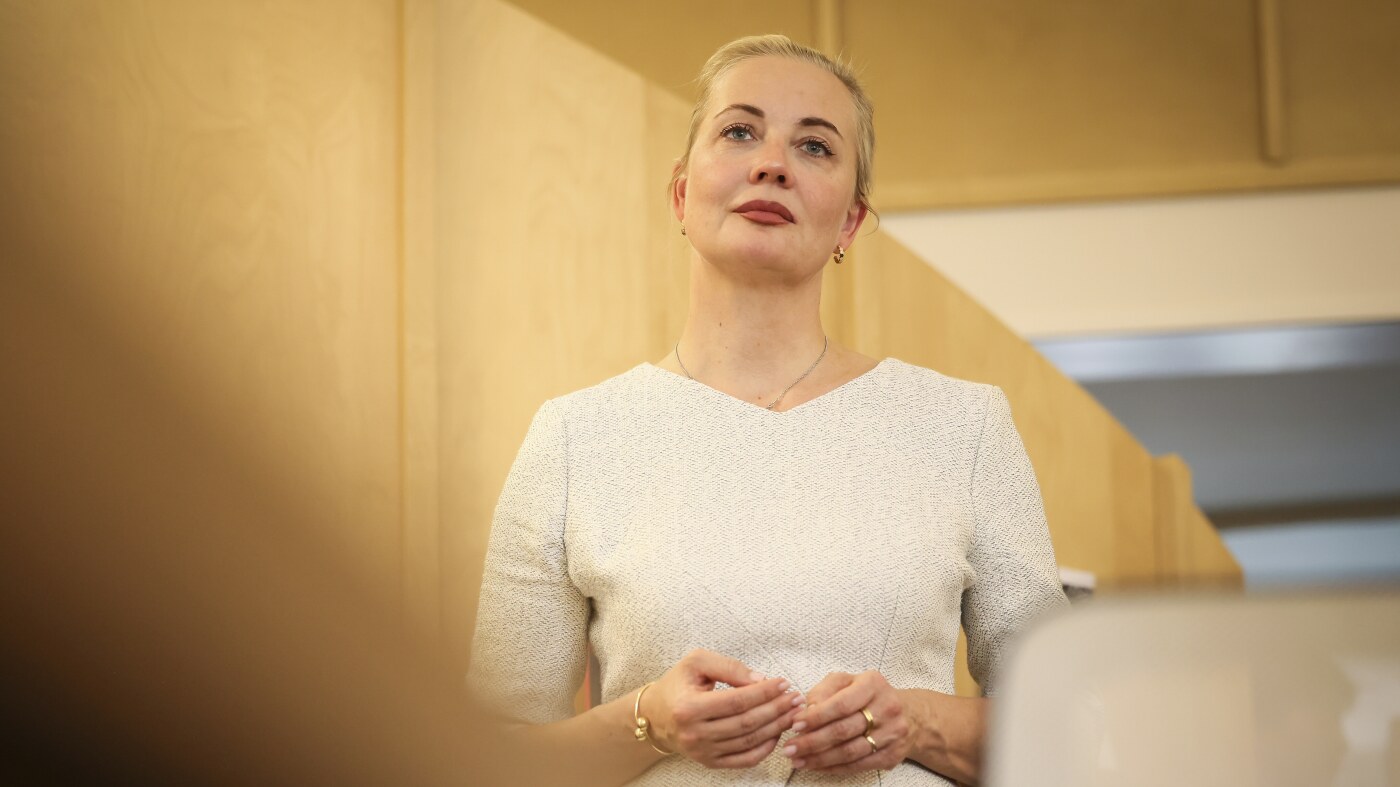
A new satellite TV channel called Russia's Future, launched by Navalny's Anti-Corruption Foundation and Reporters Without Borders, aims to provide Russians with access to banned political content and independent journalism, especially amid increased censorship and propaganda in Russia, helping to keep Navalny's legacy alive.
404 Media, a journalist-owned tech publication, has become profitable within six months of its launch by implementing a paywall after discovering their stories were being scraped and republished by AI text "spinners." The publication, founded by former Motherboard staff, focuses on transparent and relatable reporting on the impacts of technology. Revenue streams include advertising, podcast ads, donations, merchandise, and paid subscriptions, with plans to expand into events, podcasts, and documentaries. The team operates from home, communicates through a free Slack channel, and aims to grow its audience authentically while maintaining a mix of in-depth investigations and shorter blog posts.
The recent lay-offs at Pitchfork, a leading music publication, and its integration into the GQ organization under Condé Nast, reflect a trend in online media where independent voices are being absorbed by larger entities, leading to the loss of unique cultural identities and editorial independence. This shift has implications for music journalism and the diversity of voices in the industry, highlighting the challenges faced by niche publications in the current media landscape.
Former Kotaku writers have launched a new independent video game and culture website called Aftermath. The worker-owned media company aims to deliver breaking news, criticism, analysis, and editorial content. Aftermath will operate on a subscription-based model, offering access to articles and bonus podcast episodes. The founders hope to create a stable and empowering environment for both writers and readers, free from the ad-driven model and corporate ownership prevalent in the industry. They also plan to expand their team in the future.
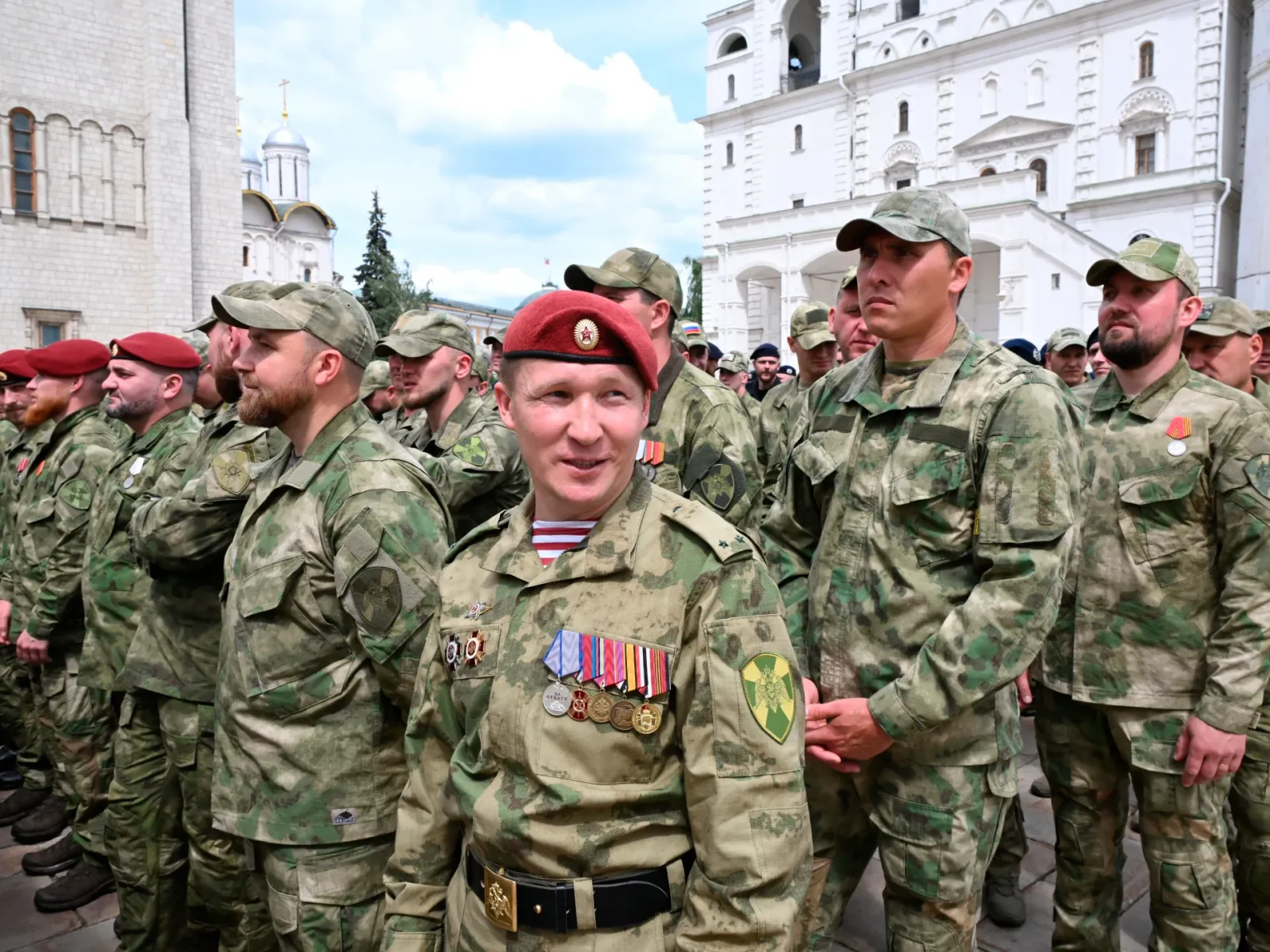
Independent analysis using excess mortality data suggests that nearly 50,000 Russian men have died in the war in Ukraine, a significantly higher number than the approximately 6,000 deaths publicly acknowledged by Russia. Two independent Russian media outlets, Mediazona and Meduza, along with a data scientist from Germany's Tübingen University, used statistical analysis and inheritance records to estimate the excess deaths of men below the age of 50 between February 2022 and May 2023. The findings align with previous assessments by the US and UK intelligence agencies, highlighting the human cost of Russia's invasion of Ukraine.
An independent statistical analysis conducted by Russian media outlets Mediazona and Meduza, along with a data scientist from Germany's Tübingen University, estimates that nearly 50,000 Russian men have died in the war in Ukraine. Using the concept of excess mortality, the analysis relied on inheritance records and official mortality data to estimate the number of additional deaths of men under 50 between February 2022 and May 2023. The analysis reveals a significant discrepancy between the publicly acknowledged death toll of over 6,000 Russian soldiers and the actual number of war deaths. The investigation highlights the challenges faced by those documenting the dead, who often face harassment and potential criminal charges.