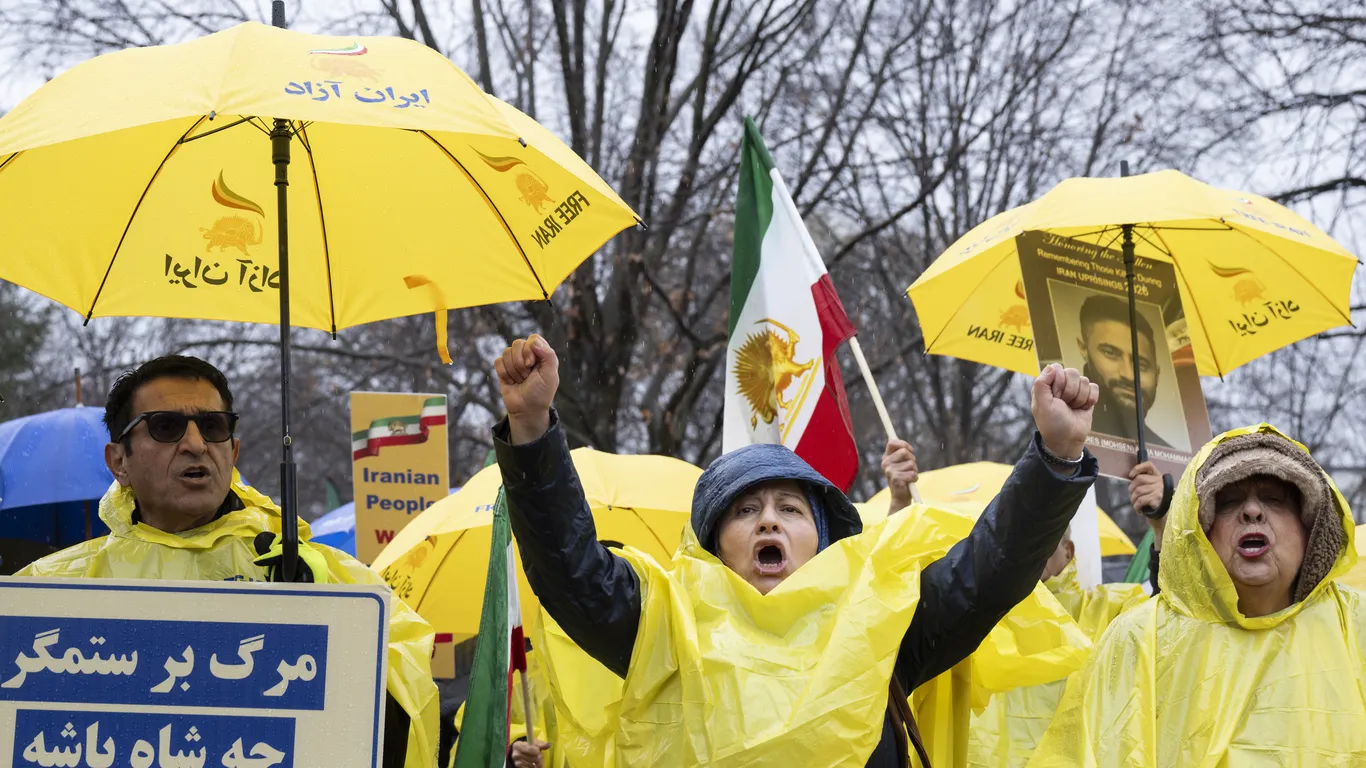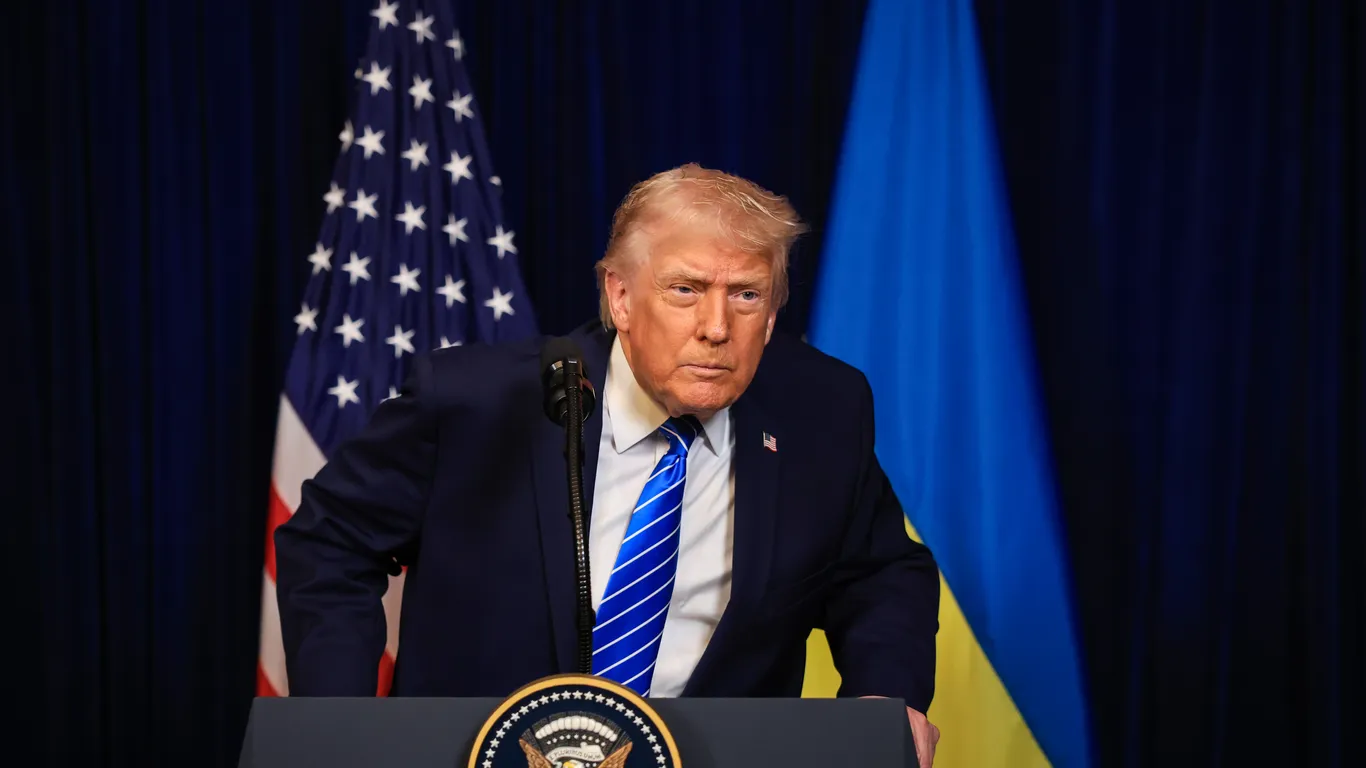
President Trump expressed readiness to support Iranian protesters and hinted at possible U.S. military intervention if the Iranian regime uses violence against demonstrators, amid ongoing protests across Iran and increased tensions with the regime.
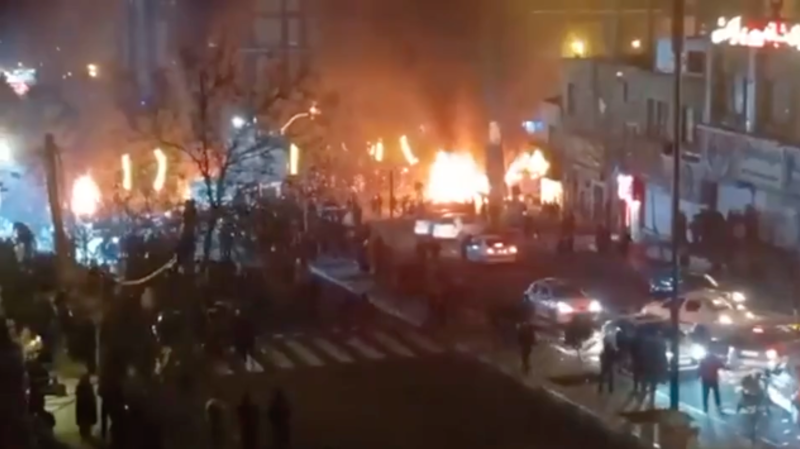
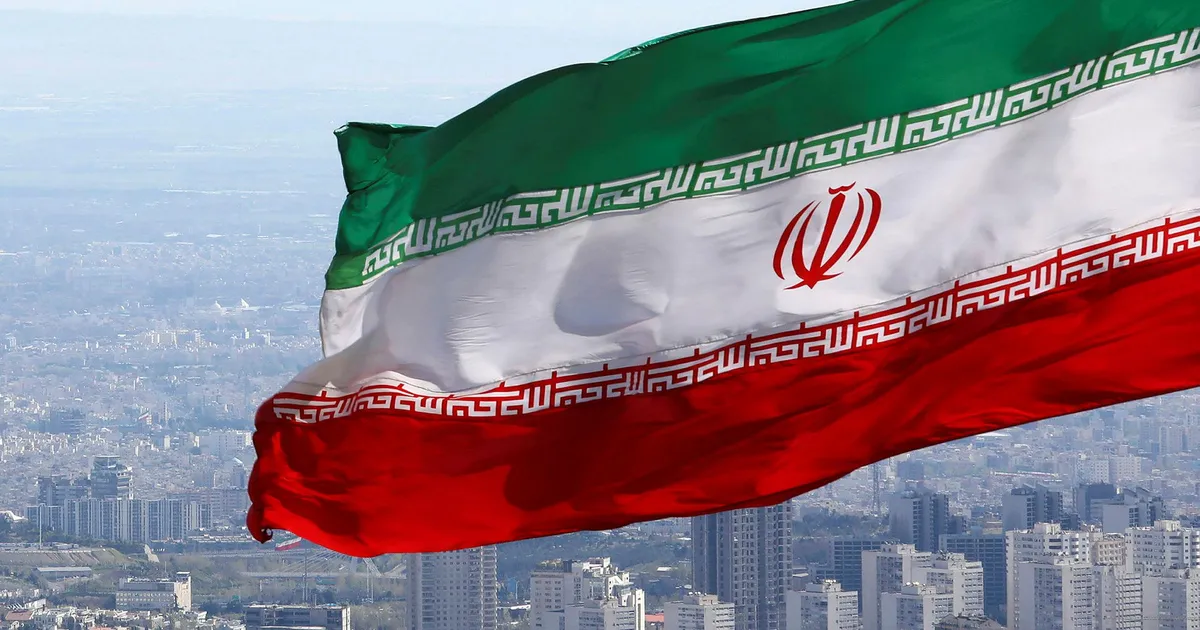
Anti-government protests in Iran have escalated, with authorities shutting down internet and communication lines, leading to at least 45 deaths among protesters. The unrest, driven by economic hardship and political repression, marks the largest challenge to the regime in years, with international condemnation and fears of a violent crackdown.
Protests in Iran over economic hardship and violence against demonstrators have escalated, prompting Trump to threaten military intervention if Iran kills protesters, raising concerns of regional instability.
The Iranian regime is weakening due to domestic unrest and economic crises, but opposition groups are fragmented and lack a clear successor, with some analysts suggesting the military might lead a nationalist, non-Islamic change rather than the current clerical regime.
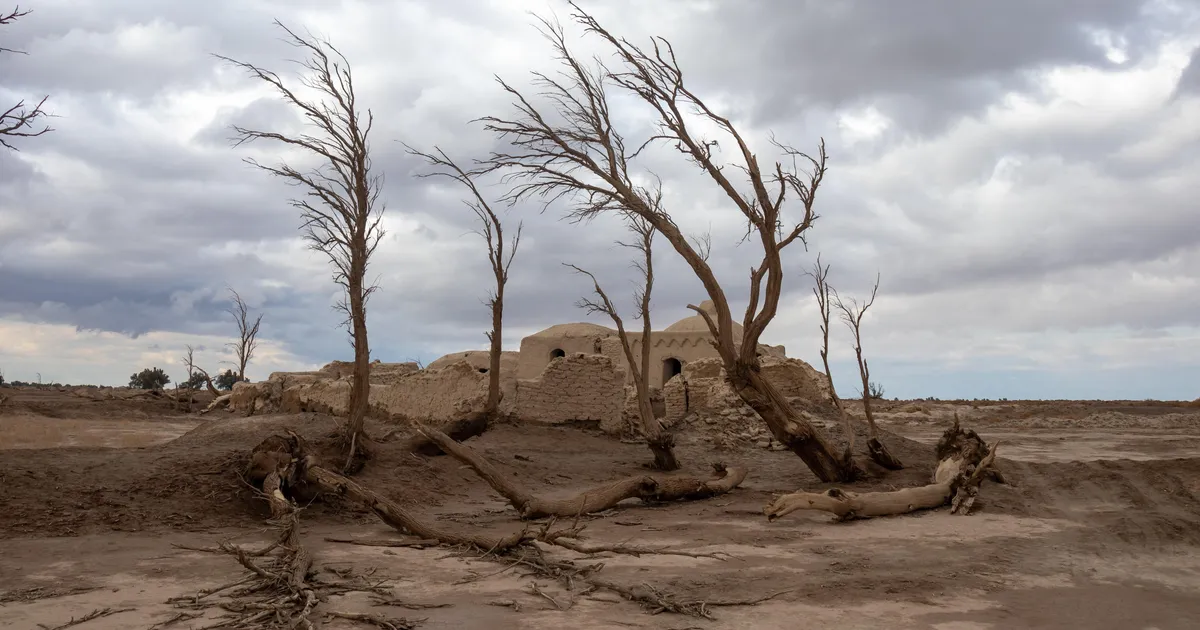
The article discusses how climate change, driven by manmade fossil fuel consumption and imperialist capitalism, could destabilize regimes in Iran and the broader Middle East, potentially leading to regime change, while also highlighting regional tensions and environmental issues.
The U.S. Department of the Treasury has imposed its largest Iran-related sanctions since 2018, targeting a vast shipping network controlled by Mohammad Hossein Shamkhani that facilitates billions in oil and petroleum exports from Iran and Russia, using sophisticated methods to evade detection and sanctions, and involving numerous front companies and vessels across multiple jurisdictions.
Experts highlight the lack of a unified opposition in Iran to replace the current regime if it falls, and express skepticism about Reza Pahlavi emerging as a leader, amidst ongoing regional tensions and debates about regime change in Iran and Israel.
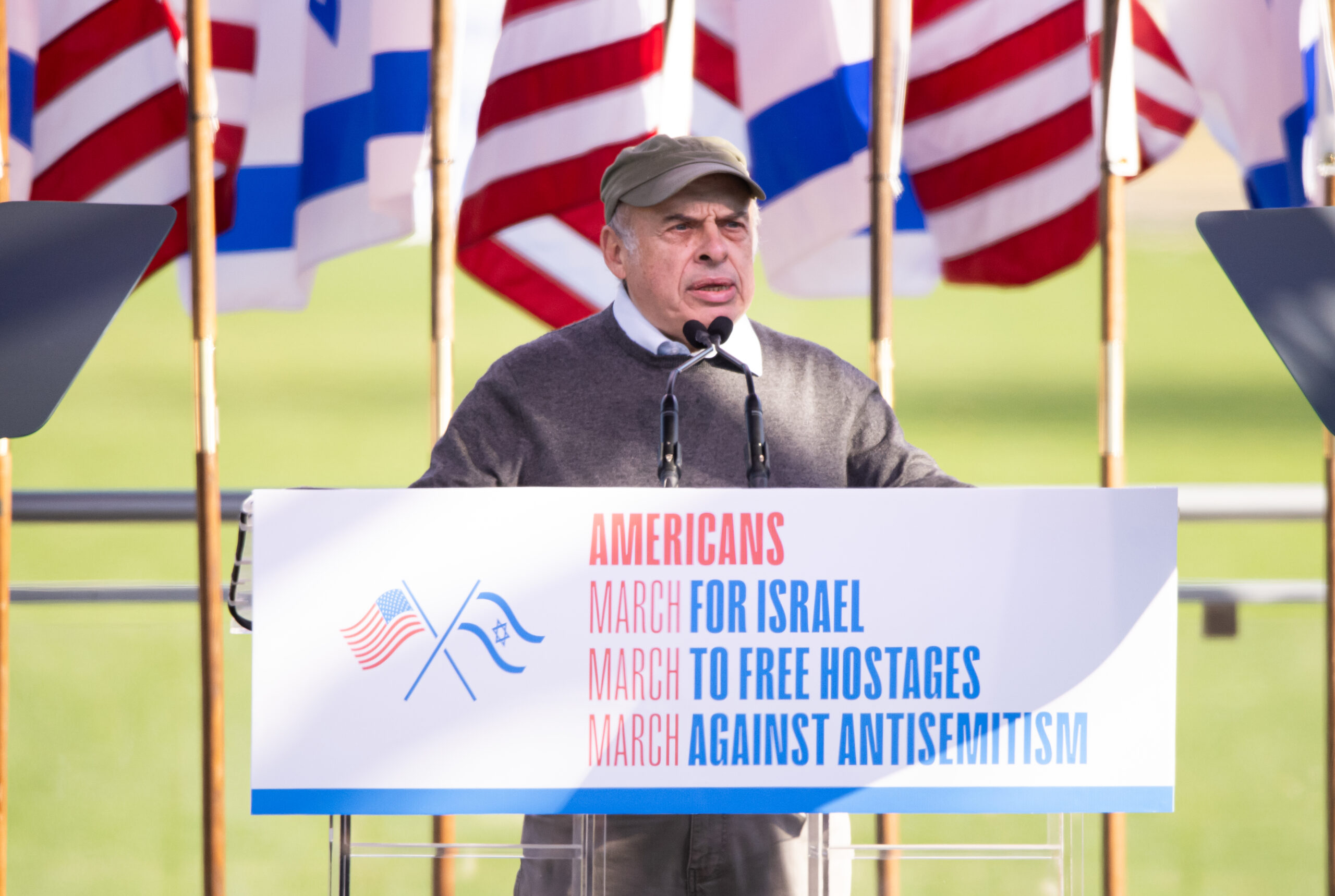
Natan Sharansky believes recent Israeli strikes on Iran have weakened the regime's control and exposed it as a 'paper tiger,' increasing the likelihood of internal protests and potential regime change if the Iranian people overcome their fear and unite. He emphasizes the importance of international support and the role of dissidents in Iran's possible revolution, while noting the regime's efforts to maintain control through fear and propaganda.
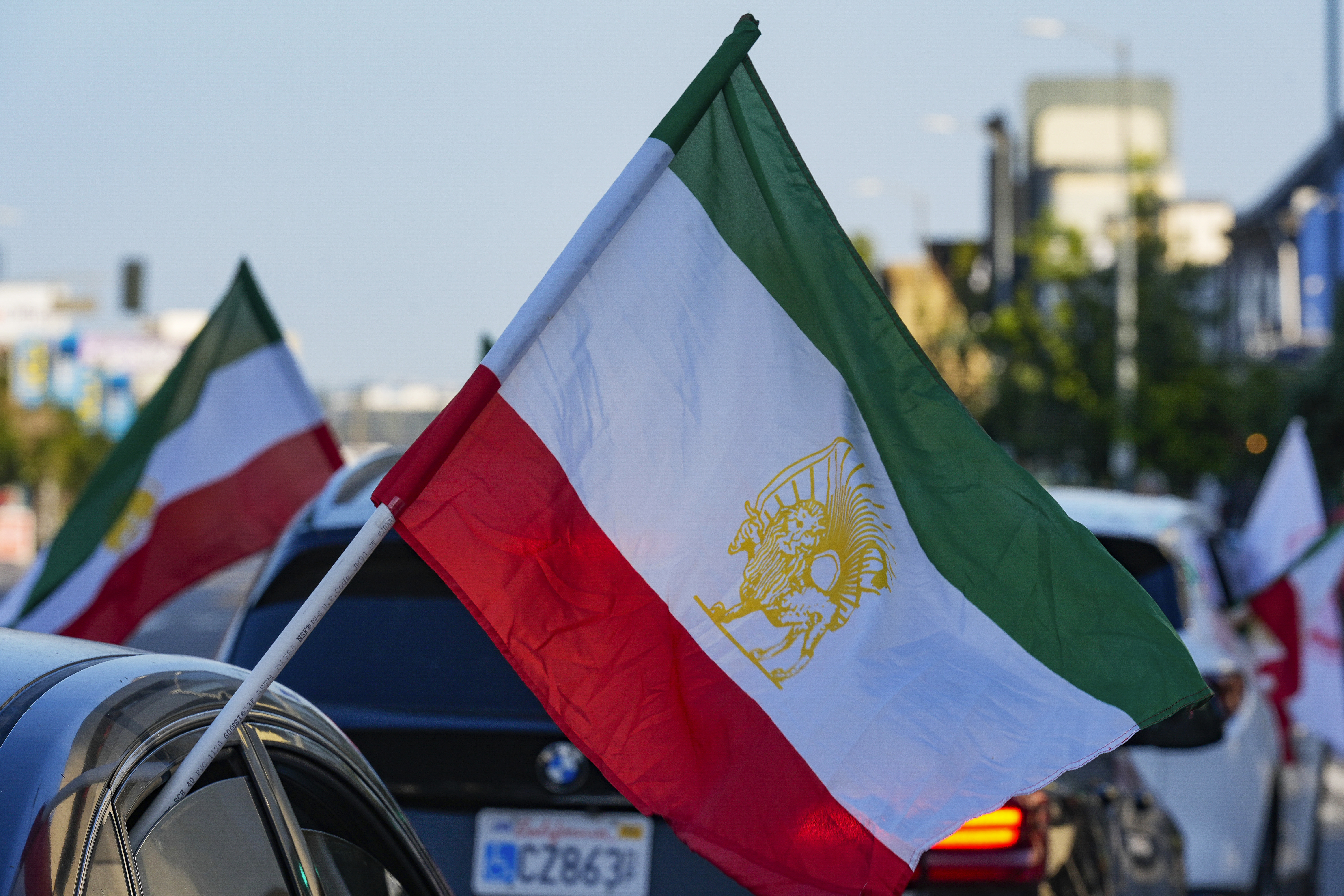
The Iranian-American community in Southern California is at a pivotal moment amid tensions between Iran and Israel, with community leaders urging local politicians to oppose U.S. military involvement in Iran and advocating for democratic change within Iran, while also navigating complex political and cultural divisions.
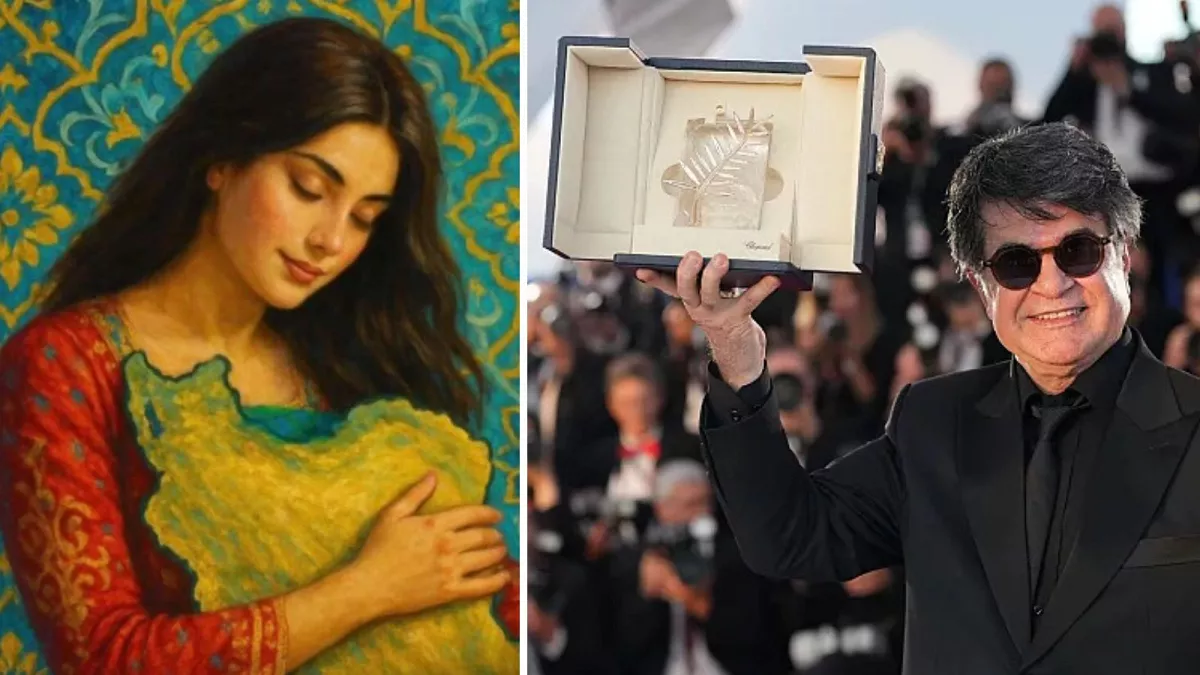
Jafar Panahi, after winning the Palme d'Or, has called for the overthrow of Iran's regime, urging international intervention and criticizing both Iran and Israel amidst ongoing conflicts and his own political activism, despite facing imprisonment and bans in Iran.