Google cofounders Sergey Brin and Larry Page moved their LLC from California to Delaware in late December 2025, just before a proposed wealth tax targeting billionaires in California was set to take effect, likely as a strategy to avoid higher taxes.
The OECD has finalized a global tax deal that exempts U.S.-based multinational corporations from paying a 15% minimum tax overseas, amid negotiations that aimed to curb profit shifting to low-tax havens, with mixed reactions from different political and advocacy groups.
A recent investigation reveals that SpaceX has potentially avoided paying billions in federal income taxes over two decades by exploiting tax loss carryforwards, despite its heavy reliance on government contracts and funding, raising concerns about its contribution to public coffers.
Roundhill Investments is launching the XDIV ETF, designed to track the S&P 500 while avoiding dividend payouts to minimize taxable income for investors, using strategic selling before dividend dates and rotating into non-distributing funds, reflecting a growing trend of tax-optimized ETF products.
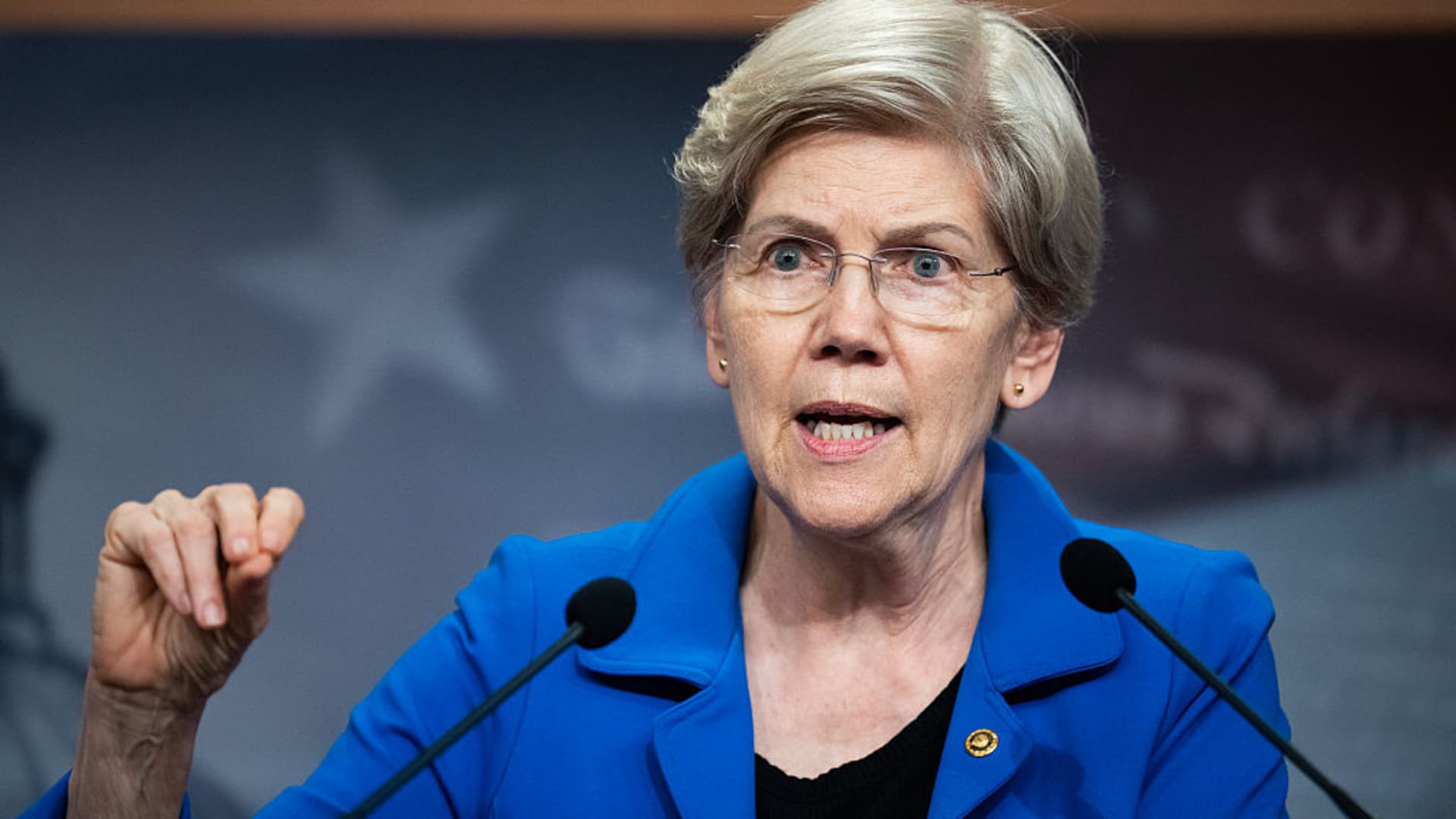
Democratic lawmakers Elizabeth Warren and Jan Schakowsky have criticized major pharmaceutical companies like Pfizer, Merck, J&J, AbbVie, and Amgen for paying little to no federal taxes by shifting profits offshore, and are questioning their support for extending tax cuts in the GOP reconciliation bill. They highlight the practice enabled by the 2017 Tax Cuts and Jobs Act, which they argue benefits wealthy corporations at the expense of American taxpayers, and are seeking responses from these companies about their lobbying efforts and tax liabilities. The issue is part of broader legislative debates over tax reform and pharmaceutical pricing.
A report by Americans for Tax Fairness reveals that Tesla paid $0 in federal income taxes over a five-year period despite earning profits, and even received a $1 million tax refund. The report suggests that Tesla is using accounting schemes and shifting American profits to offshore tax havens to avoid taxes, while also highlighting the company's willingness to receive government subsidies and grants. Despite CEO Elon Musk's public statements about paying taxes, the report raises concerns about the company's tax avoidance practices.
Major US pharmaceutical companies are using legal loopholes to shift their profits from US sales to low-tax jurisdictions, allowing them to avoid paying billions in US taxes. Despite Americans paying the highest prices for medicines, these companies report minimal profits in the US while earning significant profits abroad. The offshore profit shifting is enabled by the US corporate tax code, which incentivizes the relocation of intellectual property and manufacturing to low-tax countries. The 2017 Trump corporate tax reform further exacerbated the problem. To address this issue, common-sense reforms such as implementing a minimum tax on overseas profits and limiting tax credits for research on drugs developed outside the US could help recapture tax revenues, promote domestic investment, and foster innovation in the US pharmaceutical industry.