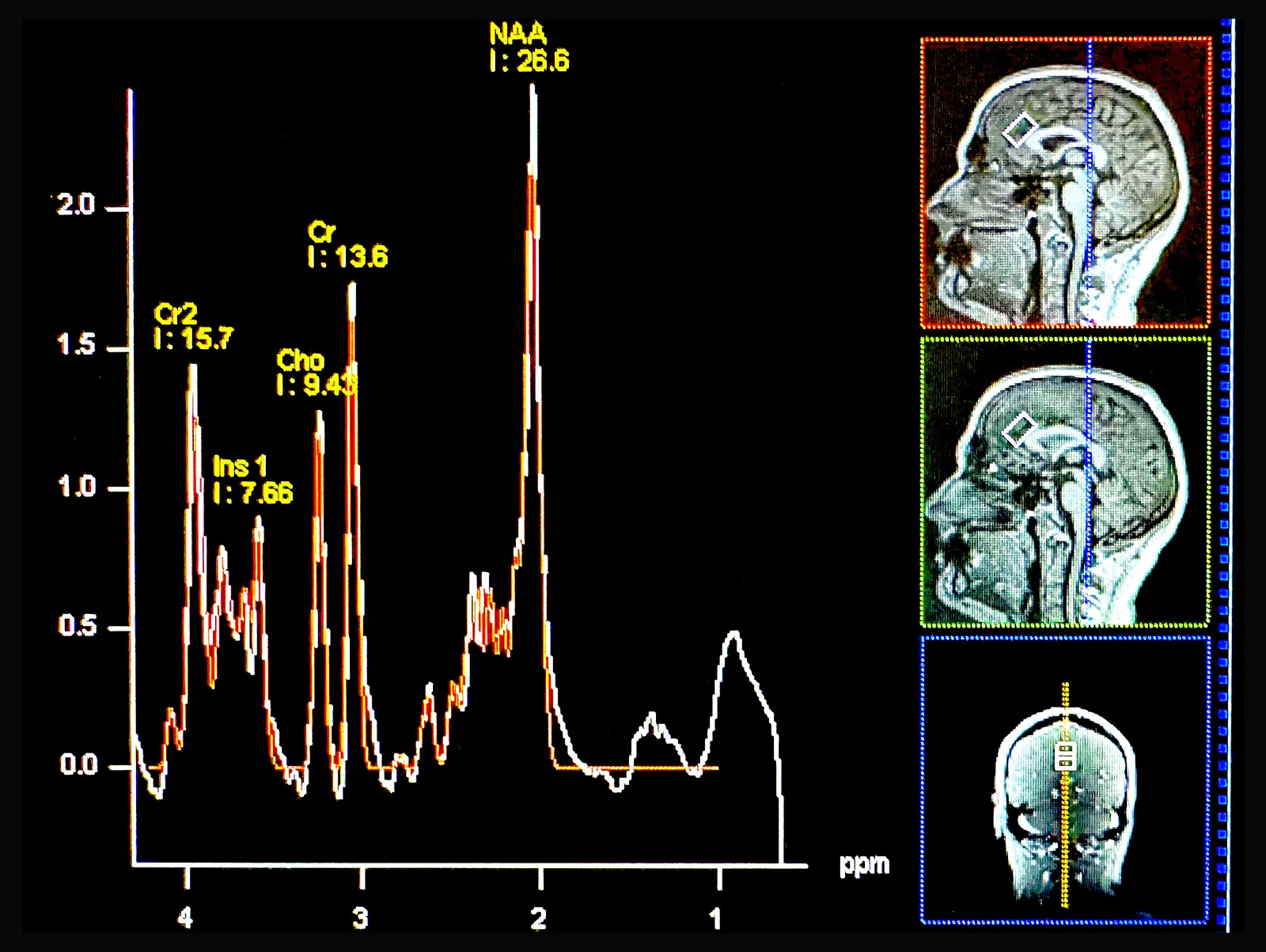
Research shows that individuals with anxiety disorders have about 8% lower levels of choline in their brains, particularly in the prefrontal cortex, which may be linked to the condition. The study suggests that dietary intake of choline, found in foods like eggs, fish, and meat, could potentially influence brain chemistry and anxiety symptoms, although more research is needed. The findings highlight the importance of nutrition in mental health and the potential for nutritional approaches to aid in managing anxiety.

Peanuts are nutritious but can cause liver damage if contaminated with aflatoxins produced by fungi during improper storage. Proper sourcing, storage, and moderation are essential to enjoy their health benefits safely, especially for individuals with pre-existing liver conditions.
Excessive intake of multivitamins and supplements can be harmful, leading to toxicity and adverse effects; experts recommend personalized, food-first approaches and careful label reading to ensure safe and effective supplementation.
A study by researchers from Oregon State University has found that daily vitamin and supplement use positively impacts nutritional markers among older men. The study recruited 35 healthy men over the age of 68 for their double-blind study. Half of the men received a Centrum Silver supplement, while the other half took a placebo. After six months, significant differences became noticeable. Those taking the multivitamin showed improvements in nutrition biomarkers, while the placebo group members didn’t.