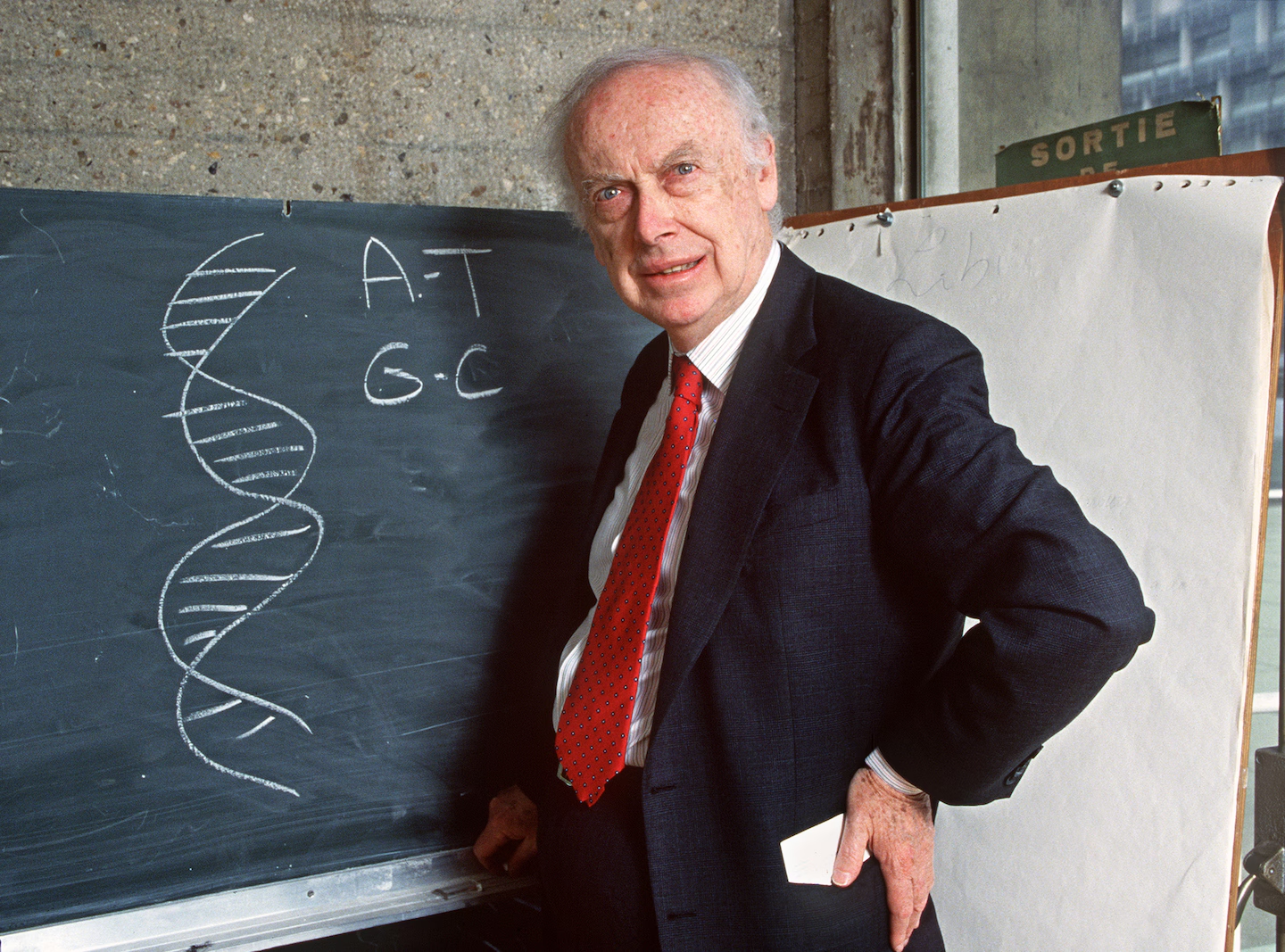
James Watson, Nobel laureate and key figure in discovering the structure of DNA, died at age 97, after a distinguished career overshadowed by later controversies over his racist and sexist writings.
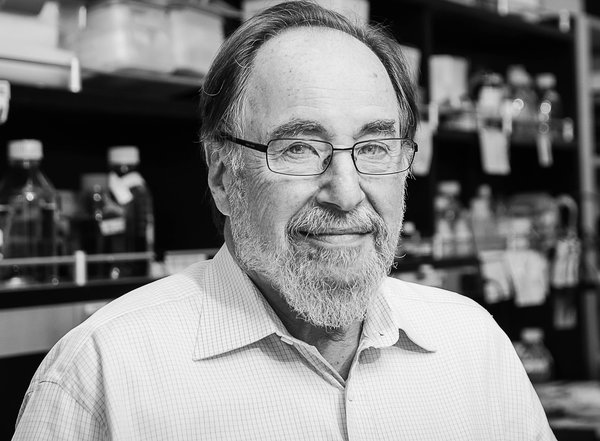
David Baltimore, a Nobel Prize-winning virologist, former Caltech president, and influential scientist known for discovering reverse transcriptase, passed away at age 87. His groundbreaking work in molecular biology, immunology, and science policy significantly advanced medicine and biotechnology. Baltimore's leadership at Caltech and contributions to global health and science policy left a lasting legacy. He is survived by his wife Alice Huang and daughter TK Baltimore.
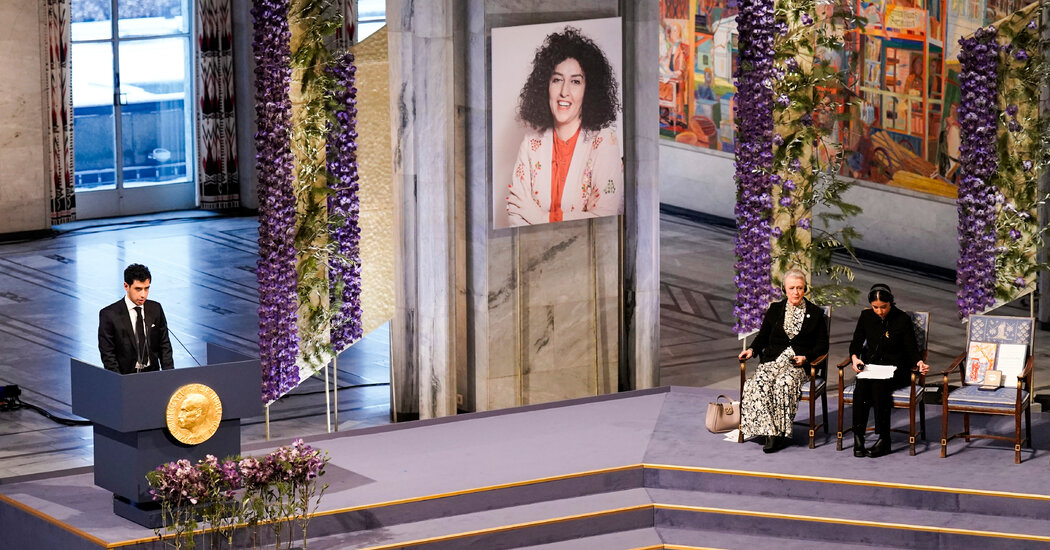
Iran has temporarily released Narges Mohammadi, a prominent human rights activist and Nobel Laureate, from prison for a period of 21 days. Mohammadi, known for her advocacy against the death penalty and for women's rights, has been imprisoned multiple times by Iranian authorities. Her temporary release is seen as a significant development in the ongoing human rights discourse in Iran.
Nobel Laureate Konstantin Novoselov, co-creator of graphene, and a team of scientists have discovered unique properties in two compounds, ReSe2 and ReS2, which belong to the same family of 2D structures as graphene. These materials have the potential to revolutionize various applications, including smart contact lenses for extended reality, optical devices, machine-learning computers, and laser-based blood tests. The discovery, published in Nature, could lead to advancements in healthcare, AI, and augmented reality, with the potential to enhance human color perception and enable faster and cheaper blood testing for diseases like cancer and COVID.
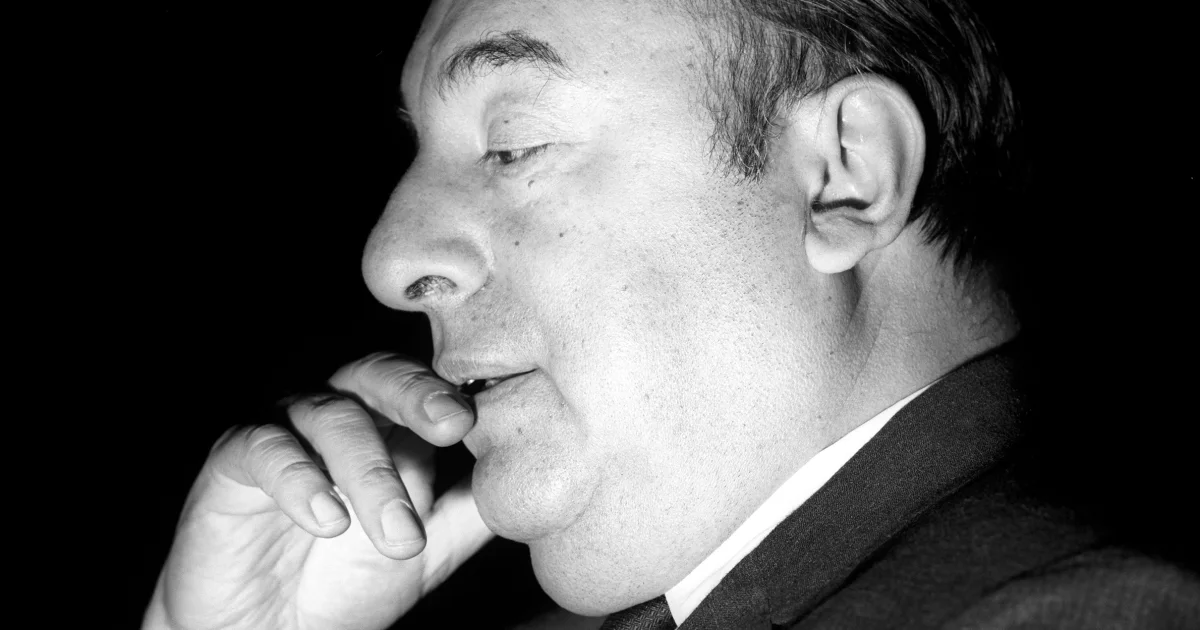
A Chilean appeals court has ordered the reopening of an investigation into the death of poet Pablo Neruda in 1973, responding to a request from his family and Chile's Communist Party. Last year, international experts delivered a report suggesting that Neruda may not have died solely of cancer, as officially stated, and did not rule out third-party involvement. Neruda, a Nobel laureate, died shortly after the military coup that brought Augusto Pinochet to power, and there have been claims that he was injected with a deadly substance by agents of Pinochet's regime.
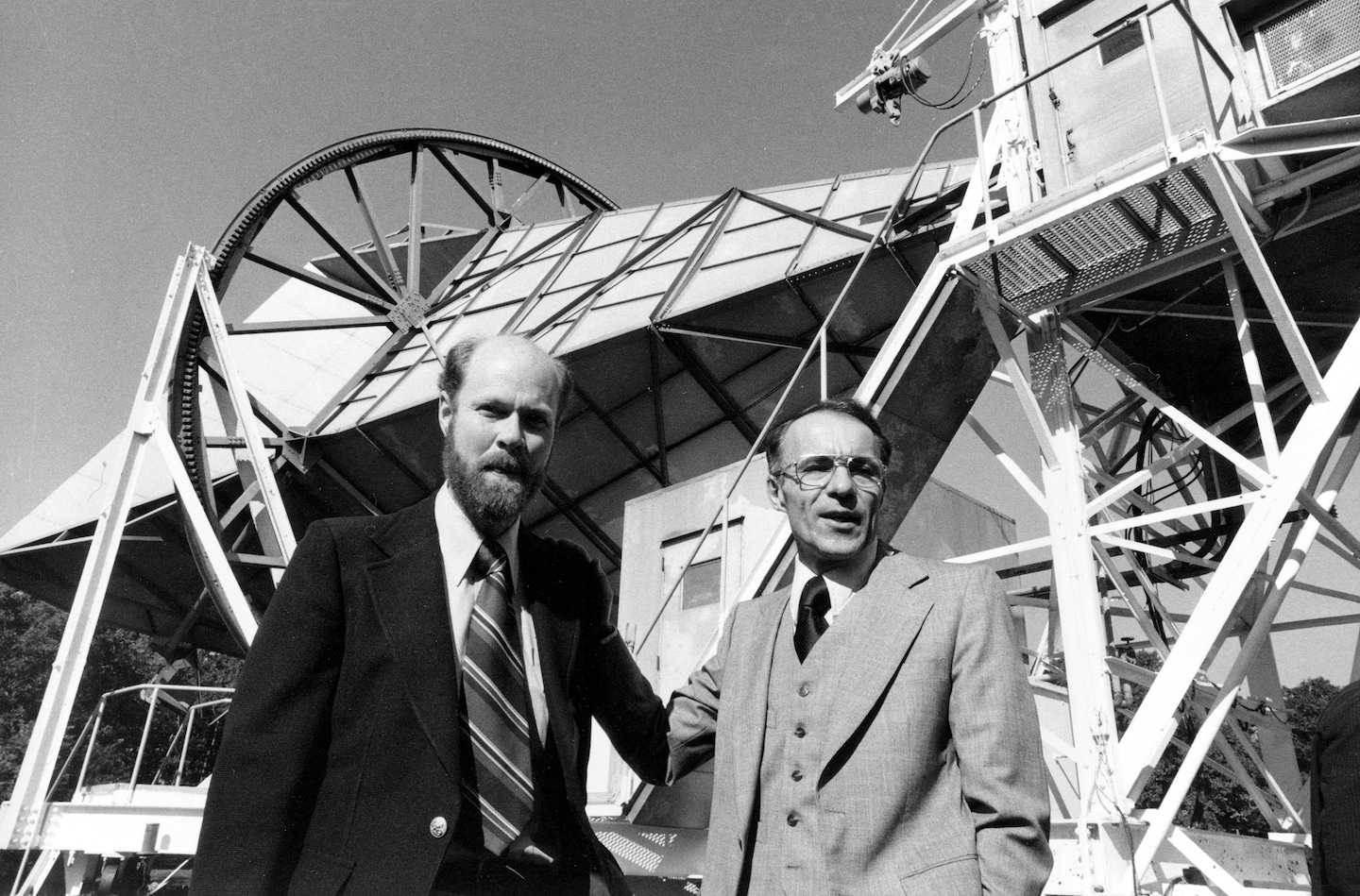
Arno A. Penzias, Nobel laureate and physicist, has passed away at the age of 90. He was known for his groundbreaking work in helping find early evidence of the Big Bang Theory and was awarded the Nobel Prize in physics in 1978 for his contributions. His research with colleague Robert W. Wilson involved the discovery of cosmic microwave background radiation, which supported the current theory of the origin and development of the universe. Penzias' life was marked by his escape from Nazi Germany, his contributions to science, and his later work in Silicon Valley.
Louise Glück, the Nobel laureate poet known for her candid and concise verse, has passed away at the age of 80. Glück's poetry explored themes of trauma, disillusionment, and longing, often drawing from classical allusions and personal experiences. Her work, characterized by its austere beauty and deliberate silence, earned her numerous accolades, including the Nobel Prize in Literature in 2020. Glück's legacy includes over a dozen books of poetry, essays, and a prose fable, and she was celebrated for her teaching and mentorship. Her unique poetic voice and powerful lyricism will be remembered as a significant contribution to the literary world.
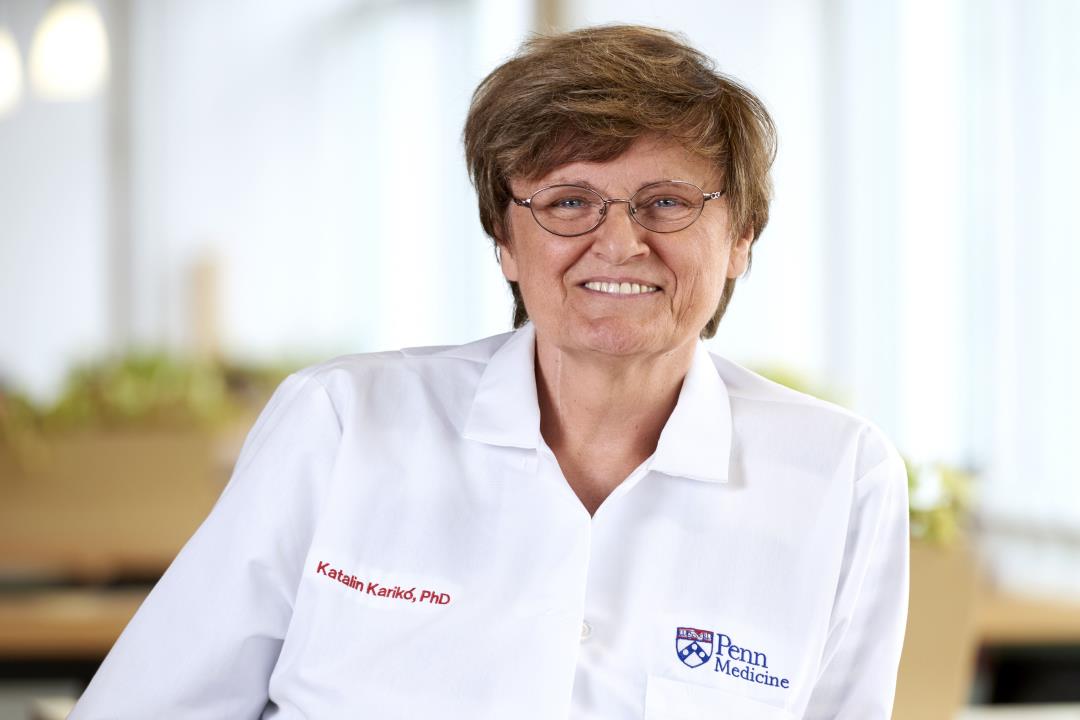
Hungarian researcher Katalin Kariko, who co-pioneered mRNA research at the University of Pennsylvania, was told to leave or accept a demotion and pay cut in 1995. Despite the setback, she continued her research and eventually partnered with Drew Weissman, leading to the development of mRNA technology that was later licensed by Penn to companies like BioNTech and Moderna for COVID vaccines. Kariko recently received a Nobel Prize for her contributions. Critics are questioning Penn's treatment of her, while Kariko herself emphasizes the importance of perseverance.