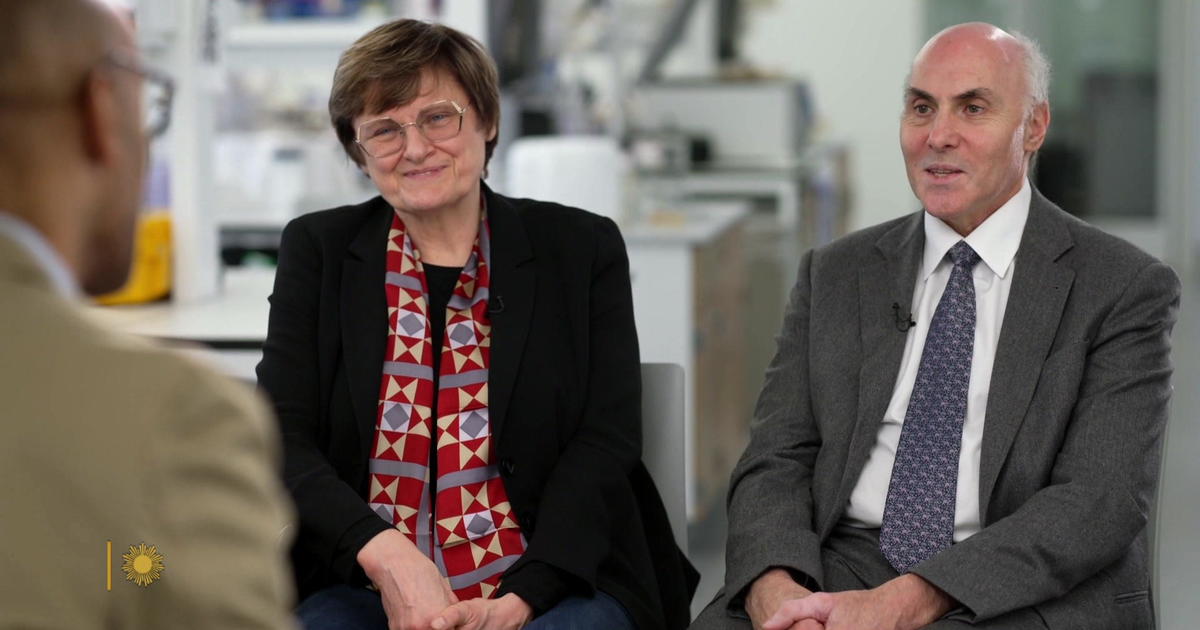
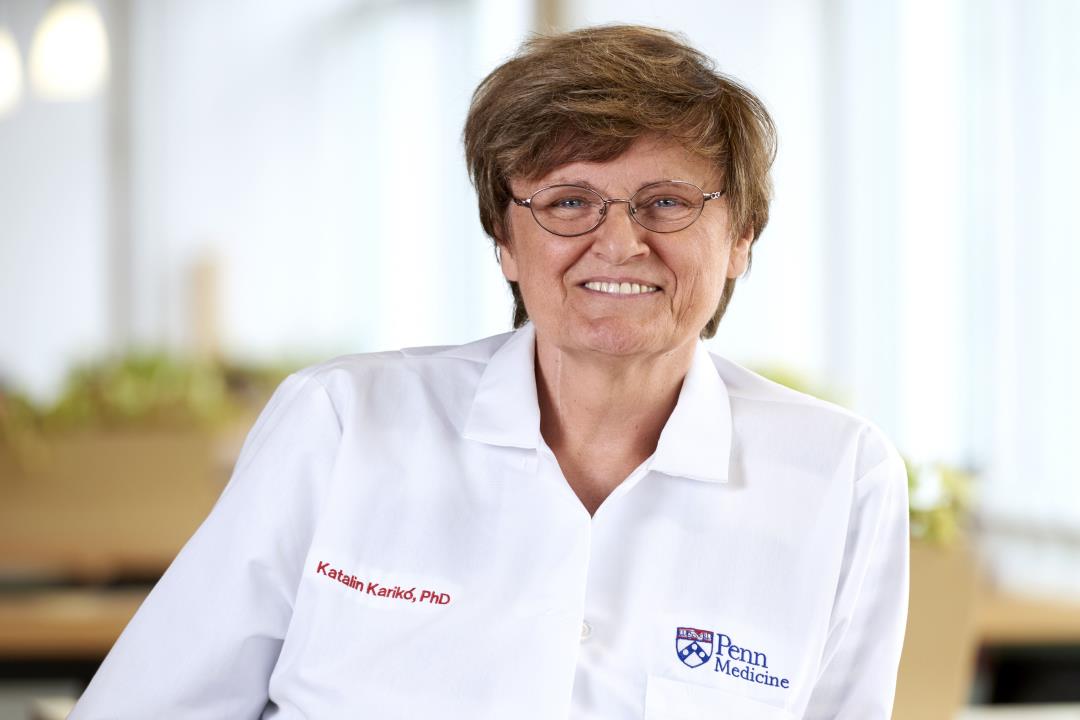
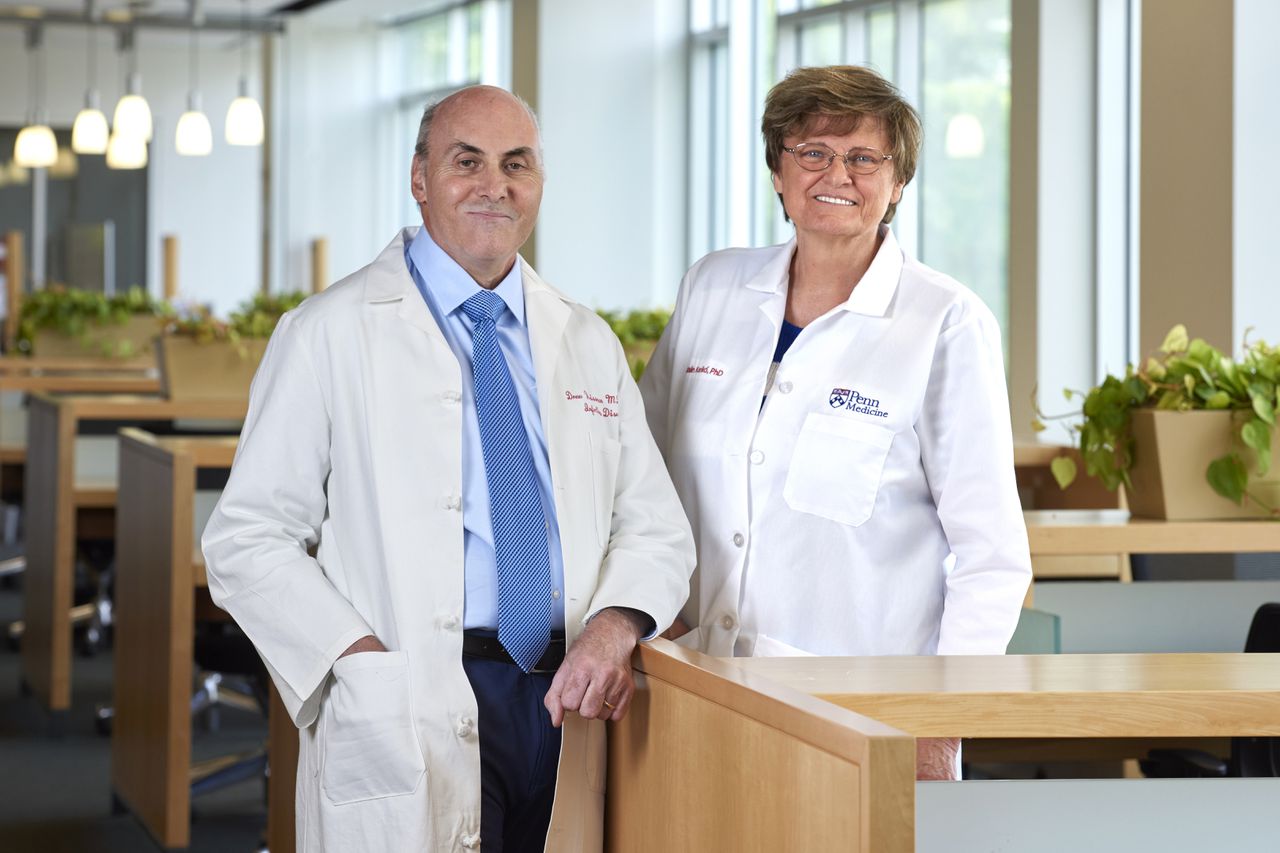
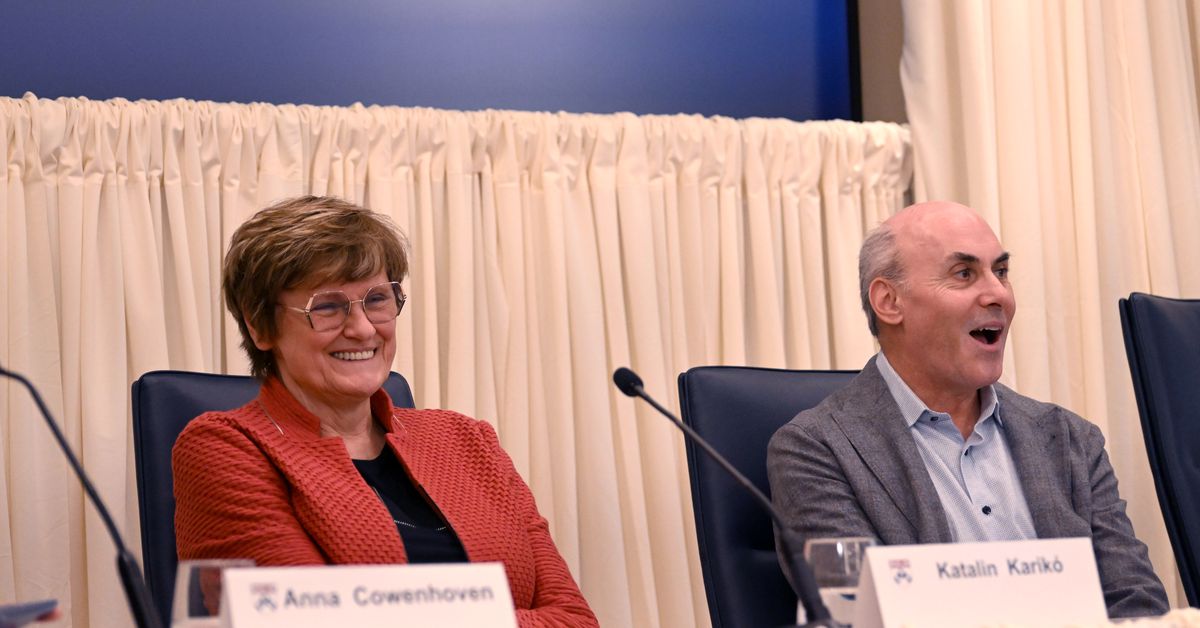
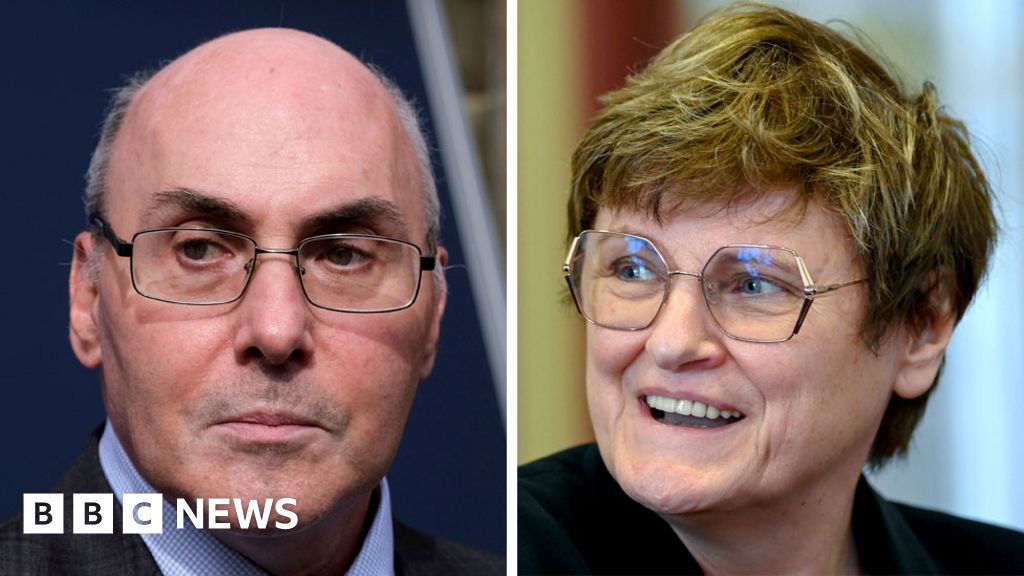
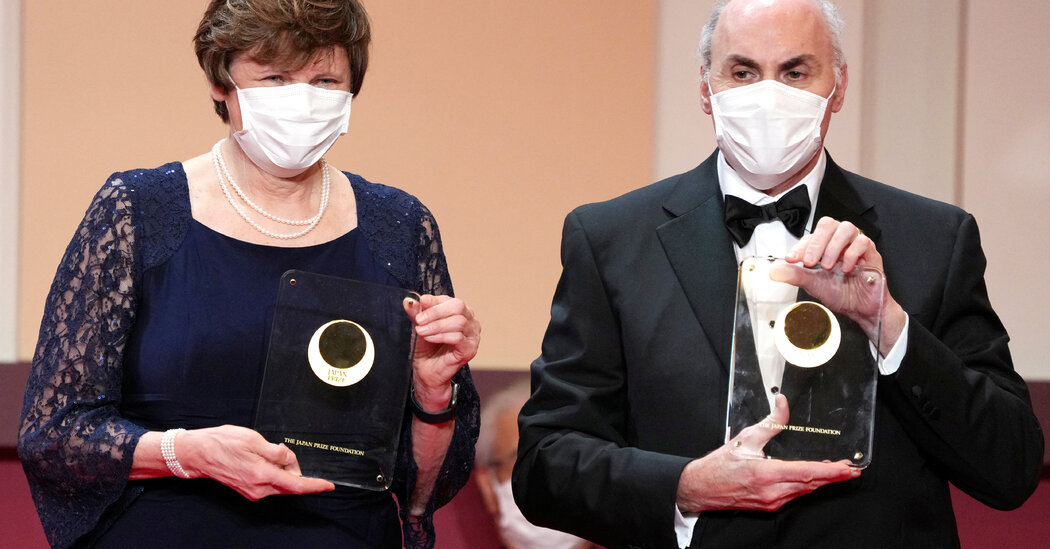
Katalin Karikó and Drew Weissman, Nobel Prize-winners, discuss their groundbreaking research in mRNA and immunology that led to the development of the Pfizer and Moderna COVID vaccines, potentially reshaping vaccine treatment for various diseases, in an interview with "Sunday Morning" contributor Kelefa Sanneh.
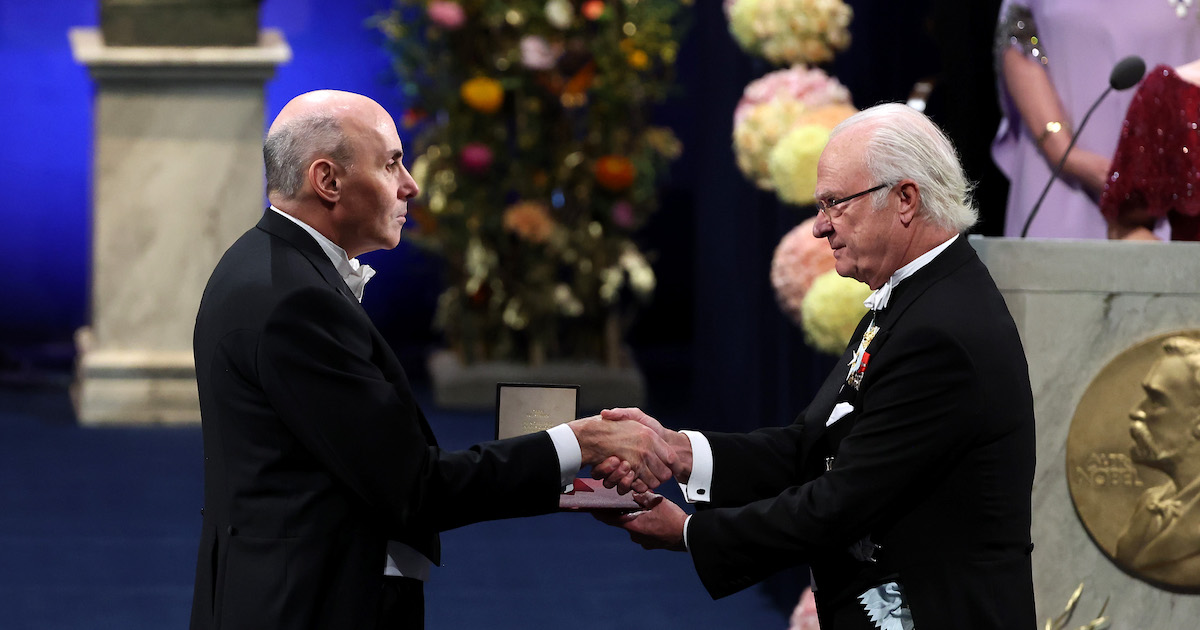
Immunologist Drew Weissman and his research partner Katalin Karikó have been awarded the Nobel Prize in Medicine for their groundbreaking research that led to the development of the COVID-19 vaccine. By engineering a modified version of messenger RNA (mRNA) and developing a delivery system, they were able to trick the immune system into producing antibodies and creating partial immunity. The ceremony in Stockholm, Sweden, included a speech highlighting the impact of their research on public trust in science. Weissman, a Brandeis alumnus, is the second from the university to win a Nobel Prize.
Katalin Karikó, a Hungarian biochemist, will receive the Nobel Prize for her research on mRNA that led to the development of COVID-19 vaccines. Like Frederick Banting, who discovered insulin, Karikó faced dismissal and belittlement from colleagues and her university for decades. Both scientists encountered resistance due to their personalities and how they were viewed, rather than the quality of their ideas. The stories of Karikó and Banting highlight the need to cast a wide net and consider scientists who do not fit the expected mold. Science does not care about personality or prestige, only about truth. However, scientists must also become skilled communicators to effectively explain threats and solutions to the public.
Katalin Karikó, the Nobel Prize-winning researcher known for her groundbreaking work on mRNA technology, faced years of mistreatment and neglect from the University of Pennsylvania (Penn), according to eight current and former colleagues. Despite her contributions to science and the development of COVID-19 vaccines, Karikó's research was repeatedly overlooked, she was denied grants, and faced obstacles such as language barriers and a system that prioritized grant funding. Penn initially rejected her request to be reinstated as faculty, citing that she was "not of faculty quality." Karikó eventually left Penn and joined BioNTech, a German company. Her colleagues hope that her win will prompt changes in research funding allocations.
Hungarian researcher Katalin Kariko, who co-pioneered mRNA research at the University of Pennsylvania, was told to leave or accept a demotion and pay cut in 1995. Despite the setback, she continued her research and eventually partnered with Drew Weissman, leading to the development of mRNA technology that was later licensed by Penn to companies like BioNTech and Moderna for COVID vaccines. Kariko recently received a Nobel Prize for her contributions. Critics are questioning Penn's treatment of her, while Kariko herself emphasizes the importance of perseverance.
Katalin Karikó, who was rejected by the University of Pennsylvania (Penn) for a tenure-track position due to her inability to secure funds for her research, has won the Nobel Prize in medicine for her work on messenger RNA (mRNA) that paved the way for COVID-19 vaccines. In her autobiography, Karikó describes years of struggle and rejection, highlighting the competitive nature of academic science where success is often defined by funding and publication metrics. Despite facing setbacks, Karikó persisted in her pursuit of using mRNA to fight disease and eventually joined BioNTech, which collaborated with Pfizer to develop the first COVID-19 vaccine. Penn has acknowledged her valuable contributions and the university's president expressed pride in her achievements.
Katalin Karikó, a Hungarian-born biochemist, played a crucial role in the development of the Covid vaccine through her pioneering work on mRNA technology. Despite facing setbacks and skepticism, Karikó's perseverance and dedication led to breakthroughs that laid the foundation for the successful Pfizer-BioNTech vaccine. Her contributions to medical research have revolutionized the field and opened up new possibilities for future vaccines and treatments.
Katalin Karikó, one of the winners of this year's Nobel Prize in medicine, discusses her groundbreaking work on messenger RNA (mRNA) that made the development of COVID-19 vaccines possible. Despite facing skepticism and setbacks, Karikó persevered in her belief that mRNA could be revolutionary. Her work, along with her colleague, has saved millions of lives globally. Karikó reflects on her journey from humble beginnings in Hungary to receiving the Nobel Prize and encourages women in science to find supportive partners and not have to choose between family and profession.
Katalin Karikó and Drew Weissman, recipients of the Nobel Prize for Medicine, were recognized for their groundbreaking work on mRNA vaccines, which have played a crucial role in combating the Covid-19 pandemic. However, their journey to success was marked by struggles to secure funding and recognition within the research community. Their story highlights the flaws in the current scientific funding system and raises questions about the potential missed opportunities for other world-changing research programs. The recognition of Karikó and Weissman's work serves as a reminder of the need for more flexible and responsive funding policies to support scientific innovation.
Professors Katalin Kariko and Drew Weissman have been awarded the Nobel Prize in Physiology or Medicine for their development of mRNA technology, which led to the creation of the mRNA Covid vaccines. The technology, previously experimental, has now been administered to millions worldwide to combat Covid-19 and is being researched for other diseases like cancer. Traditional vaccines use weakened or dead versions of the virus, while mRNA vaccines provide genetic instructions for the body to produce viral proteins, training the immune system to fight the virus. Kariko and Weissman's breakthroughs paved the way for the rapid development of vaccines against various diseases.
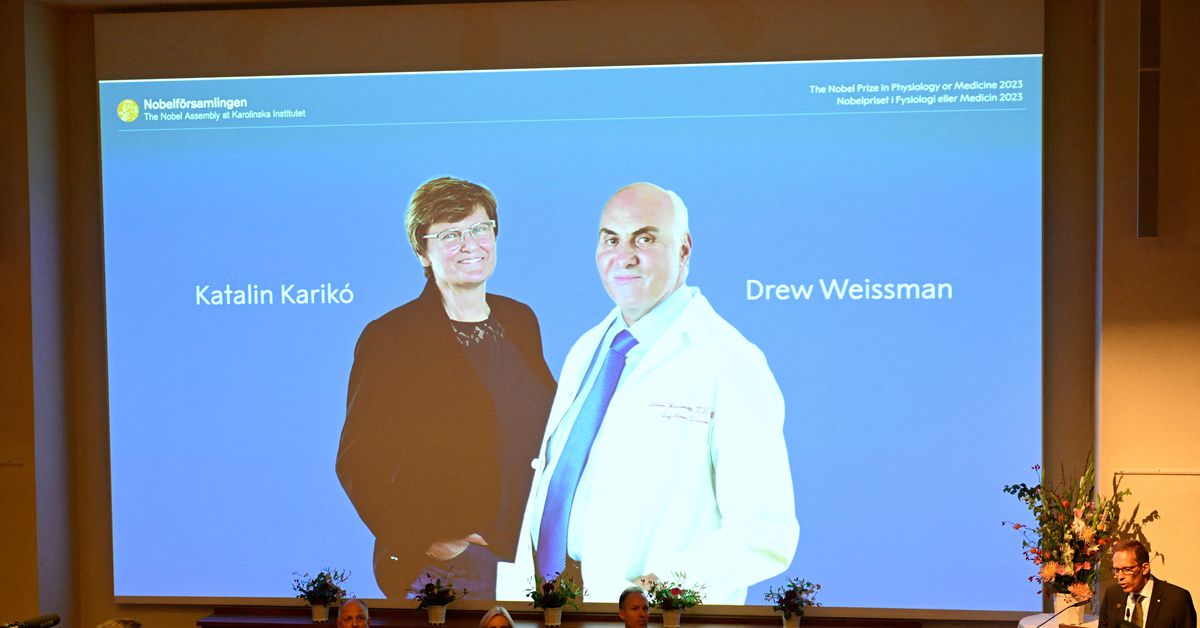
Hungarian scientist Katalin Kariko and U.S. colleague Drew Weissman, pioneers of mRNA molecule discoveries that paved the way for COVID-19 vaccines, have been awarded the 2023 Nobel Prize for Medicine. Their contributions to vaccine development during the pandemic were recognized by the Nobel Assembly of Sweden's Karolinska Institute. The prize comes with a cash award of 11 million Swedish crowns ($1 million). Kariko and Weissman's groundbreaking work has helped save millions of lives and has the potential for future applications in cancer therapies and vaccines against other diseases.
Hungarian-American Katalin Karikó and American Drew Weissman have been awarded the Nobel Prize in medicine for their groundbreaking discoveries that enabled the development of mRNA vaccines against COVID-19. Their research fundamentally changed our understanding of how mRNA interacts with the immune system, leading to the creation of highly effective vaccines. The mRNA technology used in these vaccines has been hailed as a game changer in the fight against the pandemic and has the potential to revolutionize the treatment of other diseases, including cancer. Karikó and Weissman's work, combined with other scientific breakthroughs, paved the way for the development of COVID-19 vaccines and holds promise for future advancements in medical research.
Katalin Karikó and Drew Weissman have been awarded the Nobel Prize in Physiology or Medicine for their groundbreaking work on messenger RNA (mRNA) that laid the foundation for the development of Covid-19 vaccines. Their discovery of a chemical tweak to mRNA allowed cells to produce viral proteins, mimicking a real infection and prompting a robust immune response. Initially overlooked by scientific journals, their work caught the attention of biotech companies Moderna and BioNTech, leading to the creation of highly effective mRNA vaccines. This is the first of six Nobel Prizes to be awarded this year.