Tag

Newtons Third Law

All articles tagged with #newtons third law

science6 months ago

Research Reveals Human Sperm's Unique Motion Challenge to Newton's Third Law

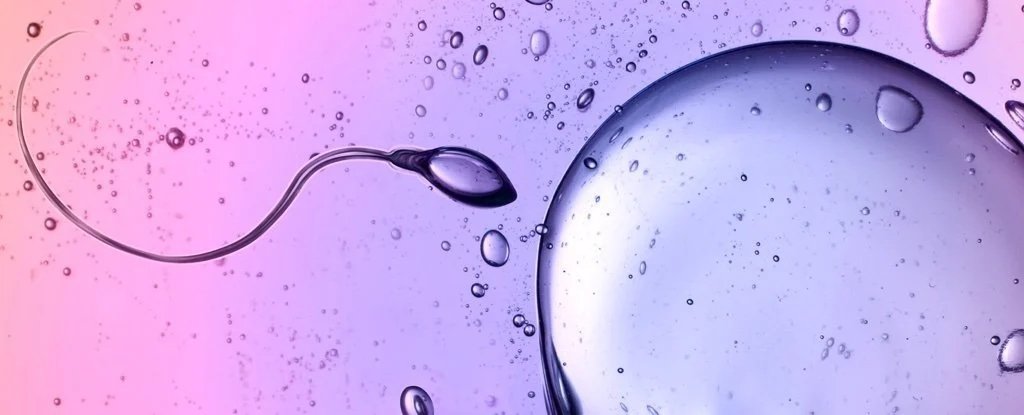
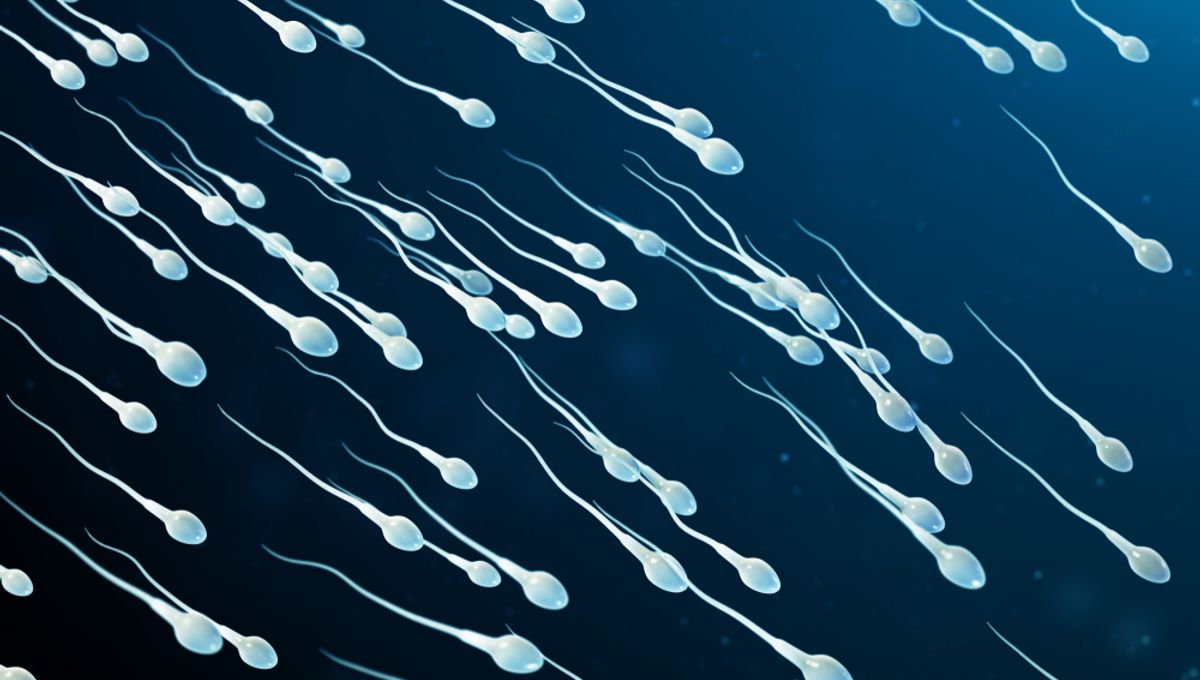
A recent study reveals that human sperm can defy Newton's third law of motion by utilizing non-reciprocal internal forces powered by 'odd elasticity,' enabling efficient movement through viscous environments and challenging traditional physics principles, with implications for biomedical engineering and fertility research.

science6 months ago

Scientists Discover Sperm Challenging Newton's Laws

Scientists discovered that human sperm and algae can swim through viscous fluids by exhibiting 'odd elasticity,' allowing them to defy Newton's third law of motion, which typically states that every action has an equal and opposite reaction. This phenomenon results from non-reciprocal interactions in systems far from equilibrium, providing insights that could influence the design of self-assembling robots and understanding collective biological behaviors.

science-and-technology1 year ago

"Sperm Defies Laws of Physics, Baffling Scientists"

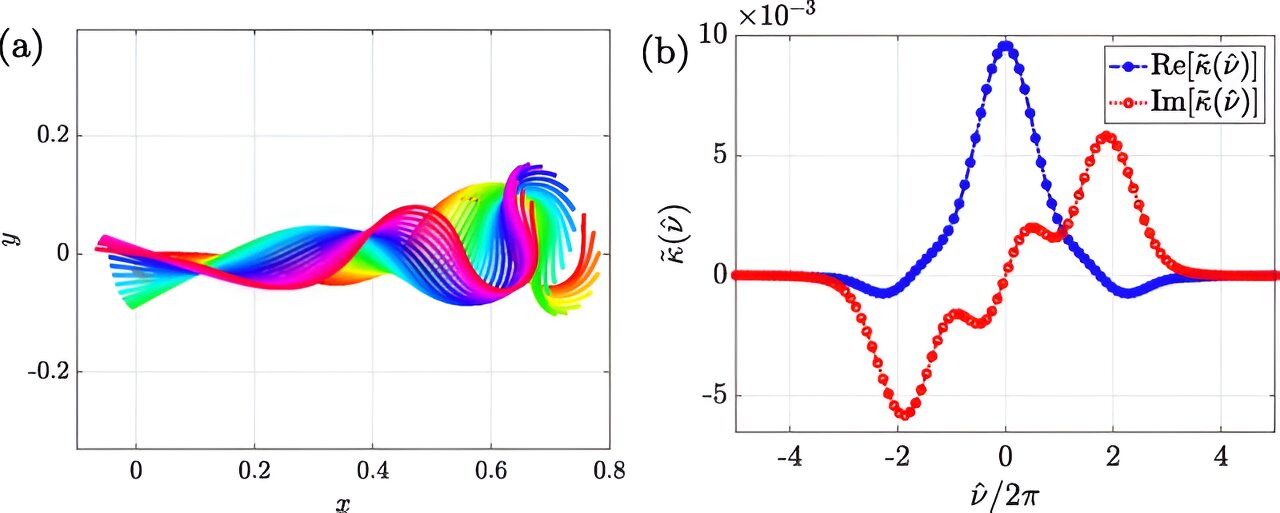
A recent study has found that human sperm and single-celled algae defy Newton's third law of motion as they move through viscous fluids, due to non-reciprocal interactions and odd elasticity in their whip-like tails. The study, published in PRX Life, analyzed experimental data on sperm and modeled the motion of algae to decipher the internal mechanics of their flagella, potentially aiding in the design of self-assembling robots and understanding collective behavior.

science2 years ago

Decoding the Unconventional Physics of Sperm Motion

Scientists at Kyoto University have discovered that human sperm move through thick fluids in a unique motion that defies Newton's Third Law of Motion. Contrary to expectations, these tiny swimmers navigate viscous environments with non-reciprocal interactions, allowing them to maneuver through substances that should hinder their progress. The researchers aimed to understand how sperm and other microscopic biological swimmers overcome these challenges.

science2 years ago

Sperm's Unusual Elasticity Challenges Newton's Third Law

Researchers at Kyoto University have discovered that sperm and other small organisms are able to bypass Newton's third law of motion by utilizing "odd elasticity." By bending in small ways in response to the liquid they are swimming in, the flagella of sperm cells are able to conserve energy and move through viscous fluids with less effort than expected. This finding sheds light on how tiny creatures are able to navigate through their liquid environments more efficiently.

science2 years ago

"Sperm's Surprising Physics-Defying Feat Stuns Scientists"

Scientists have discovered that sperm and single-celled algae defy Newton's third law of motion due to their non-reciprocal interactions with their surroundings. These microscopic organisms move through viscous fluids using whip-like tails or flagella, which possess an "odd elasticity" that allows them to propel forward without losing much energy to the surrounding fluid. The researchers also introduced a new term, "odd elastic modulus," to describe the internal mechanics of flagella. The findings could have implications for designing self-assembling robots and understanding collective behavior.

science2 years ago

Sperm Cells Challenge Newton's Third Law of Motion

Scientists have discovered that sperm and certain microorganisms, such as Chlamydomonas algae, defy Newton's third law of motion by exhibiting non-reciprocal mechanical interactions. These biological swimmers use their flagella to move in a way that elicits no equal and opposite response from their surroundings, thus breaking the law of physics. The cells possess an "odd elasticity" that allows them to wiggle their flagella without expending much energy, enabling them to move forward in a manner that defies physics. Understanding this phenomenon could have implications for designing small elastic robots and studying other organisms capable of non-reciprocal movement.