U.S. Secretary of Health and Human Services has approved adding Duchenne Muscular Dystrophy and Metachromatic Leukodystrophy to the newborn screening panel, enabling earlier diagnosis and treatment to improve outcomes for affected children.
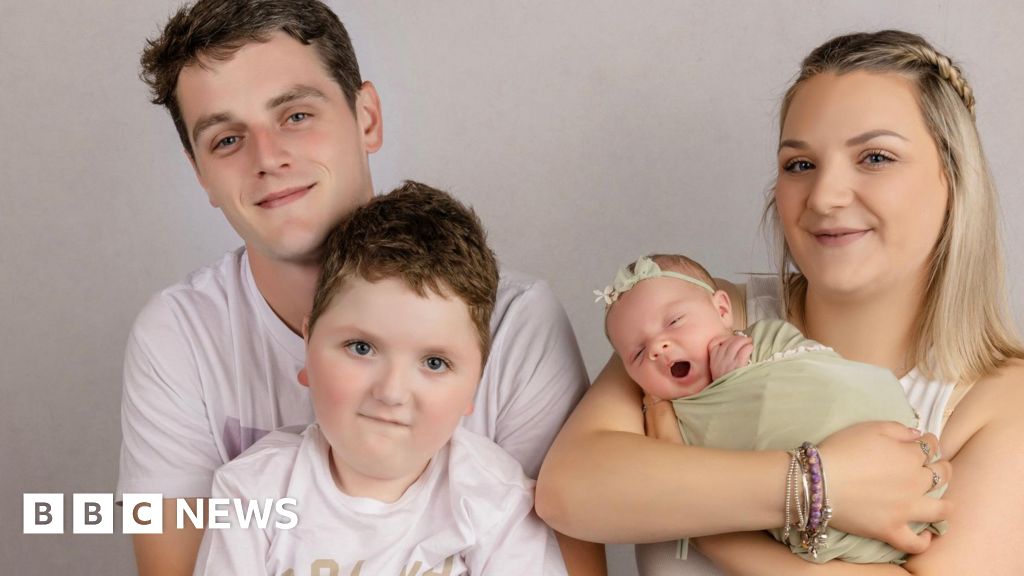
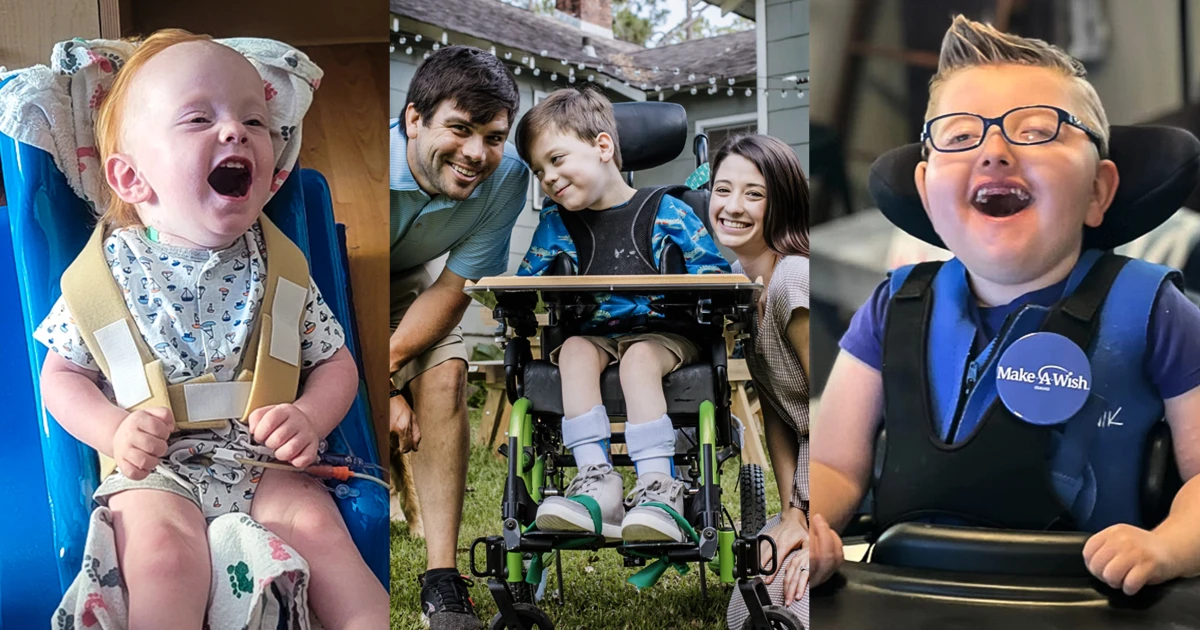
Parents of children with SMA advocate for universal newborn screening to enable early diagnosis and treatment, highlighting the stark difference in outcomes between their children who were tested early and those who were not, with the UK considering expanding screening programs amid promising new treatments.
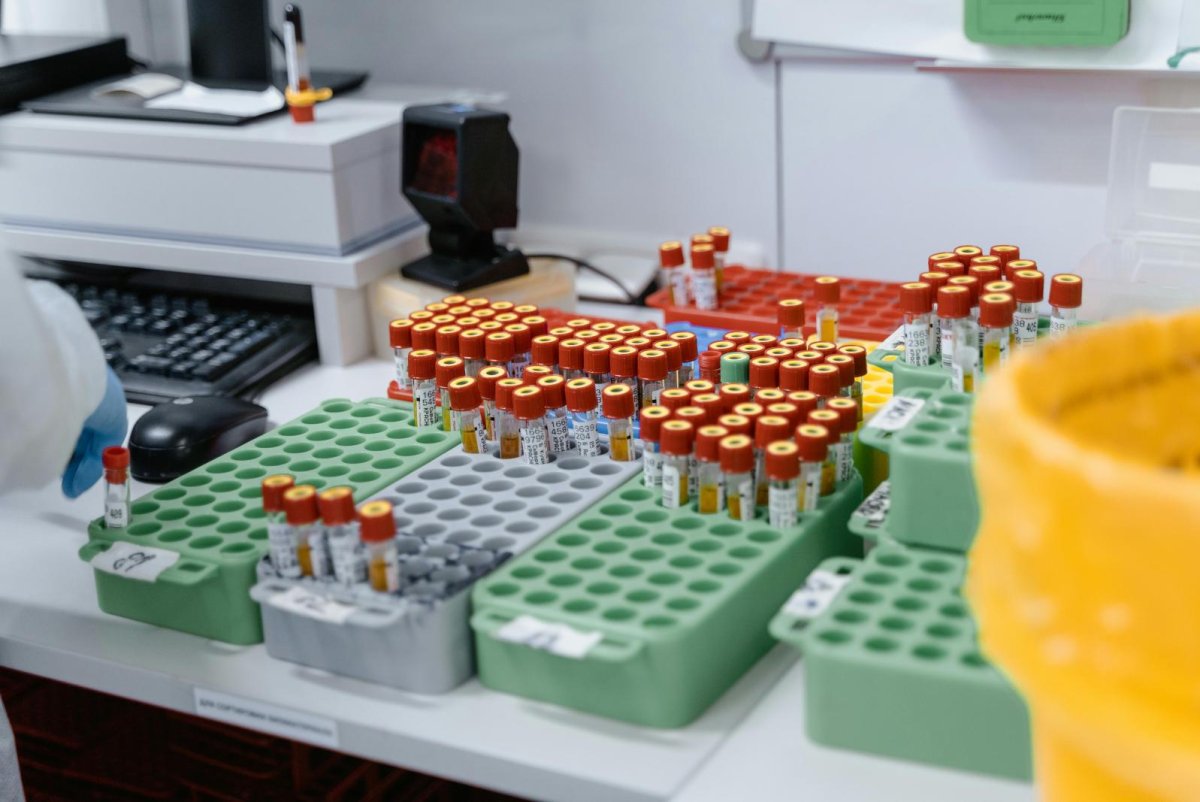
A new proteomic blood test developed by Australian scientists can rapidly and accurately screen newborns for thousands of rare inherited diseases from just a small blood sample, potentially replacing multiple current tests, reducing diagnosis time, and improving early detection and treatment options.
Despite universal newborn screenings for cystic fibrosis, children of color often face delays in diagnosis due to medical biases and misconceptions that the disease primarily affects white people. Rena Barrow-Wells' experience with her sons highlights the ongoing struggle for timely and accurate diagnosis in minority communities.
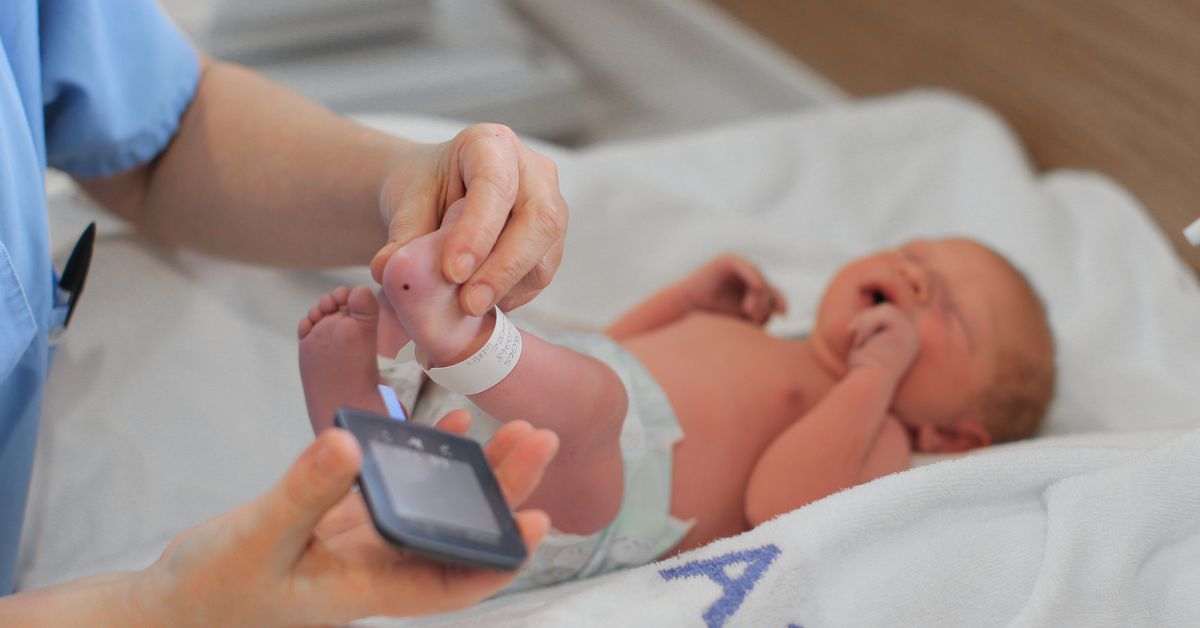
A parent shares their experience of receiving a false positive test result for a rare genetic disorder in their newborn, highlighting the anxiety and gratitude that came with the experience. The article discusses the importance of newborn screening programs in detecting treatable genetic disorders, such as severe combined immunodeficiency (SCID), and the remarkable progress in medicine that has made these screenings highly reliable and affordable. The author emphasizes the significant impact of these advancements on infant mortality rates and expresses gratitude for the screening test that ultimately turned out to be unnecessary, recognizing the potential life-saving impact for families whose babies are identified as needing treatment.
Cytomegalovirus (CMV), a common virus that can cause birth defects, is now being screened for in newborn babies in New York as part of a pilot program. CMV infects more than half of adults and one in every 200 babies is born with congenital CMV. Symptoms can include smaller head size, hearing loss, and developmental delays. Early identification of the virus allows for monitoring and treatment to mitigate potential health effects. While there is currently no vaccine for CMV, awareness about prevention and intervention is crucial. The push for universal screening is driven by parents who have experienced the health effects of CMV in their children.
New York State will become the second state to screen newborns for Congenital Cytomegalovirus (cCMV), a common virus that affects one in every 200 babies born in the United States. Starting on October 2, all babies will be screened for cCMV as part of the New York State Newborn Screening Program. Babies who test positive will be referred to specialists for follow-ups and evaluations. cCMV can cause symptoms at birth, including low birth weight, rashes, and seizures, and can also lead to hearing and vision loss later in childhood. Parents have the option to opt out of having the results included in their babies' records.
New York State will become the second state to screen newborns for Congenital Cytomegalovirus (cCMV), a common virus that affects one in every 200 babies born in the United States. Starting on October 2, all babies will be screened for cCMV as part of the New York State Newborn Screening Program. Babies who test positive will be referred to specialists for follow-ups and evaluations. cCMV can cause symptoms at birth, including low birth weight, rashes, and seizures, and can lead to hearing and vision loss later in childhood. Parents have the option to opt out of having the results included in their babies' records.
Newborn screening for severe combined immunodeficiency (SCID) followed by early treatment has increased the five-year survival rate of children with the disorder from 73% to 87%, according to a study by the National Institute of Allergy and Infectious Diseases. The study analysed data on more than 900 children with confirmed SCID who received treatment for the condition with a transplant of blood-forming stem cells from a non-genetically matched donor at one of 34 sites in the US or Canada between 1982 and 2018. The researchers excluded infants who received stem-cell transplants from genetically matched sibling donors from the analysis, because these children had high overall survival rates throughout the study period.
Varying state policies on newborn genetic screenings have led to some babies being diagnosed with rare diseases too late for effective treatment. The Department of Health and Human Services recommends screening for 37 disorders, but no state screens for all of them. Parents and doctors are pushing for expanded screening to save lives, citing the increasing number of treatable genetic diseases. However, getting a condition added to the federal Recommended Uniform Screening Panel is difficult, and some committee members have expressed concerns about the risks of stem cell transplants.
Cytomegalovirus (CMV) is a common virus that can cause congenital infections, leading to birth defects and permanent neurodevelopmental disabilities. Although prenatal and newborn screening for CMV is not standard of care, some states have passed laws requiring public education and targeted screening. Simple behavior changes, such as frequent handwashing and avoiding sharing food or utensils, can significantly reduce the risk of getting CMV. Increasing awareness and standardizing screening guidelines could help reduce the incidence and burden of CMV-related diseases on children and their families.
Cytomegalovirus (CMV) is a common viral infection that can cause devastating long-term health problems in infants, including hearing loss, cerebral palsy, seizures, vision impairment, and neurodevelopmental delays. Despite affecting 20,000 babies born each year in the U.S., there is little public awareness about CMV compared to other prenatal infections. However, state public health committees and legislatures are beginning to debate whether to mandate more robust screening for CMV, with Minnesota becoming the first state to screen all newborns for congenital CMV. The debate around screening alone is a sign that the medicine is doing better.