The article showcases a collection of 57 striking and sometimes unsettling medical images and stories that highlight the complexity, resilience, and mysteries of the human body, from rare conditions and remarkable recoveries to advances in medical technology and ongoing scientific questions.
Kim Lundgreen, diagnosed with Parkinson's in 2017, transformed his life by staying active and inspiring others to move, which has improved his well-being and kept his spirits high despite the challenges of the disease. His story highlights the importance of physical activity in managing Parkinson's and maintaining a positive outlook, with aspirations like climbing Mount Kilimanjaro and hope for a future cure.
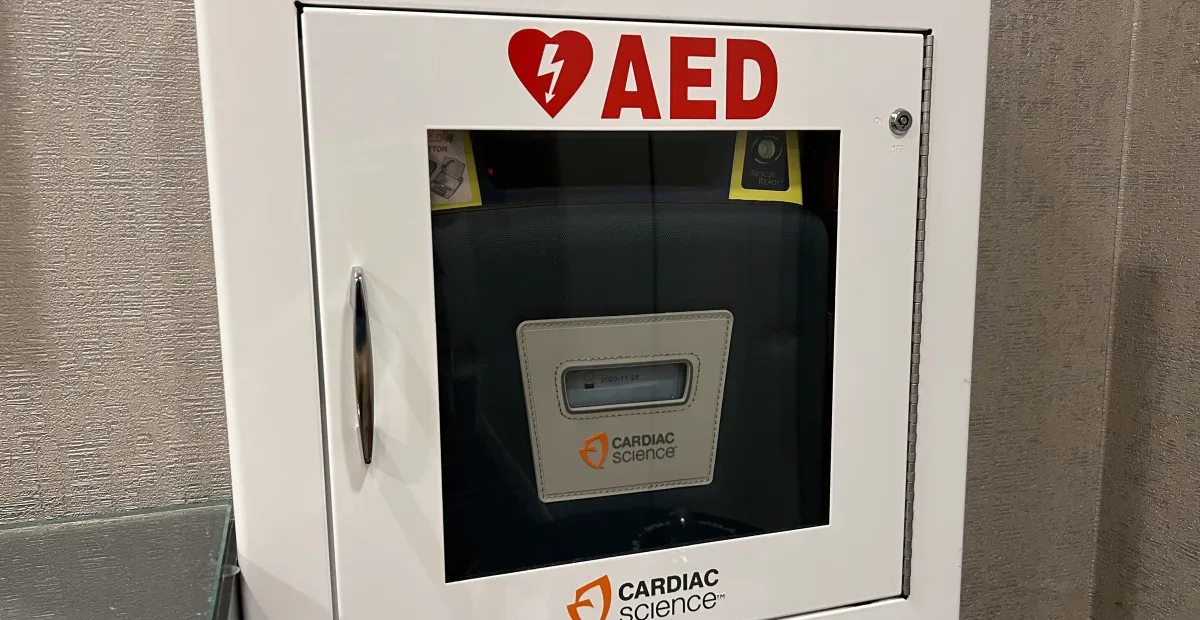
The article highlights the significant decline in heart attack deaths over the past 50 years due to public health campaigns, medical advancements like statins and CPR, and lifestyle changes such as reduced smoking, while also emphasizing the importance of early screening and addressing other risk factors like obesity and diabetes to further reduce heart disease mortality.
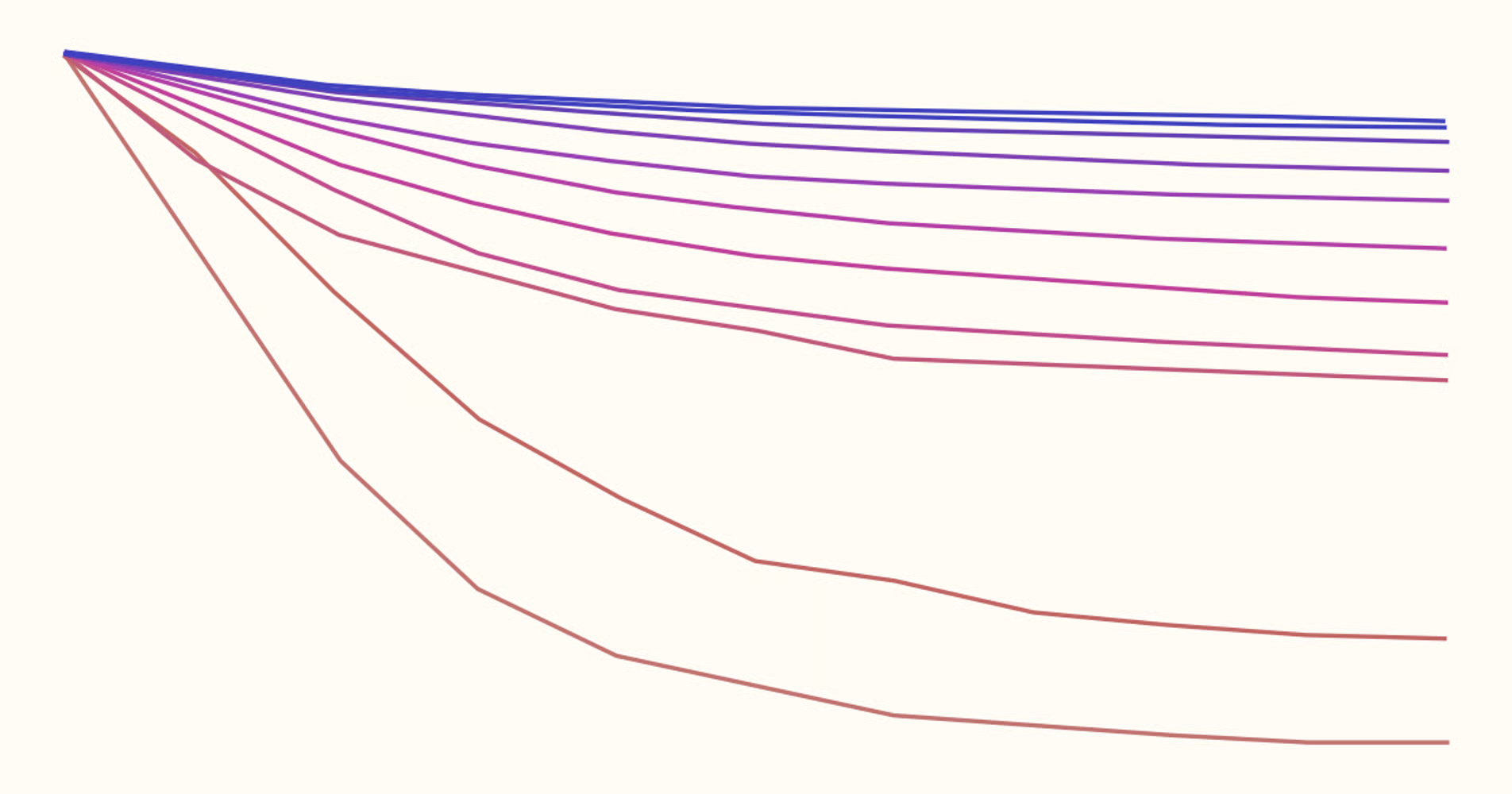
Childhood leukemia, once nearly always fatal before the 1970s, has become highly treatable with survival rates in North America and Europe now exceeding 85%, thanks to advances in chemotherapy, targeted drugs, immunotherapy, supportive care, and international collaboration in research.
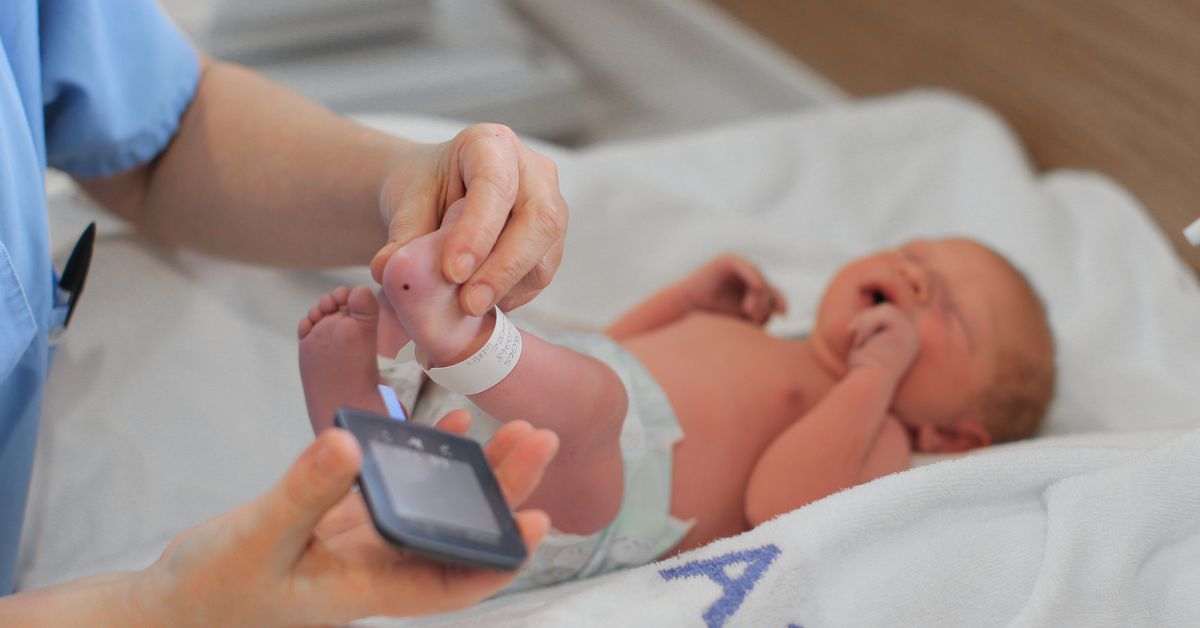
A parent shares their experience of receiving a false positive test result for a rare genetic disorder in their newborn, highlighting the anxiety and gratitude that came with the experience. The article discusses the importance of newborn screening programs in detecting treatable genetic disorders, such as severe combined immunodeficiency (SCID), and the remarkable progress in medicine that has made these screenings highly reliable and affordable. The author emphasizes the significant impact of these advancements on infant mortality rates and expresses gratitude for the screening test that ultimately turned out to be unnecessary, recognizing the potential life-saving impact for families whose babies are identified as needing treatment.