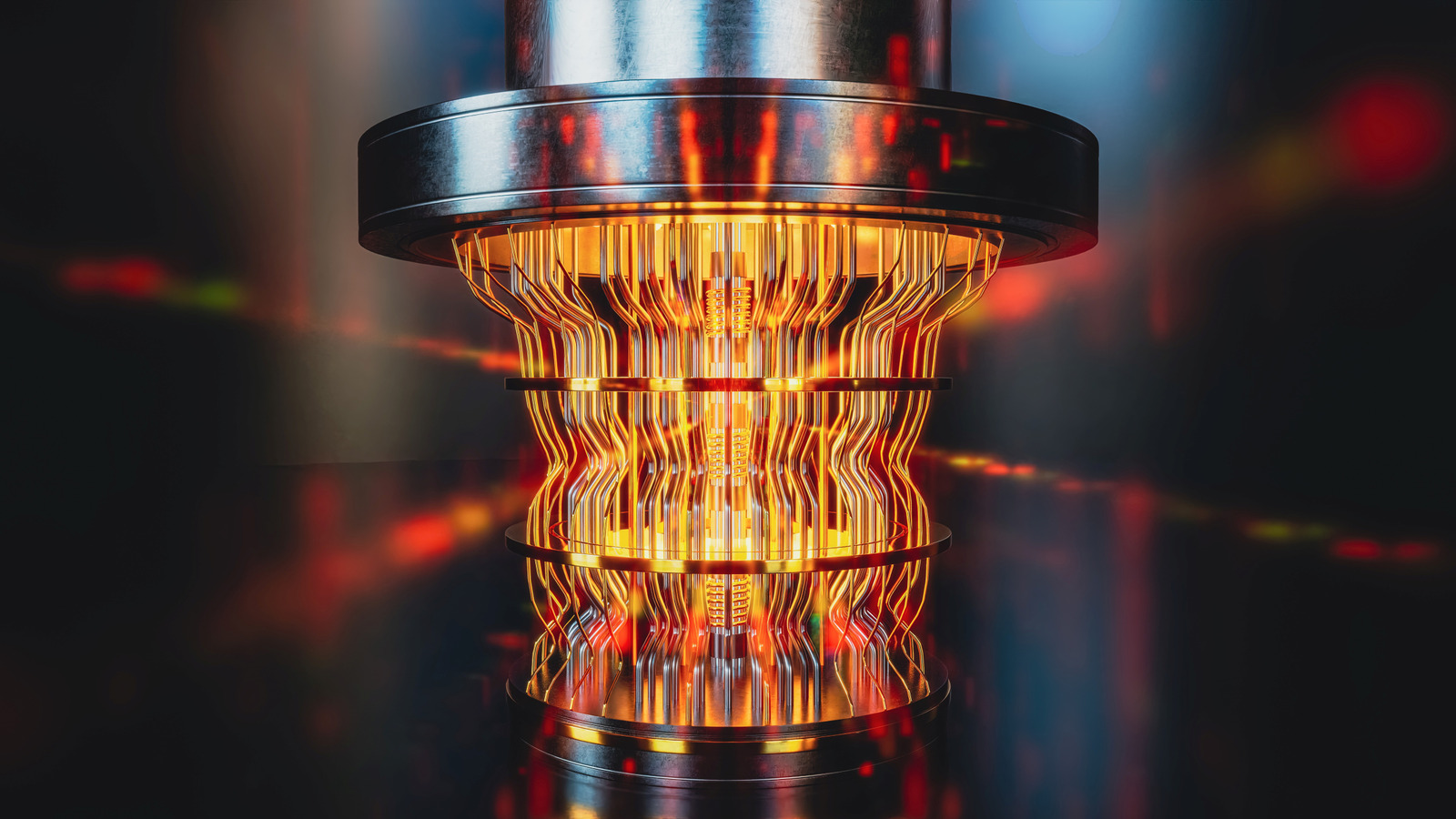
Company Launches Revolutionary Quantum Processor with 100x Density Boost
A company has announced a new quantum processor that is 100 times denser than any existing technology, marking a significant advancement in quantum computing capabilities.

All articles tagged with #new technology
A company has announced a new quantum processor that is 100 times denser than any existing technology, marking a significant advancement in quantum computing capabilities.

MSC Cruises has ordered four next-generation cruise ships from Meyer Werft, with two additional options, to be delivered starting in 2030, emphasizing environmental innovation and supporting thousands of jobs in Germany.

UC Davis and Proteus Space have developed and built a satellite in just eight months, claiming it to be the fastest launch-qualified satellite ever made, with a planned launch in October 2024. The project features innovative AI-based design software and a payload that models the satellite's power system to improve space travel safety and efficiency, especially for deep space missions.
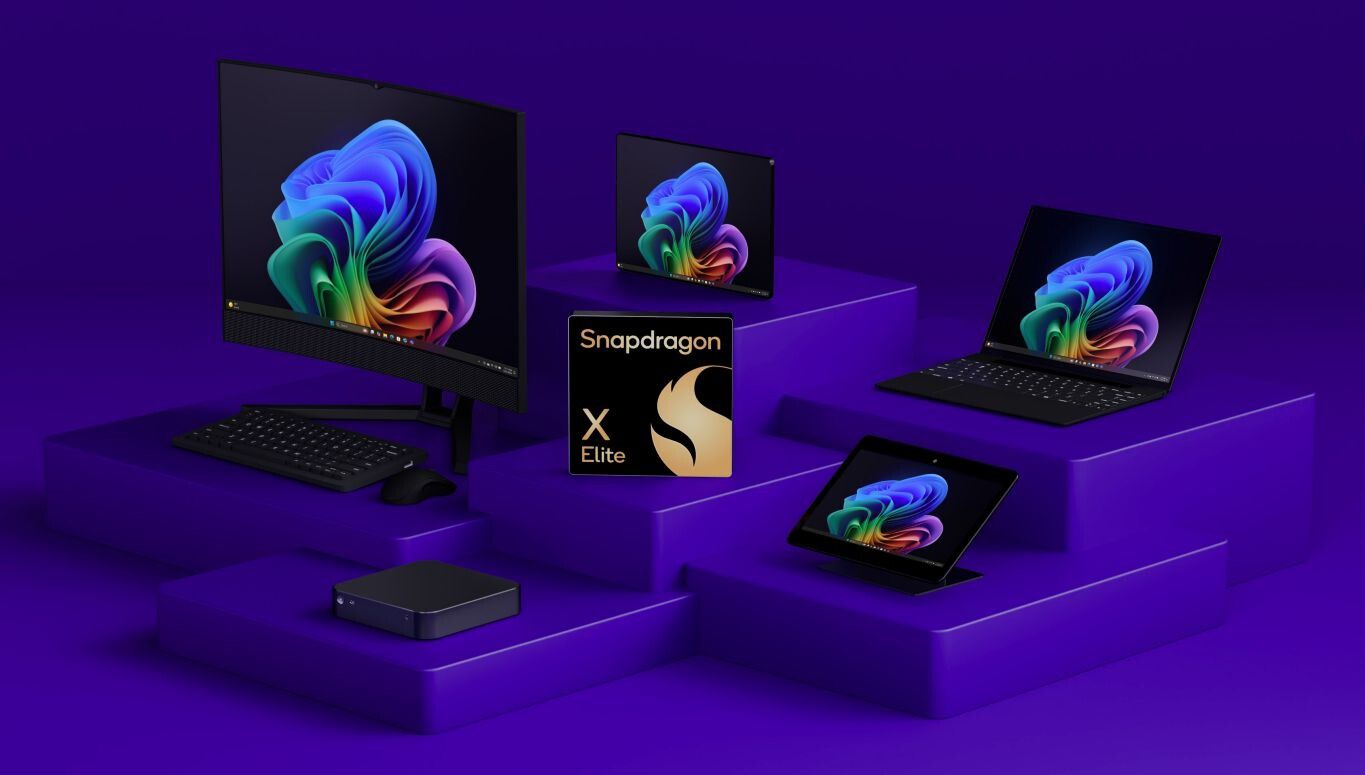
Qualcomm has teased its new Snapdragon X Elite chips for desktop PCs at Computex, hinting at potential new form factors beyond its current eight-inch dev kit.

OpenAI is hosting its first-ever developer conference, OpenAI DevDay, where developers will have the opportunity to interact with OpenAI experts and preview new AI tools. The conference will be livestreamed on OpenAI's YouTube channel. Expectations include announcements of significant updates focused on reducing costs for developers, introducing new vision capabilities, and refining GPT-4. These updates aim to encourage organizations to integrate OpenAI's technology into various applications.

While many fear that artificial intelligence (AI) will replace jobs, economists suggest that AI can complement human labor and lead to new job opportunities. AI tools can boost productivity and customer sentiment, and free up workers to focus on tasks that can't be automated. New technology has historically led to new jobs, and AI could potentially deliver "expertise on tap" in fields like healthcare, software development, law, and skilled repair. However, the impact of AI on jobs will depend on how technology makers design, business leaders use, and policymakers regulate AI tools. Making the right choices can create new types of jobs and reap productivity benefits, but the wrong choices can lead to widespread unemployment.
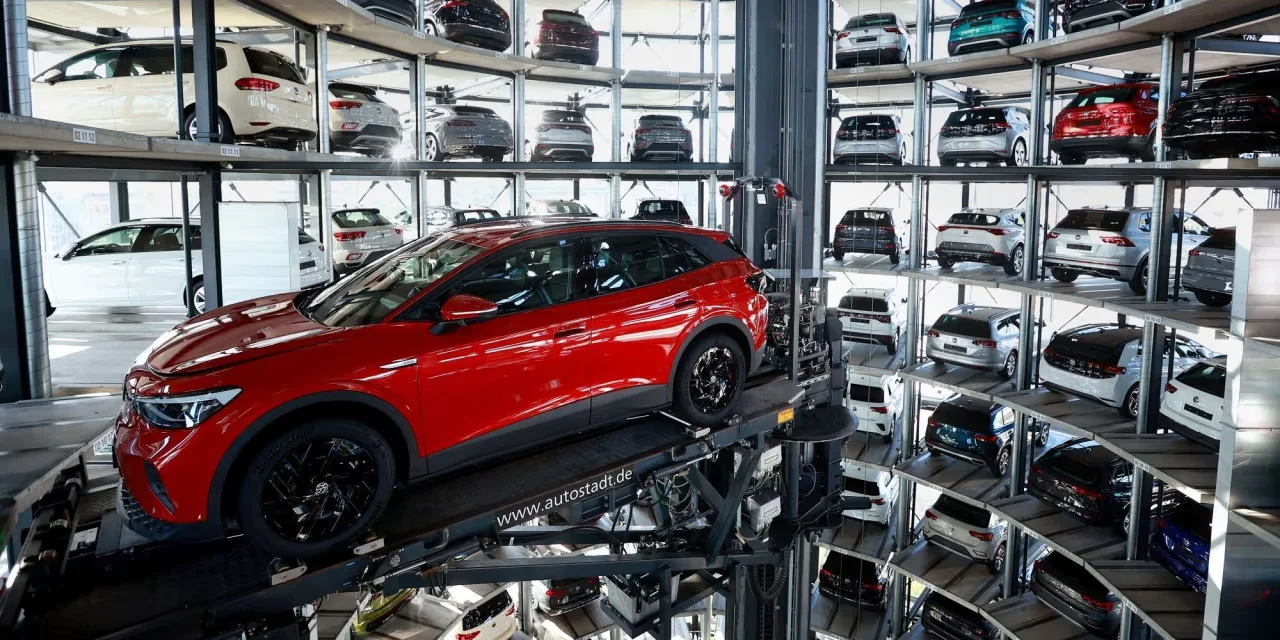
Volkswagen plans to invest almost $200 billion over the next five years in electric vehicles and new technology, as the company aims to become the world's largest EV manufacturer. The investment will focus on developing new EV models, expanding charging infrastructure, and investing in autonomous driving technology.