Apple's WWDC 2025 developer conference will be held from June 9 to June 13, featuring a keynote where the company is expected to unveil redesigned, cohesive operating systems across its devices, possibly renaming them to iOS 26, iPadOS 26, and more. The event will also showcase an AI-powered coding tool in partnership with Anthropic. The keynote can be watched live on Apple's event page or YouTube.
Google I/O 2024 is set for May 14th, featuring the potential launch of the Pixel 8a, updates on Android 15, and a focus on Google's AI advancements, with CEO Sundar Pichai expected to deliver the keynote address. The event will be live-streamed and open for free online registration, with hardware announcements and discussions on AI and Android developments anticipated.
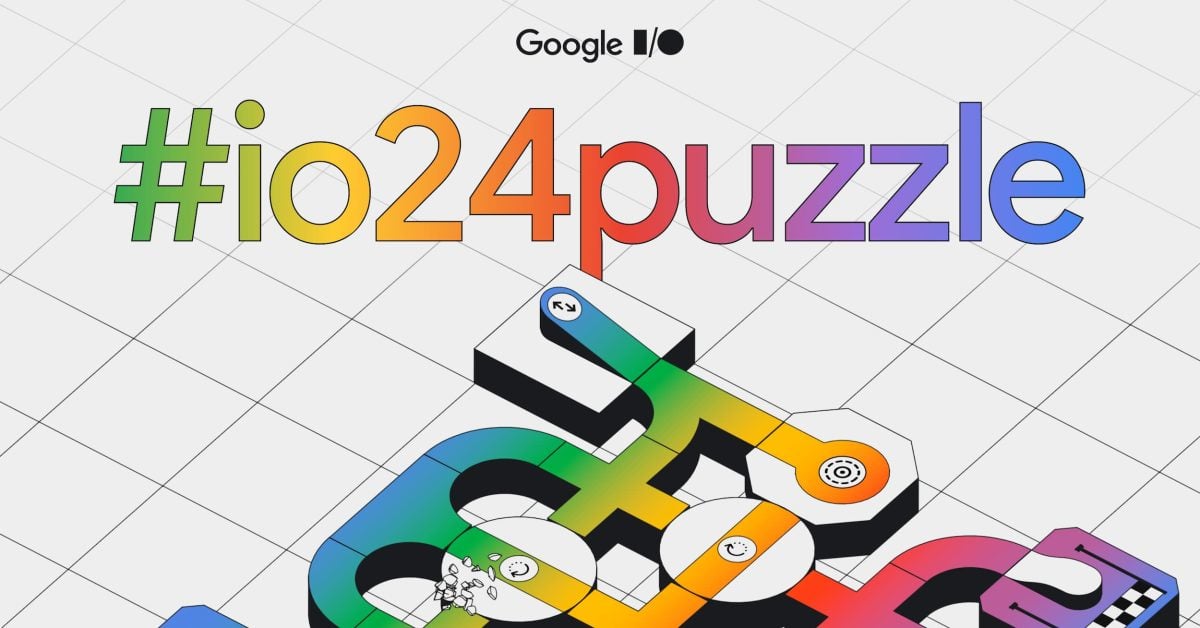
Google has launched a puzzle game to reveal the date for its upcoming developer conference, Google I/O 2024, where participants must complete 15 progressively difficult levels to unveil the event date. The game involves creating a path for a marble through an elaborate Rube Goldberg-esque machine, and as the community progresses, a progress bar will fill up to eventually release the conference date.
Laminar Research announced a new store to be integrated into X-Plane 12, offering customers a modern shopping experience within the simulator and on a website, with seamless installation and DRM options for developers. The store will feature product pages with descriptions, screenshots, and reviews, and will be tied to a new 'Laminar Identity' for personal logins and easy access to purchased products. Scheduled for release later in 2024, the store aims to streamline the purchasing and installation process for X-Plane users and developers.
OpenAI has announced the launch of a marketplace for personalized AI "apps" that perform real-world tasks, such as teaching math or designing stickers. The company aims to expand its consumer business and capitalize on the popularity of its ChatGPT platform, which now has 100 million weekly active users. OpenAI plans to launch a GPT Store where users can share their AI apps and earn money based on the number of users. The company also unveiled cost-cutting measures and new developer-focused updates, including a cheaper GPT-4 Turbo model and assistant APIs with vision and image capabilities. OpenAI wants to encourage more enterprises and developers to build models to rival competitors like Google and Microsoft.
OpenAI's ChatGPT has reached 100 million weekly users and over two million developers, with new features announced at the company's developer conference. OpenAI is introducing "GPTs," allowing users to create custom versions of ChatGPT for specific use cases without coding. The GPT Store will distribute these custom versions. OpenAI also unveiled "GPT-4 Turbo," offering an updated knowledge base and increased power at a lower cost for developers. The new "Assistants API" enables the integration of GPT's AI capabilities into apps.
OpenAI's ChatGPT has reached 100 million weekly active users, with over two million developers using the platform, including more than 92% of Fortune 500 companies. OpenAI also announced the release of GPT-4 Turbo, a more powerful and cost-effective version of its text-generating AI model. They introduced GPTs, allowing users to build their own conversational AI systems and publish them on the upcoming GPT Store. OpenAI's DALL-E 3 text-to-image model is now available via an API, and they are launching the Assistants API for developers to create agent-like experiences in their apps. Additionally, OpenAI is introducing a text-to-speech API with six preset voices and two generative AI model variants.
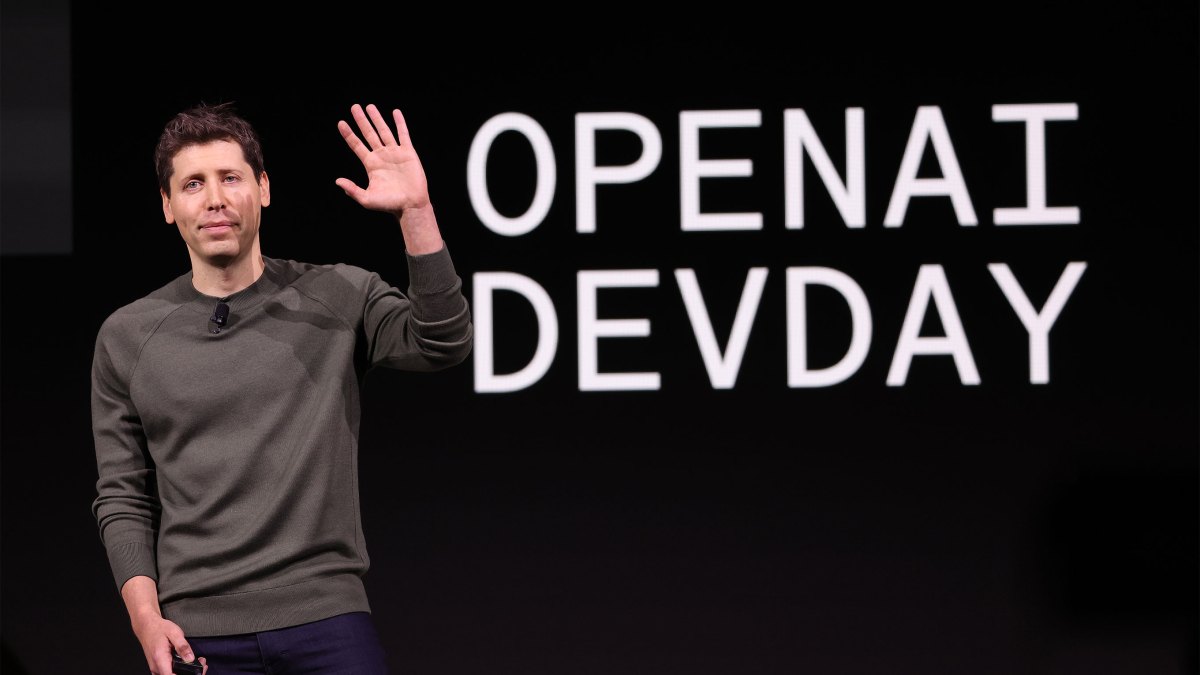
OpenAI is hosting its first-ever developer conference, OpenAI DevDay, where developers will have the opportunity to interact with OpenAI experts and preview new AI tools. The conference will be livestreamed on OpenAI's YouTube channel. Expectations include announcements of significant updates focused on reducing costs for developers, introducing new vision capabilities, and refining GPT-4. These updates aim to encourage organizations to integrate OpenAI's technology into various applications.
OpenAI's upcoming ChatGPT update, potentially using GPT-4, will include a custom chatbot creator with features like web browsing and data analysis. Leaked screenshots and videos show a GPT Builder option that allows users to enter prompts and configure their chatbot's language, tone, writing style, knowledgebase, and capabilities. OpenAI may also introduce a marketplace for users to share and browse chatbots. Additionally, there are rumors of an enterprise Team subscription plan with flexible and annual options, offering unlimited high-speed GPT-4 and extended context. OpenAI will preview these new tools at its developer conference.
OpenAI is set to unveil product enhancements at its first developer conference, aiming to make its AI models more affordable and powerful. The conference signifies OpenAI's transition from a consumer sensation to a developer platform provider. The event is attracting developers from around the world, highlighting the growing AI sector in San Francisco. OpenAI's updates are expected to focus on reducing costs for developers and introducing new vision capabilities, enabling software to analyze and describe images. The company may also announce the ability to fine-tune its most advanced AI model, GPT-4. These enhancements aim to make OpenAI indispensable for companies building AI-powered applications.
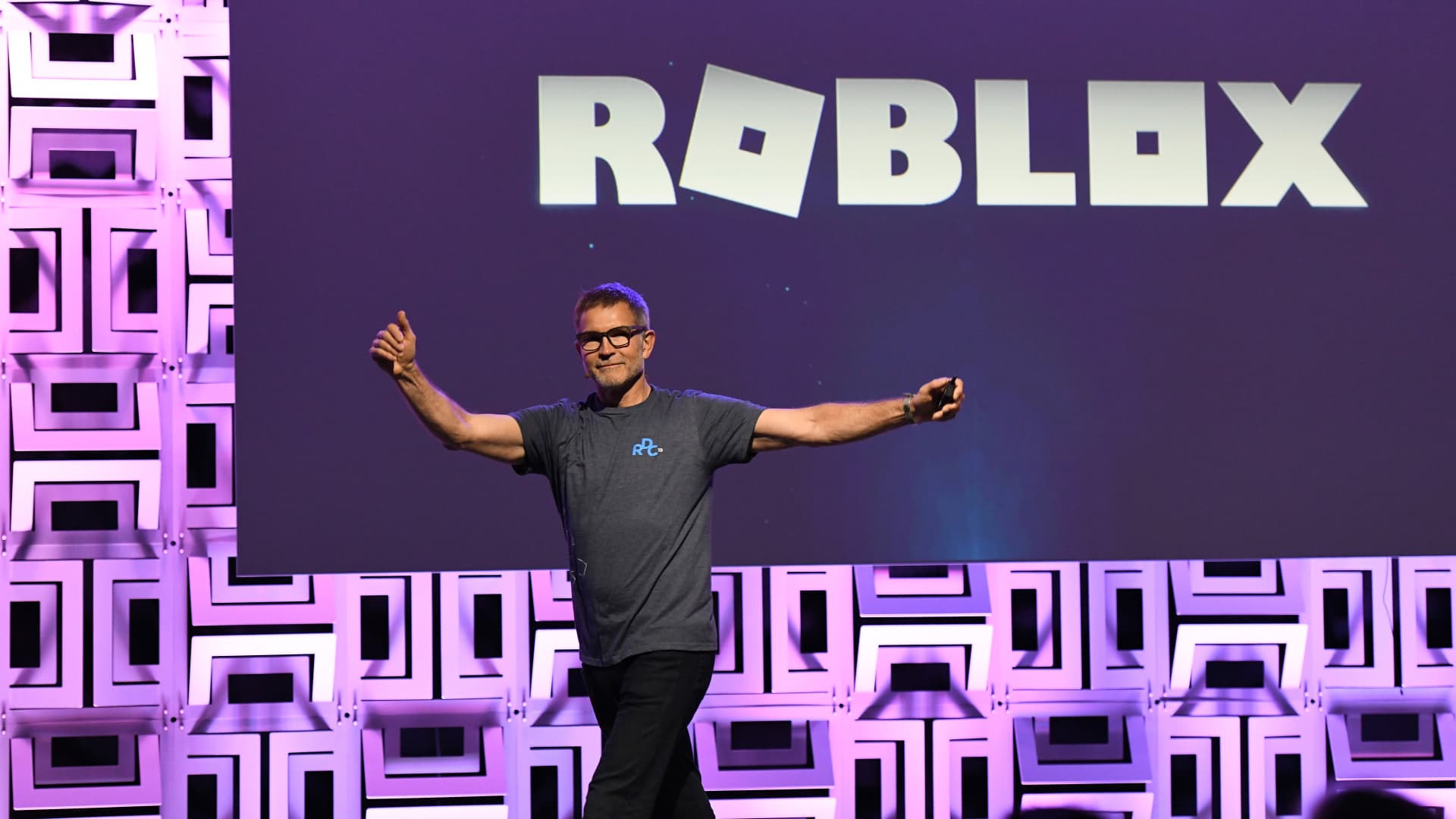
Roblox is expanding its revenue streams by allowing users to create and sell 3D virtual goods on its platform. Previously, users could only sell 2D items and had to go through an approval process. By opening up the marketplace to everyone, Roblox aims to increase engagement and attract more users. The company's revenue growth has slowed recently, prompting this move. Additionally, Roblox is introducing new coding tools and subscription-based services for developers, as well as a digital assistant to facilitate content creation. The app will also be available on Meta Quest and Sony PlayStation devices.
OpenAI will host its first developer conference, called OpenAI DevDay, on November 6. The event will feature a keynote address and breakout sessions led by OpenAI's technical staff, where they will preview new tools and exchange ideas. While details about GPT-5 are unlikely to be revealed, attendees may learn more about OpenAI's plans for Global Illumination and the availability of GPT-4's image understanding capabilities. The conference will also address concerns about misinformative AI-generated content and may introduce new techniques for watermarking. OpenAI's developer community, which includes over 2 million developers, justifies the need for this event. Parts of the conference will be streamed online, and registration will open soon. OpenAI is seeking commercial success and profitability amid increasing competition and rising AI hardware costs.
Microsoft's Build developer conference is set to take place from May 23rd to May 25th, with both in-person and virtual attendance options available. The conference will focus on software and services, with a heavy emphasis on AI. Microsoft has been incorporating generative AI into many of its products and services, including Bing, Edge, GitHub, and Office. Attendees can expect to hear major updates on Windows and Microsoft's suite of productivity apps.
Google's I/O keynote this year was almost entirely centered on AI, with Android 14 barely earning a mention on stage. This is a major shift from previous years, where the next Android version commanded a dedicated segment in the keynote highlighting new features. However, Google has implemented ways for Android devices to receive updates outside of a once-a-year platform upgrade, which means fewer features getting built into big-numbered versions of the OS. Android 14 has been in beta for a while now, with updates that are classified as nice-to-haves. The smartphone market has achieved a kind of maturity that means year-over-year upgrades are less exciting than they once were.
Google employees praised the company's engineers for their work on AI technology showcased at the annual developer conference, while poking fun at executives who they felt were more focused on cost-cutting and stock buybacks. The event featured updates to Google's AI-powered search and chatbot technology, including a new large language model called PaLM 2. The company has been under pressure to compete in the generative AI market since the release of Open AI's ChatGPT. Alphabet's shares rose 11% for the week following the conference.