ASUS aims to increase its presence in the business PC market by offering robust, upgradeable computers with free on-device AI tools like ExpertMeet and AI Search, targeting small-to-medium businesses eager to explore AI's productivity benefits without subscription costs. The company plans to bundle these AI features with new AMD-powered PCs, while also maintaining traditional security and upgrade features to appeal to larger buyers. Despite high interest in AI, ASUS recognizes that many businesses are unsure how to utilize it effectively.

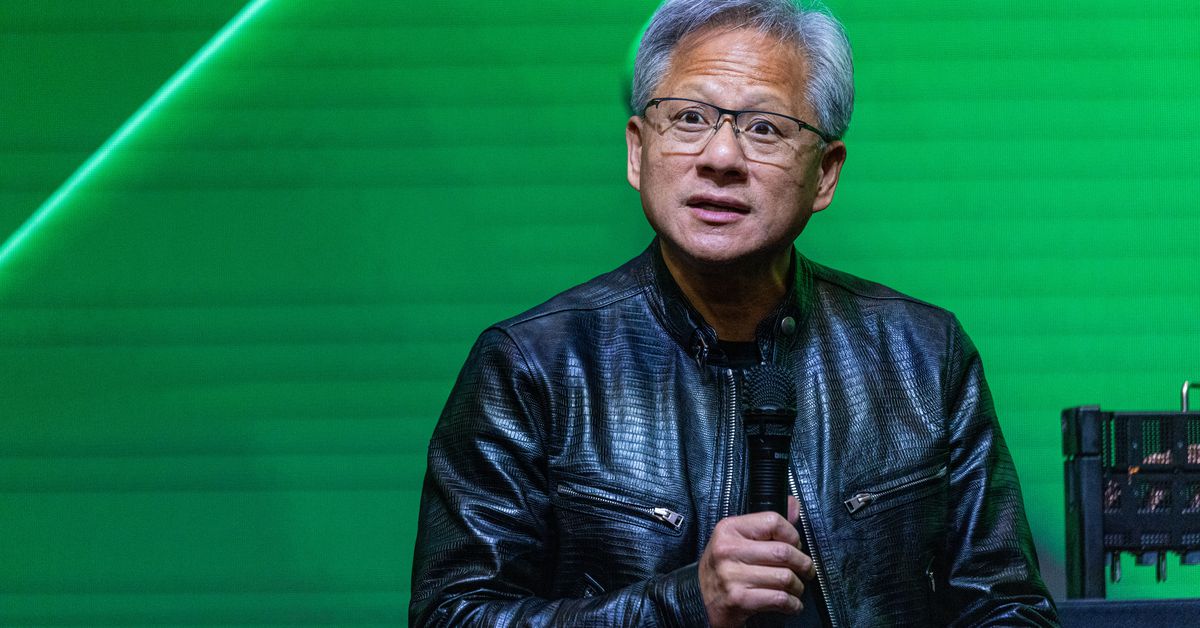
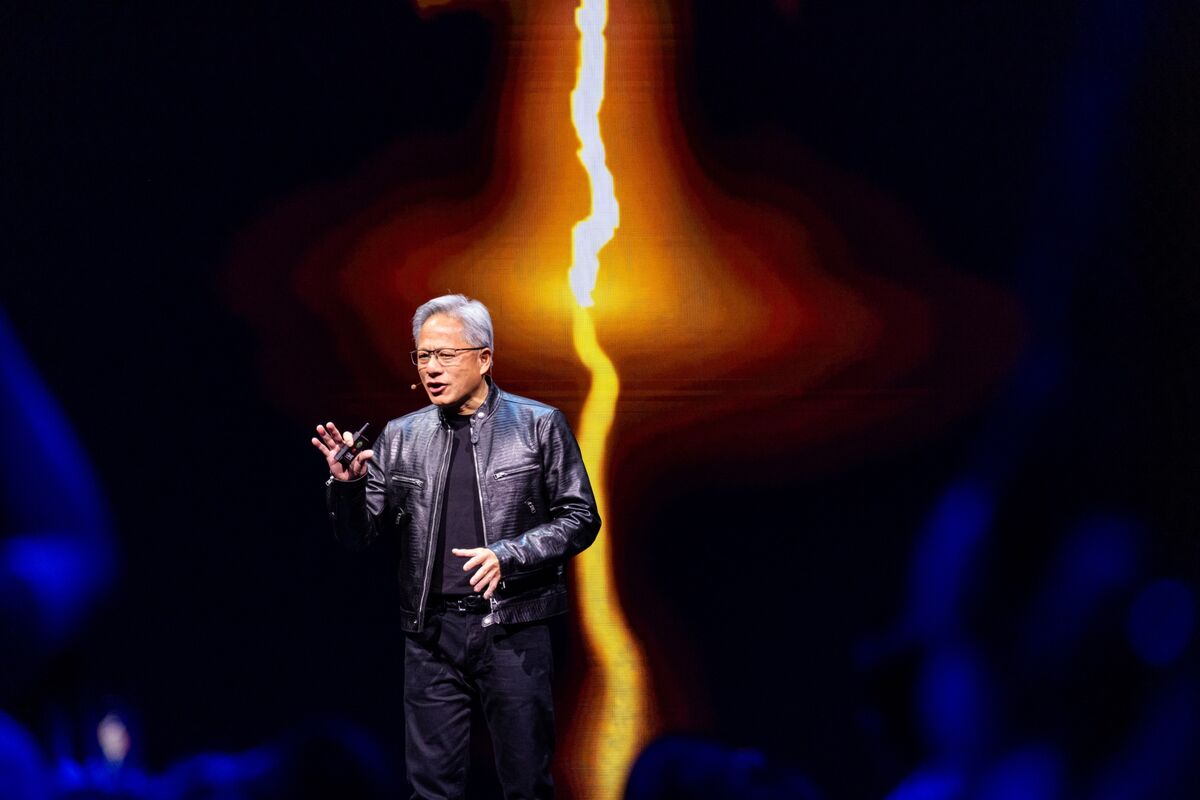
Nvidia CEO Jensen Huang has become a sensation in Taiwan, where his every move is closely followed by media and fans. Dubbed "Jensanity," his popularity has surged during his visit to the COMPUTEX tech trade fair, where he has been mobbed by admirers and featured in numerous social media posts. Huang, who was born in Taiwan, has expressed gratitude for the warm reception and hinted at potential future investments in the region.
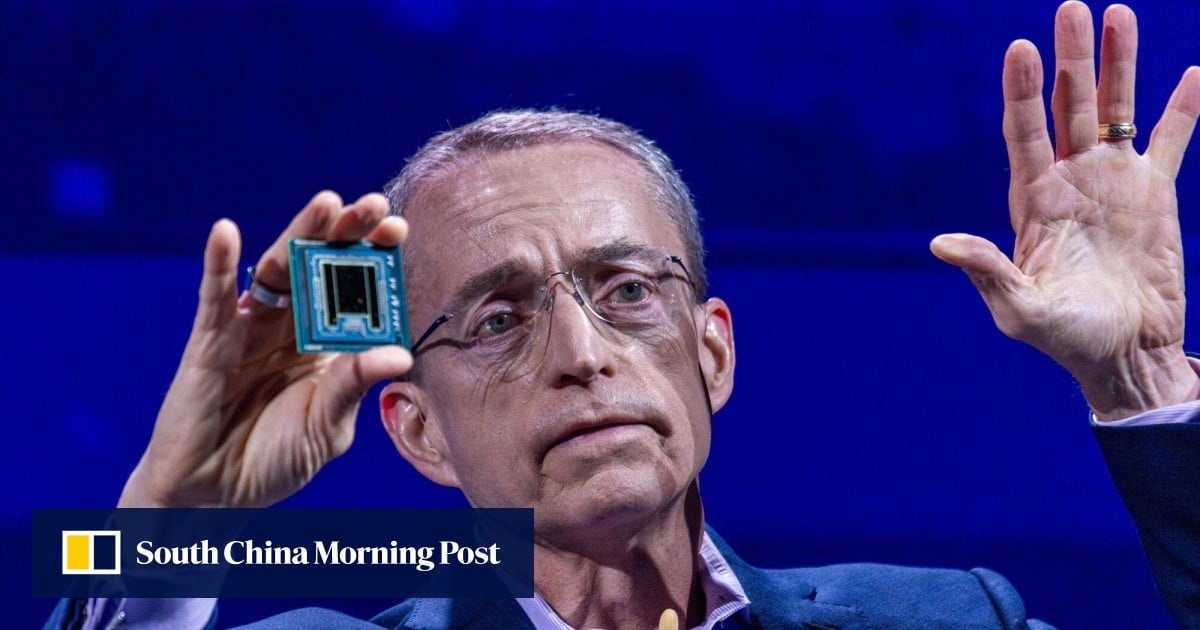
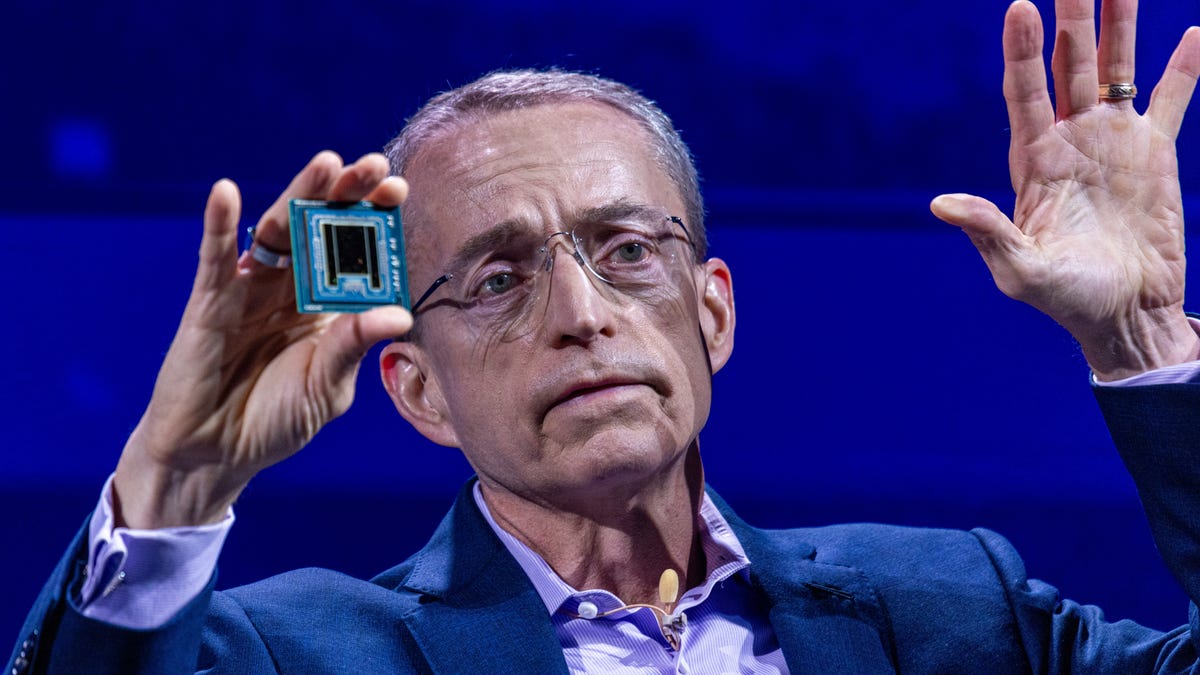
Intel CEO Pat Gelsinger responded to Nvidia CEO Jensen Huang's claim that Intel's processors are outdated for the AI era by showcasing new Xeon 6 data-center processors and Gaudi systems at Computex. Gelsinger emphasized Intel's ongoing relevance and advancements in AI, despite Nvidia's current lead in data-center AI processing. Intel aims to reclaim its leadership in chip design and manufacturing, although it faces significant revenue challenges compared to Nvidia and AMD.
Nvidia CEO Jensen Huang signed a woman's chest at Computex, highlighting his cultivated "cool" image, which contrasts with other tech CEOs like Tim Cook and Sundar Pichai. This incident underscores Nvidia's rising prominence due to the AI boom.
Intel has unveiled its new Xeon 6 processor and Gaudi 3 AI accelerator at COMPUTEX, aiming to challenge Nvidia's dominance in the AI chip market. The new chips promise better performance, power efficiency, and lower costs for high-density workloads in data centers. Intel's CEO Pat Gelsinger emphasized the company's commitment to providing high-performance, cost-effective AI solutions and maintaining Moore's Law, despite Nvidia's claims to the contrary. Intel also revealed details about its upcoming Lunar Lake processors, set to ship in the third quarter of this year.
Intel CEO Pat Gelsinger, at the Computex show in Taiwan, unveiled new products including the Xeon 6 data center processors and Gaudi systems aimed at reclaiming market share from AI leader Nvidia. Gelsinger emphasized Intel's role in the AI revolution, countering Nvidia CEO Jensen Huang's claims about traditional processors. Despite Intel's efforts, analysts remain cautious about a rapid rebound in its revenue, while Nvidia and AMD continue to capitalize on the AI hardware boom.
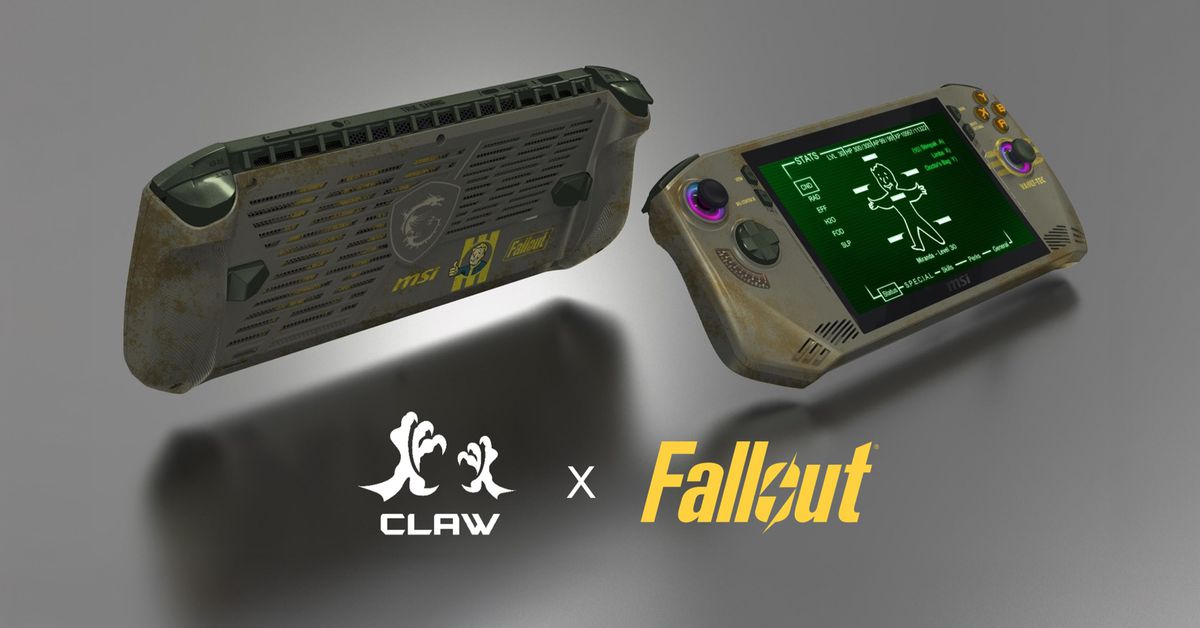
MSI has announced the Claw 8 AI Plus, a new gaming handheld PC featuring Intel's Lunar Lake chips, an eight-inch 120Hz screen, and an 80Wh battery, matching the Asus ROG Ally X. The device also includes a second USB-C port with Thunderbolt 4 and improved button feel. More details are expected at Computex.
At the Computex conference, Nvidia and AMD made significant product announcements, with Nvidia revealing its next-generation "Rubin" chip platform and AMD launching a new AI processor. Analyst John Vinh notes Nvidia's shift to integrated server systems and predicts substantial performance improvements for Rubin. Despite Nvidia's dominance, AMD's CEO Lisa Su is seen as a credible competitor, leveraging a strong track record and customer base. The market is eager for a second source to Nvidia's AI chips, which command high margins.
Nvidia and AMD showcased their latest AI chips at Computex, highlighting their rivalry in the AI sector. Nvidia's CEO Jensen Huang emphasized the company's dominance and teased a future chip named Rubin, while AMD's CEO Lisa Su focused on collaboration and new AI-enhanced laptops. Both companies aim to lead in AI development, with Nvidia pushing proprietary systems and AMD promoting open standards.
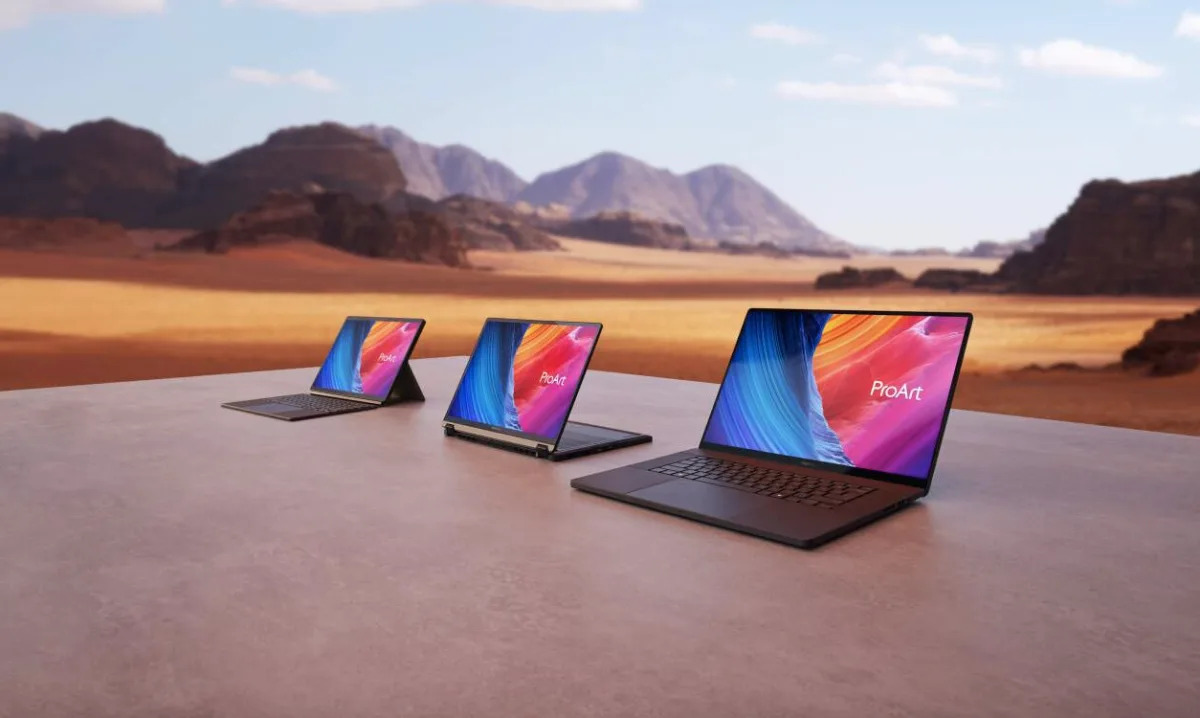
ASUS unveiled three new ProArt laptops at Computex, featuring advanced AI capabilities and improved portability. The ProArt 16 offers a 4K OLED display and powerful specs, including an AMD Ryzen AI 9 HX 370 processor and Nvidia GeForce RTX 4070 GPU. The ProArt PX13 is a 2-in-1 hybrid with a 2.8K OLED touch display, while the ProArt PZ13 is an ultraportable convertible tablet with a Qualcomm Snapdragon Plus processor. Pre-orders are available for the ProArt 16 and PX13, with the PZ13 arriving in Q3 2024.
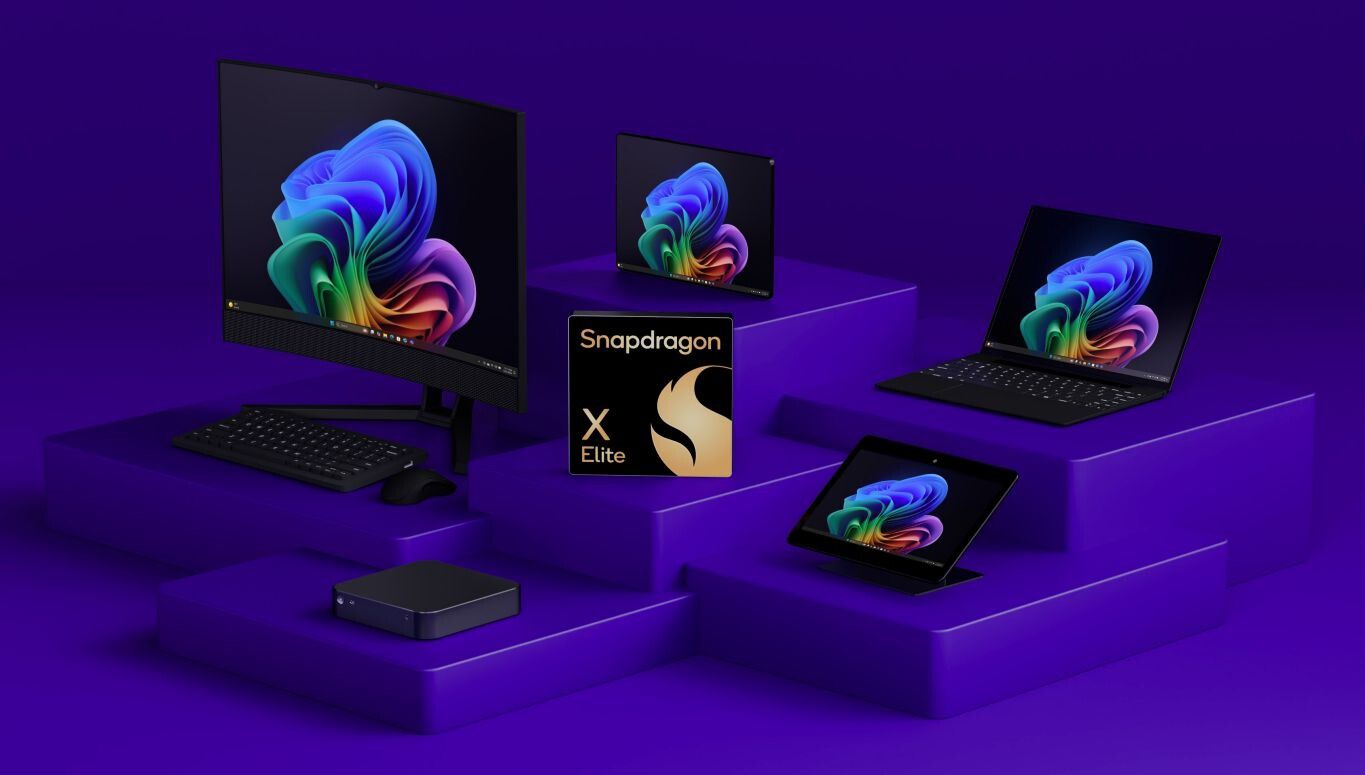
Qualcomm has teased its new Snapdragon X Elite chips for desktop PCs at Computex, hinting at potential new form factors beyond its current eight-inch dev kit.
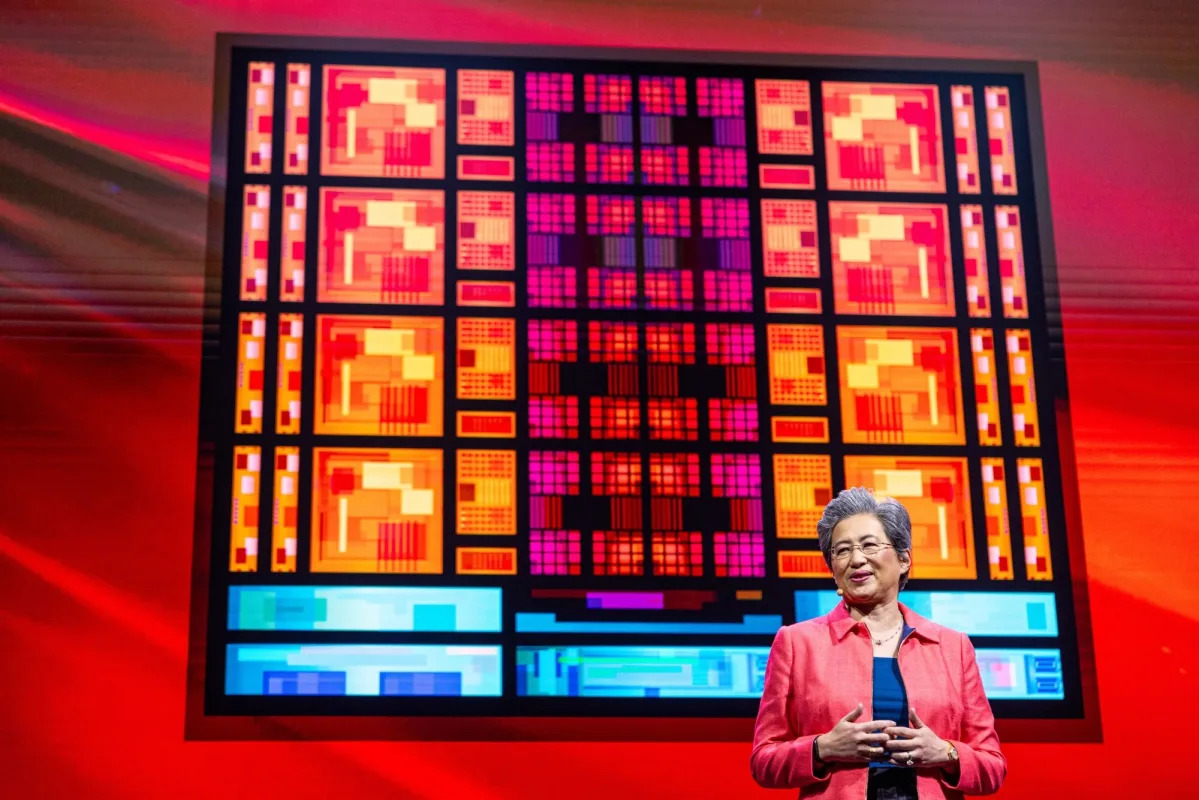
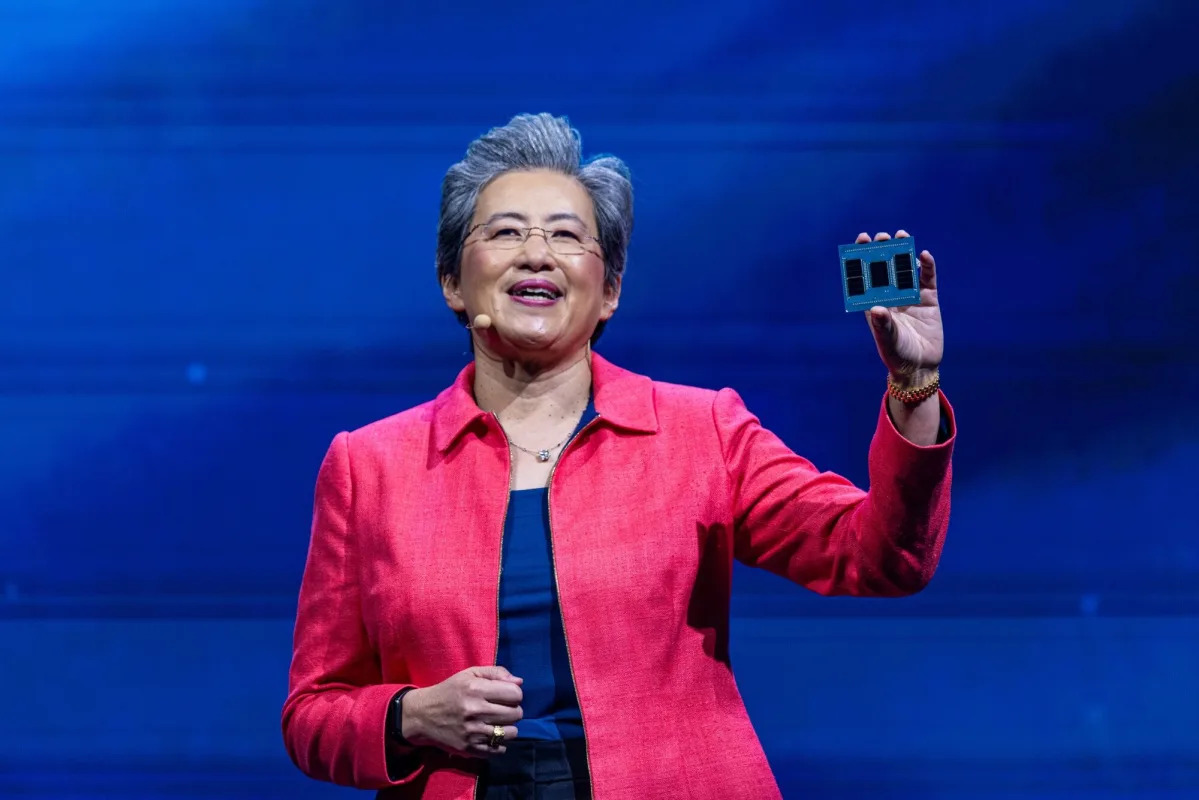
AMD has unveiled its latest AI processors, including the MI325X accelerator and upcoming MI350 and MI400 series, at the Computex trade show in Taipei. The company aims to challenge Nvidia's dominance in the AI semiconductor market by releasing new chips annually. AMD's CEO Lisa Su emphasized AI as the company's top priority, with expectations of significant performance improvements in future chip generations. Despite AMD's advancements, Nvidia's shares rose by over 3% while AMD's remained flat.
Nvidia CEO Jensen Huang announced the development of the next-generation Rubin AI platform for 2026, following the Blackwell Ultra chip set for 2025. The company aims to upgrade its AI accelerators annually and expand its customer base beyond cloud-computing giants. Nvidia also introduced new tools and software models at the Computex trade show, emphasizing the importance of accelerated computing to handle growing data processing demands.
Nvidia CEO Jensen Huang announced plans to upgrade AI accelerators annually, revealing the Blackwell Ultra chip for 2025 and the Rubin platform for 2026. The company also introduced new AI tools and software models at Computex, emphasizing the transformative impact of generative AI on personal computing.
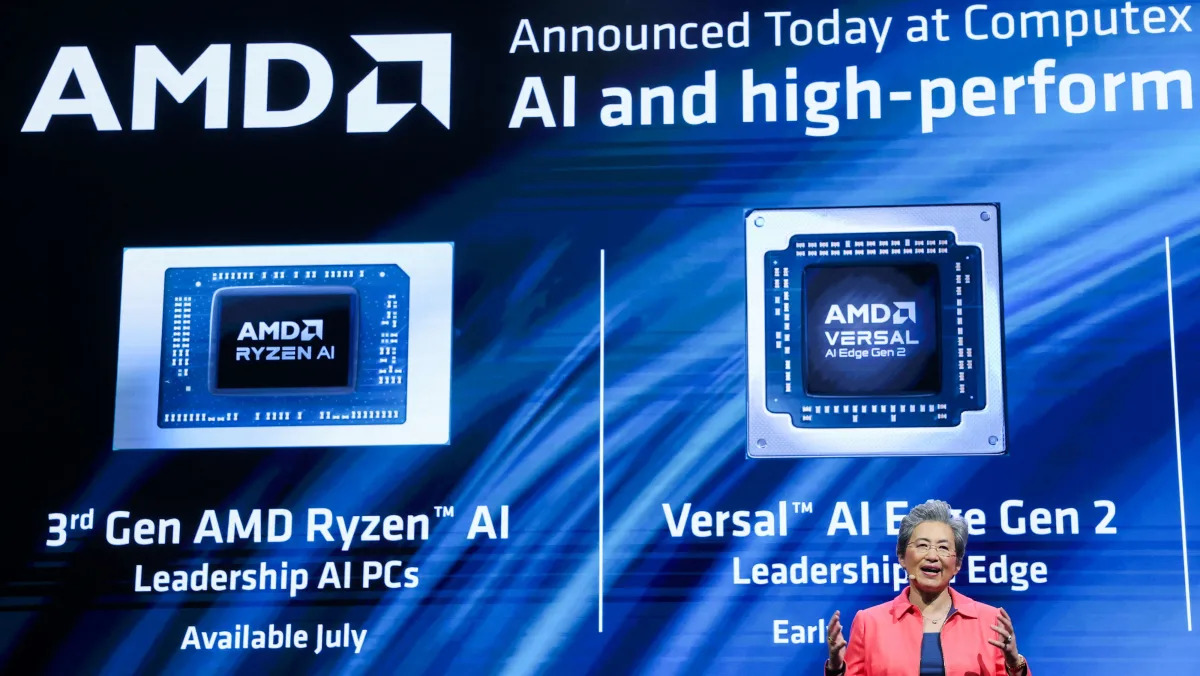
AMD is accelerating the release of new AI processors to compete with Nvidia, announcing the MI325X for Q4 2024, followed by MI350 in 2025 and MI400 in 2026. The company aims to increase its AI accelerator sales to $4 billion this year. AMD also introduced third-generation Ryzen AI processors for laptops, claiming superior performance over Qualcomm's Snapdragon X Elite. Additionally, AMD unveiled new gaming processors, including the Ryzen 9 9950X, touted as the fastest consumer CPU.