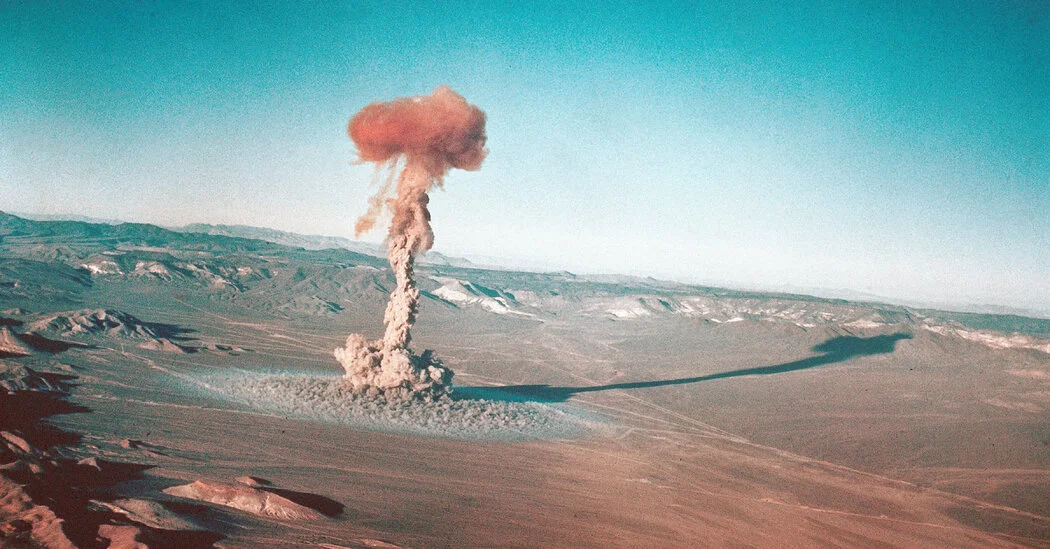
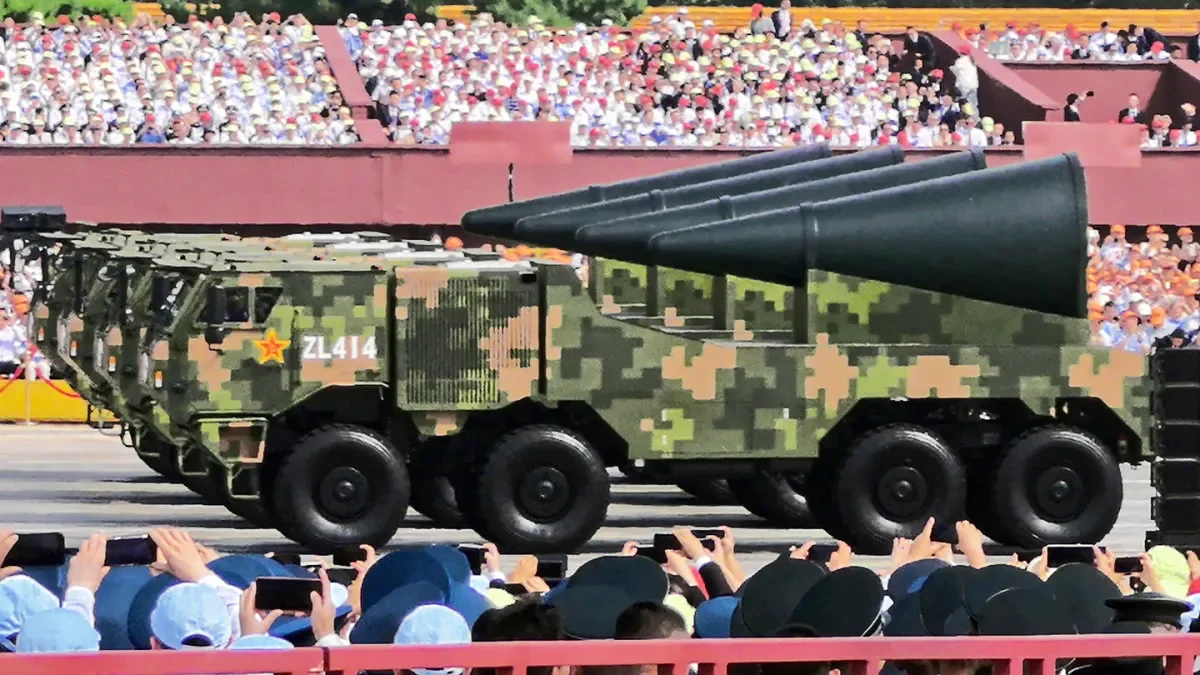
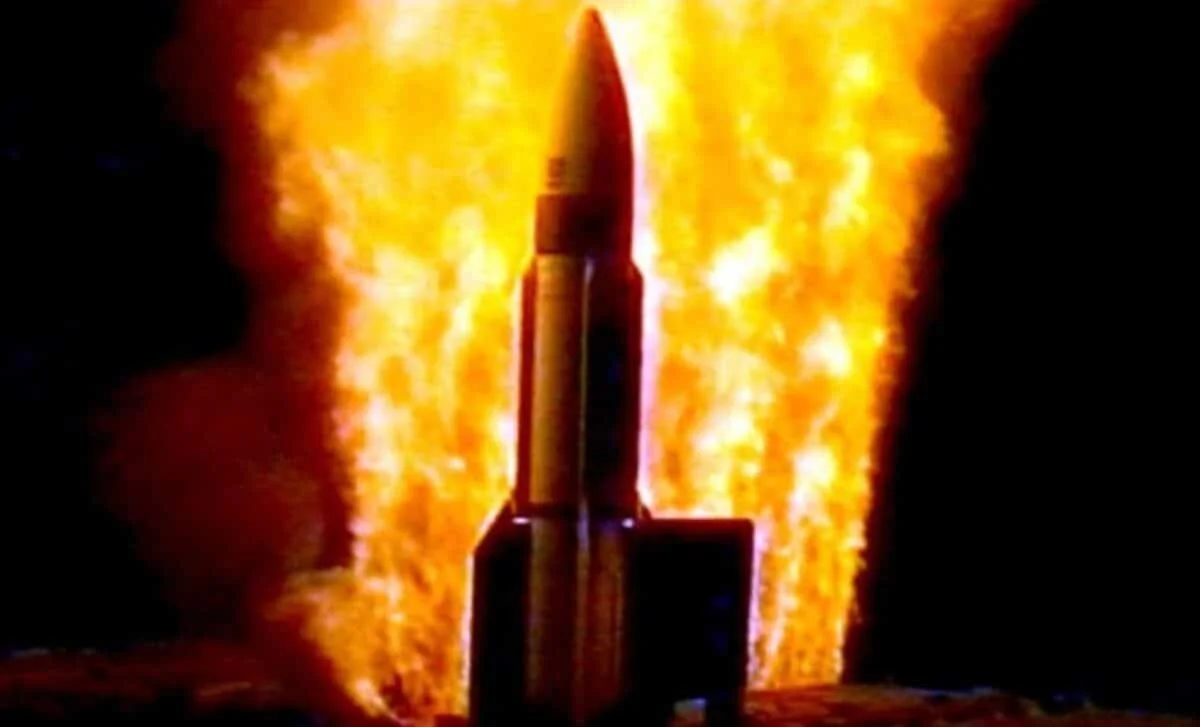
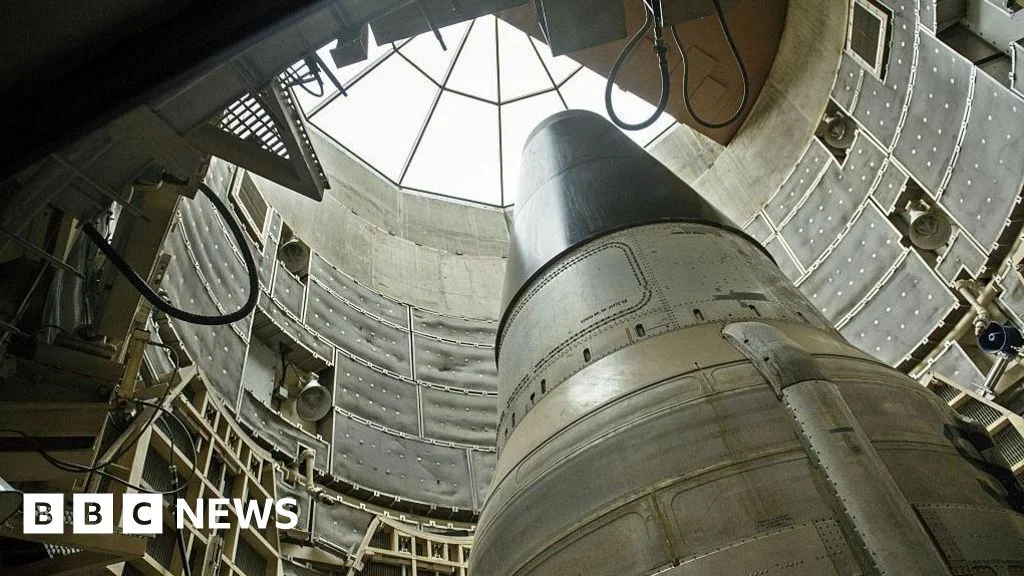
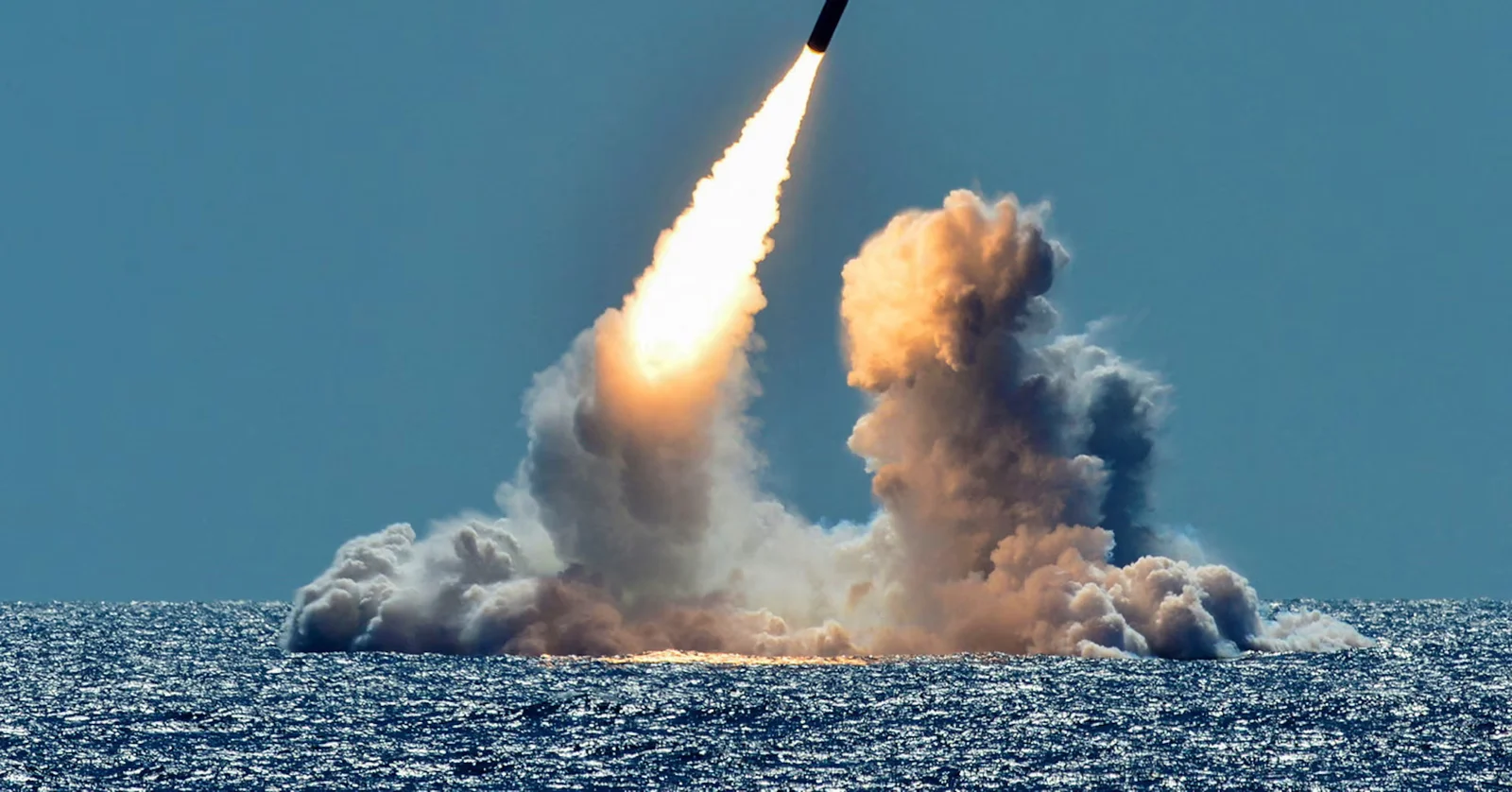
With the New START treaty expired, the Trump administration is weighing expanding the U.S. nuclear arsenal and potentially resuming underground tests, including increasing missile loadouts on Ohio-class submarines, a move that could spur a new arms race or pressure Russia and China toward a fresh treaty, though specifics remain unclear.
The United States accuses China of conducting at least one yield-producing nuclear test despite a moratorium, prompting renewed calls for a China-inclusive arms-control framework as New START expires, with CTBT monitoring details and questions about U.S. potential testing on the table.
Russia warns of military and technical countermeasures if the United States deploys the planned Golden Dome missile-defense system in Greenland, arguing the move destabilizes the strategic balance as the New START treaty expires. The situation ties Arctic security to broader deterrence dynamics, while the U.S. touts a layered defense architecture with space-based sensors and interceptors; Denmark and NATO-aligned partners remain cautious and no deployment or formal agreements have been confirmed.
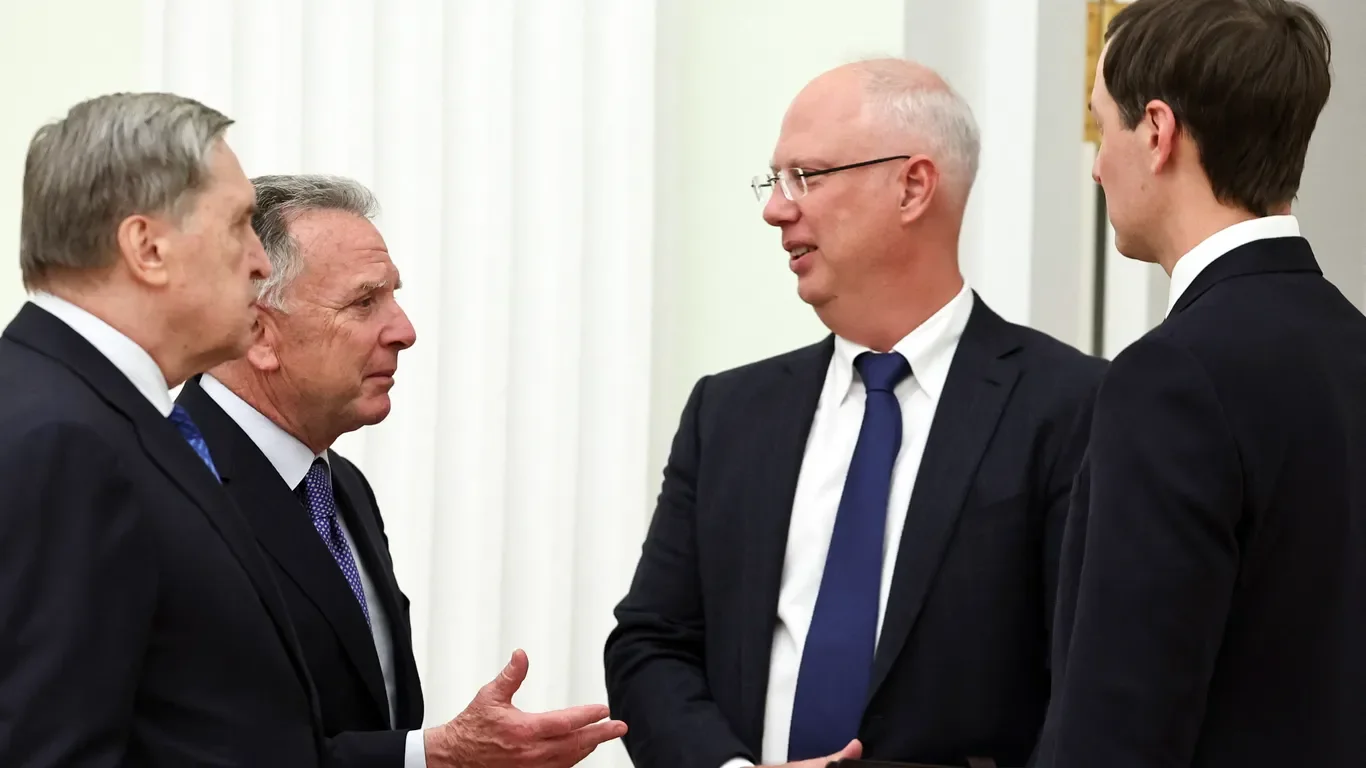
Trilateral talks among the US, Ukraine, and Russia continued in Abu Dhabi on February 5, with Kyiv calling the discussions constructive as Moscow resists Western security guarantees and presses for Ukrainian neutrality to shape a pro‑Russian outcome. ISW notes Moscow is crafting new narratives to deter Western guarantees and to push back on minority-rights concessions tied to peace plans, while discussions on extending New START surface with backchannel talks about a six-month extension. On the wartime side, Ukraine reportedly struck Kapustin Yar with Flamingo missiles, while Starlink terminals are expanding Ukrainian battlefield communications; a 314-person POW/exchange was mediated by the US and UAE. Putin framed 2026 as the Year of the Unity of the Peoples of Russia, even as fighting persists across Kharkiv, Donetsk, Zaporizhzhia, and Kherson fronts with mixed claims of advances. ISW maintains that Russia seeks a neutral or puppet Ukraine and remains opposed to Western security guarantees, signaling ongoing tension and limited near-term prospects for a diplomatic breakthrough.
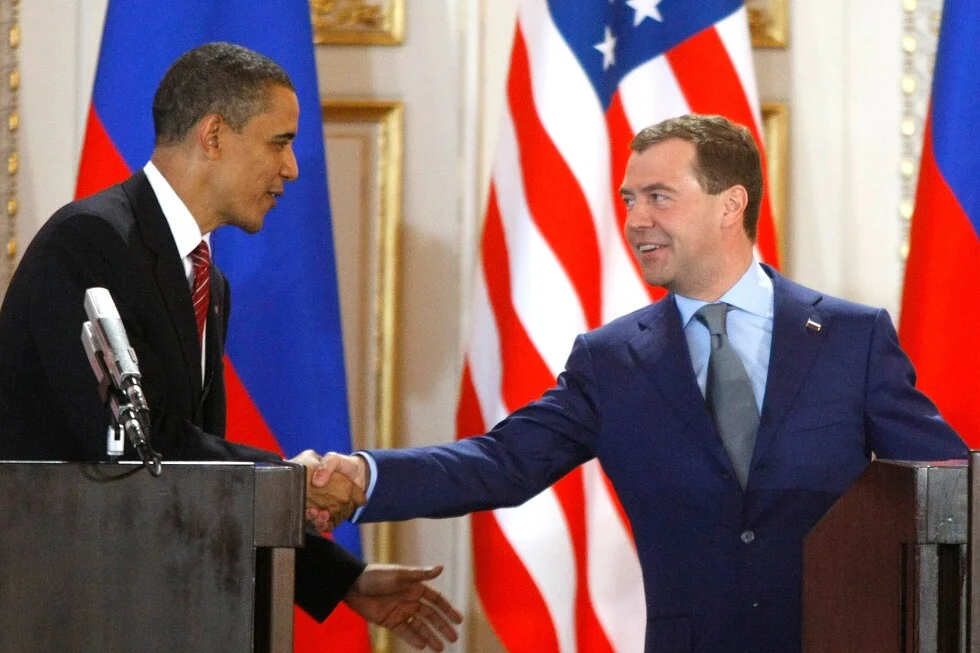
Trump announced on Truth Social that he will let the New START nuclear-arms control treaty expire and push for a new, modernized pact that could include China. With New START—the last cap on U.S. and Russian arsenals—expired, the administration is weighing a future framework; Russia has floated a one-year stopgap without inspections, and the Pentagon has been weighing post‑New START options, though Moscow’s demands to include Britain and France and China’s unclear stance complicate prospects for a quick deal.
The United States and Russia are close to a draft plan to extend the New START nuclear pact beyond its expiration, with leaders expected to approve it; the extension would be a non-formal, six-month arrangement to observe treaty limits while negotiations on a longer-term agreement continue, preserving caps on strategic warheads and ongoing transparency. Talks occurred in Abu Dhabi alongside a resumption of military dialogue, but China’s exclusion from any future pact remains a key complicating factor.
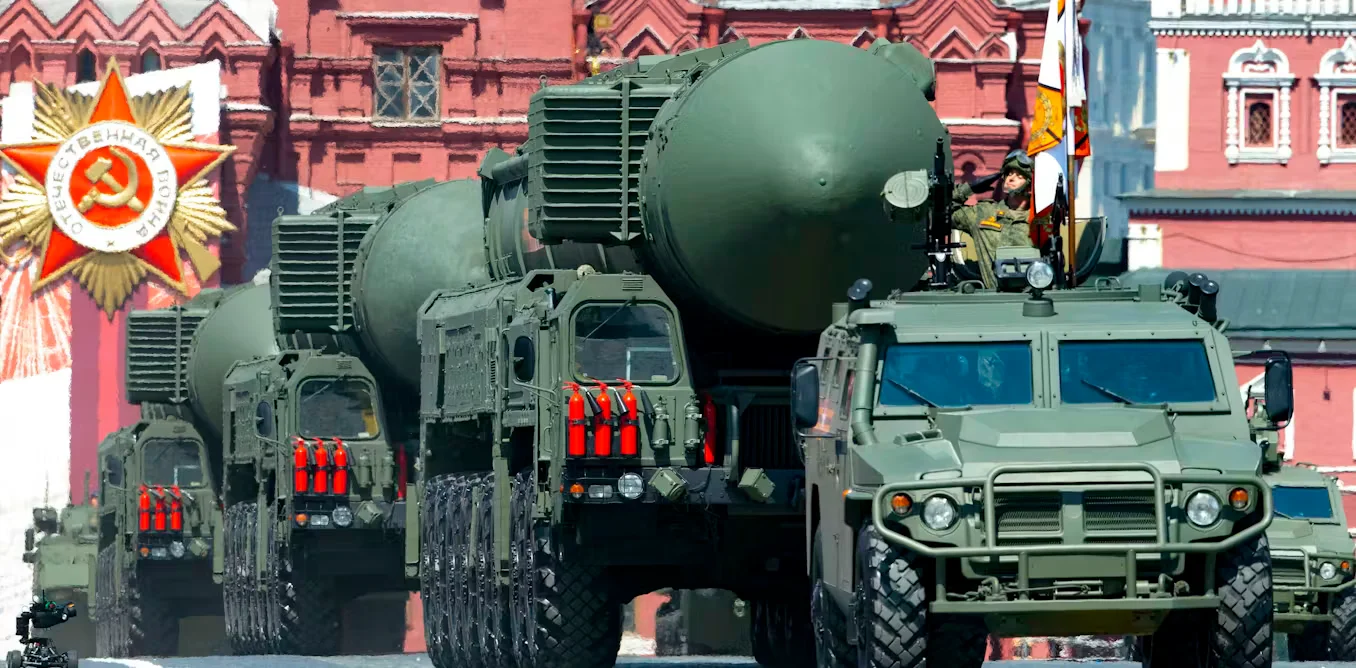
The expiration of the New START treaty leaves the United States and Russia without formal caps on deployed nuclear warheads, missiles, and launchers for the first time in decades, triggering fears of a faster, less predictable buildup and potential three-way competition with China; experts clash over the value of extending the limits vs pursuing a broader trilateral deal, with concerns about miscalculation and risk to allies if no interim arrangement is put in place.
New START's expiry ends formal caps and inspections on US/Russia nuclear arsenals, lifting transparency and increasing the risk of nuclear confrontation without a follow-on treaty. Experts warn of long-term consequences amid geopolitical strains (Ukraine war, COVID-era pauses) and debates over China, while public support for negotiating a new deal remains high (about 91% in a poll).
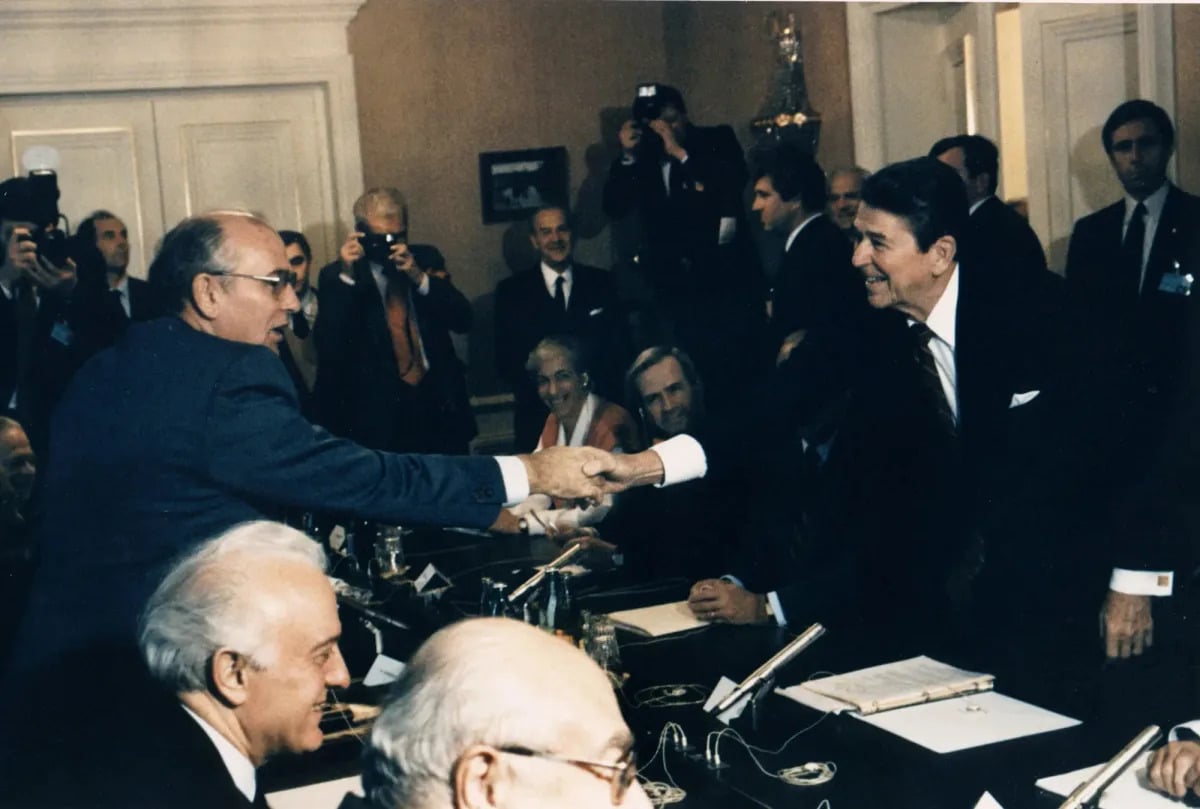
With the expiry of the New START treaty, experts worry about a renewed US-Russia arms race as both powers modernize arsenals and long-standing arms-control structures fray; global leaders, including Pope Francis, have urged renewal, while talks about broader deals—potentially involving China and other nuclear powers—remain unsettled.
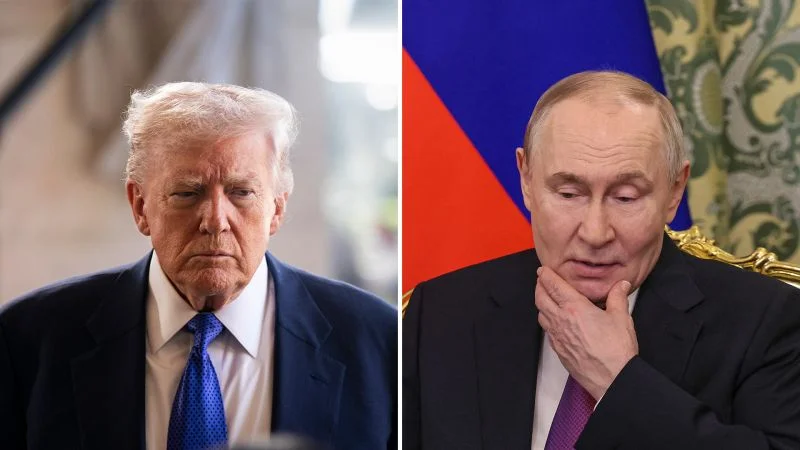
With the New START treaty expiring, the U.S. and Russia would no longer be bound by caps on deployed nuclear arsenals, raising fears of an unconstrained arms race that could pull China into a growing strategic competition. Putin has signaled willingness to extend limits for a year if Washington does the same, but Trump has not committed, prompting experts to warn of destabilization and increased global risk unless a successor agreement is reached.
As the New START treaty nears expiration, the U.S. and Russia potentially face a renewed nuclear competition, with Moscow signaling renewal offers but Washington delaying a formal response. The lapse would leave the two largest arsenals without a current arms-control framework, while China and Russia expand capabilities. Pentagon planners are preparing for a post–New START world, and some lawmakers push for new limits or a replacement pact, though verification and inspections remain unresolved amid political hurdles and evolving European security conversations.
New START, the last US‑Russia nuclear-arms restraint, lapses on Feb 4 with no extension talks underway. Its verification and data-exchange mechanisms would end, potentially enabling larger deployed arsenals on both sides and raising the risk of a renewed arms race; with no immediate successor treaty and trilateral talks with China unlikely, there is a push for a verifiable, multilateral disarmament framework to curb risks.
As the New START treaty nears its February 5 expiry, the US and Russia risk an unrestrained nuclear arms race unless they extend or replace limits; Putin has proposed a one-year extension, but Trump hasn’t committed, and China’s growing arsenal adds urgency while U.S. debate splits over how to respond and modernize forces.
Russia has signed a law revoking its ratification of the Comprehensive Nuclear-Test-Ban Treaty (CTBT), a global treaty banning nuclear testing. While the United States signed the treaty in 1996, it has never been ratified. Russia's move, although mostly symbolic, adds to the recent sense of menace fostered by President Putin and other hard-line Kremlin officials. The New START treaty is now the only significant nuclear weapons pact between Russia and the United States that remains in place. The CTBT aimed to ban all nuclear tests, but its effectiveness has been limited due to key countries, including the United States, not ratifying it.
Russia has stated that it will not return to the New Strategic Arms Reduction Treaty (START) unless the United States changes its "fundamentally hostile policy" towards Moscow. Russian Deputy Foreign Minister Sergey Ryabkov confirmed that conversations between the two countries regarding New START have occurred, but Russia is no longer in contact with the White House about the treaty. Ryabkov added that the suspension of New START remains in effect and may only be revoked if the US demonstrates a willingness to abandon its hostile policy towards Russia.