Tag

Neural Circuitry

All articles tagged with #neural circuitry

neuroscience1 year ago

"Revolutionizing Brain Mapping: Using Novel Rabies Viral Vectors"

Researchers at the University of California, Irvine have developed 20 novel recombinant rabies viral vectors that offer enhanced capabilities for neural circuit mapping, particularly in aging and Alzheimer’s disease studies. These vectors can detect microstructural changes in brain neurons and target specific components of neuron biology, aiding in the analysis of pathological changes in brain diseases. The research team plans to make these innovative tools available to the neuroscience community through UCI’s Center for Neural Circuit Mapping, opening new pathways for targeted treatment strategies.
neuroscience2 years ago

"Link Between Movement and Emotions: The Brain's Dual Role Unveiled"

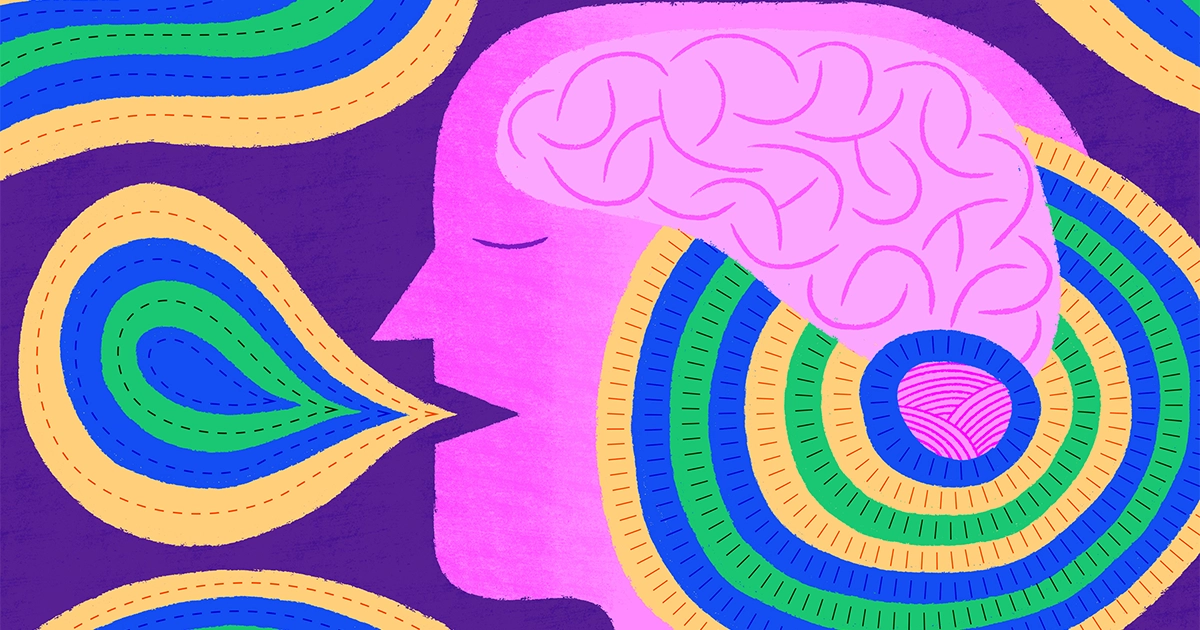
The cerebellum, long believed to solely control movement, is now being recognized for its role in regulating complex behaviors, social interactions, emotions, and more. Recent research using new experimental techniques has revealed the cerebellum's extensive neural circuitry and its connections to various brain regions involved in higher cognitive functions. These findings suggest that the cerebellum acts as a data-crunching hub, influencing not only movement but also complex mental processes and behaviors, shedding new light on its role as a "little brain."

neuroscience2 years ago

Unveiling the Neural Circuitry Behind Maternal Response to Infant Cries

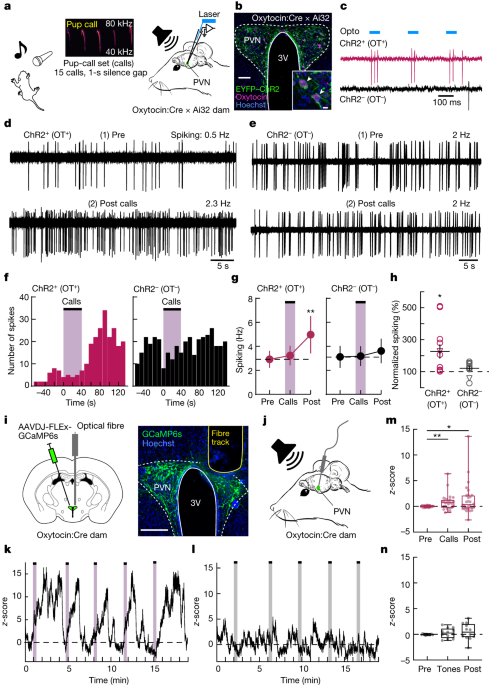
Researchers have identified the neural circuitry involved in the release of oxytocin, a hormone associated with maternal behavior, in response to infant cries. Using fiber photometry, the study found that specific populations of oxytocin neurons in the thalamus and hypothalamus are activated by infant vocalizations. The activation of these neurons promotes maternal behavior and bonding. This research provides insights into the neurobiology of maternal responses and may have implications for understanding postpartum anxiety and depression.

science2 years ago

Monkeys' Perception of the World Reveals Subtle Differences, Scientists Find.

Researchers have discovered that humans have a greater range of blue tones in their vision compared to monkeys due to small differences in the structure of the retina. The study focused on the fovea, a part of the eye crucial for picking out detail, and found that connections between short-wave cones with long and middle-wave cones that exist in humans, a circuit sensitive to blue light, are mostly missing in marmosets and macaques. The findings add some interesting detail to what we know about how we process visual information and send it to the brain.